What Local Conditions Do
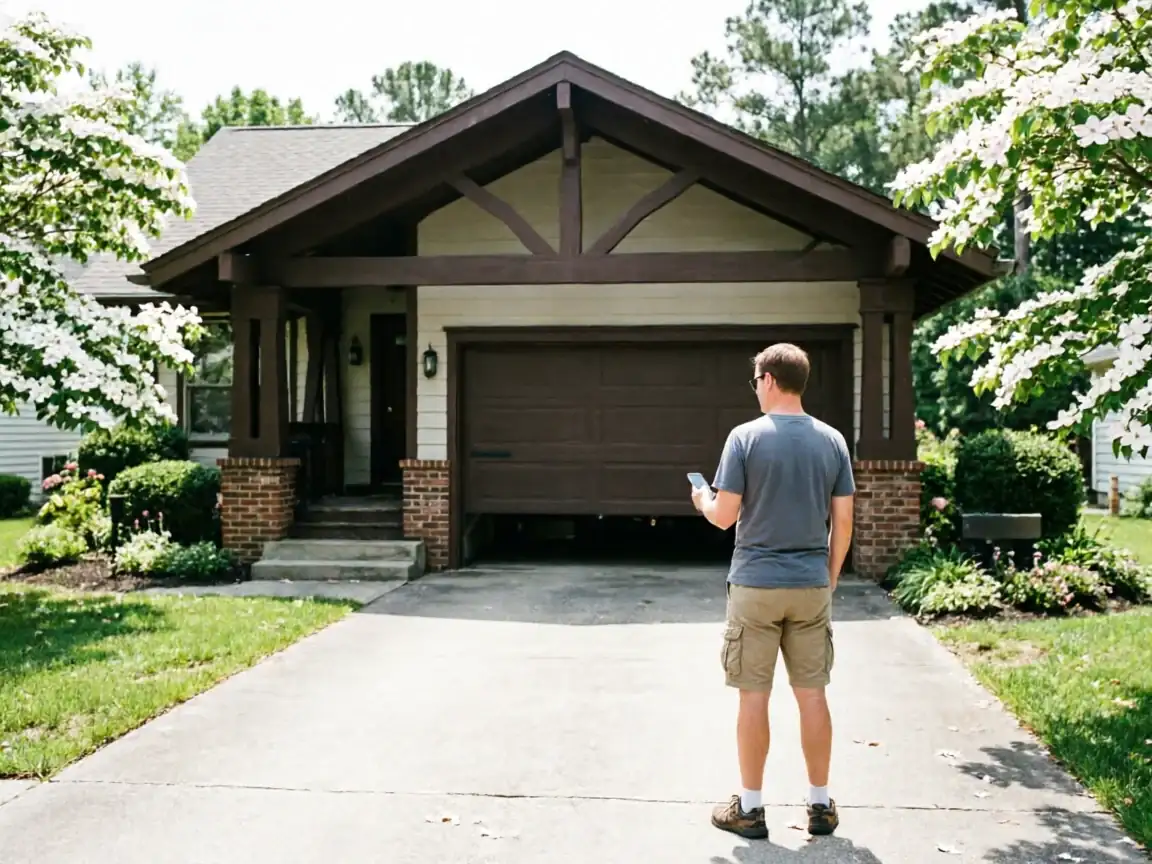
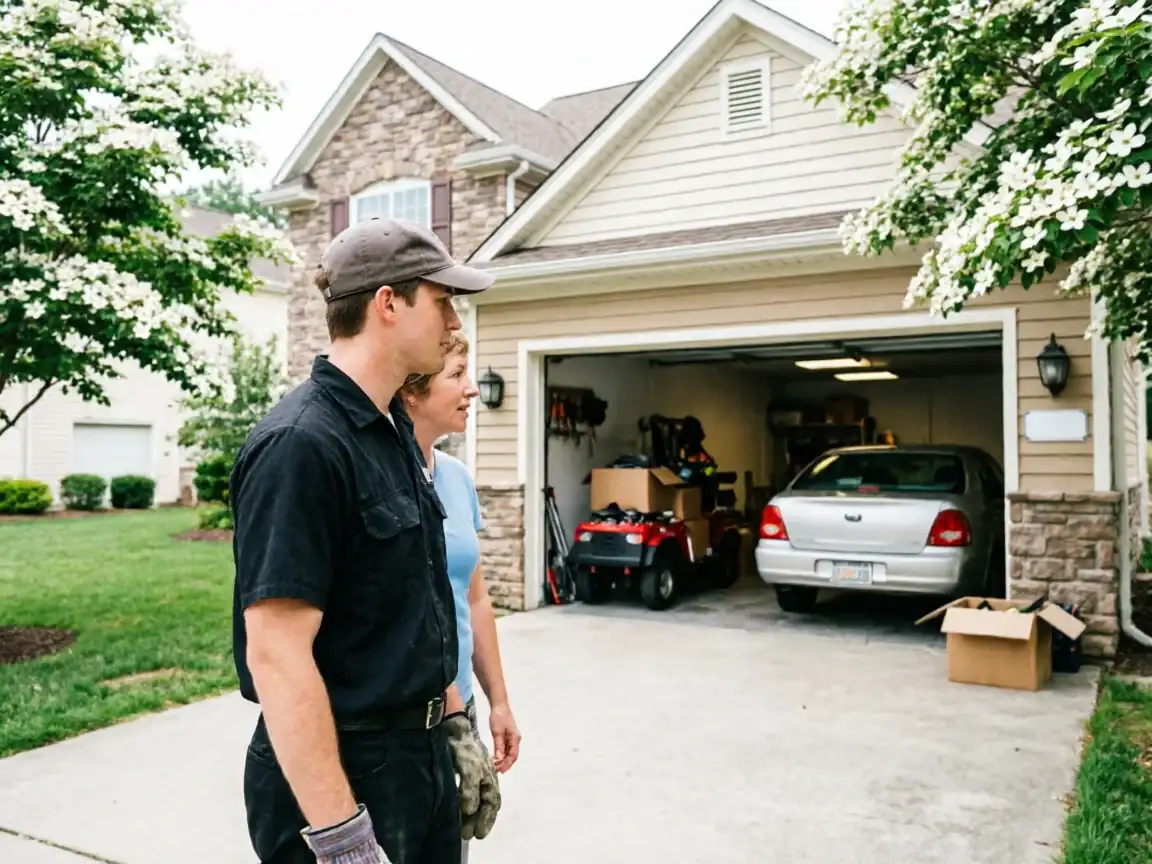
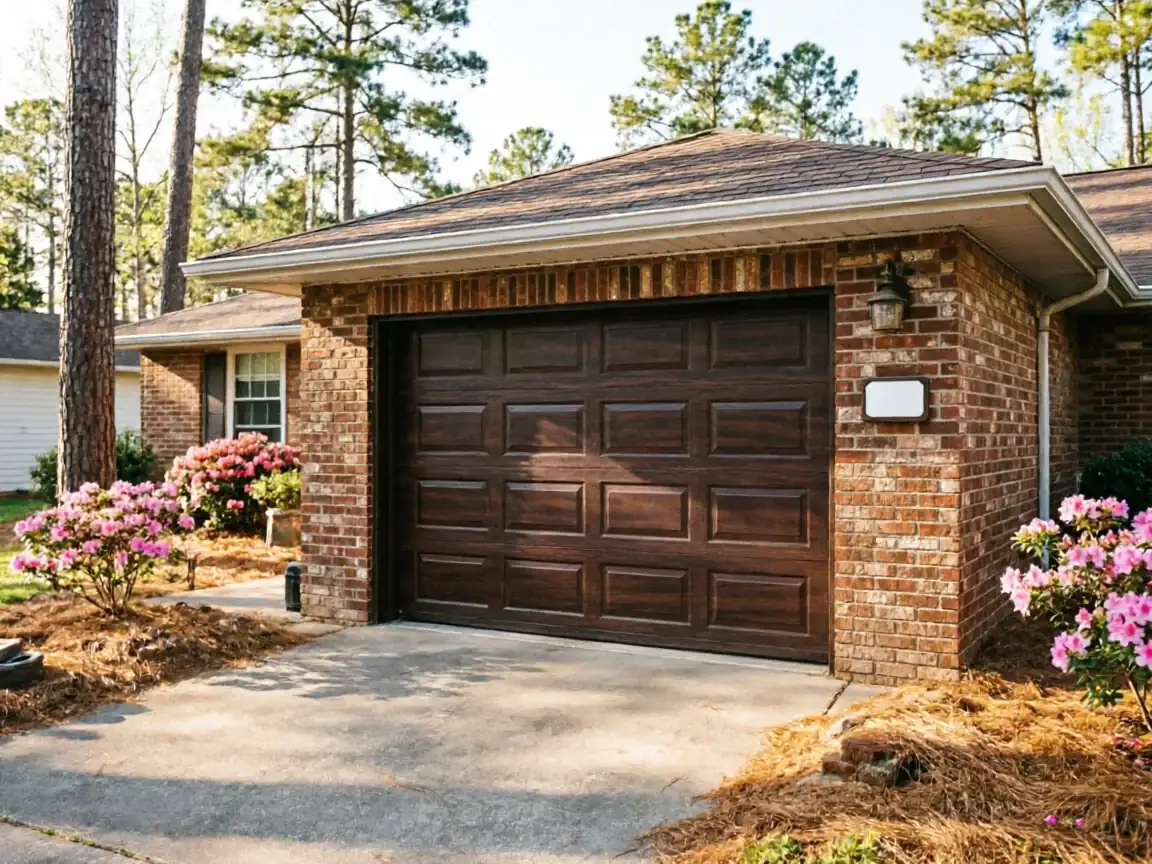
Most of the houses we work on went up between 1972 and 2004, with the median build year sitting around 1990. That matters more than people think. A door hung in 1985 was built to a different standard than one sold today - thinner steel, no insulation layer, and hardware sized for a lighter panel. In the four main pockets of this stock we see most - the neighborhoods that make up the bulk of our calls - the original door is often still on the track, just with a replaced opener bolted to it somewhere along the way.
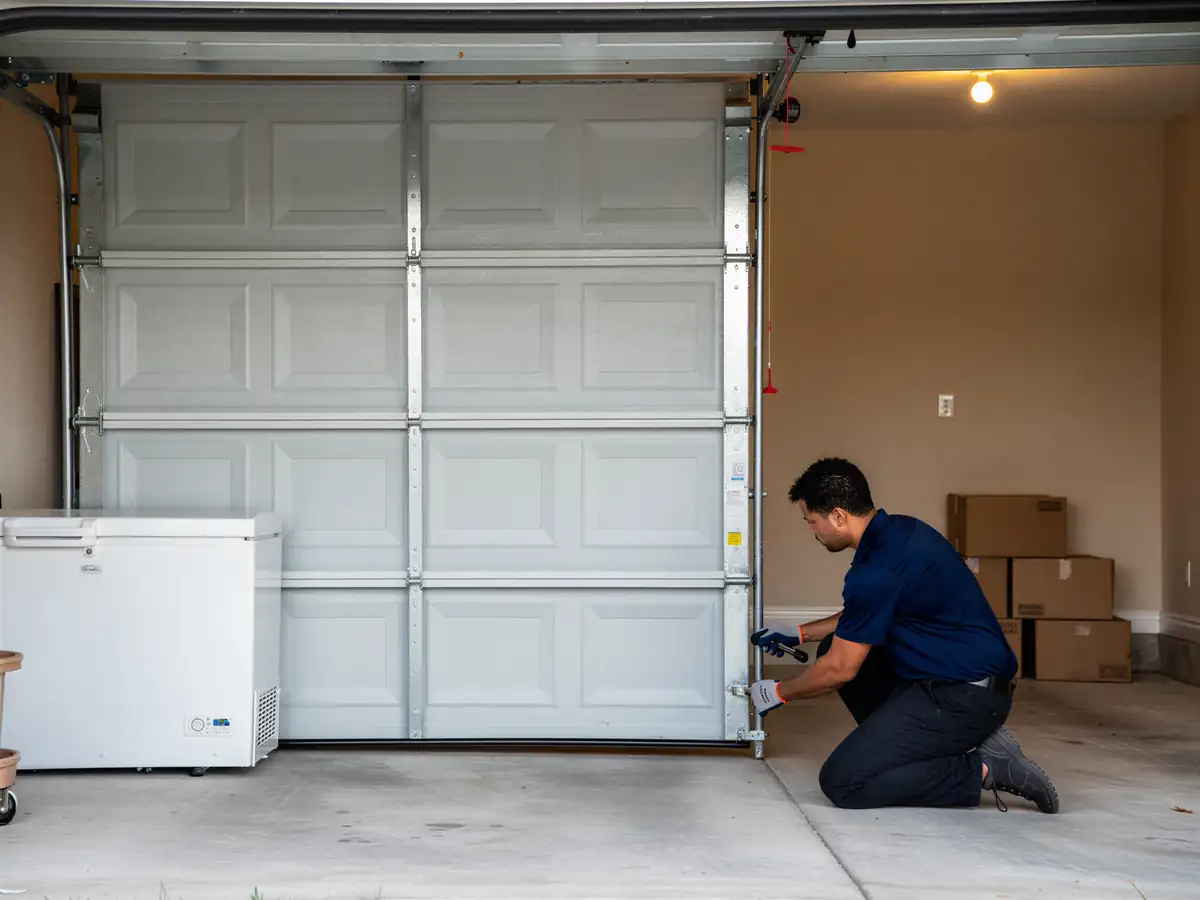
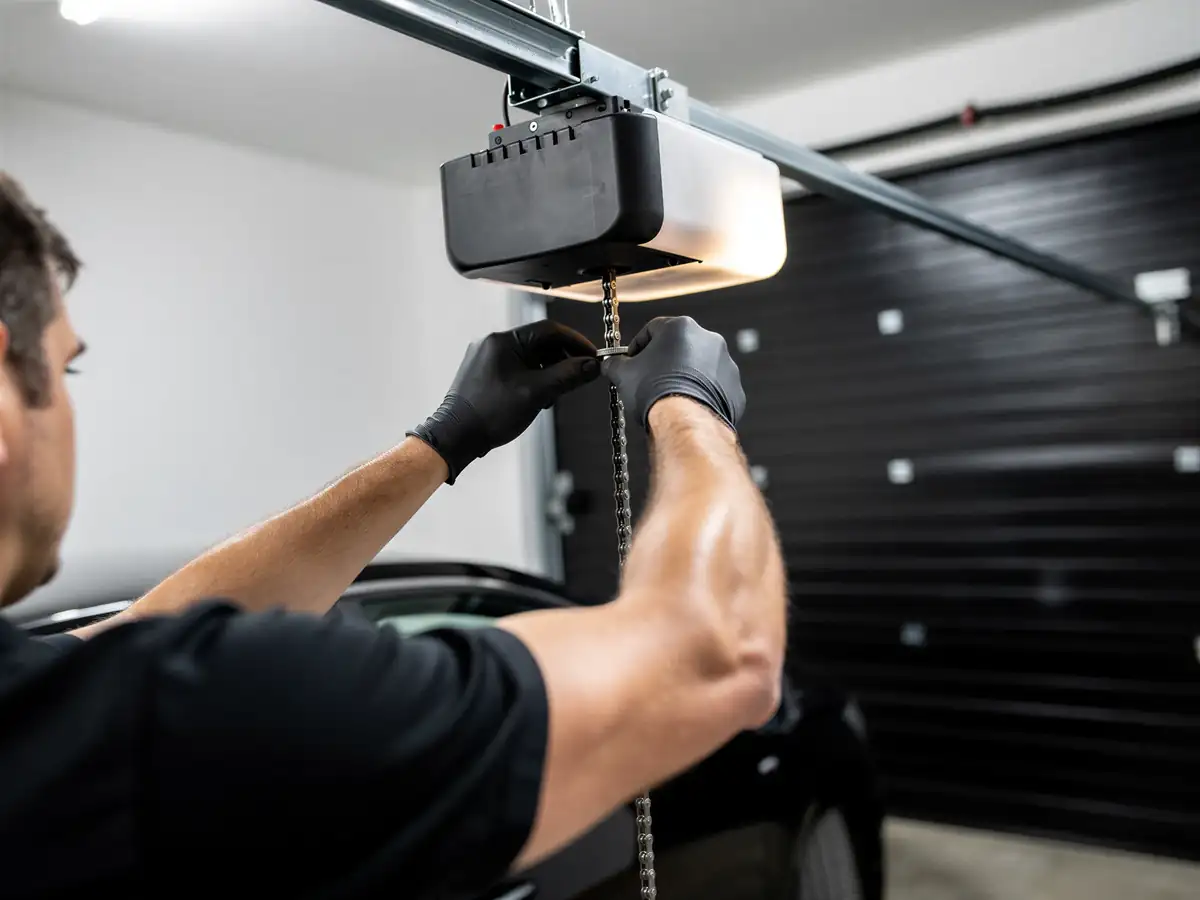
That combination - original door, newer opener - is the single most common setup we find. The opener is rated for a door heavier or lighter than what's actually hanging, and the safety sensors don't always align with how the original track was shimmed. None of this is dangerous by itself, but it's why a door that "worked fine yesterday" stops reversing properly or starts dropping instead of closing smooth.
We're not telling you every door from this era is a problem. Plenty of them run another ten years with nothing more than a spring swap. The point is that the diagnosis starts with the build year, not the brand name on the opener.
The Situation
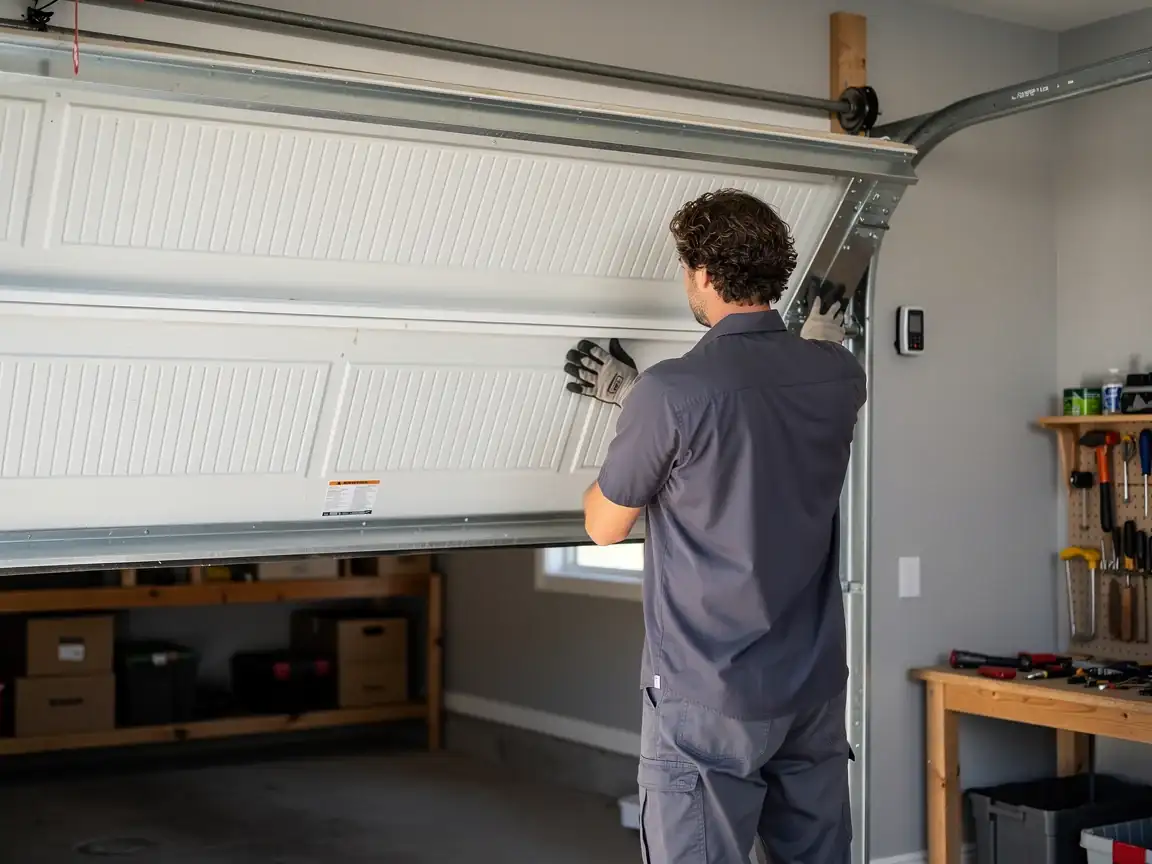
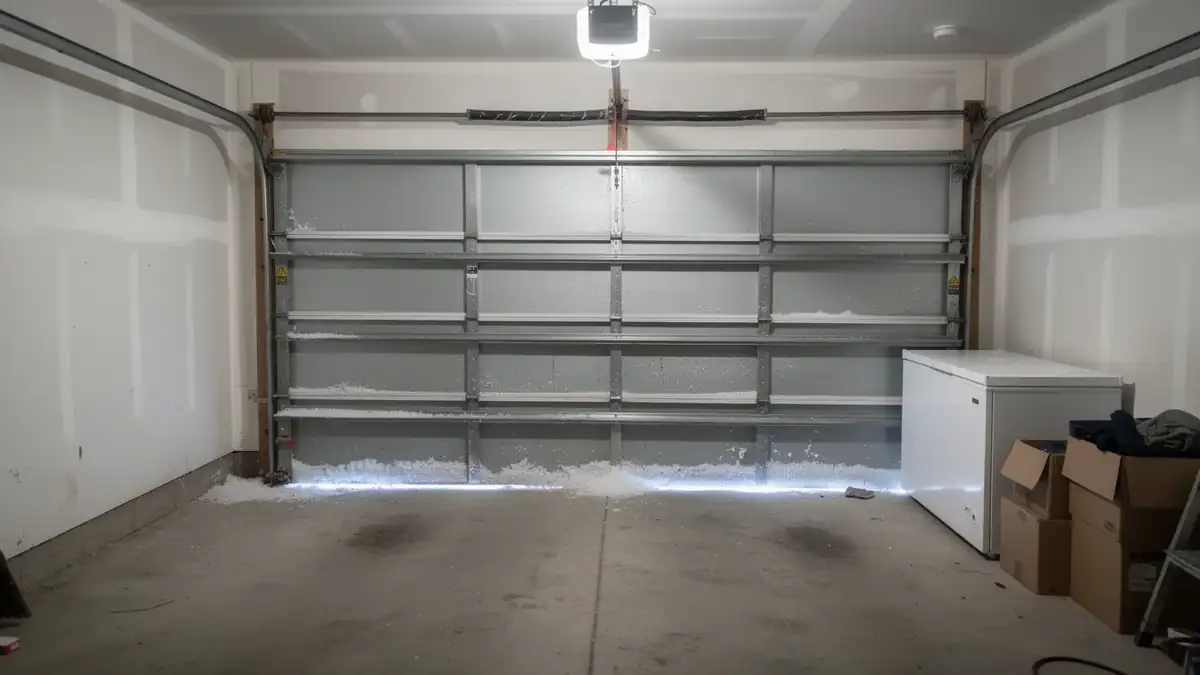
A door installed before insulation requirements became standard practice is a single layer of steel with nothing behind it. You can usually tell by weight - lift the door by hand with the opener disengaged, and if it swings up light and fast, there's no insulation layer in there. That's common on the 1972-2004 stock across this area, and it's not a defect, it's just what builders used at the time.
The practical effect shows up in two places: the garage itself runs colder in winter than an attached room should, and the door panel itself is more prone to denting and oil-canning because there's no foam core backing the steel. Neither of those is an emergency. But if you're finishing the garage, adding a workshop, or just tired of the temperature swing, it's worth knowing what you're starting from before you spend money on a smart opener that won't fix either problem.
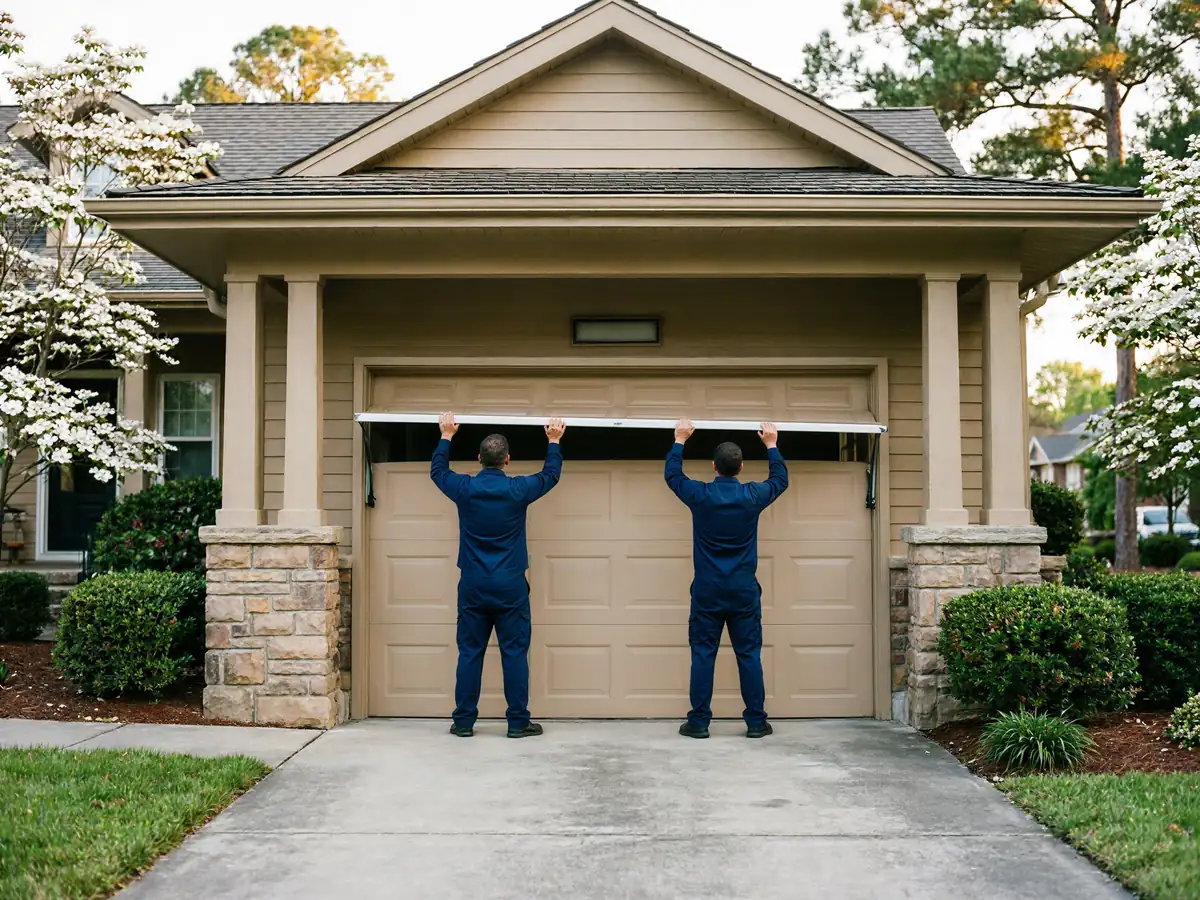
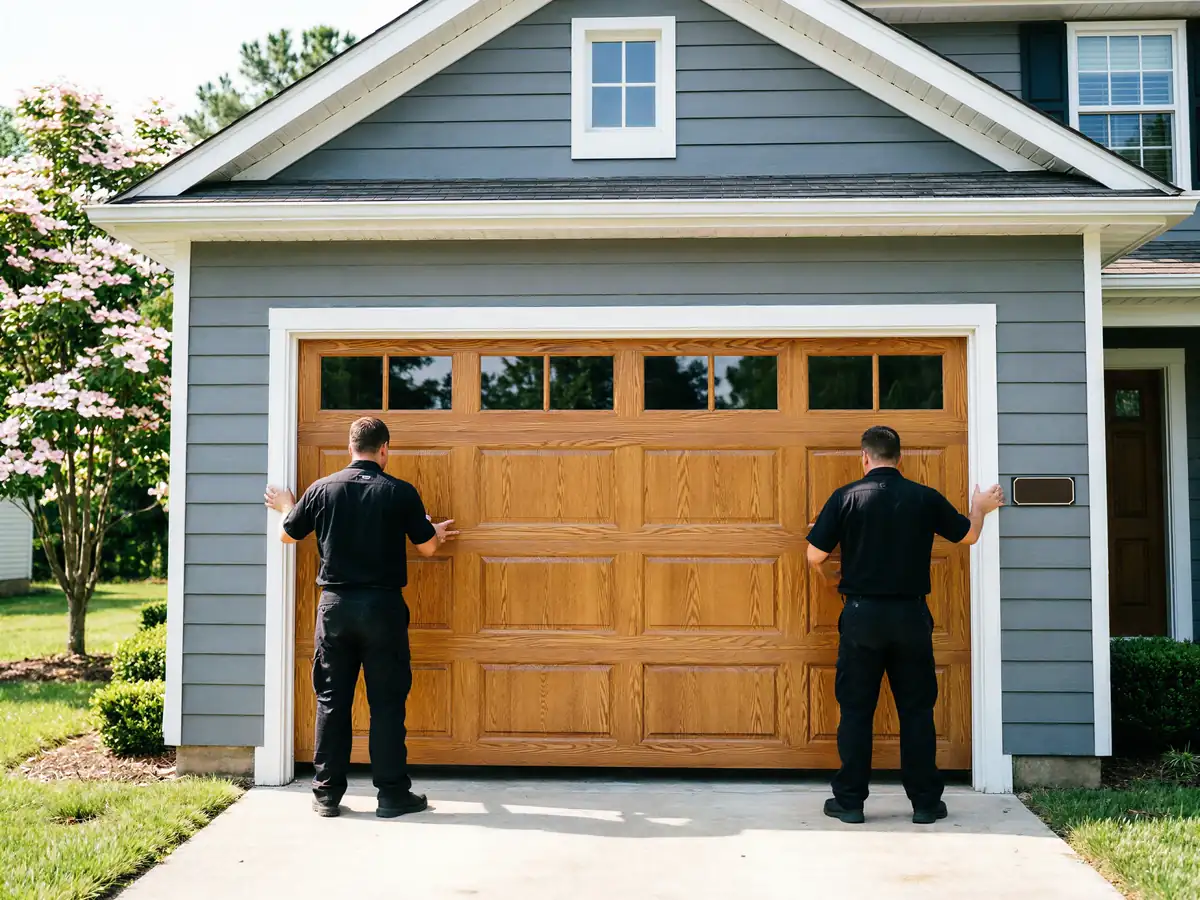
We'll tell you straight if a door is a repair or a replacement candidate. A non-insulated panel with a bent section usually isn't worth patching - the labor to true it up costs more than stepping up to a new insulated door, and you end up with better mileage out of the springs too since the new panel is usually lighter on the hardware.
The Seasonal Bit
This region sits in a cold-moderate band, not the deep freeze further north
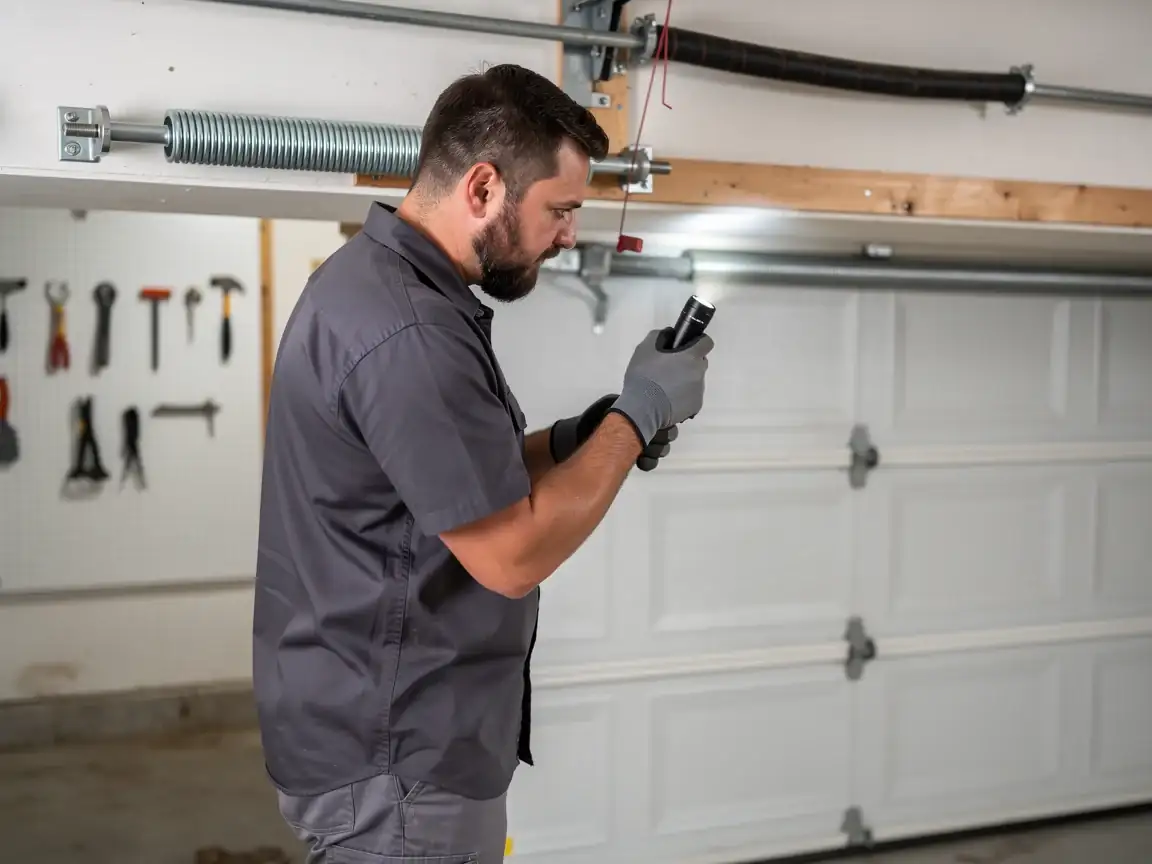
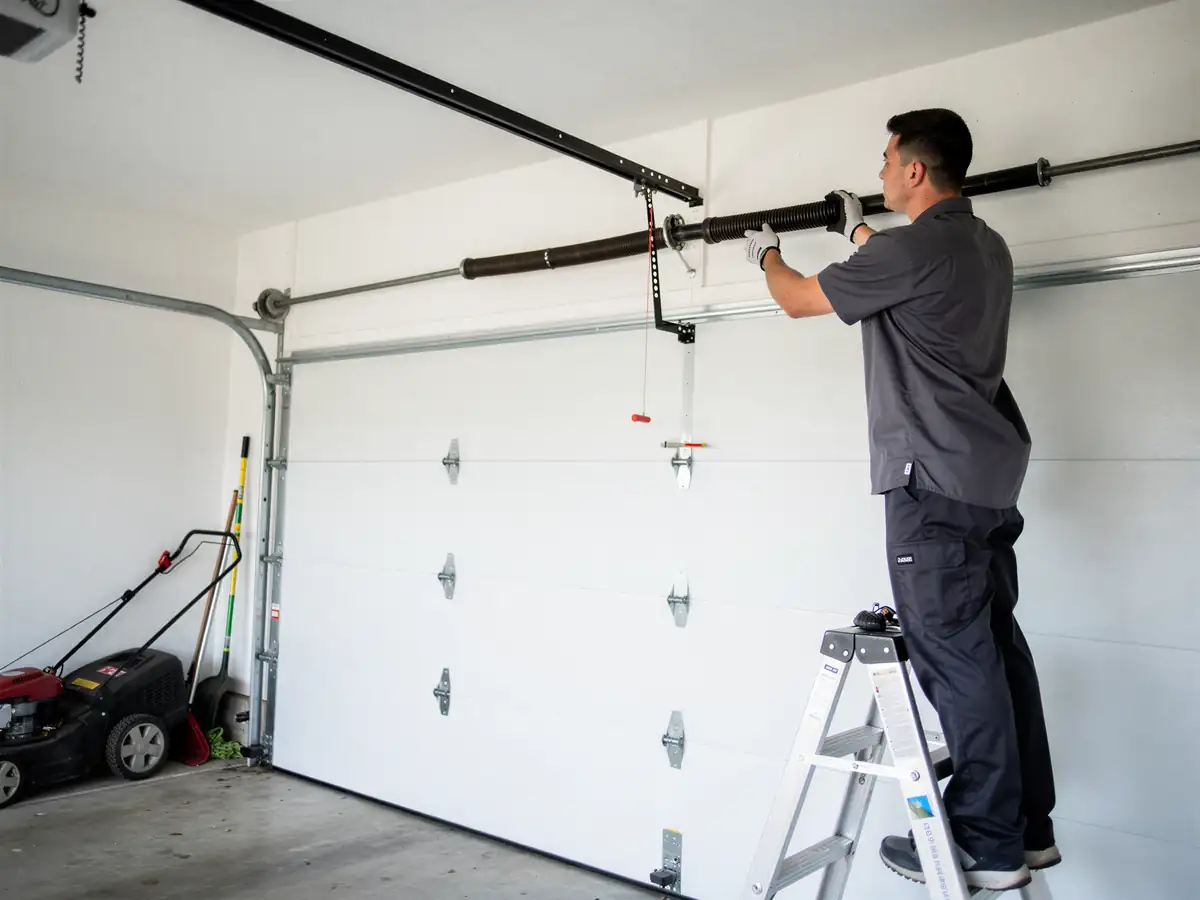
But enough swing between summer and winter that steel contracts and hardware tightens up more than most owners expect. On an older, non-insulated door, that shows up as stiffness in the rollers and a torsion spring that sounds different in January than it did in July - the metal's just denser when it's cold, and a spring near the end of its cycle count will often let go in that stretch rather than during a mild month.
We don't get ice storms bad enough to freeze a door shut most winters
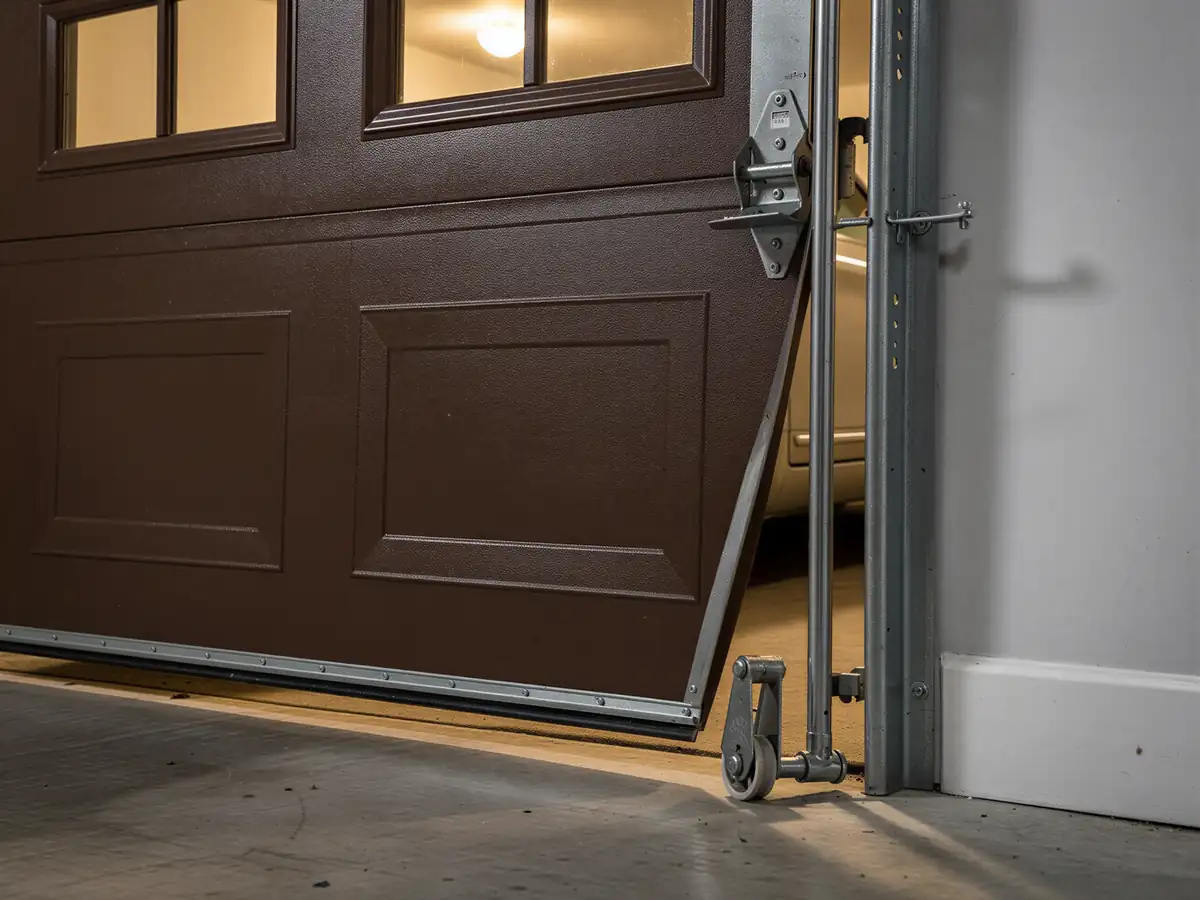
But a cold snap after rain will do it on a door with worn weatherstripping, especially on the older stock where the bottom seal has been replaced once or twice over the decades and never quite matches the original channel. That's a five-minute fix if you catch it before you force the opener against a frozen seal.
Summer's less dramatic but it's when the steel expands and any panel that was already slightly out of square from age will bind at the track
If your door only sticks in July, that's usually the tell.
Where People Go Wrong
The most common mistake we see on houses from this era is replacing the opener and assuming that solved the door. It doesn't. The opener has no say over spring tension, roller wear, or whether the track was ever properly aligned to begin with - and a new opener paired with 1980s hardware will often mask a spring problem for a few months before it snaps anyway.
The second mistake is ignoring the panel because the door still opens. On the non-insulated doors common across this stock, rust starts from the inside out, along the bottom channel where moisture sits after rain. By the time it shows on the outside face, the panel's usually past a simple patch.
We can't make every old door into a new one without replacing it, and we won't talk you into a full replacement when a spring and roller service will get you another several years. But if a homeowner asks us to "just fix what's broken" on a door that's structurally tired, we'll say so plainly rather than quote a repair that won't hold.