What Local Conditions Do
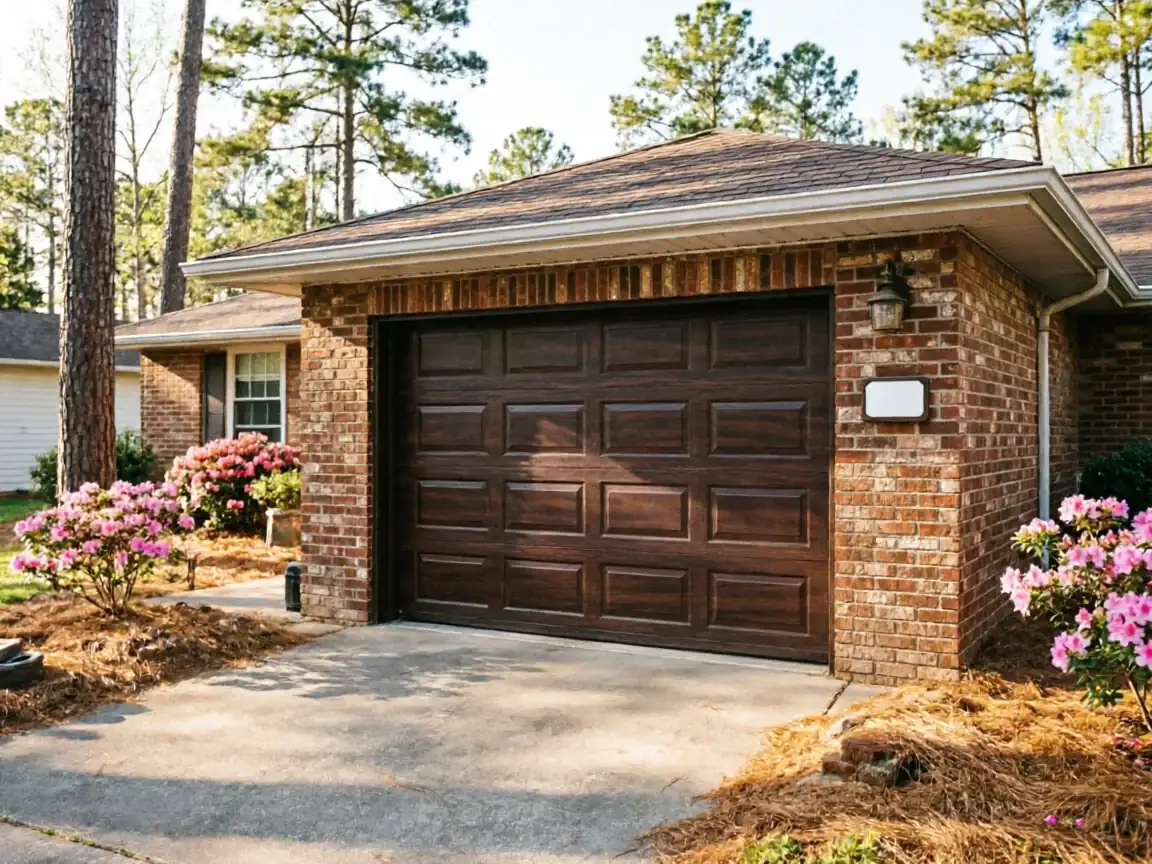
Most houses across this service area went up between 1972 and 2004, with the bulk of that stock dating to the 1980s and 90s across the four main pockets we work. That means a lot of openers out there are second or third replacements on the same bracket, wired straight into a circuit with no battery backup because that wasn't standard when the house was built or when the first opener went. When the power cuts, those units just stop. No chain drive, no release lever pulled, nothing moves until someone manually disengages the trolley. In neighborhoods like Orange Mound, where a good share of the garages still carry original-era wiring runs, that's the actual failure point - not the door, the opener's power supply.
The climate here sits in the cold-moderate band, which matters less for the motor itself and more for how often the power actually drops. Ice on lines, storm fronts moving through - outages aren't rare events in this region, they're a seasonal occurrence. An opener with no battery backup turns a short outage into a locked-in car and a hand-crank lesson nobody wanted to learn at 6 a.m.
The Situation
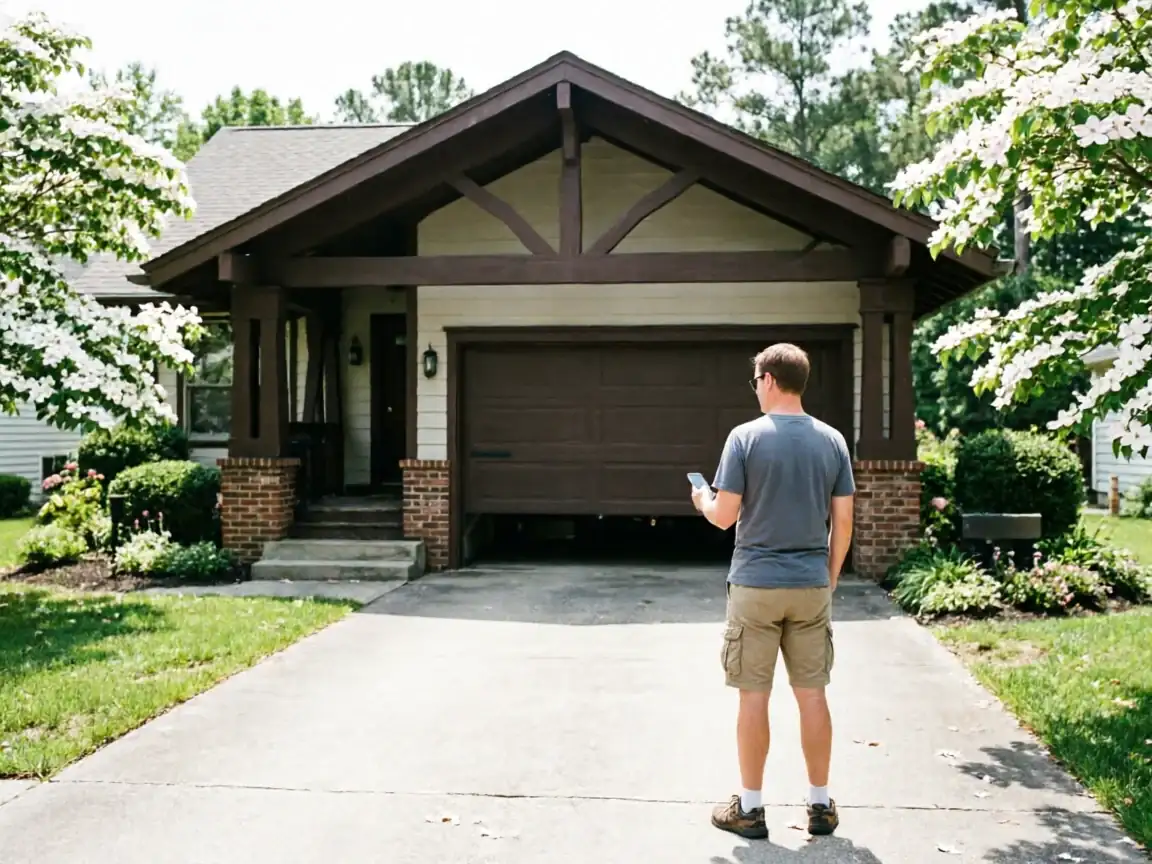
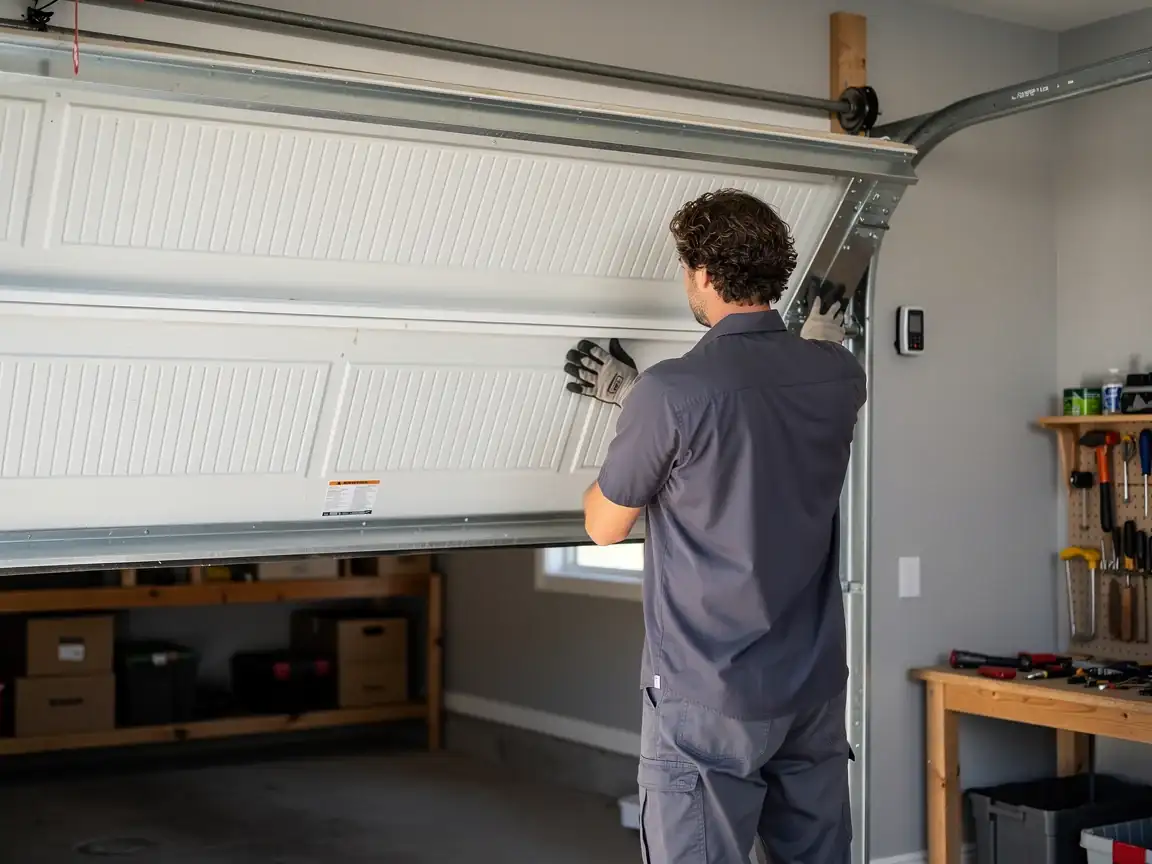
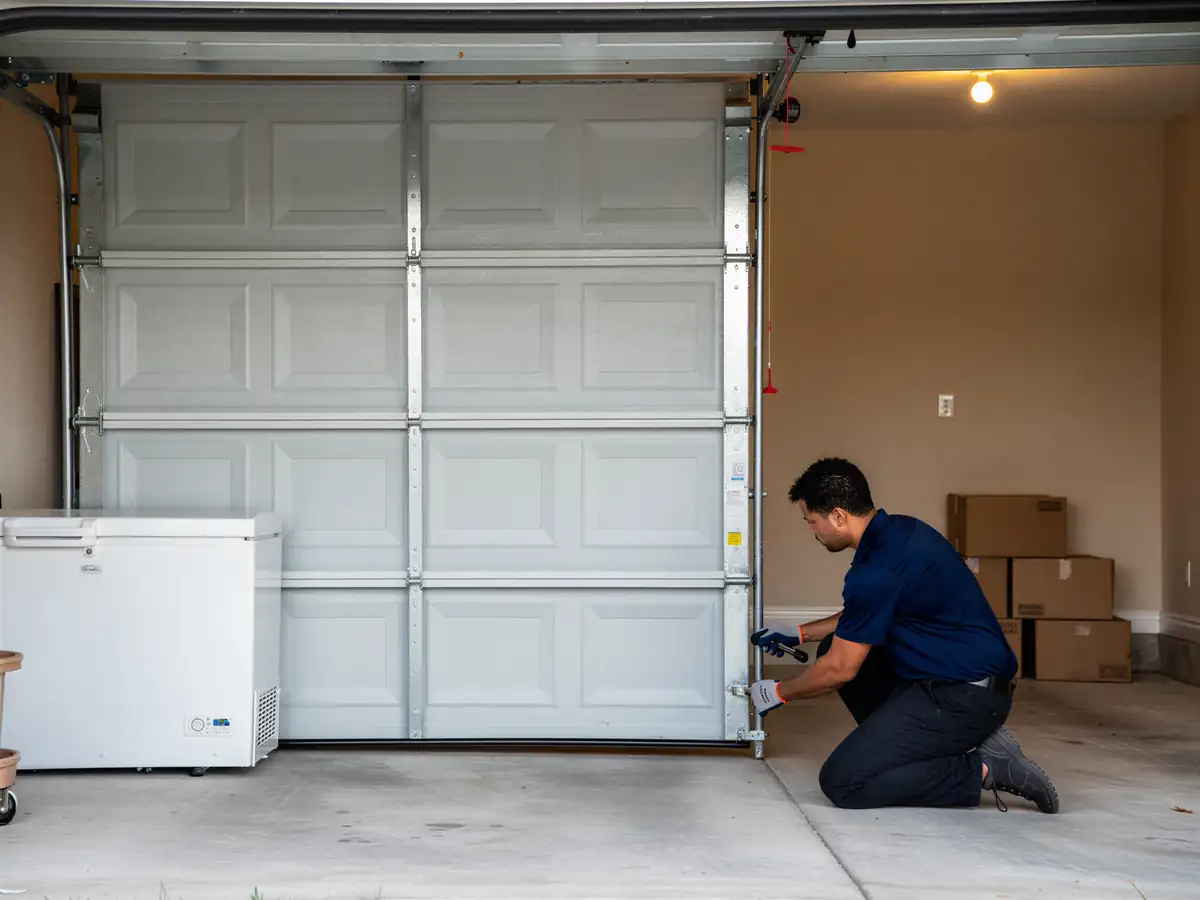
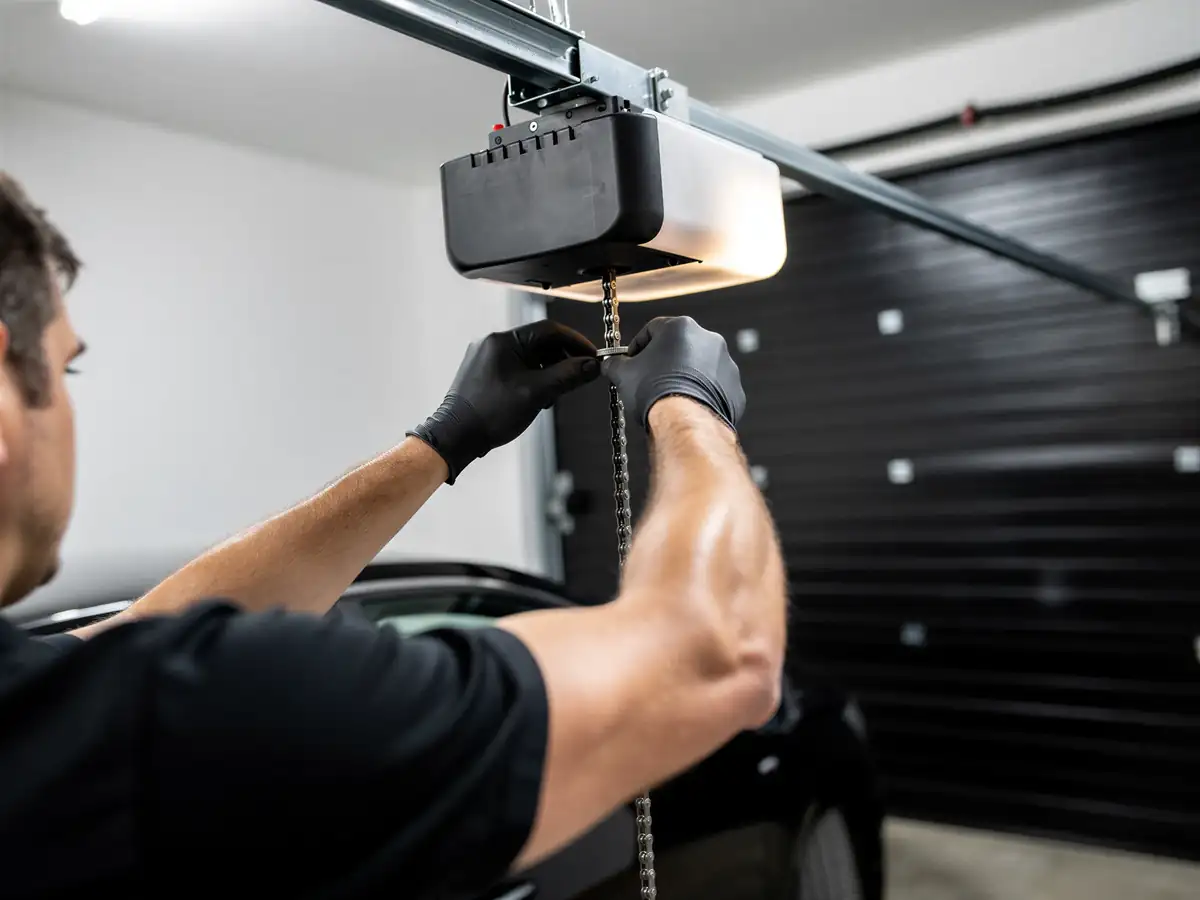
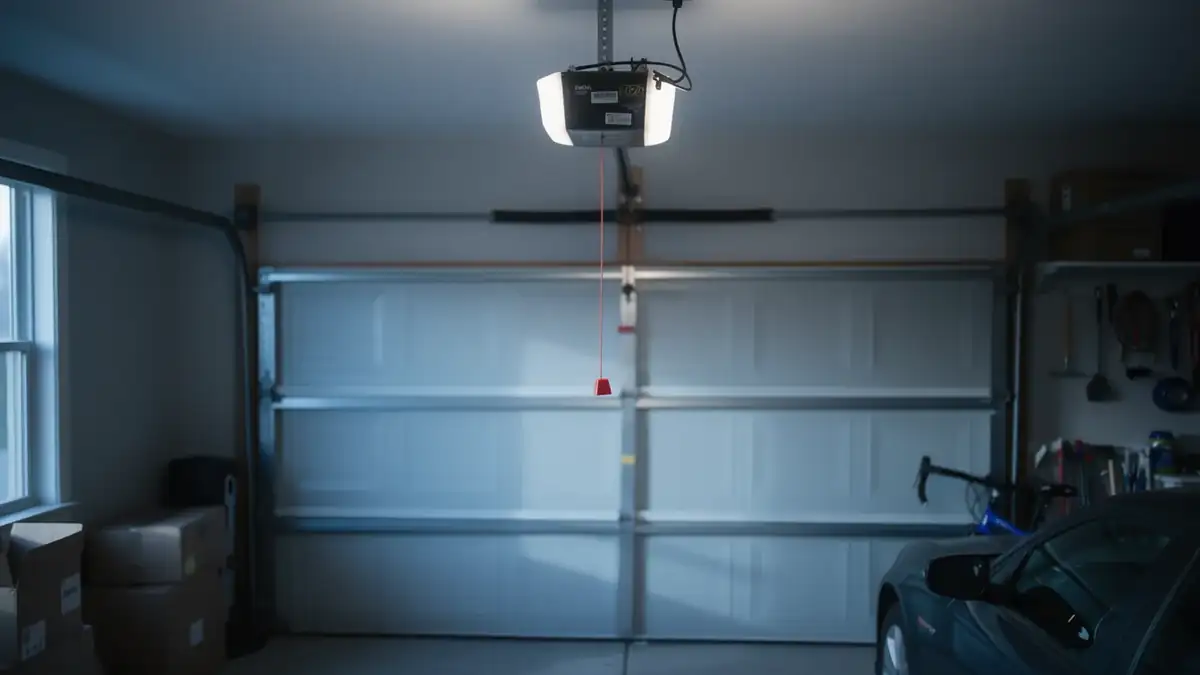
Call volume on this tends to spike after any outage that runs more than an hour. People assume the opener died. Most of the time it didn't - it's just sitting there waiting for power, with the trolley still engaged and the door mechanically locked to a motor that isn't running. The fix in that moment is the manual release cord, not a service call. But the longer-term issue is that a lot of these installs, especially on houses built in the 1980s and 90s before battery backup was common, have no fallback at all. You lose power, you lose the opener, full stop, until someone comes out and either adds a backup unit or you wait for the utility to catch up.
We don't push battery backup as a blanket upgrade for every job. If your opener rarely sees an outage, or you're fine pulling the release cord twice a year, it's not worth the add-on cost. But if you've got a teenager who drives at odd hours, or anyone in the house who can't physically lift a door by hand, it's worth the conversation before the next storm rolls through, not during it.
The Seasonal Bit
Cold-moderate winters here don't freeze gear housings solid the way a harder climate would
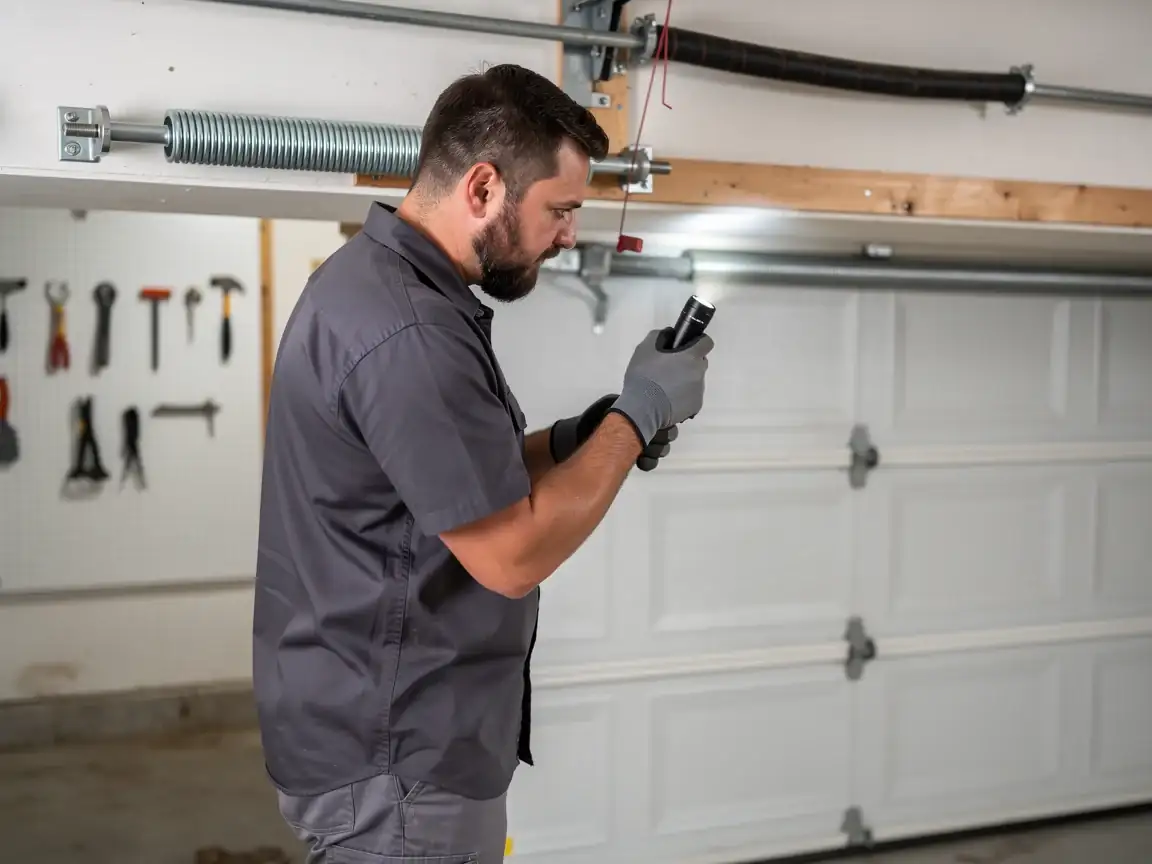
But they do slow chain and belt drives enough that an opener already laboring under a weak capacitor or worn gear will show it first in the coldest stretch of the year. That's usually when we get the call - not because the cold broke anything new, but because it exposed what was already marginal. Combine a cold snap with one of the power dips that come with it, and you get the two failure modes stacking: a sluggish motor that then also loses power mid-cycle.
We don't see the kind of deep-freeze opener failures you'd get further north
Where lubricant turns to paste. This region doesn't ask that much of the hardware. What it does ask is reliability through intermittent outages, several times a winter, which is a different kind of stress than raw cold - it's a stress on whatever backup system you do or don't have in place.
Where People Go Wrong
The common mistake is replacing an opener after a power cut and buying the same spec as what failed, because it looks the same and the old one worked fine for fifteen years. If the house is one of the many in this area built in the 1972-2004 window, the electrical run to that garage may not have changed since, and a new opener without battery backup just repeats the same outage problem on a new box. The other mistake is treating a manual release as a defect. It's not. It's the system doing exactly what it's supposed to do when power drops - the door stays mechanically locked rather than free-falling.
We'll be straight that we don't rewire garage circuits - that's an electrician's job, not ours. What we can do is spec an opener and backup setup that matches what your panel can actually support. If your garage is on an older circuit shared with other loads, that's worth knowing before you pick a unit, not after it trips during the next outage.