What Local Conditions Do
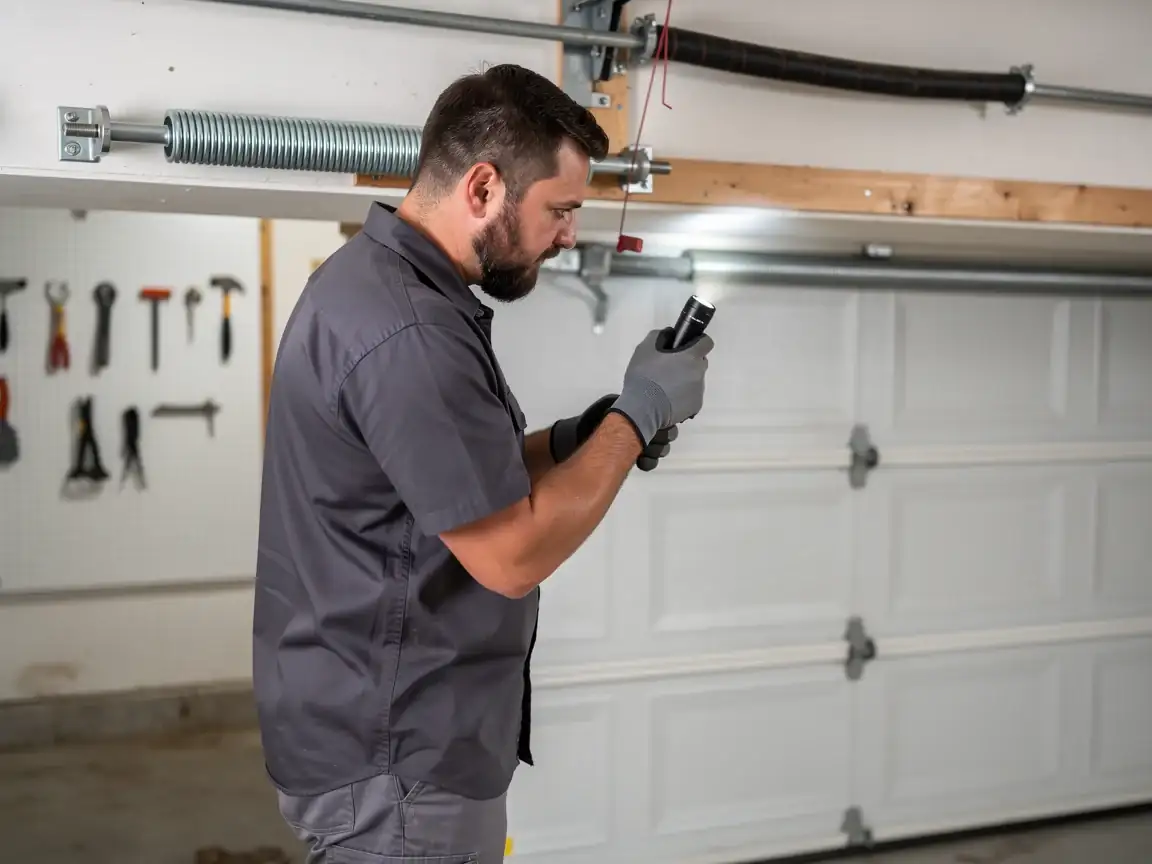
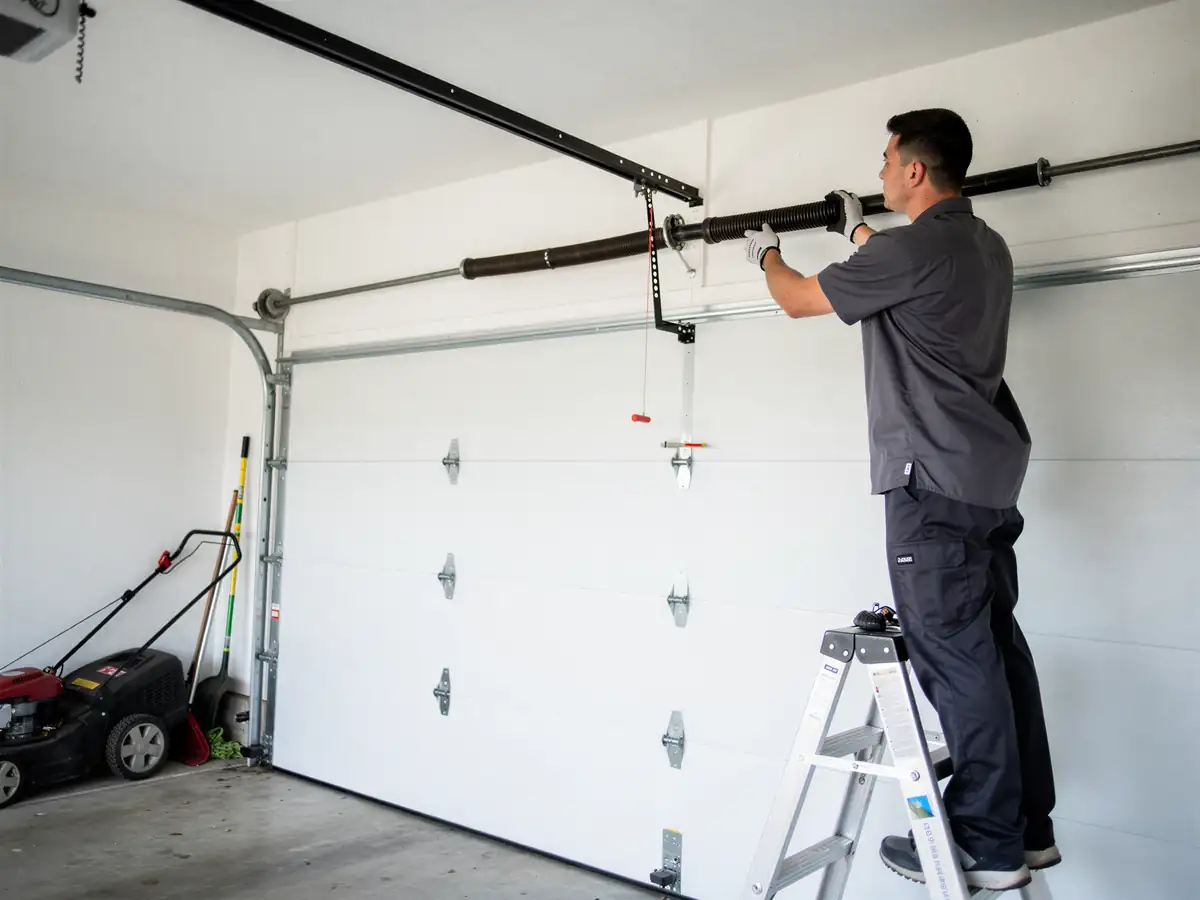
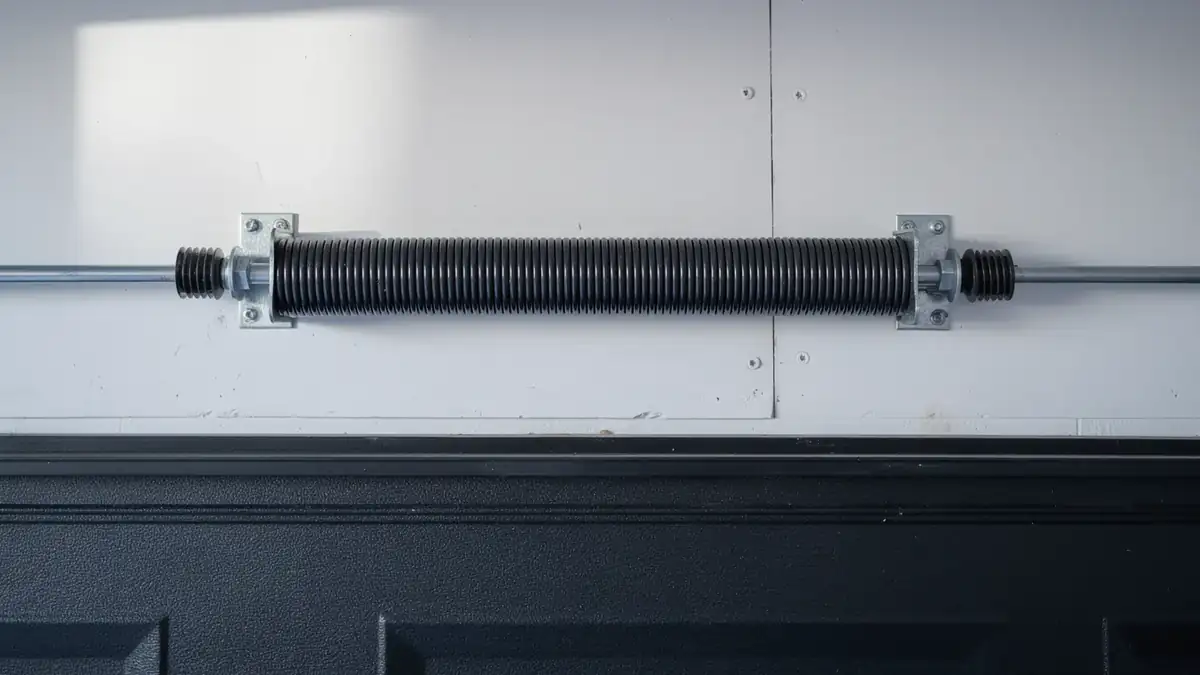
Steel contracts when it gets cold, and a torsion spring under load is already storing a lot of tension. Memphis sits in a cold-moderate climate band, which means the springs here don't just deal with one hard freeze a year - they cycle through repeated swings of cold mornings and warmer afternoons all winter long. That cycling is what fatigues metal faster than steady cold ever would. A spring that's been stretching and relaxing with every freeze-thaw swing for a few decades is already weaker than it looks, and the next cold morning is often the one where it finally lets go. This isn't a one-season event. It's cumulative wear showing up on a predictable schedule, which is why the calls cluster the way they do once the temperature drops and stays down for a stretch.
The Situation
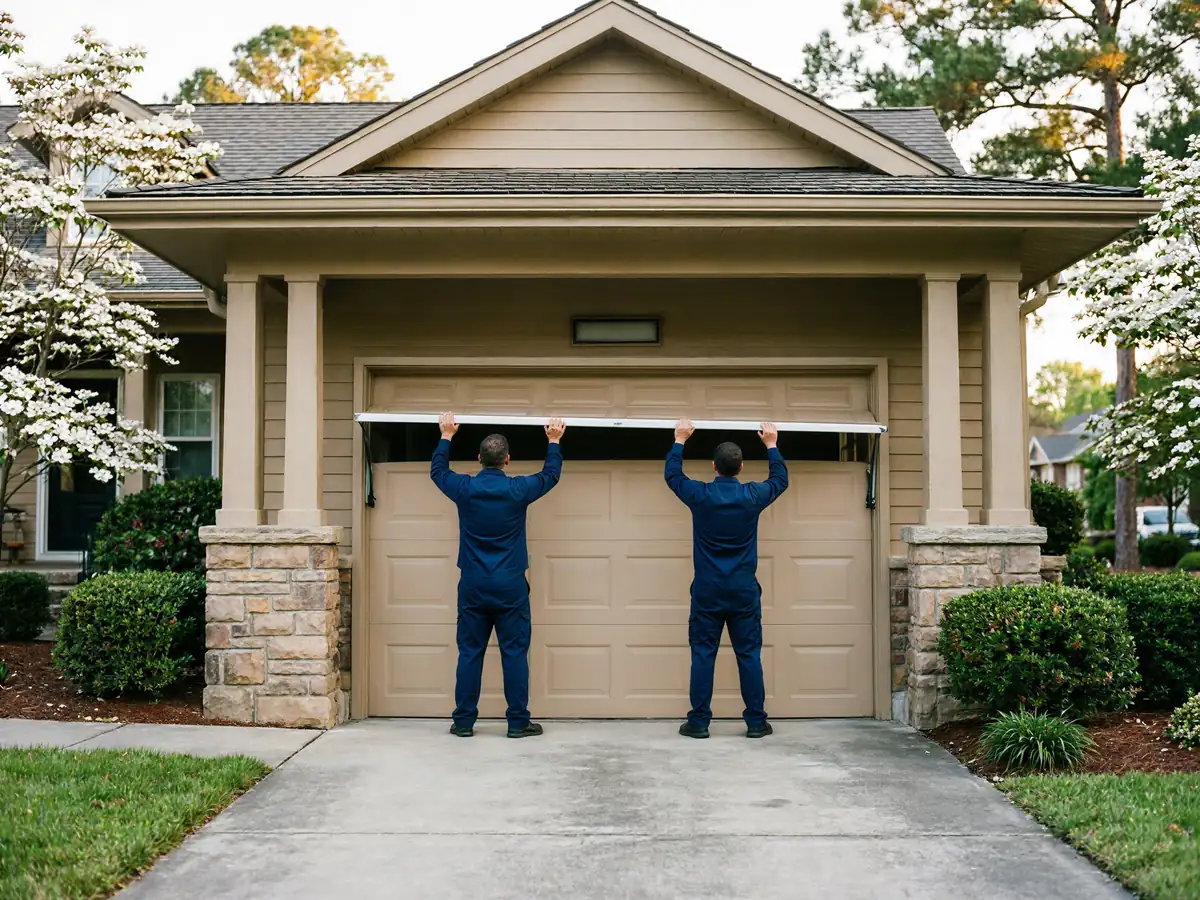
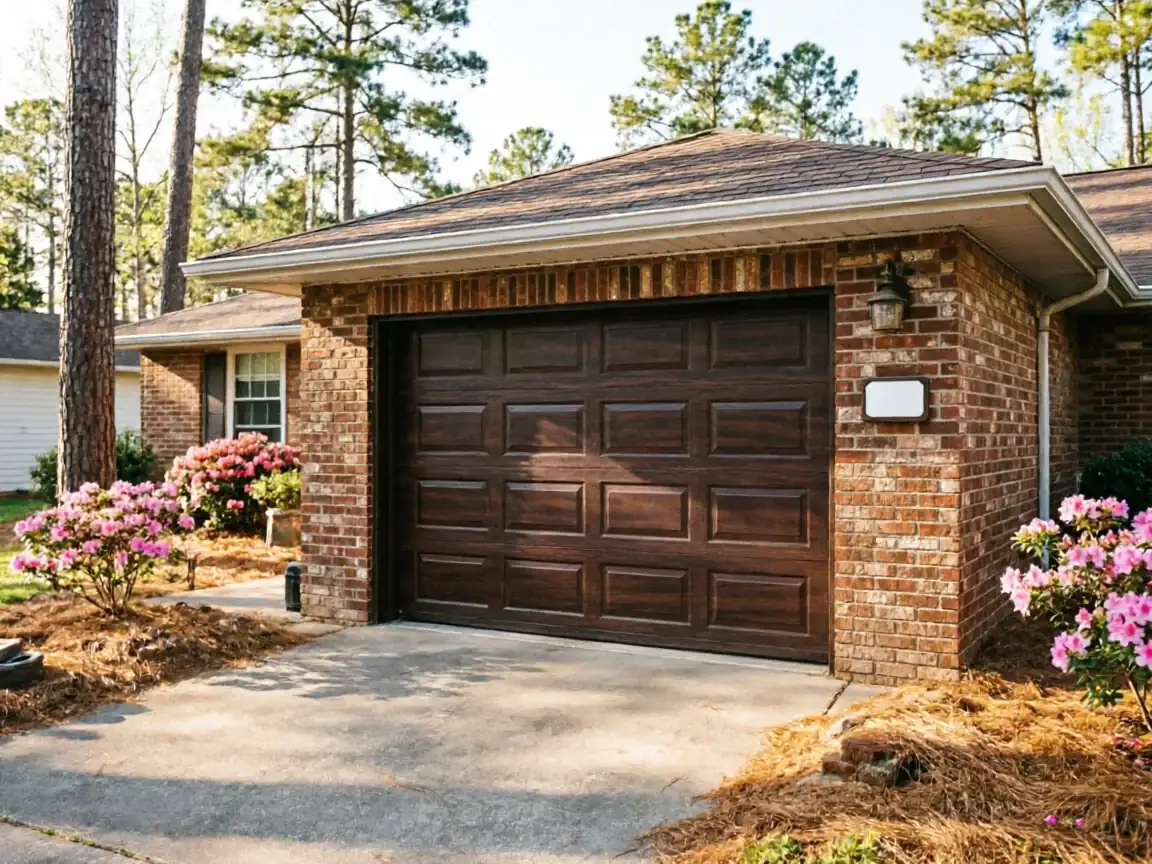
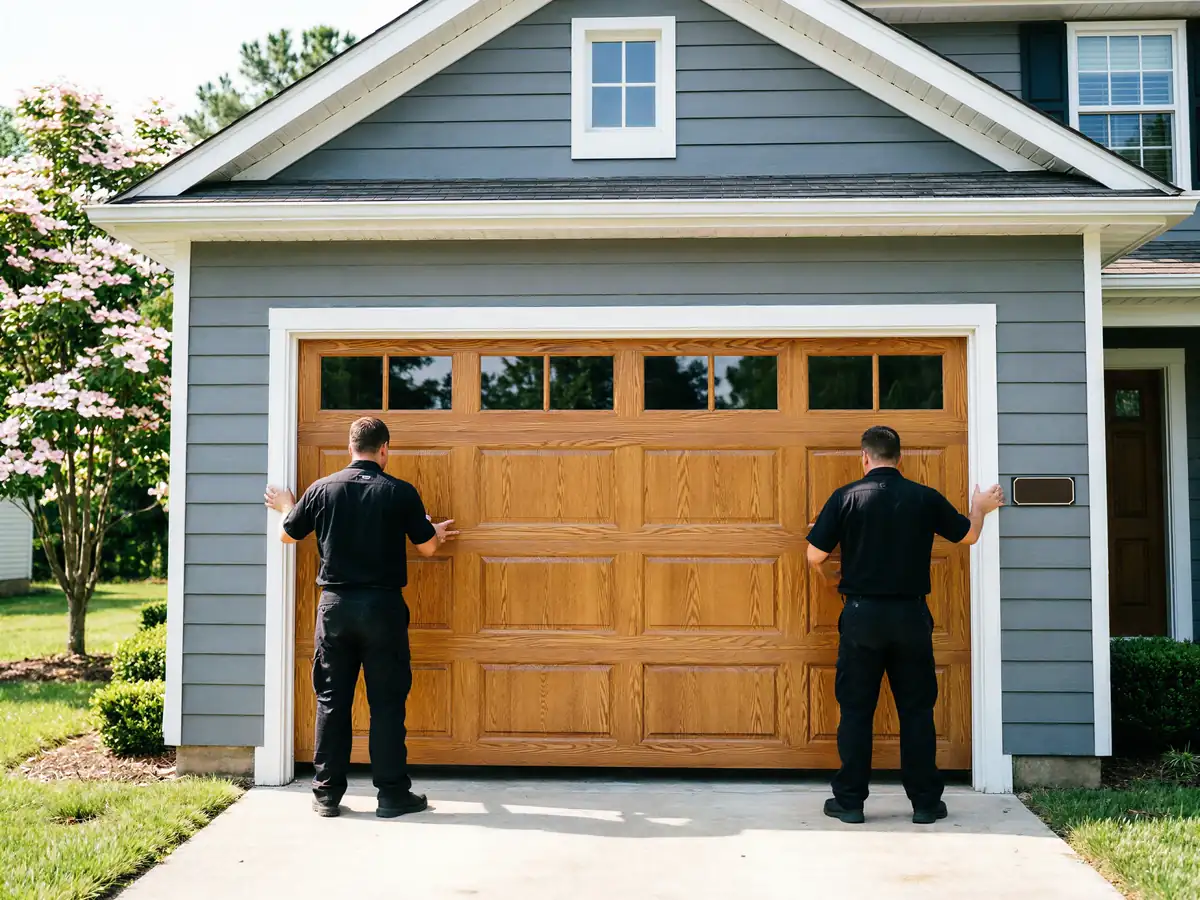
Most of the housing we work on went up between 1972 and 2004, with the bulk of it dating to the 1980s and 90s across four main pockets of the service area. That means a lot of original torsion hardware - springs that were installed when the house was framed and never touched since. Across the roughly 21,201 owner-occupied houses in this service area, from just three miles north to four miles south, the pattern repeats: same build era, same spring, same age as the roof. A house out in Germantown, eleven miles from the center of things, and a house in Orange Mound right at the edge of it share that same build window. Age doesn't care about distance. It cares about how many winters that spring has been through and how many times it's cycled open and shut under load. The springs installed in that era weren't bad parts - they were just never meant to last forty-plus years.
Where People Go Wrong
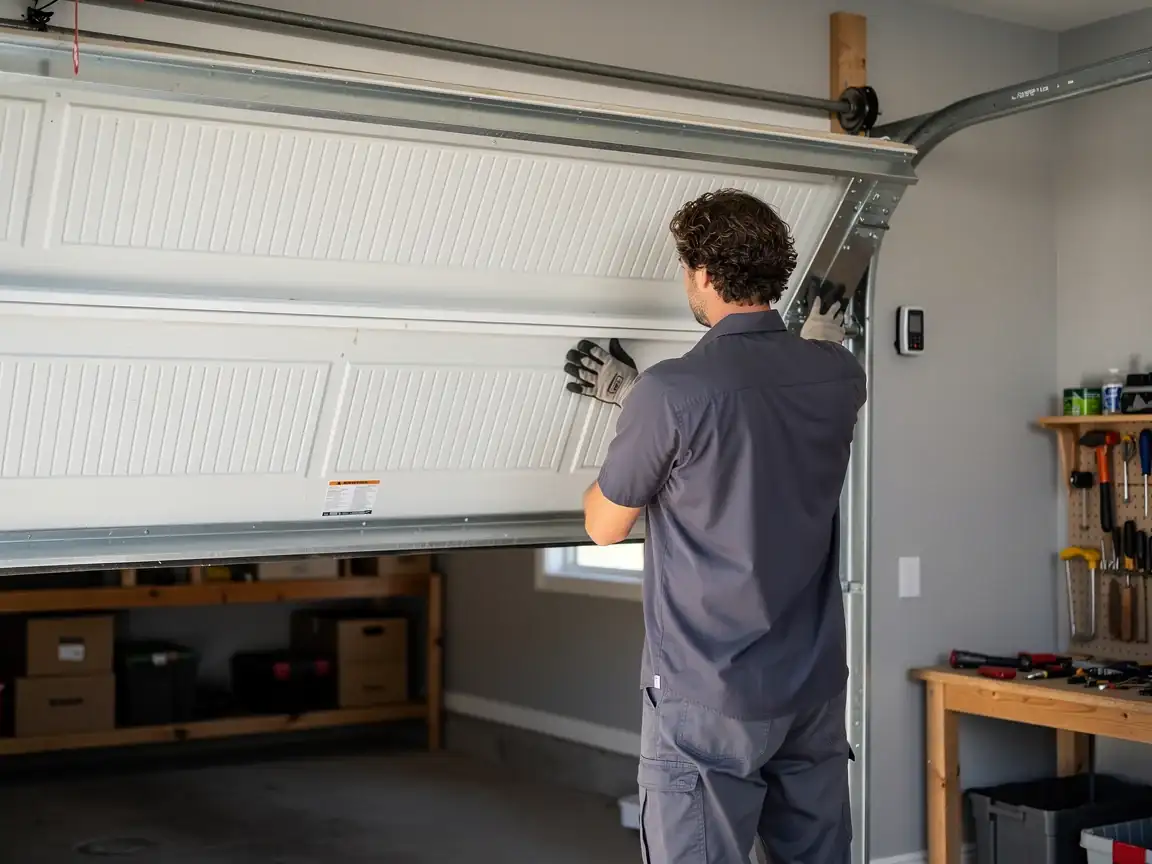
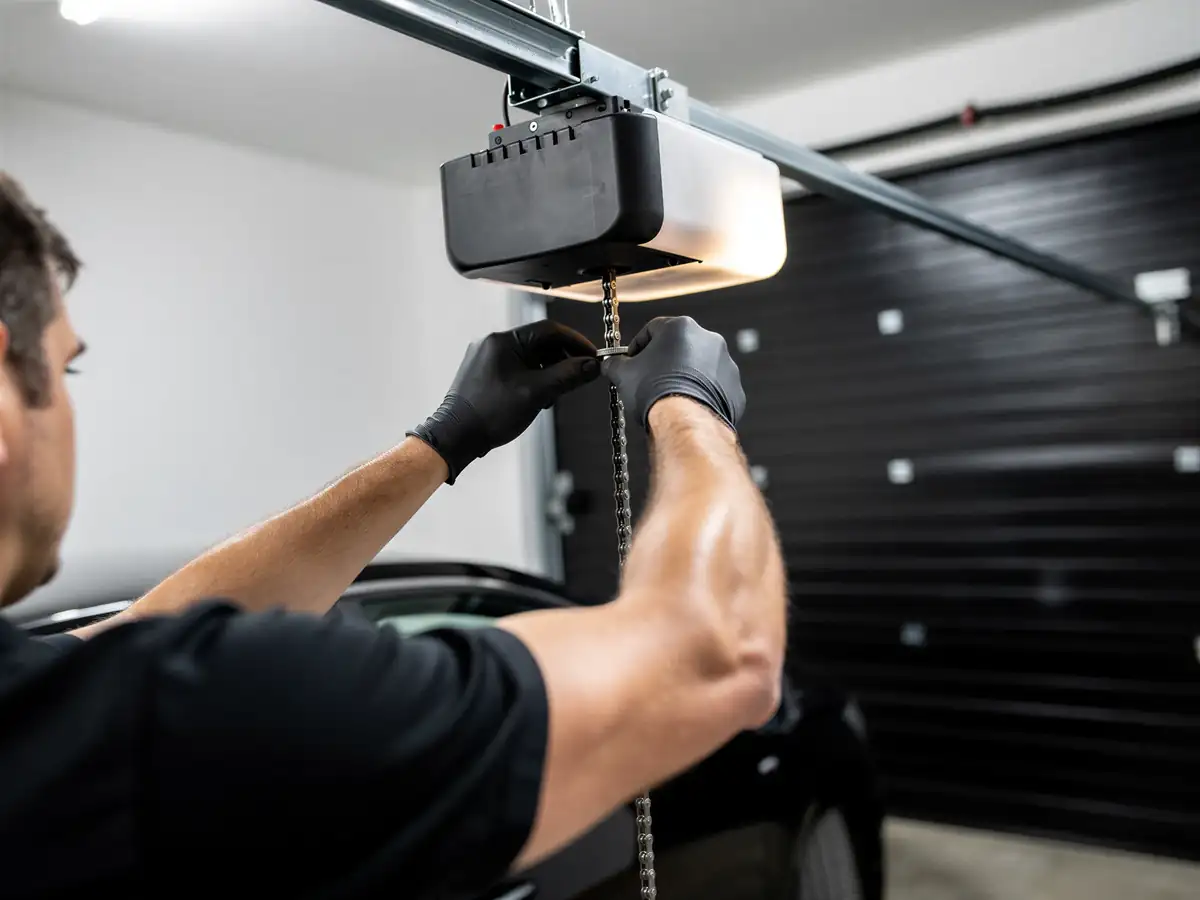
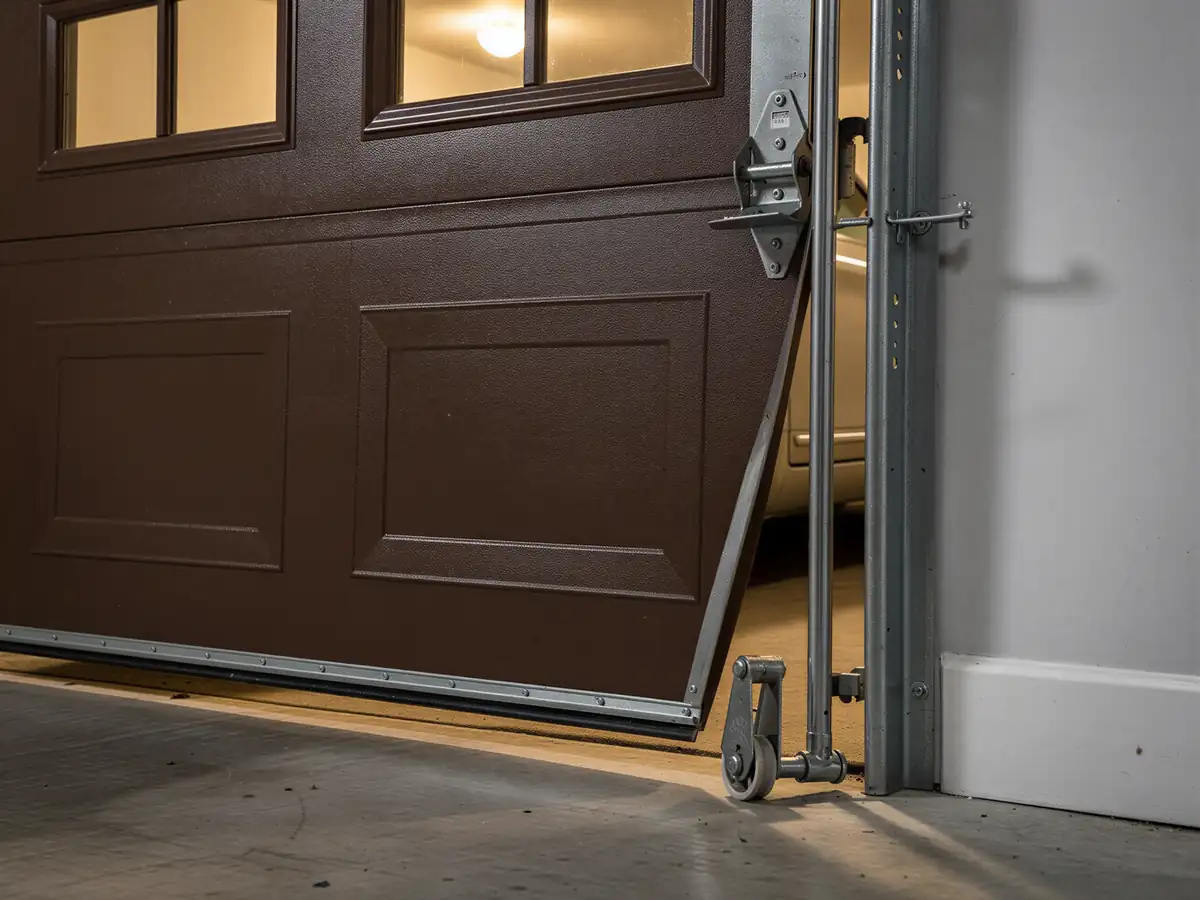
The most common mistake is spraying household oil or WD-40 on a torsion spring and calling it maintenance. That's not a lubricant made for coiled spring steel, and it does nothing for fatigue - it just makes the coil look less rusty. The second mistake is waiting until the door won't open at all before calling anyone, by which point the opener has usually been straining against a dead spring and taking damage too. We'll be honest: if a spring breaks on a door that's already twenty-plus years old with worn rollers and a tired opener, replacing just the spring usually isn't the smart move - the rest of the hardware is on the same clock. A straight spring swap makes sense on a door that's otherwise in decent shape. On an older door from that same original build era, it often isn't.