What Local Conditions Do
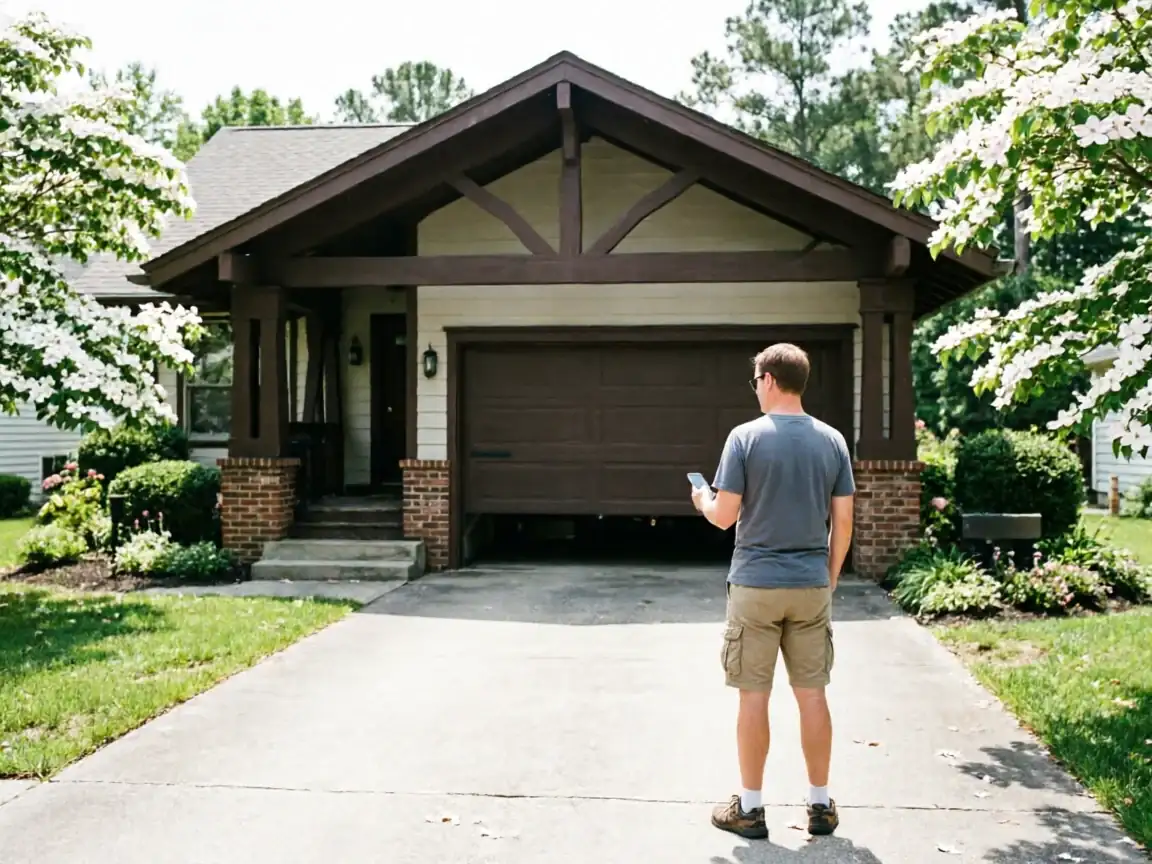
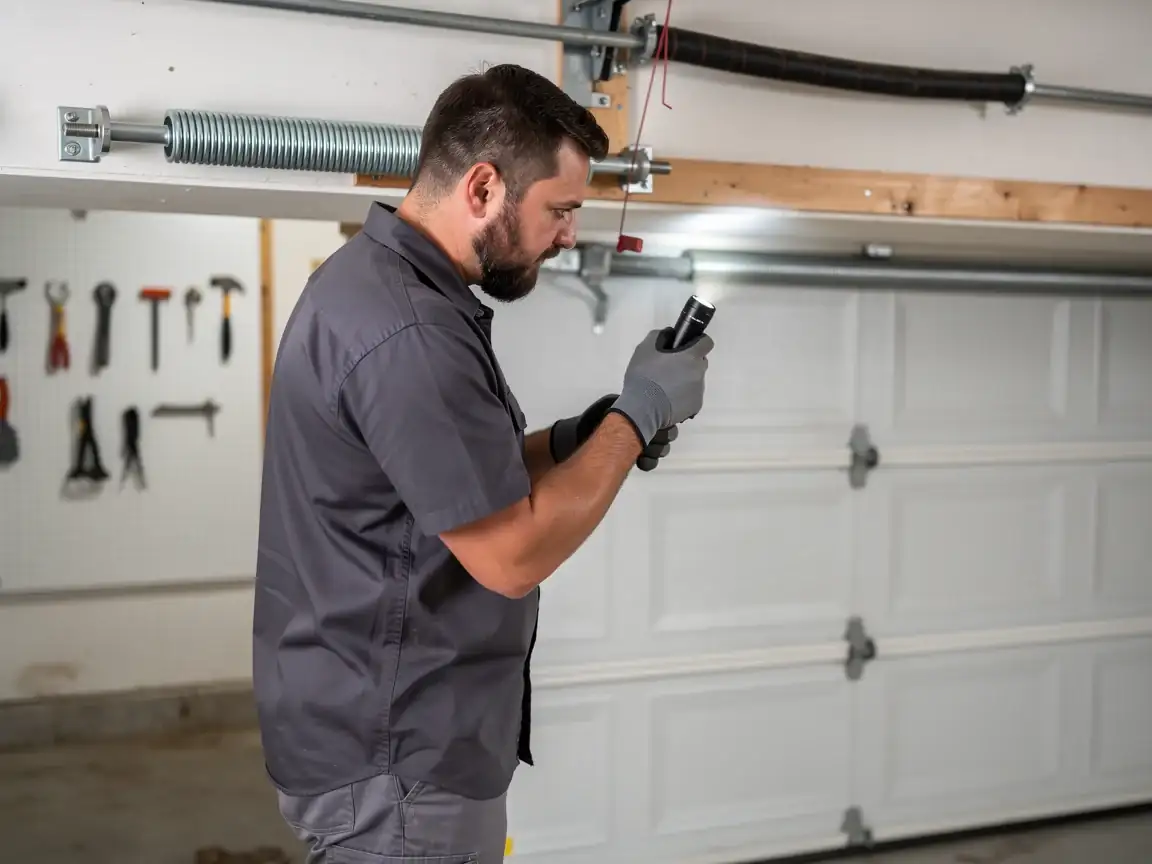
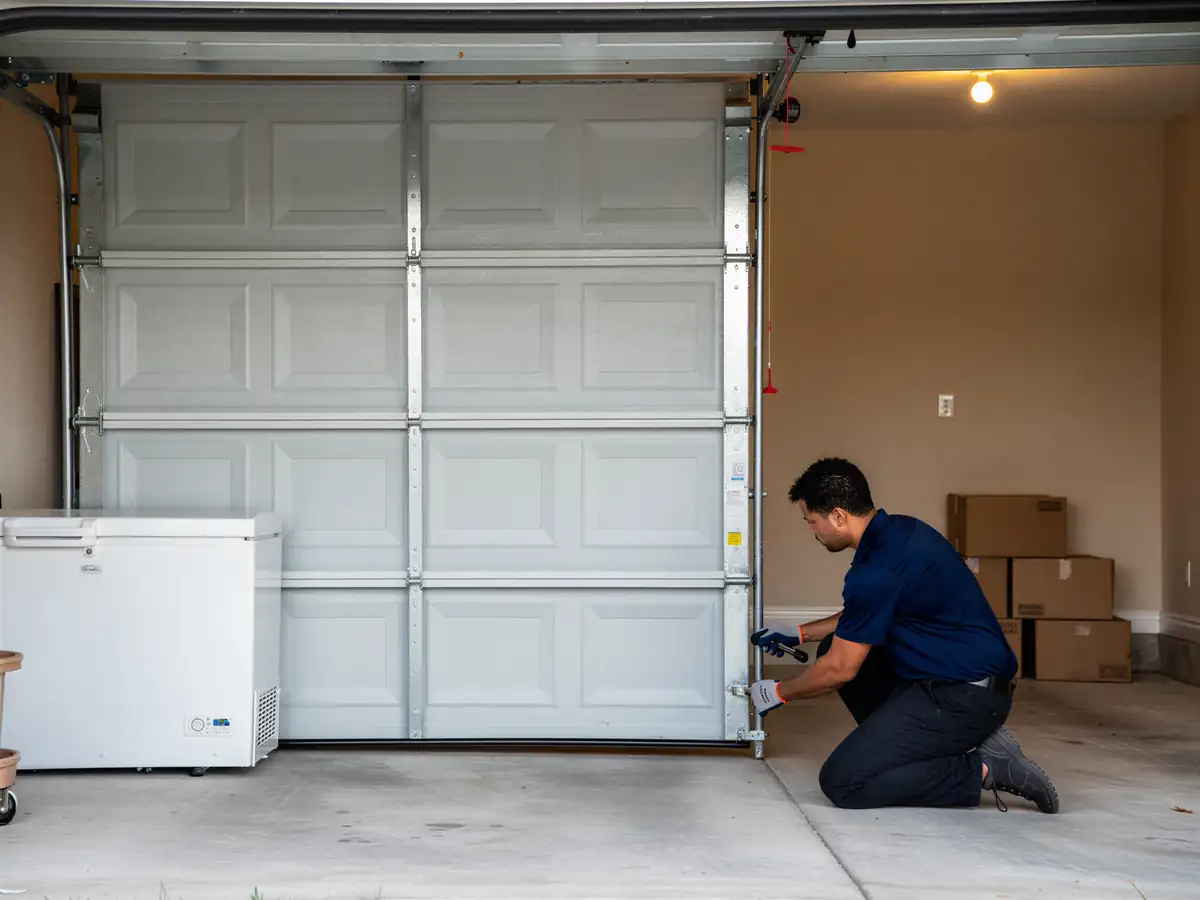
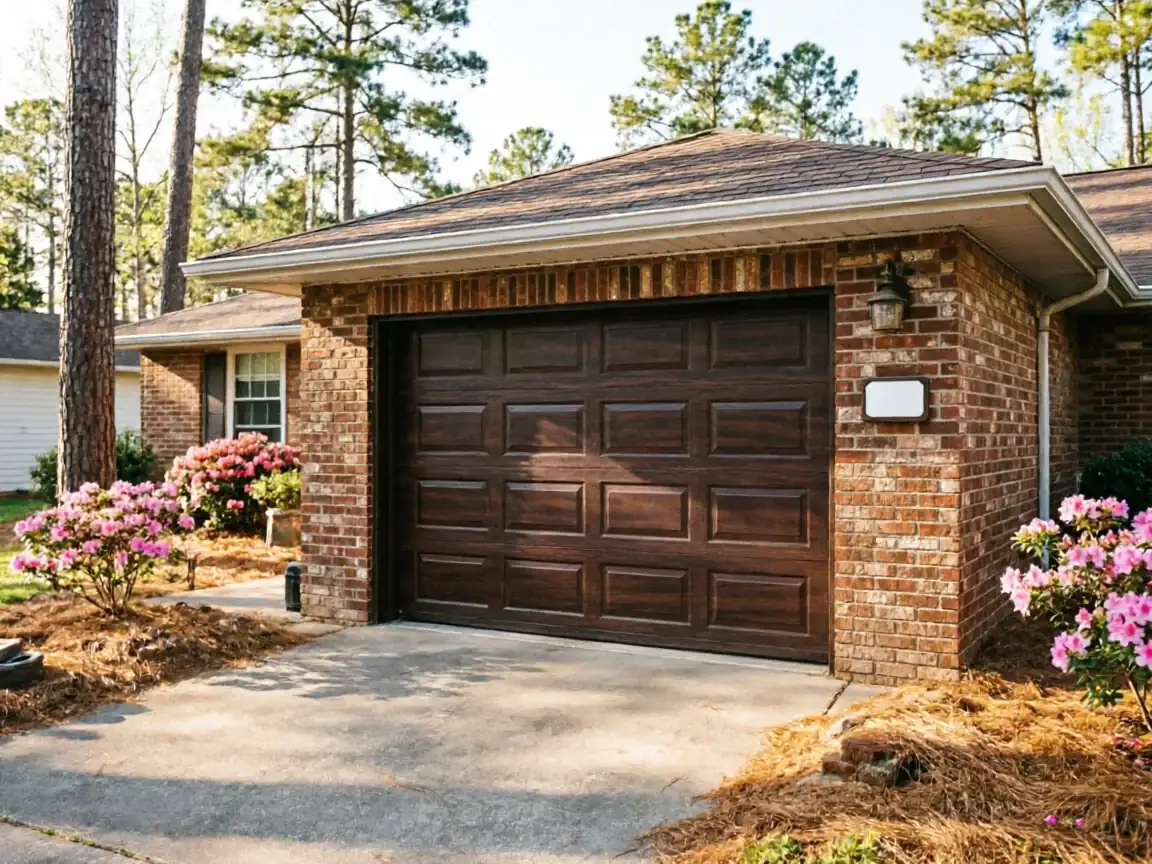
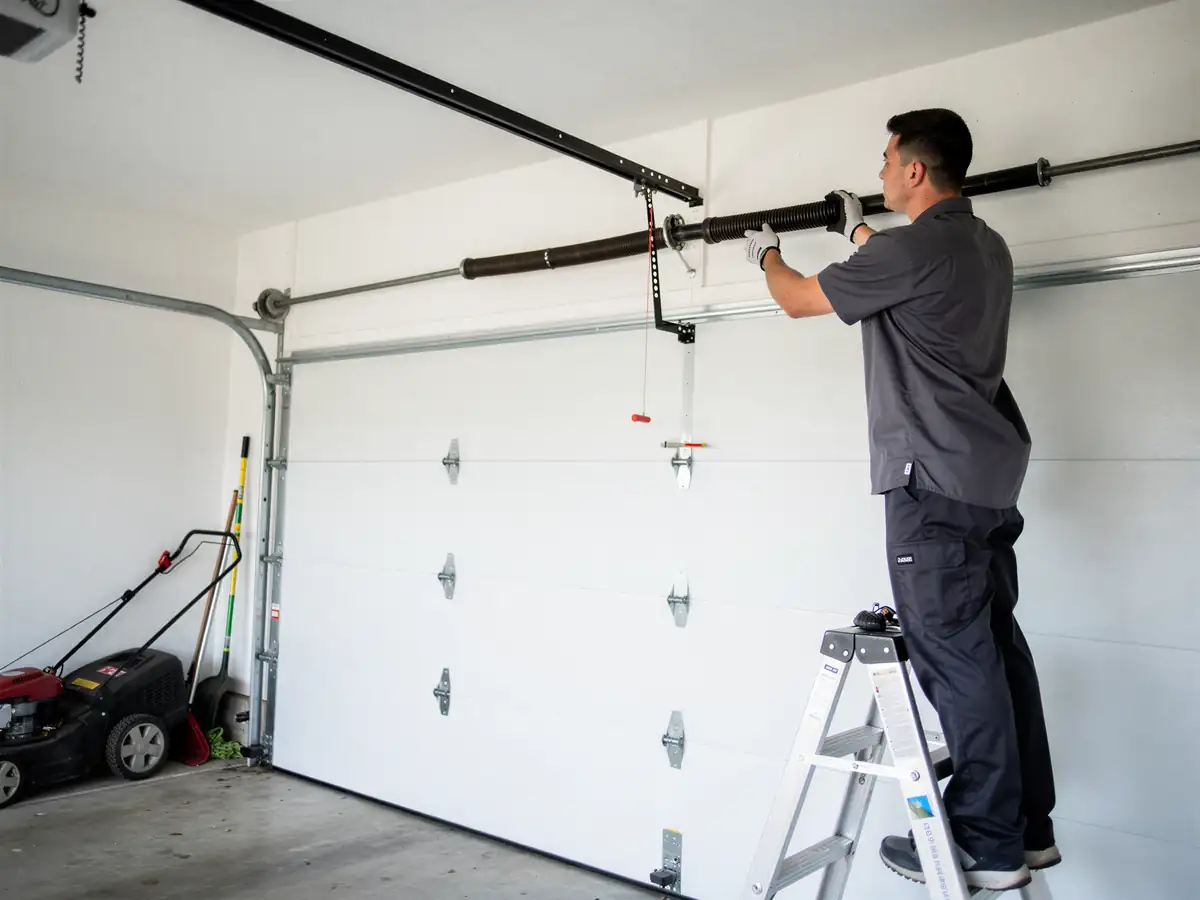
Most of the houses we work on around Memphis went up between 1972 and 2004, with the median landing right around 1990. That matters because a door from that window was built to specs that have since changed twice over - torsion springs sized for lighter steel panels, openers with chain drives nobody services anymore, tracks mounted for a stud spacing that newer framing doesn't use. Across the four main pockets of housing stock we see - 1980s and 90s builds make up the bulk of it - the door itself is rarely the first thing to fail. It's the hardware underneath it: the spring, the rollers, the cable drum. A door panel from 1988 can still be straight and solid while the spring holding it up is twenty years past its rated cycle count. That's the split we're actually diagnosing - not 'is the door old' but 'which part of the old door gave out.'
The Situation
If your house falls in that 1972-2004 band, the door is probably original or a one-time replacement from the 2000s. Original doors from that era are usually single-layer steel, no insulation, and they were never meant to handle an opener upgrade someone bolted on later. We see a lot of doors where the opener outlived its matching hardware by a decade - new motor, same tired spring, same worn rollers riding in a track that's never been realigned. That mismatch is where most of the 'my door won't open' calls start. Fixing it right sometimes means replacing one part and leaving the rest; sometimes the door itself is too far gone on insulation and weight balance to make a single-part fix worth the labor. We'll tell you straight which one you're looking at before we quote anything.
Where People Go Wrong
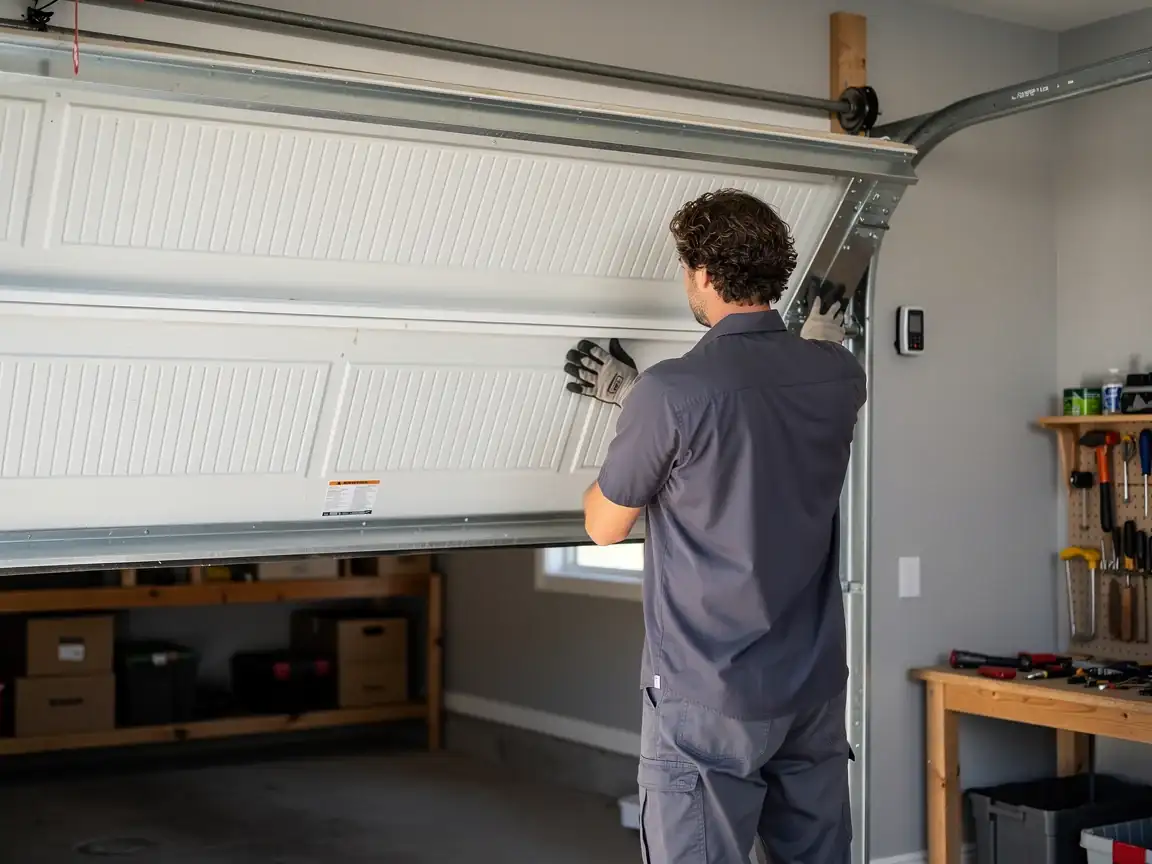
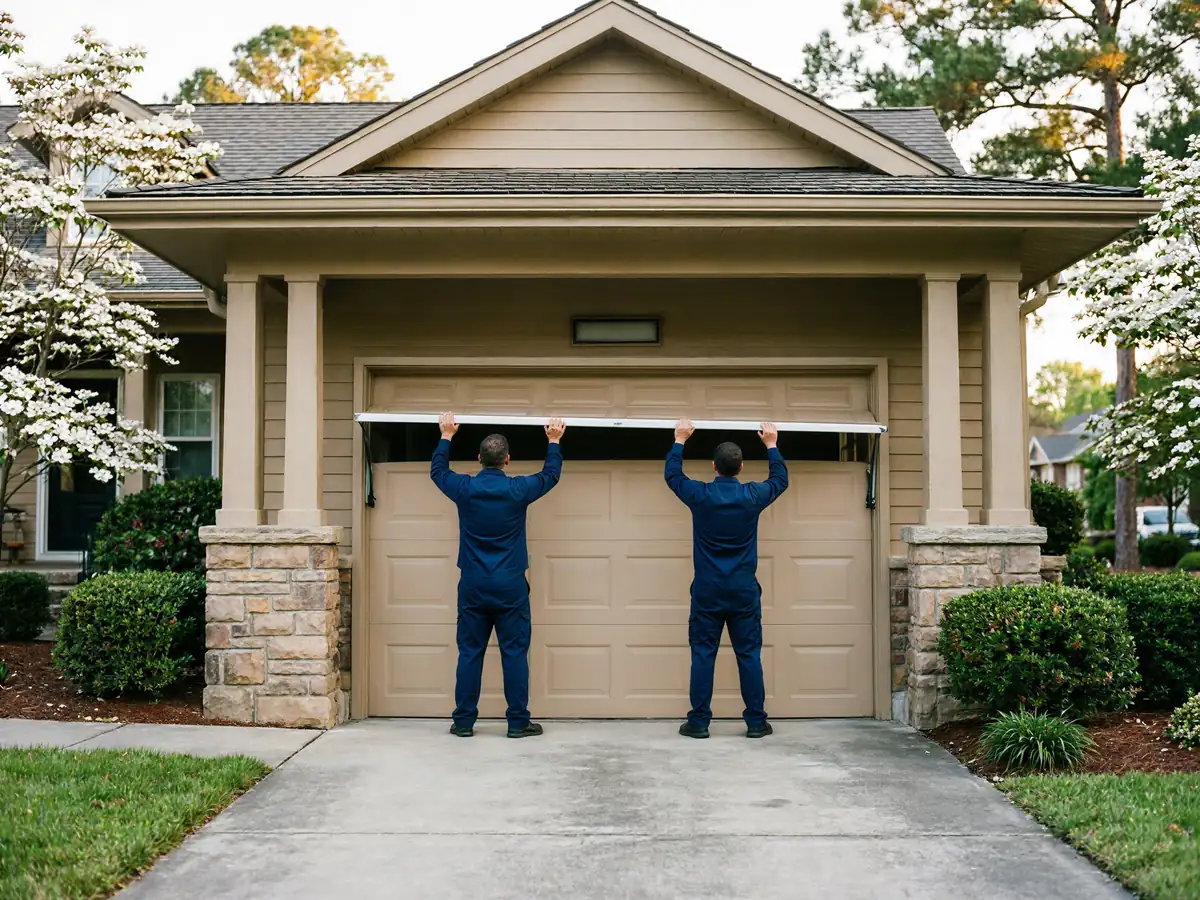
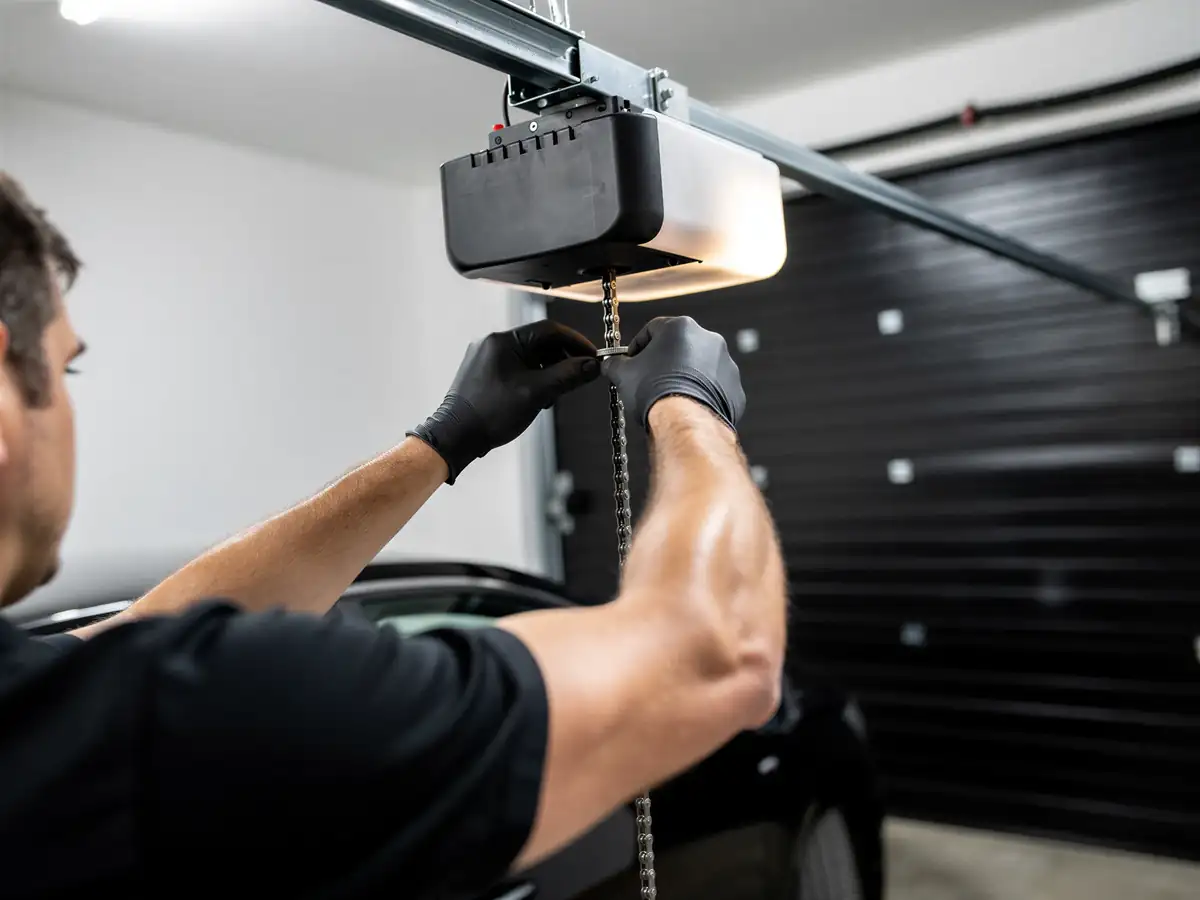
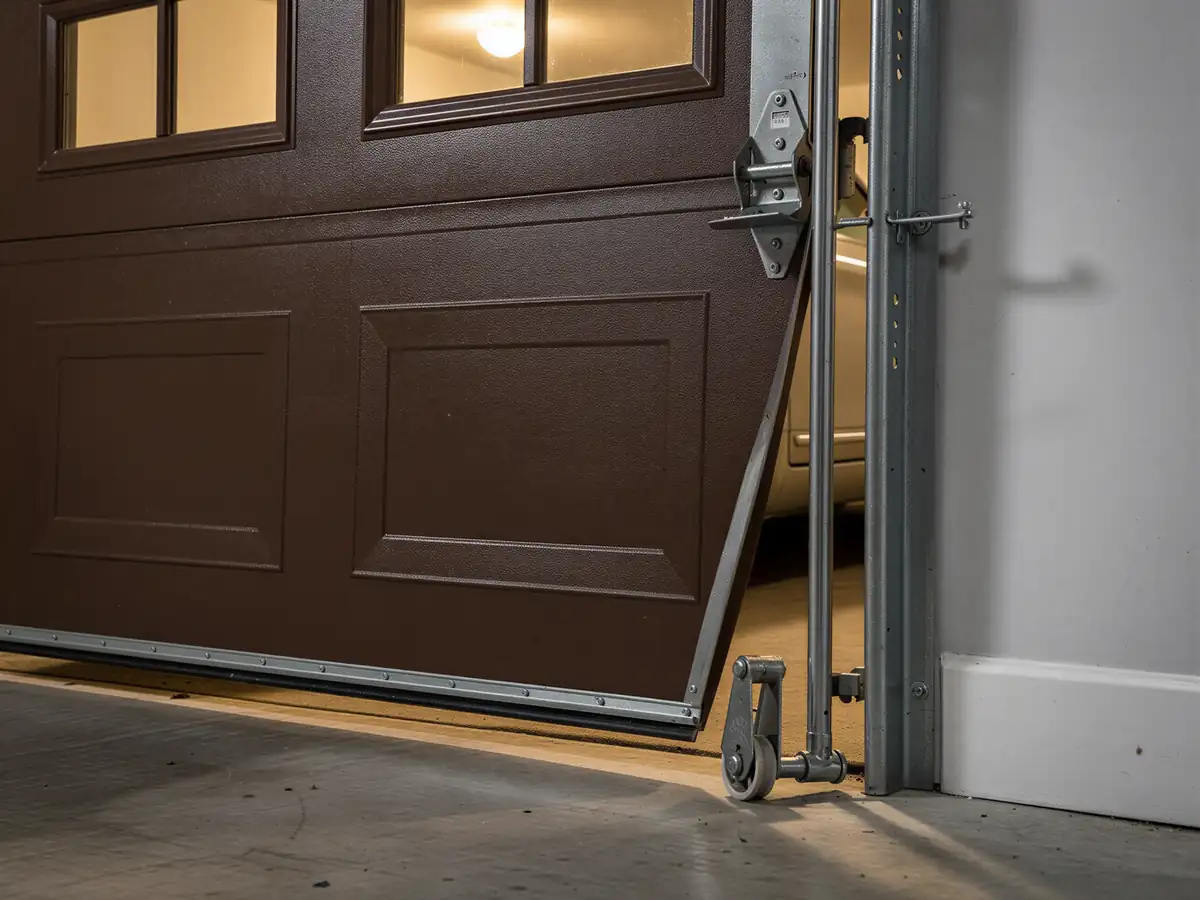
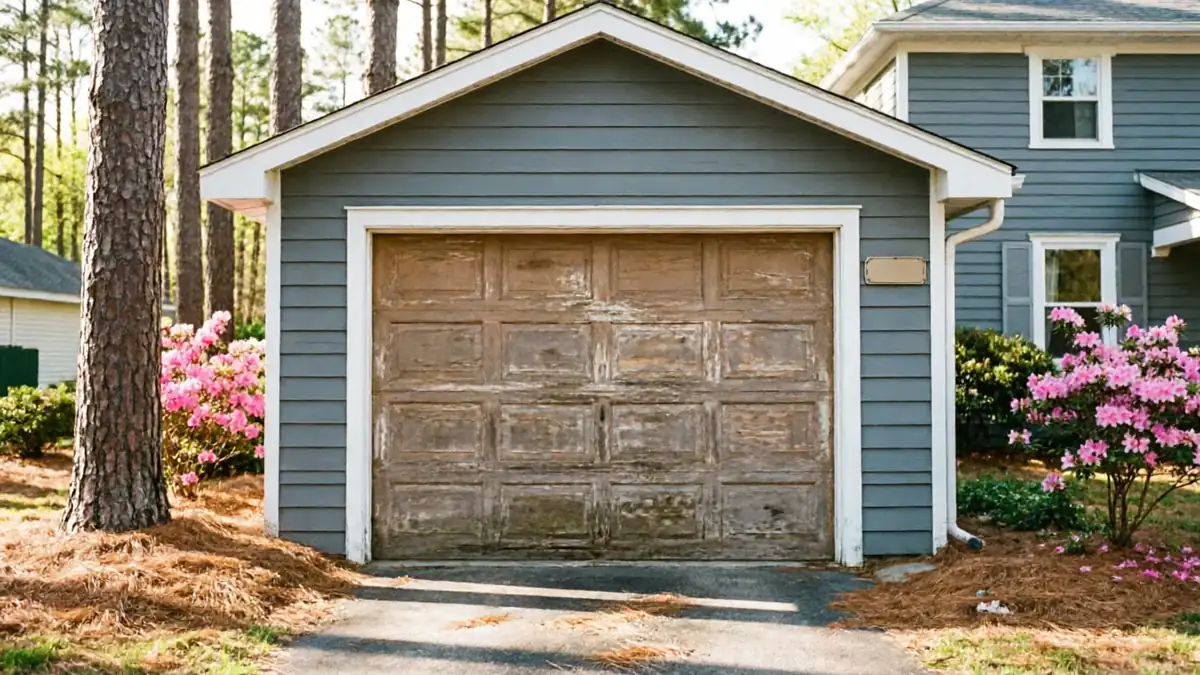
The mistake we see most with older Memphis doors is swapping the opener and calling it fixed. A new opener on a worn-out spring and rollers just means a stronger motor fighting bad hardware - it'll run louder and burn out faster. The other mistake is the reverse: replacing the spring on a door that's structurally sagged, where the panels themselves have racked out of square after thirty-plus years. At that point a new spring buys you a few months before something else in the same door gives out. Honest answer: if the door is original to a house built in the early 1970s or 80s and the bottom panel shows rot or heavy denting along with the hardware wear, replacement usually costs less over five years than a string of repairs. We'll say so even when it means a smaller job for us that day.