What It Costs
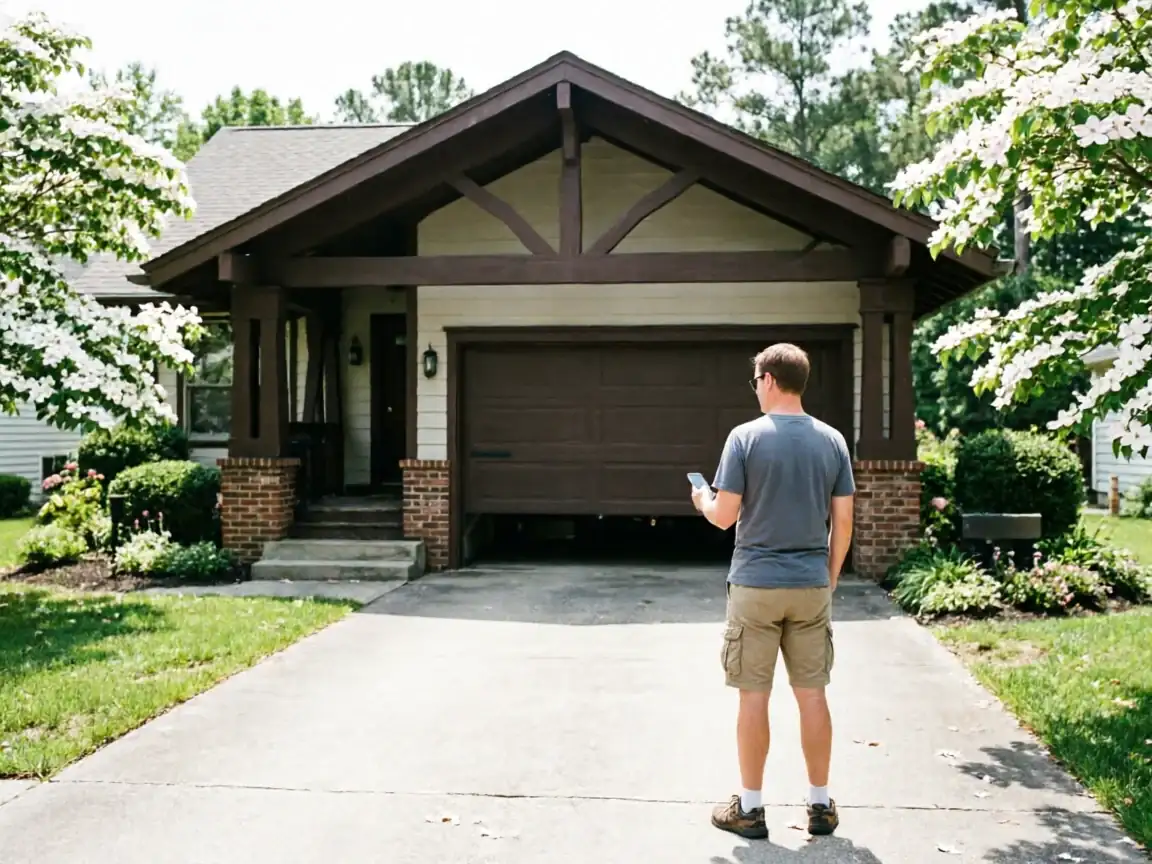
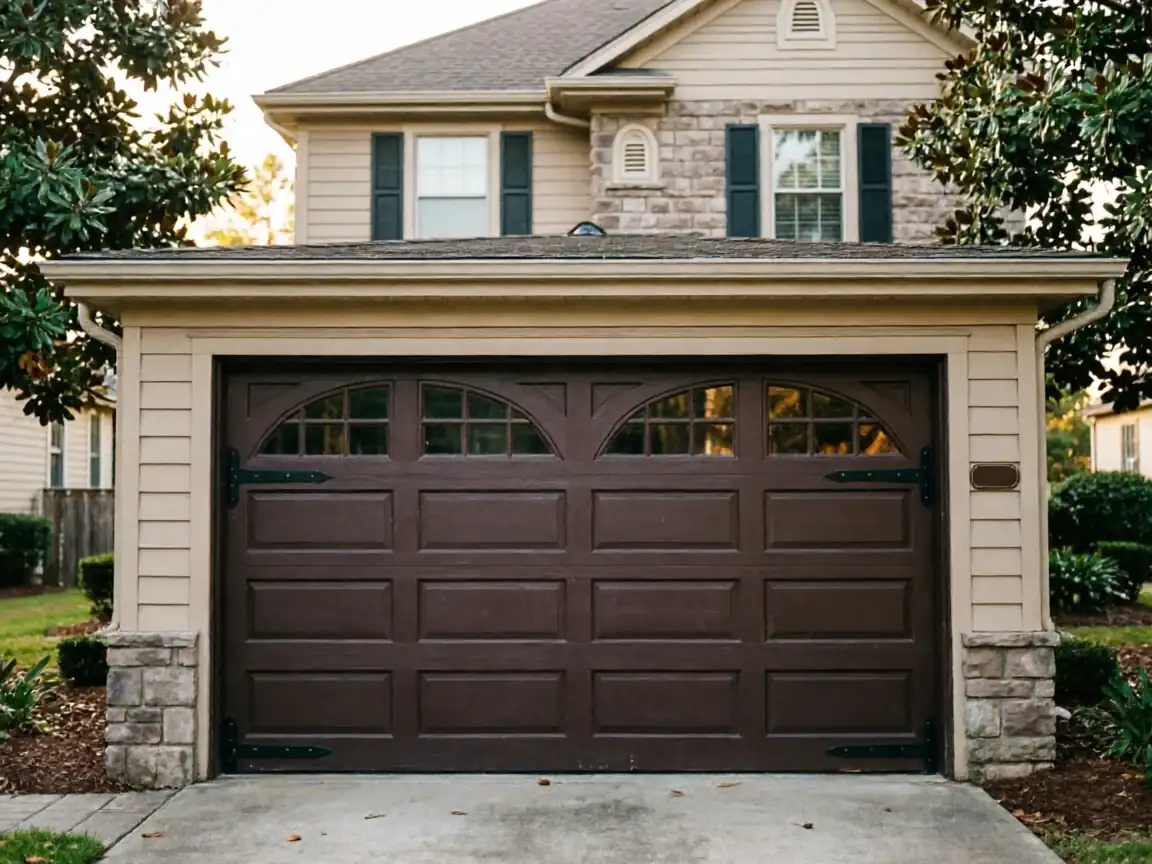
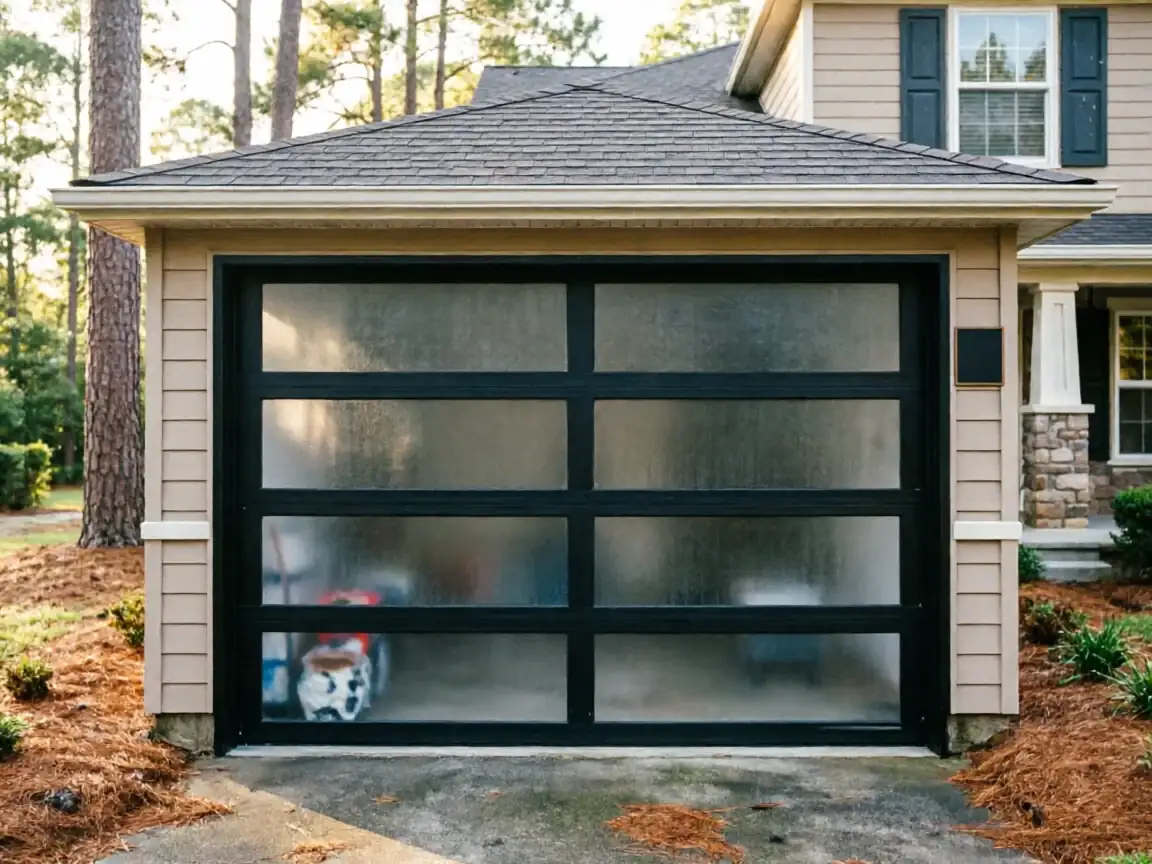
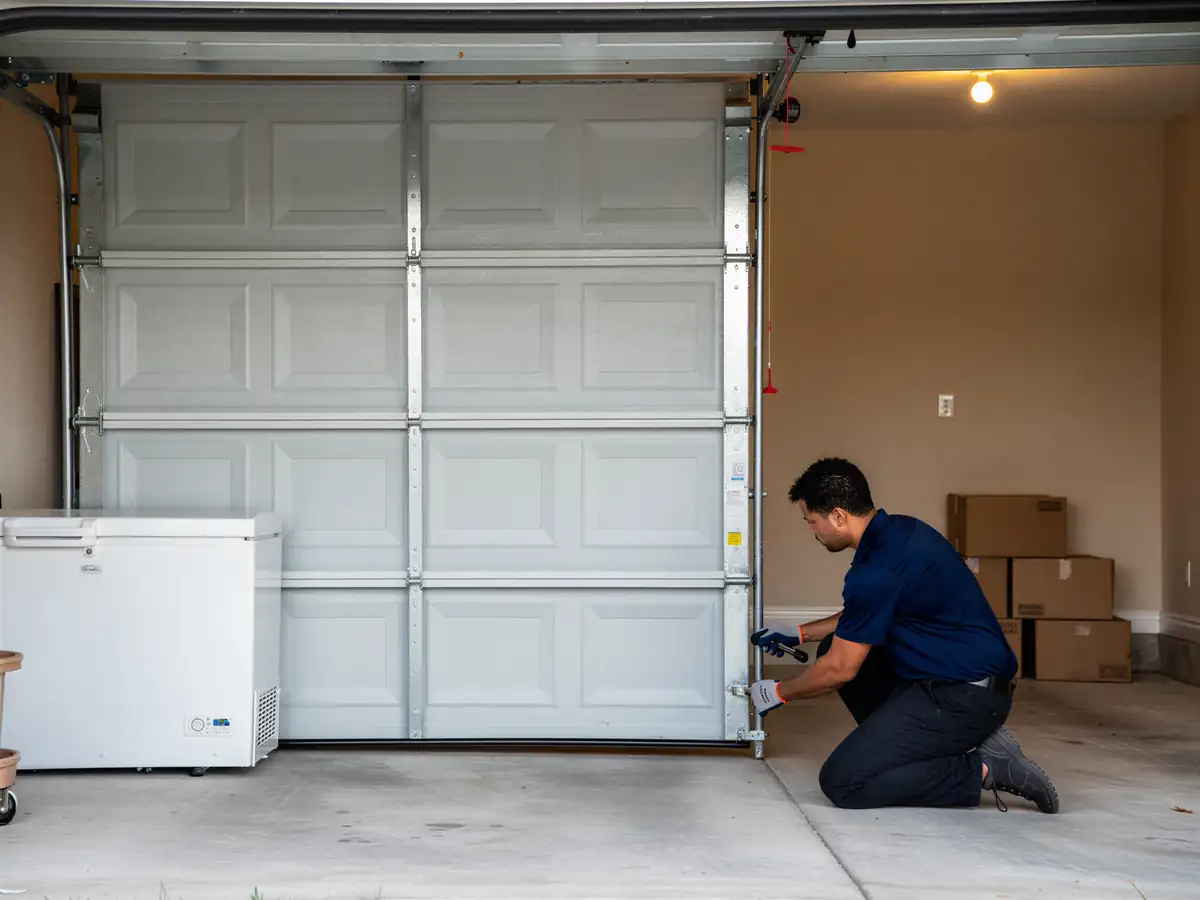
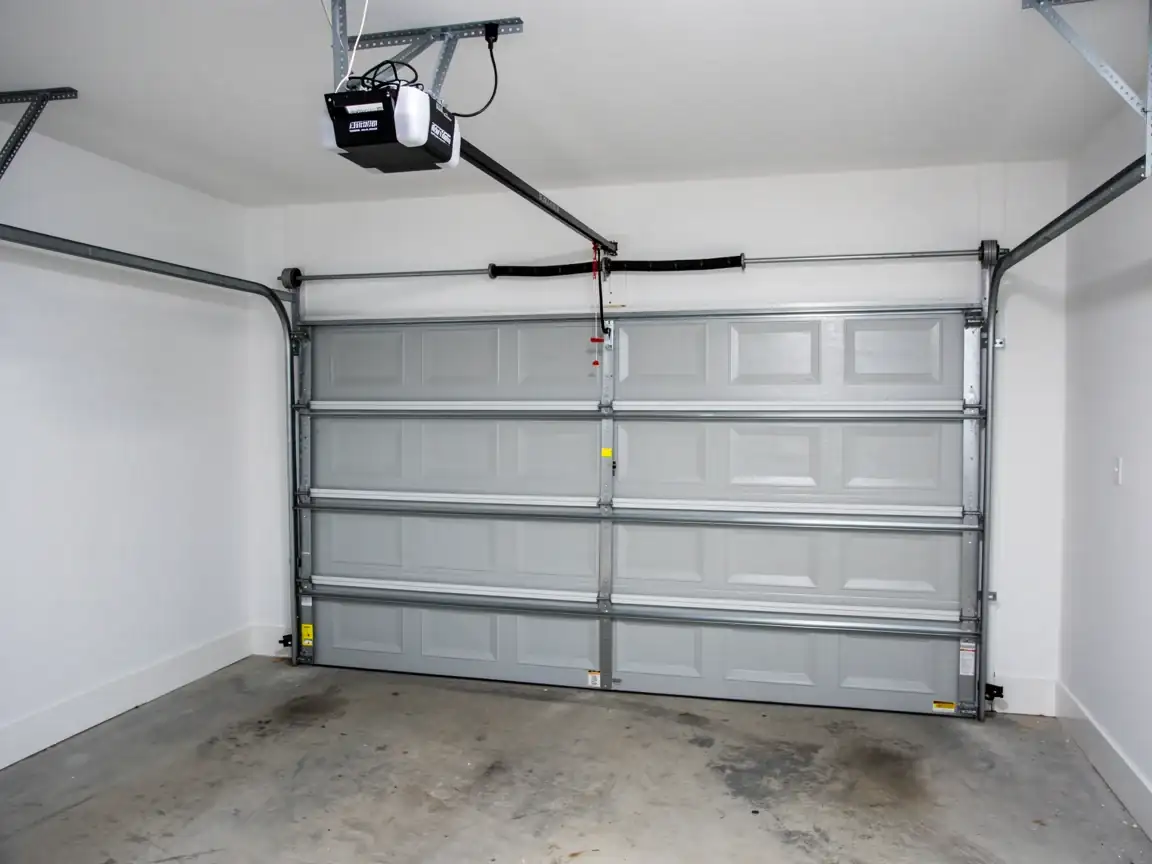
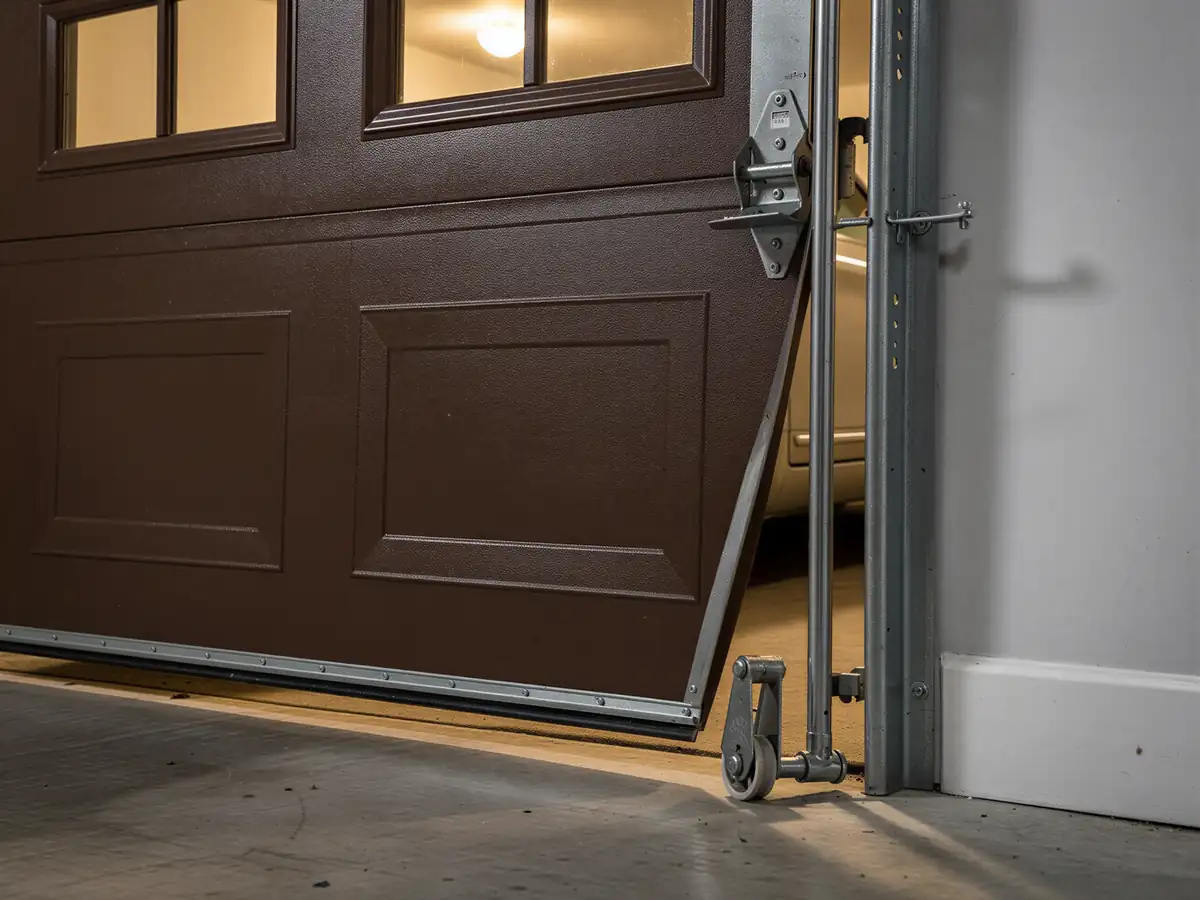
We're not going to list a number here that doesn't hold up once a tech is standing in your driveway, because spring repair cost swings on things we can't see from a phone call: torsion versus extension setup, single door versus double, whether the drums or cables came with the spring or need replacing too, and whether the opener's travel settings get thrown off in the process. What we can tell you is what moves the price. A single torsion spring on a one-car door is a different job than a matched pair on a 16-foot double door carrying a heavier insulated panel. If the cable frayed when the spring let go, or a bottom bracket got bent, that adds parts and time. Across this service area, with roughly 21,201 owner-occupied houses and a median household income near $119,876, most of what we quote falls into a predictable range once we've looked at the door - but predictable isn't the same as fixed, and we'd rather tell you that straight than throw out a figure that doesn't match your door.
What Causes It Around Here
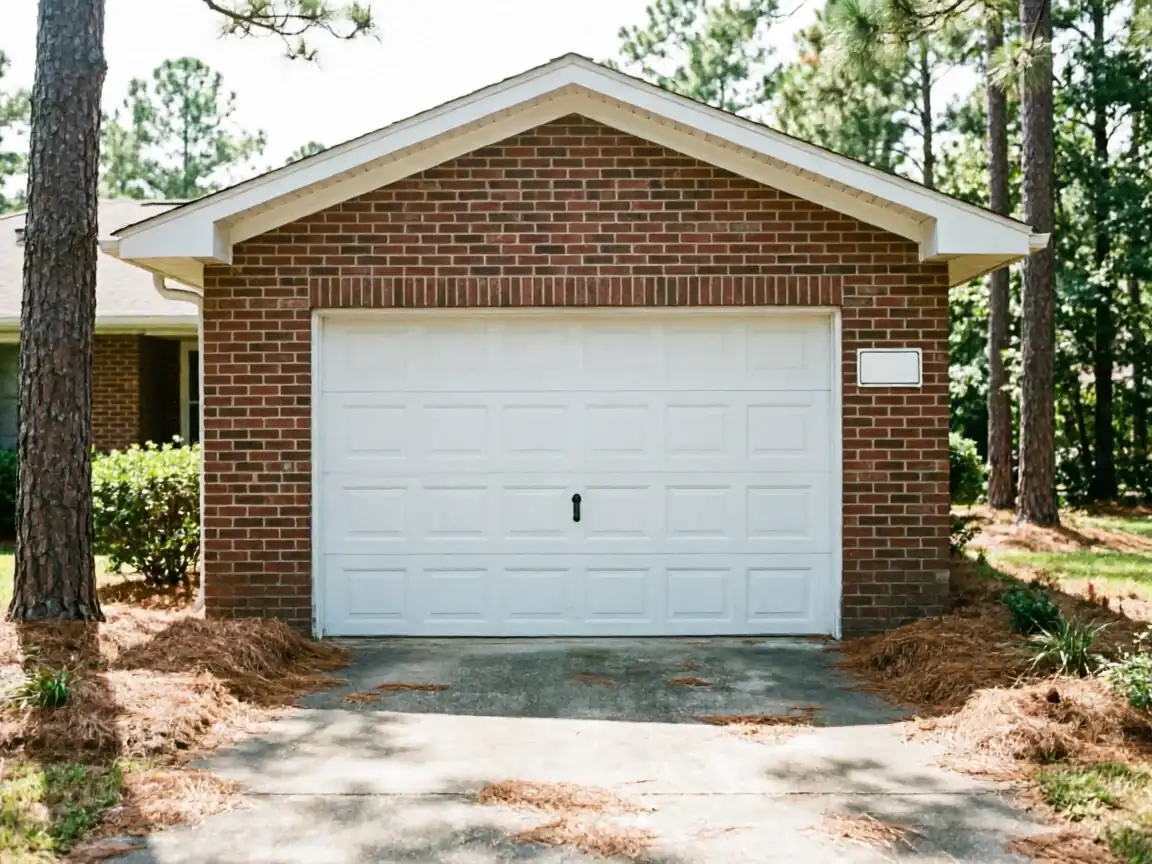
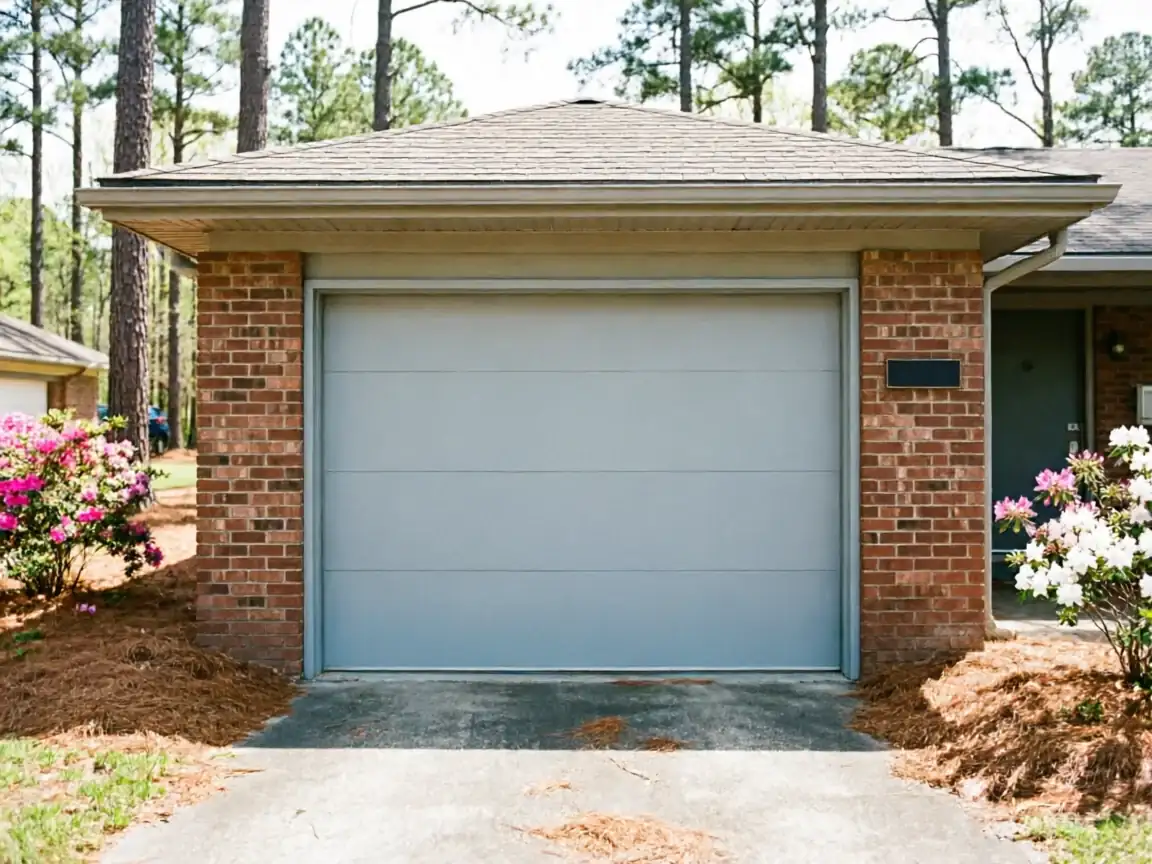
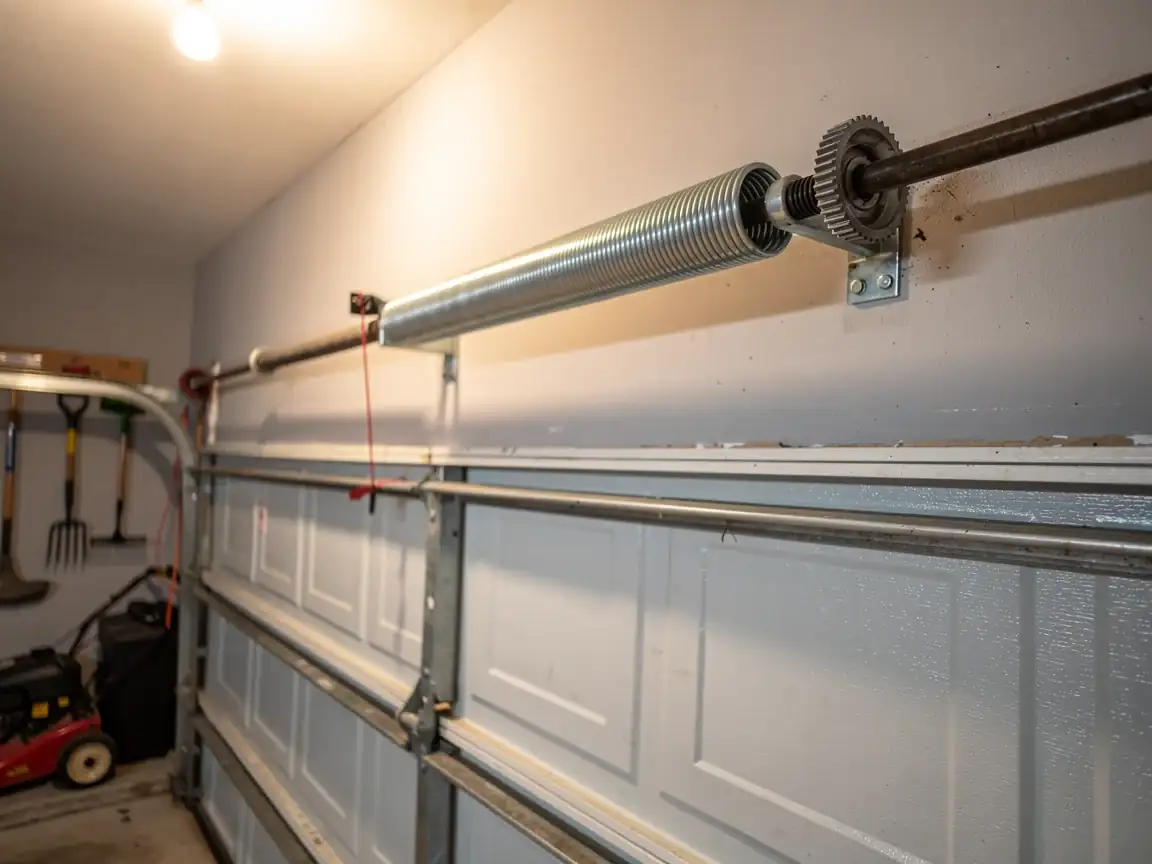
Housing across this service area mostly went up between 1972 and 2004, with the median build year landing around 1990, and that one fact explains most of the spring calls we get. A torsion spring has a rated cycle life - usually somewhere around 10,000 open-and-close cycles - and a spring installed when a house was built in the late '80s or '90s has had three decades to use those cycles up. Across the four main pockets of 1980s-90s stock in this area, that's a lot of original hardware still hanging on the header, one cycle away from letting go. Add Memphis's cold-moderate climate swing into that: steel contracts in winter cold snaps and expands again as temperatures climb through the year, and that repeated flex is exactly what fatigues a spring that's already near the end of its rated life. It's not dramatic weather that does it - it's the ordinary hot-to-cold cycle, year after year, working on metal that was never built to last forever in the first place.
Doing It Yourself
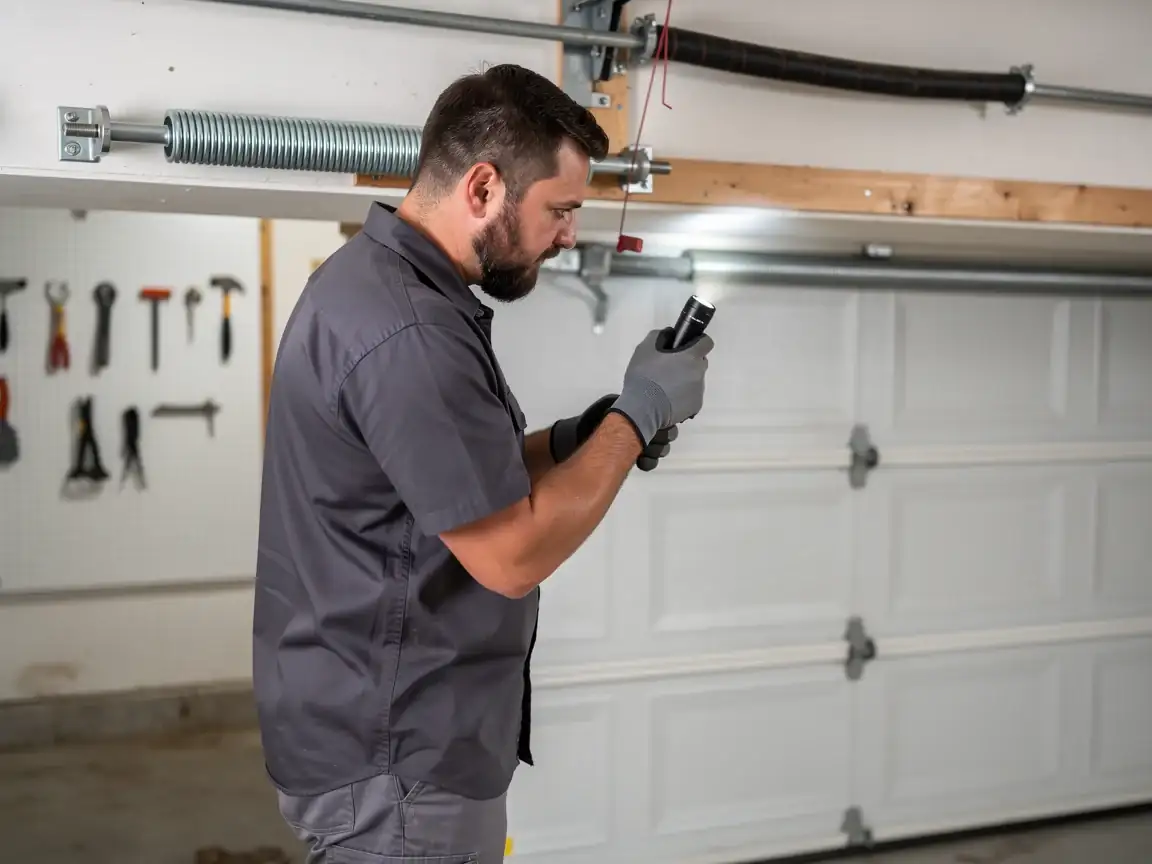
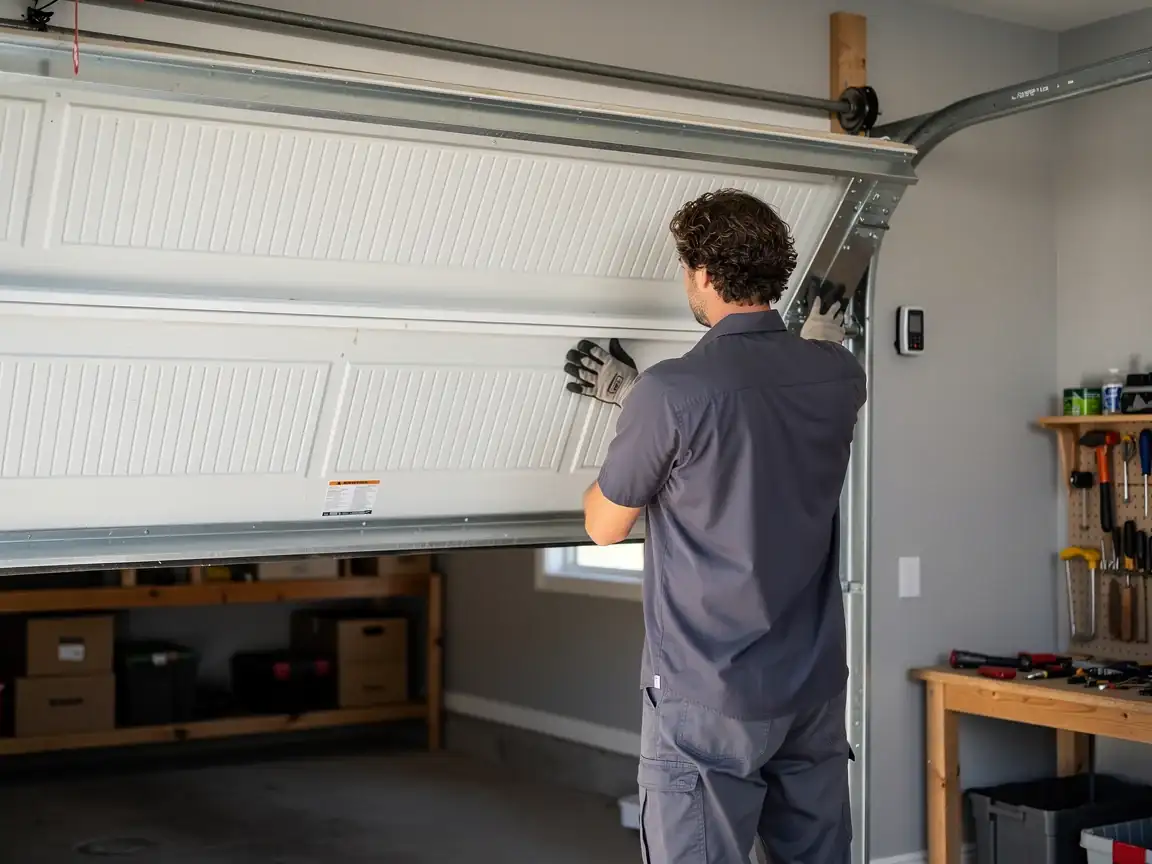
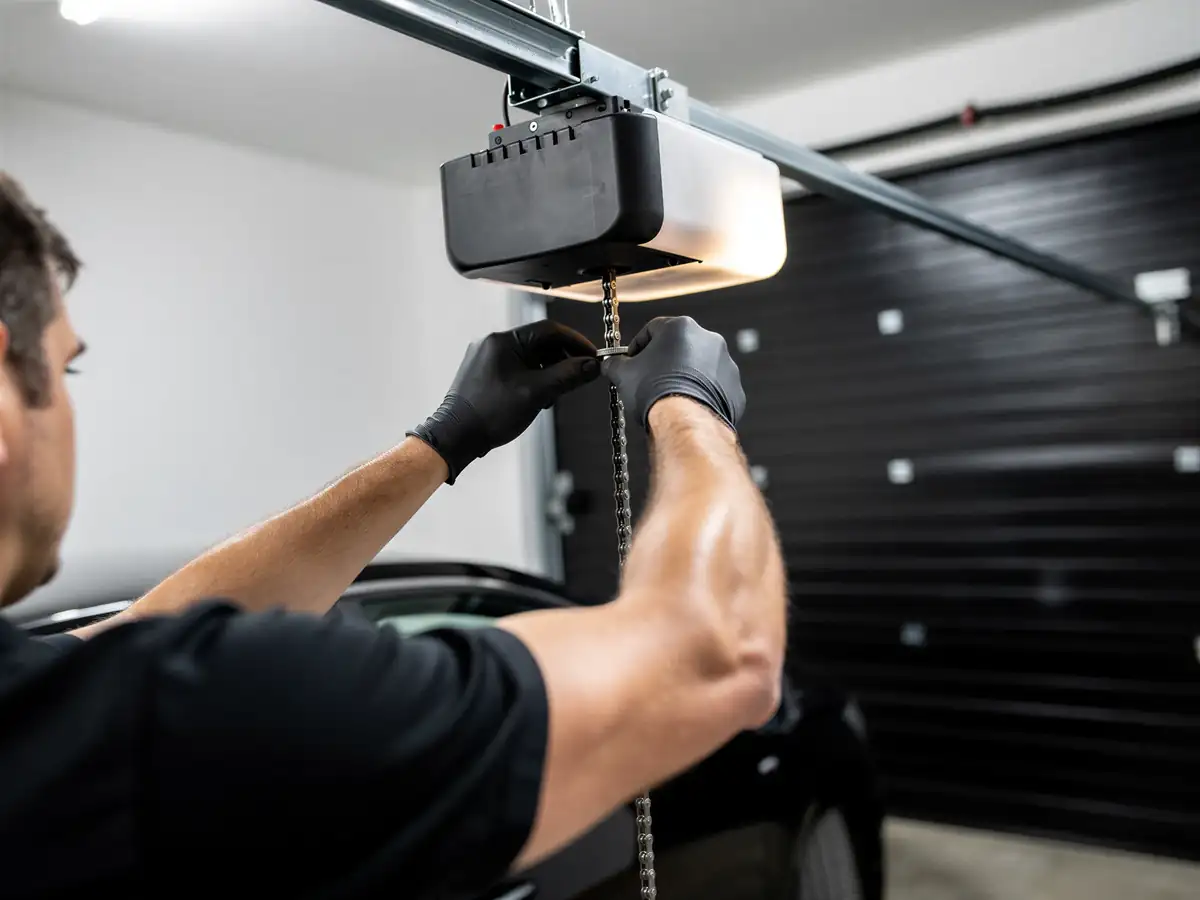
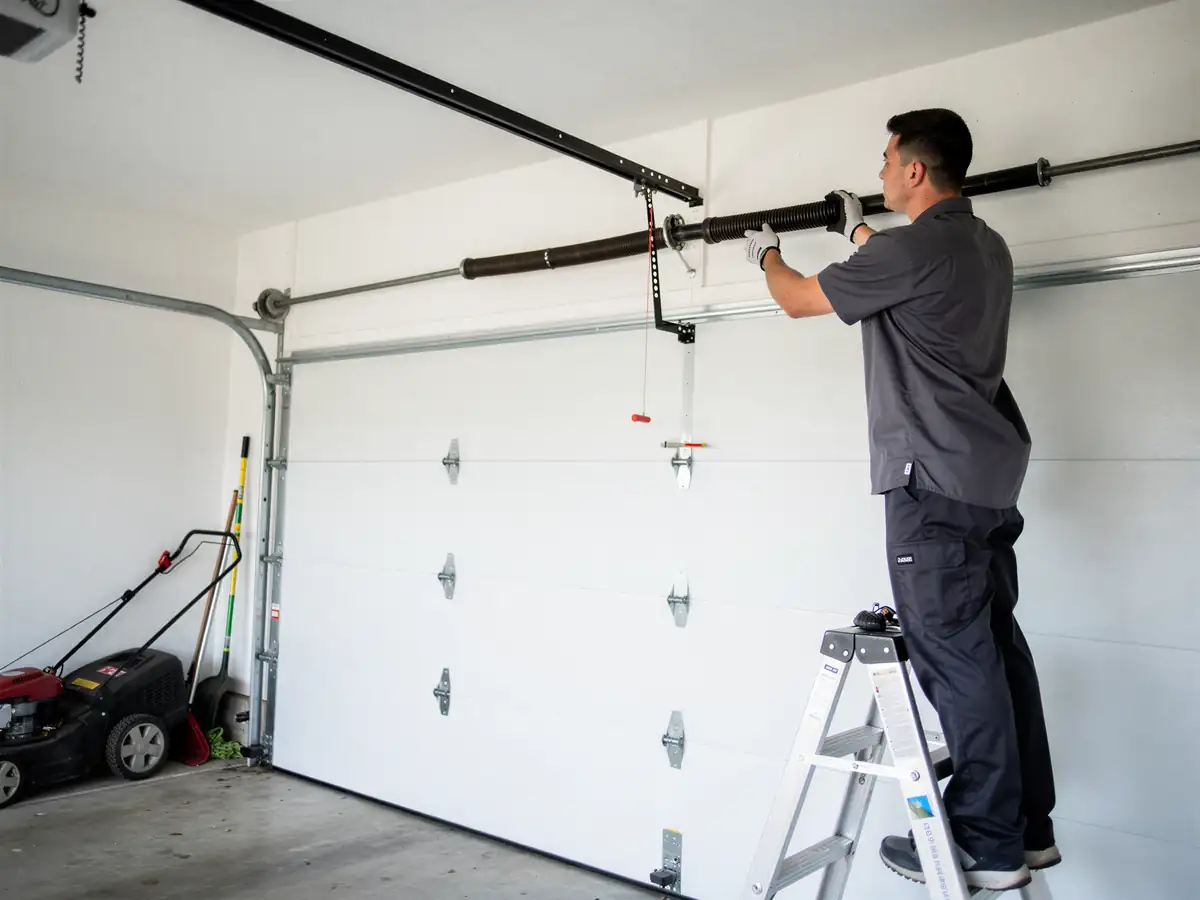
We'll say this plainly: a torsion spring is under enough stored tension to cause a serious injury, and it is not a job to learn on your own garage. The winding bars, the tension measurement, the bracket work - all of it is specific to the spring size and door weight, and getting it wrong doesn't just mean a bad repair, it means a trip to the ER. Extension springs carry less stored force but still enough to hurt you if the safety cable isn't in place and the spring lets go. What you can safely do yourself: check the spring visually for a gap or stretch, listen for grinding or new noise from the opener, and if the door's gotten noticeably heavier to lift by hand, stop using the opener and call it in before a cable or opener drive gear takes the strain too and turns a spring job into something bigger.