What It Costs
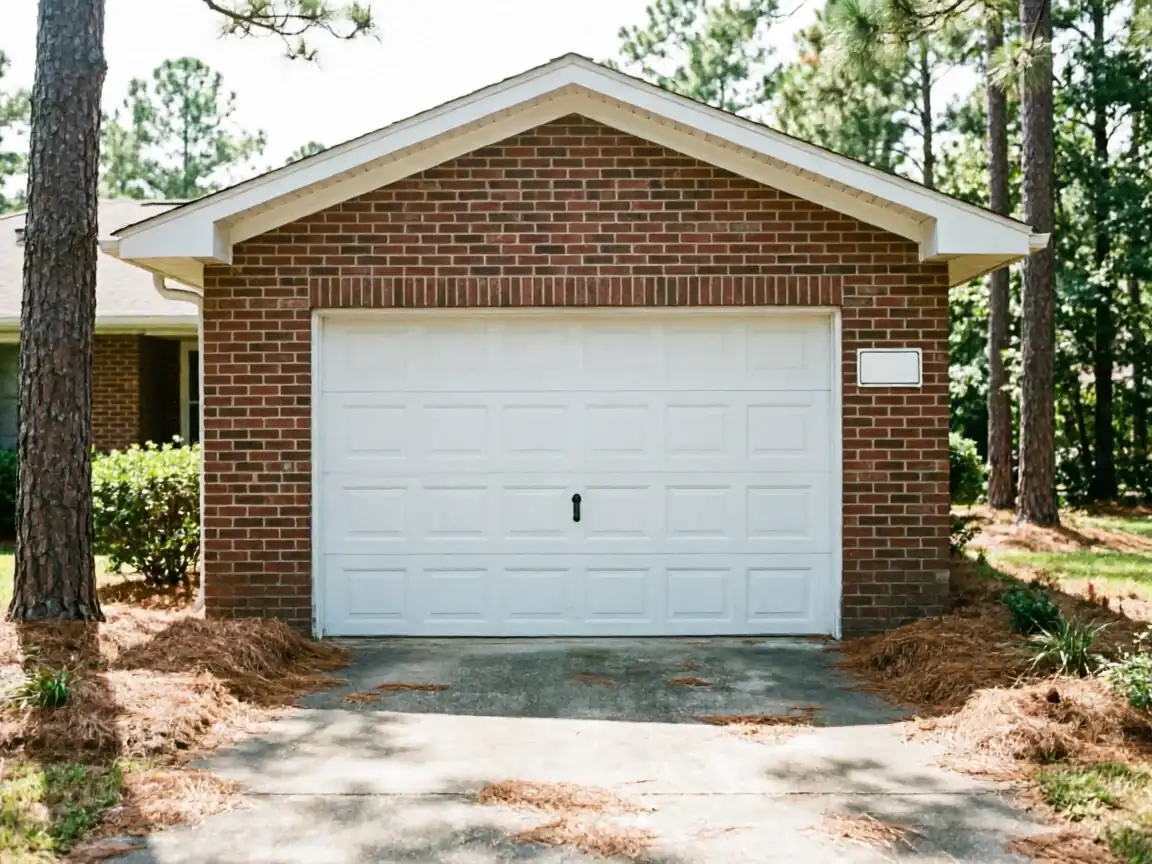
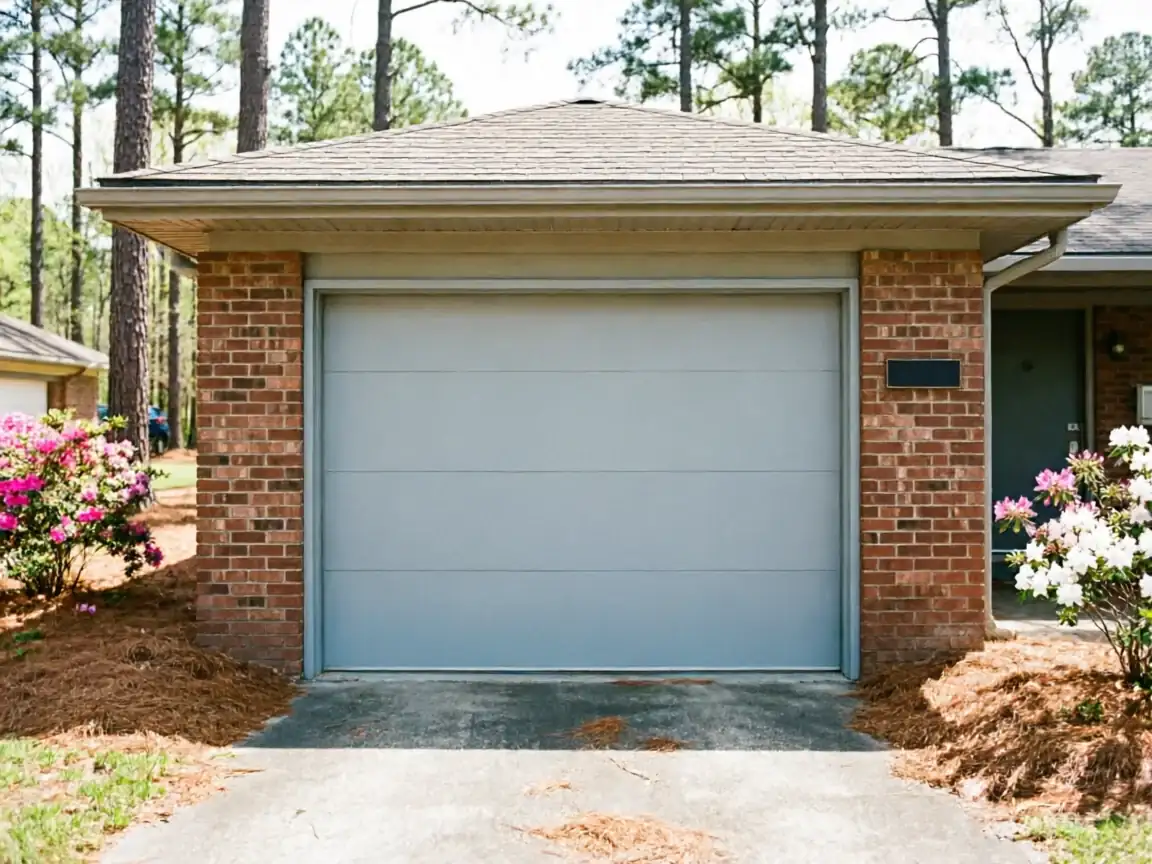
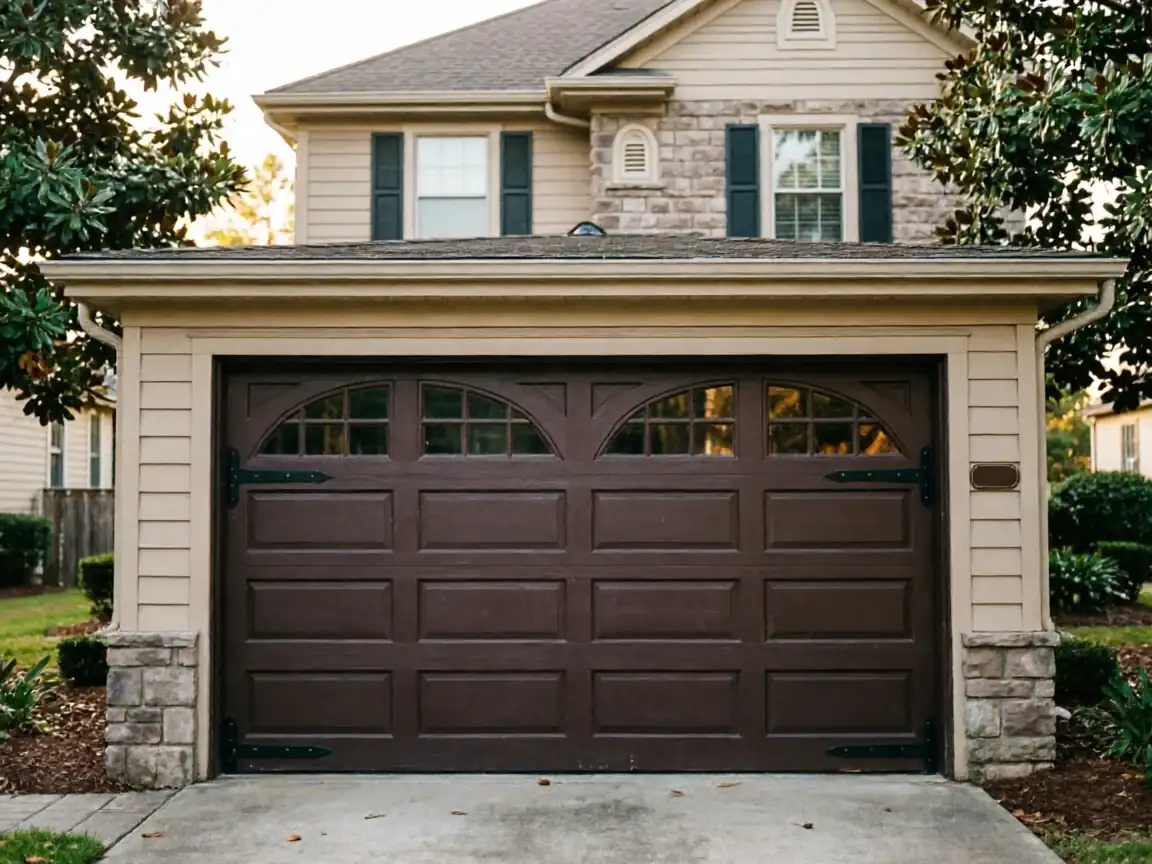
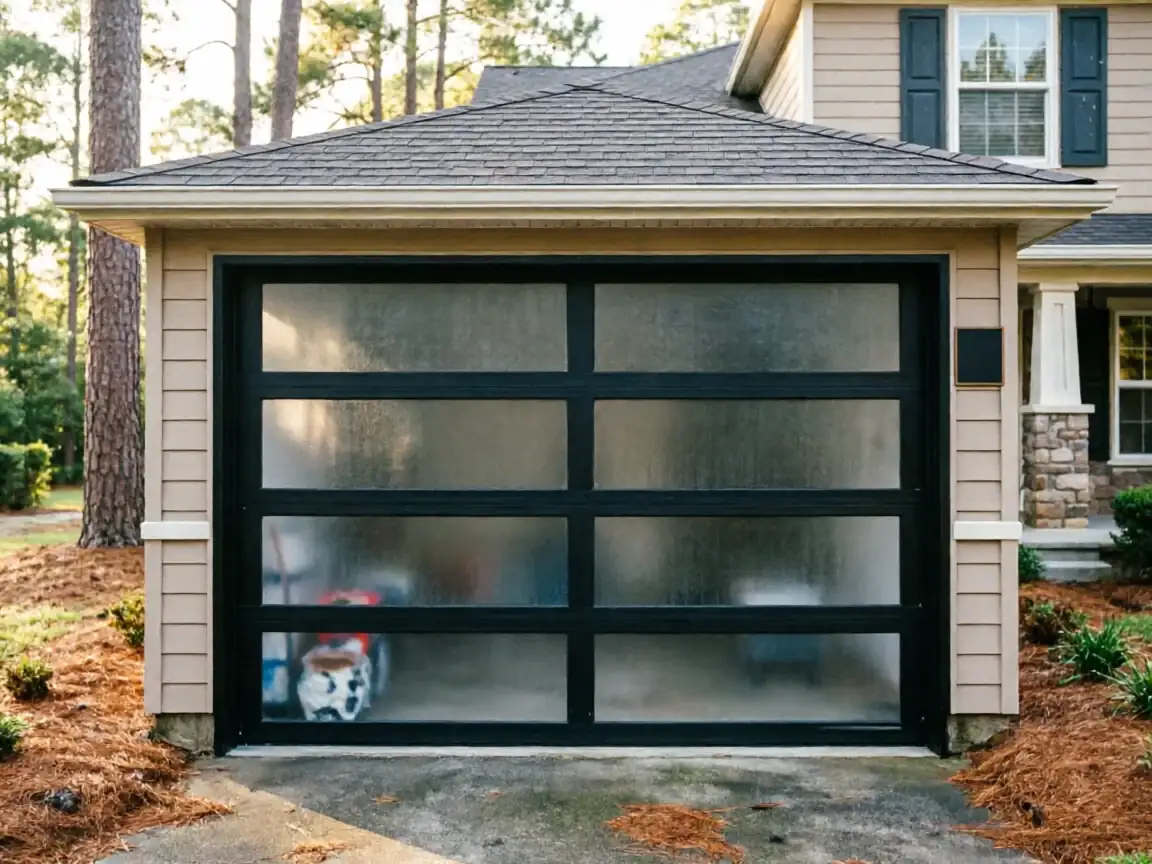
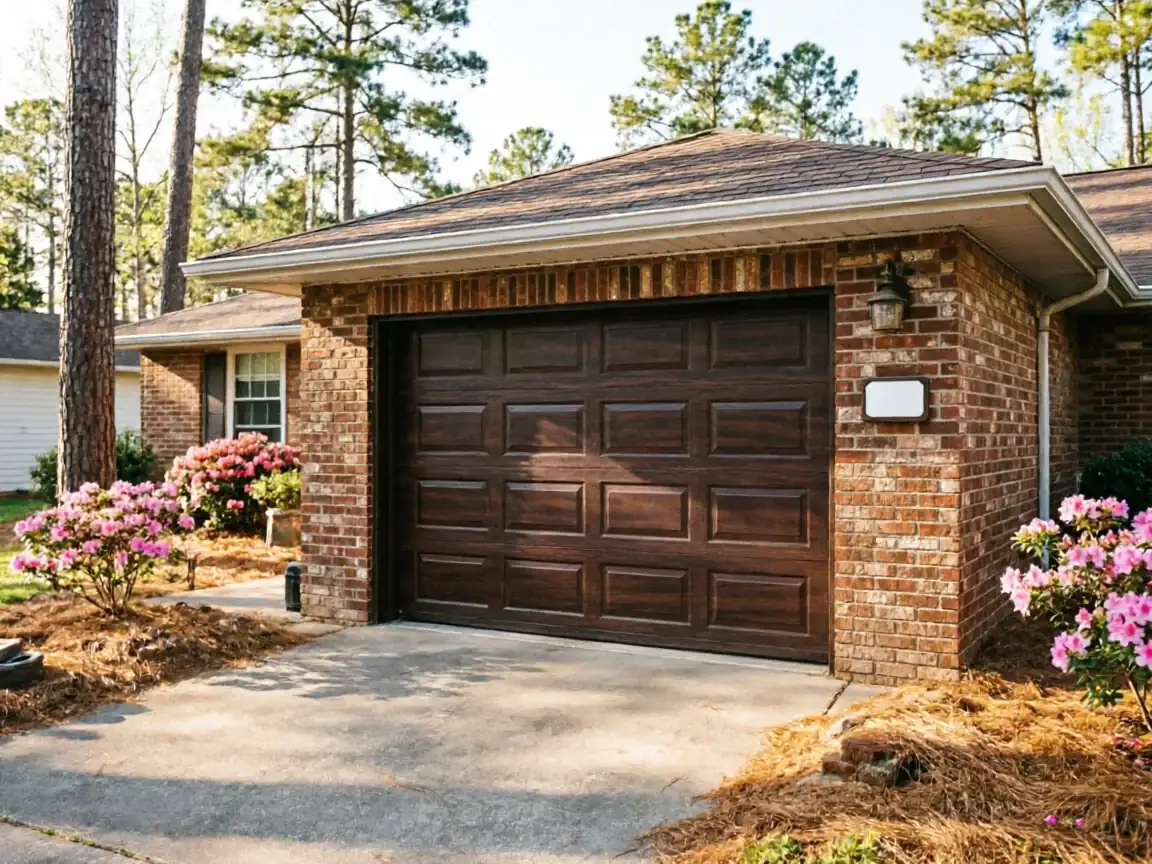
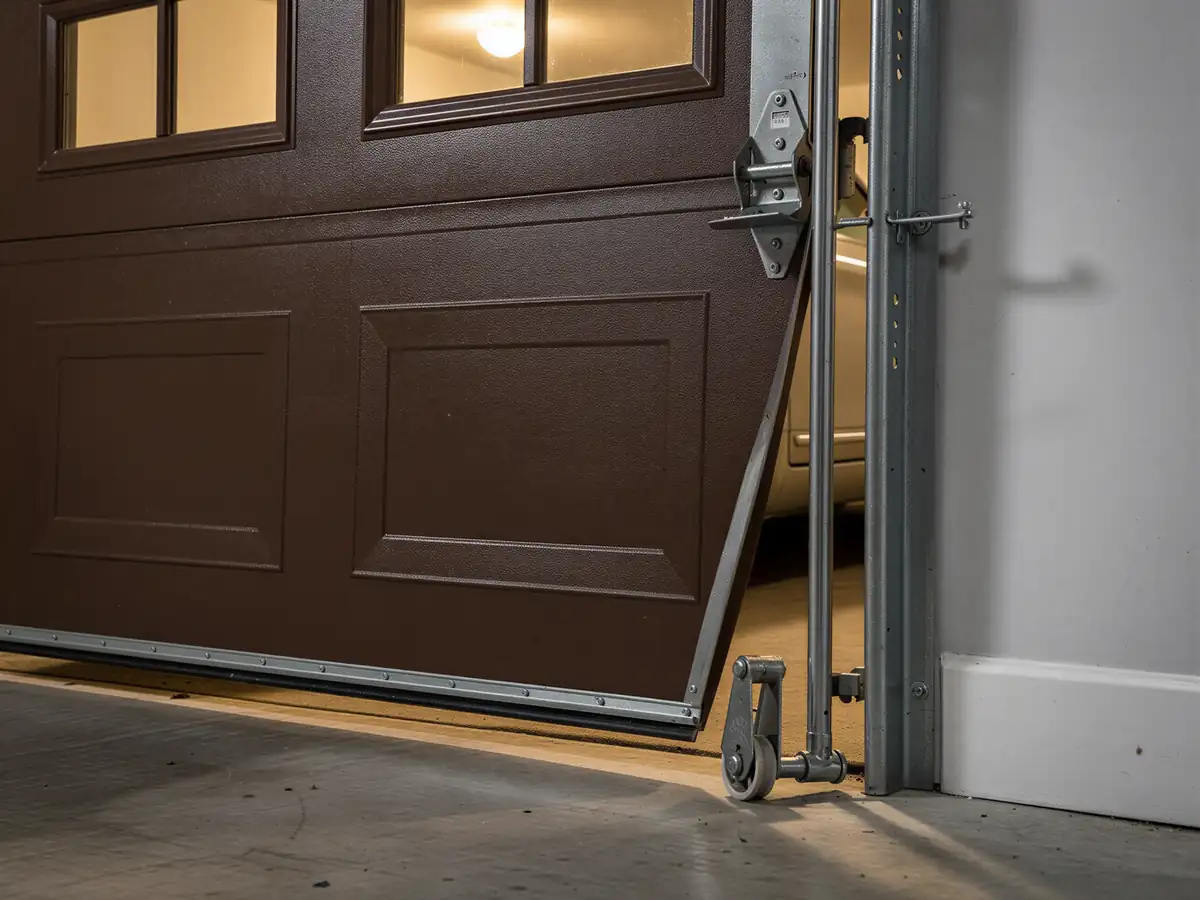
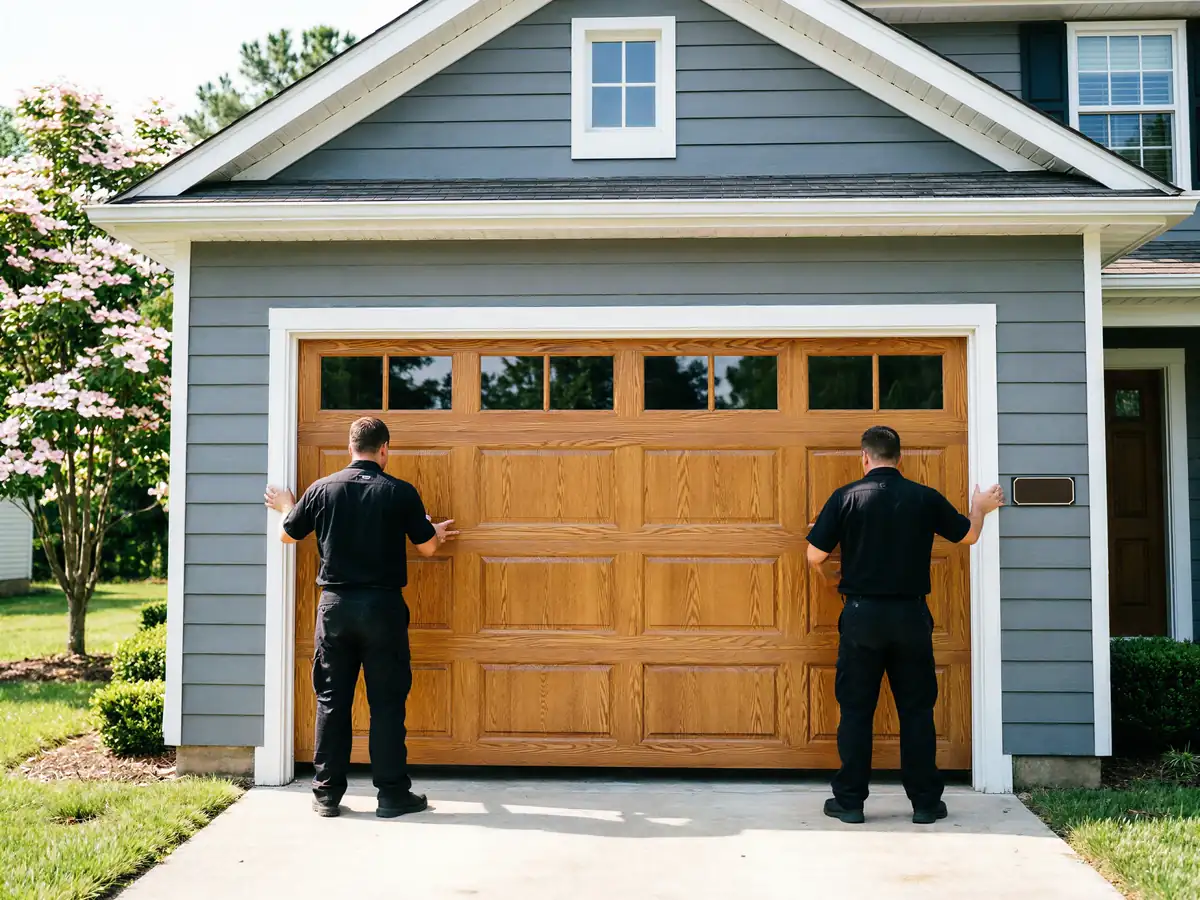
We're not going to throw a number at you here, because panel replacement pricing depends on things we can't guess from a webpage: whether your door is a standard raised-panel steel design or something custom, whether the track and hinges on that section are still square, and whether the manufacturer still makes a matching panel at all. Doors built in the 1980s and 90s - which covers most of the housing stock across Memphis's four main residential areas - often used panel profiles that have since been discontinued or changed slightly in width and ridge pattern. That mismatch is usually the real cost driver, not the labor. A single dented section on a newer door is a straightforward swap. The same dent on an older door sometimes means replacing two or three adjacent panels just to get a color and profile match, or living with a visible seam. We'll tell you which situation you're in before we quote anything, and we won't sell you a full door replacement if a section repair will hold.
What Causes It Around Here
Most of the houses we work on in Memphis went up between 1972 and 2004, with the bulk of that stock dating to the 1980s and 90s. Garage doors from that era are almost always steel, and the steel of that generation is thinner-gauge than what's sold today. Combine that with Memphis sitting in a cold-moderate climate band - real winter cold spells, not constant, but enough freeze-thaw cycling through the season - and you get a specific failure pattern: panels that flex slightly in a cold snap, develop a hairline crease at the seam, then start rusting from the inside out along that crease the following humid summer. It's not a manufacturing defect. It's thirty-plus years of seasonal expansion and contraction doing what steel does. Vinyl and aluminum trim pieces on some of these same-era doors crack for a similar reason - they were never built for the swing between a January cold front and a July afternoon. Impact damage (a backed-into car, a thrown branch) is the other common cause, and that one isn't tied to age at all - it happens to a ten-year-old door as easily as a forty-year-old one.
Doing It Yourself
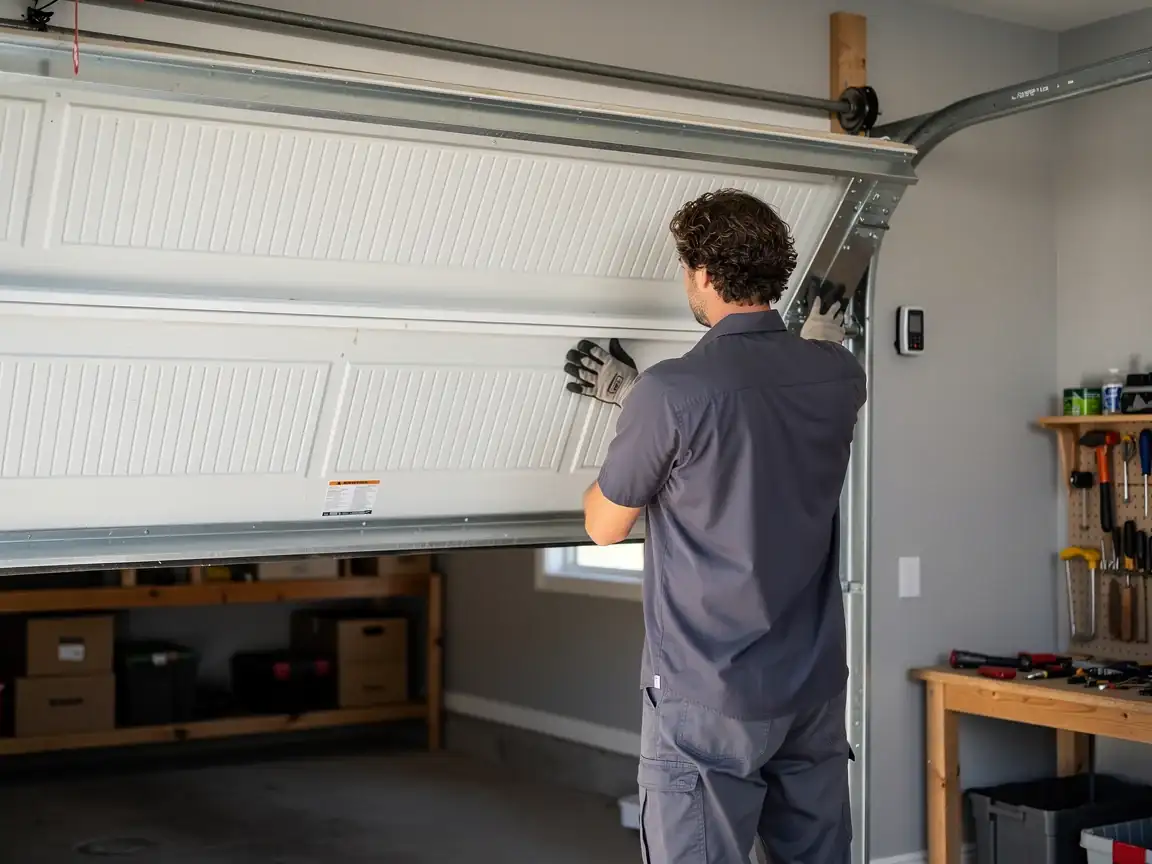
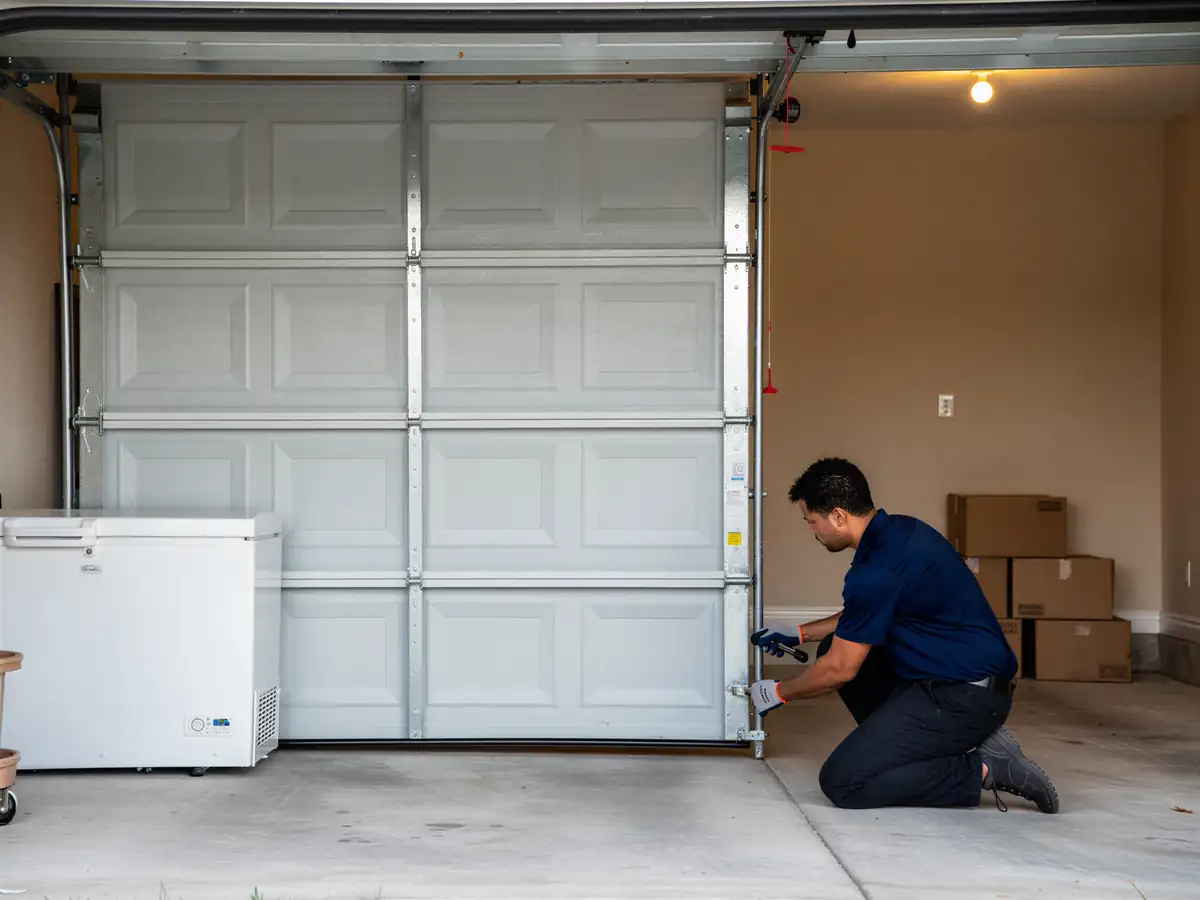
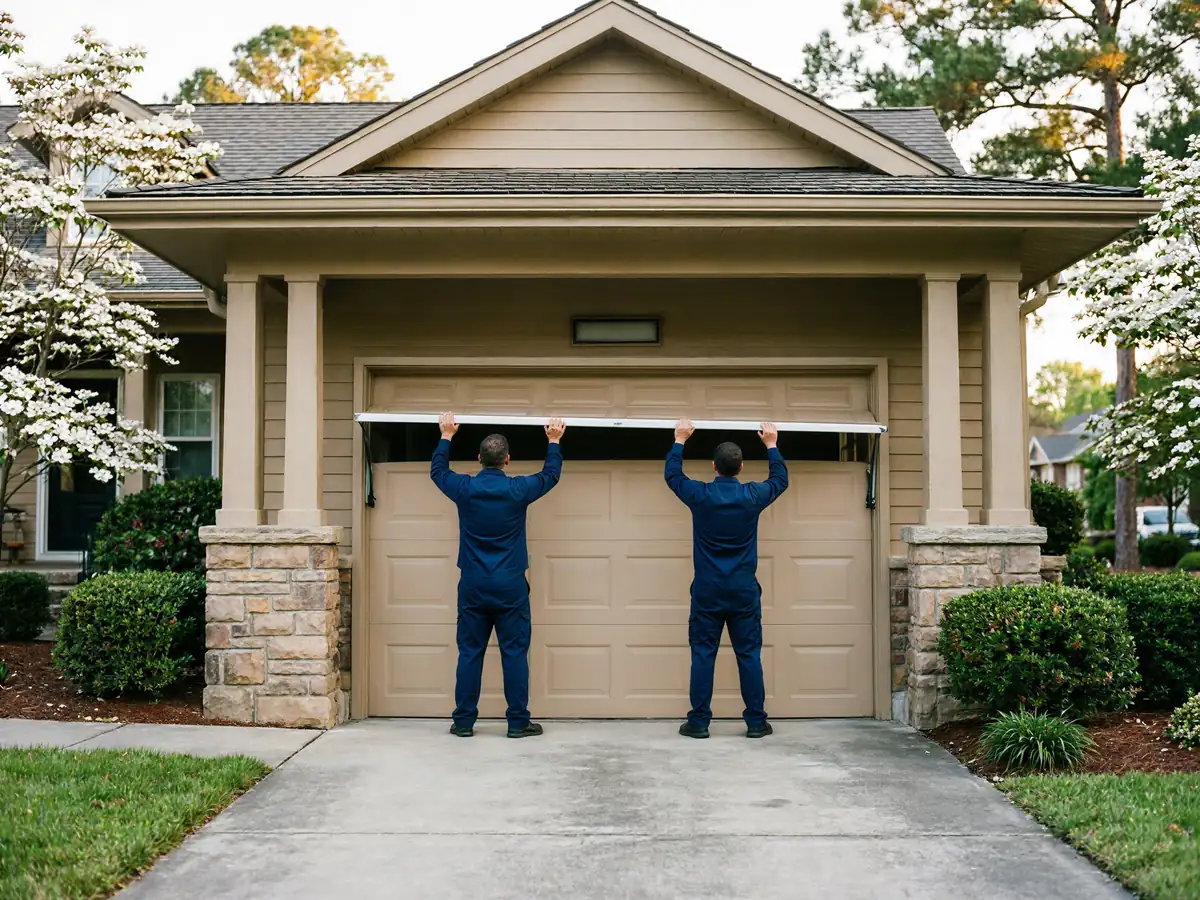
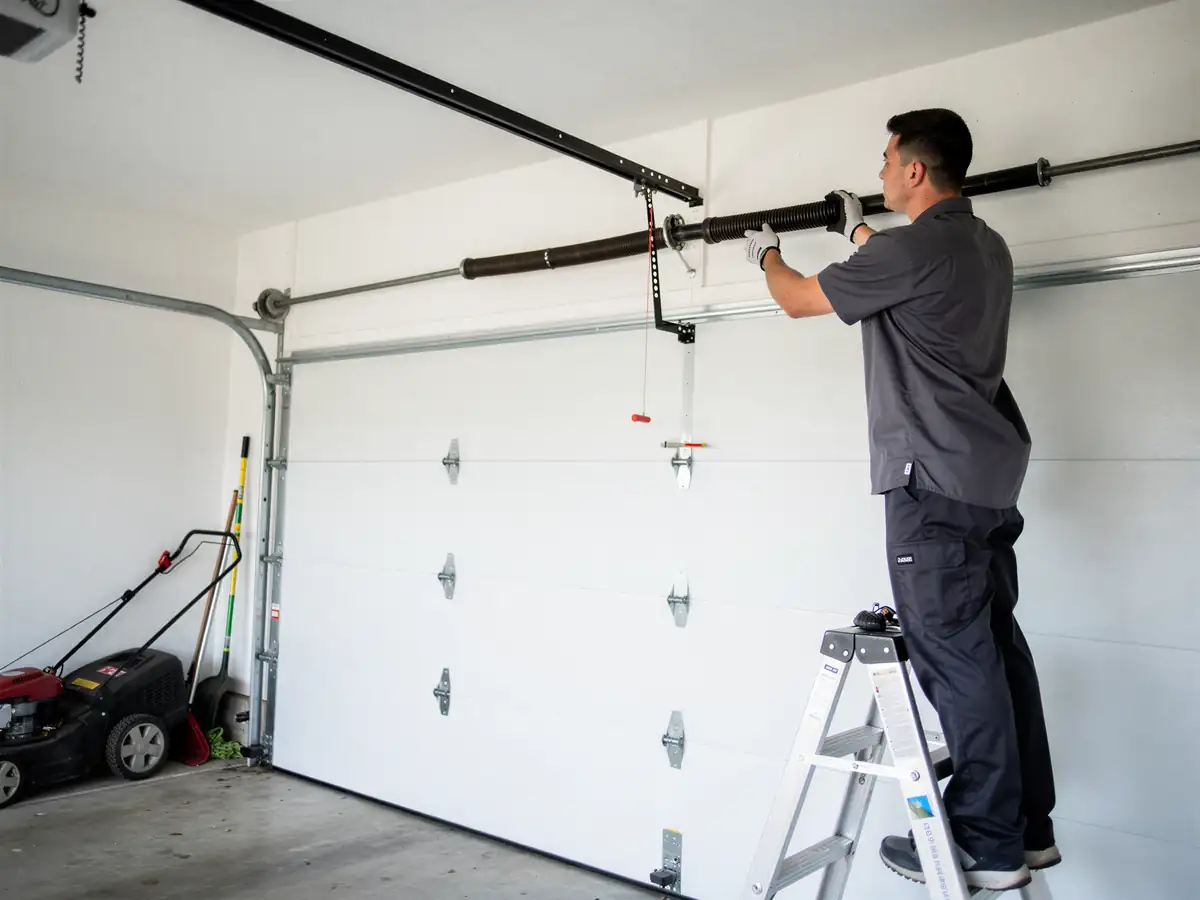
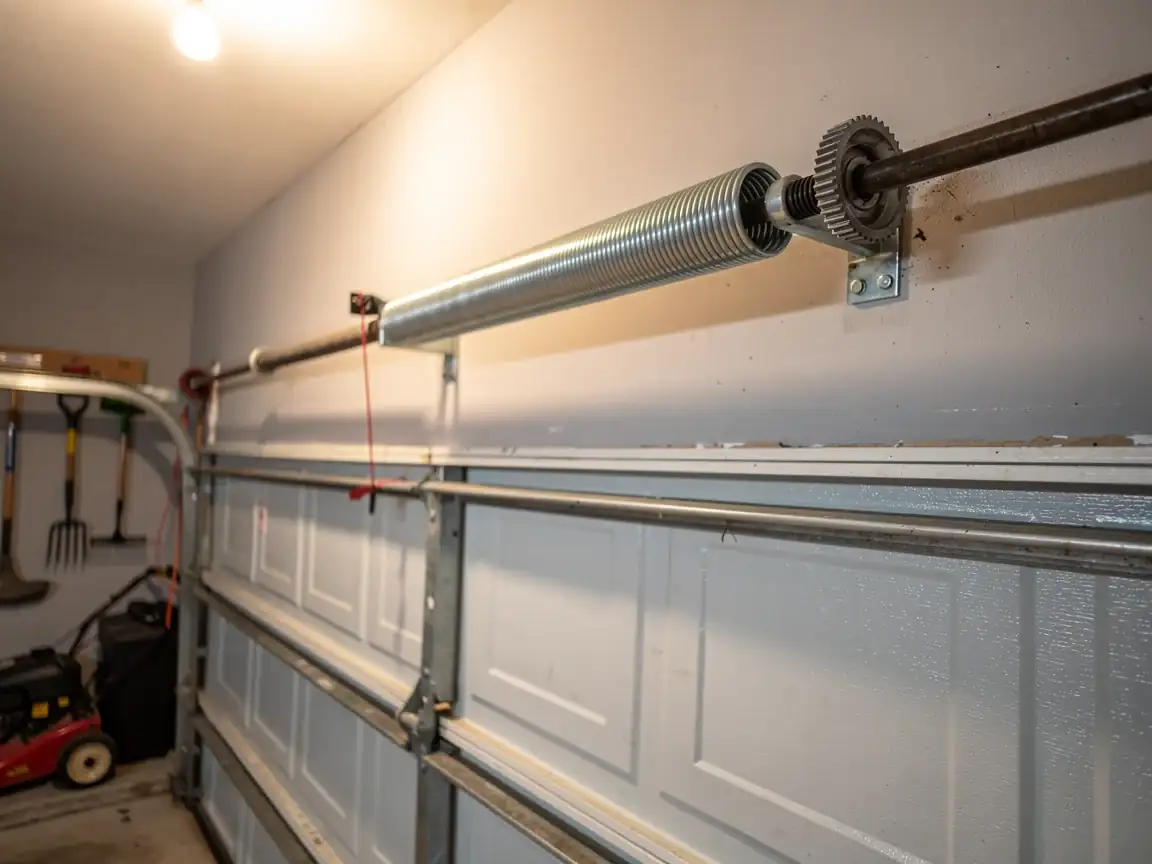
Swapping a single panel on a sectional door is within reach for someone comfortable with a drill and a ladder, provided the replacement panel is an exact match - same brand, same width, same hinge spacing. That last part is where most DIY attempts stall on older Memphis doors, since the original manufacturer may no longer carry that profile and a close-enough panel from a different line won't line up at the hinges. The honest limitation here: we don't stock every discontinued panel style ourselves either, and sourcing one sometimes means a multi-week wait regardless of who's doing the install. If you do go it alone, disconnect the opener and support the door manually before you remove any hardware - a torsion spring under tension doesn't care whether you're a homeowner or a tech, and the section above the one you're replacing can drop without warning once the hinges are loose.