What Local Conditions Do
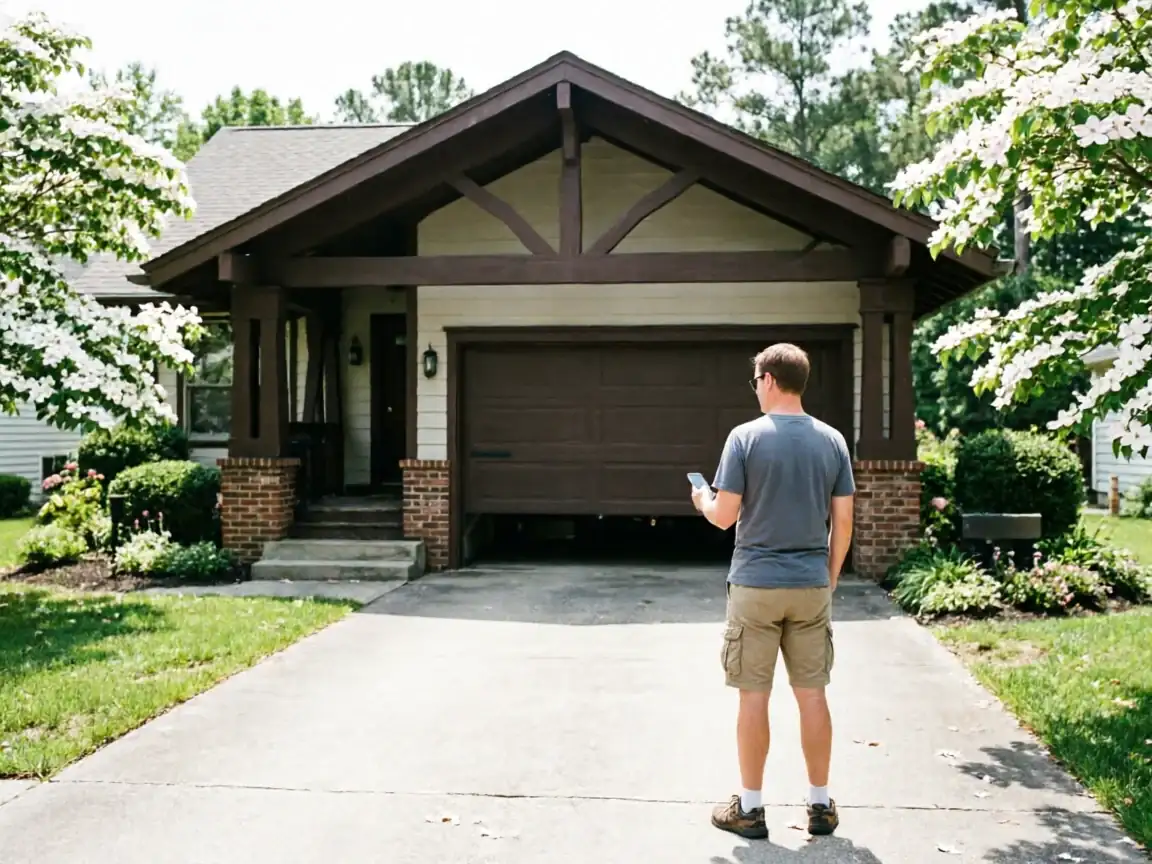
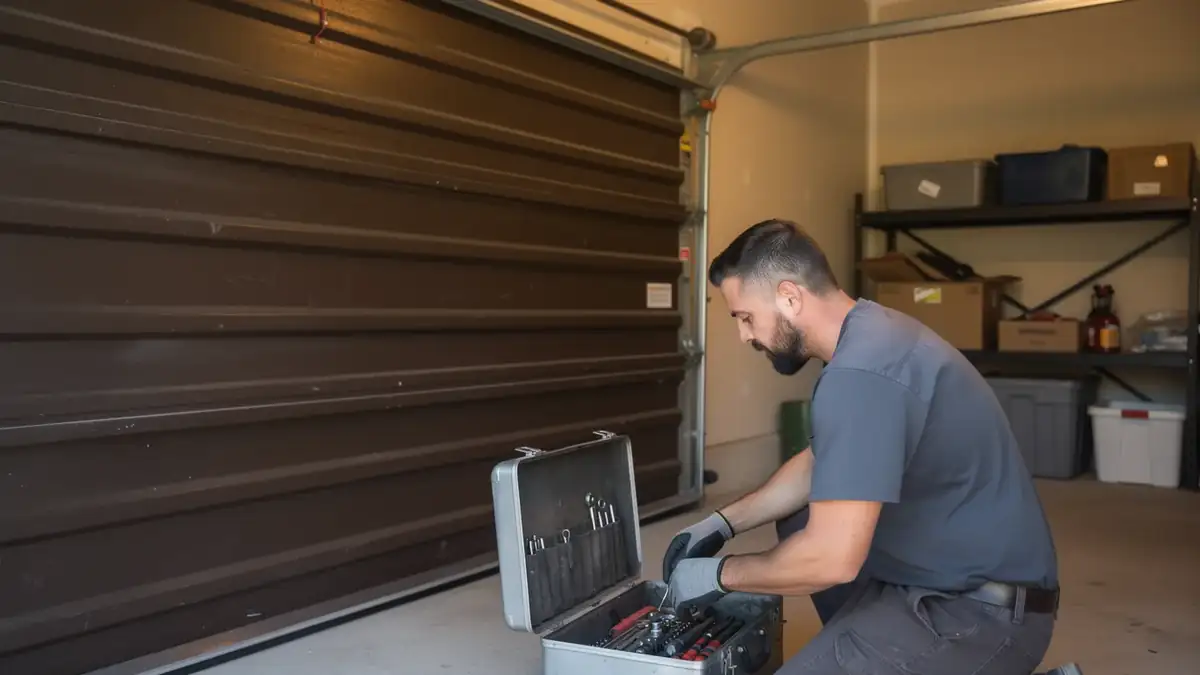
Most of the houses we work on went up between 1972 and 2004, with a lot of that stock dating to the late 1980s and 90s across the four main pockets we run trucks through. That matters because a service call isn't one generic checklist - it's shaped by what was installed when the house was built. A door from a 1975 build has different hardware, hinge spacing, and track gauge than one from a 2001 build, even if both look like plain steel doors from the driveway. When we show up, the first ten minutes are spent figuring out which era of door and opener we're dealing with, because that decides whether a part is still stocked or has to be special-ordered. We're not guessing at age - the housing data tells us what's likely behind the panel before we even open the garage.
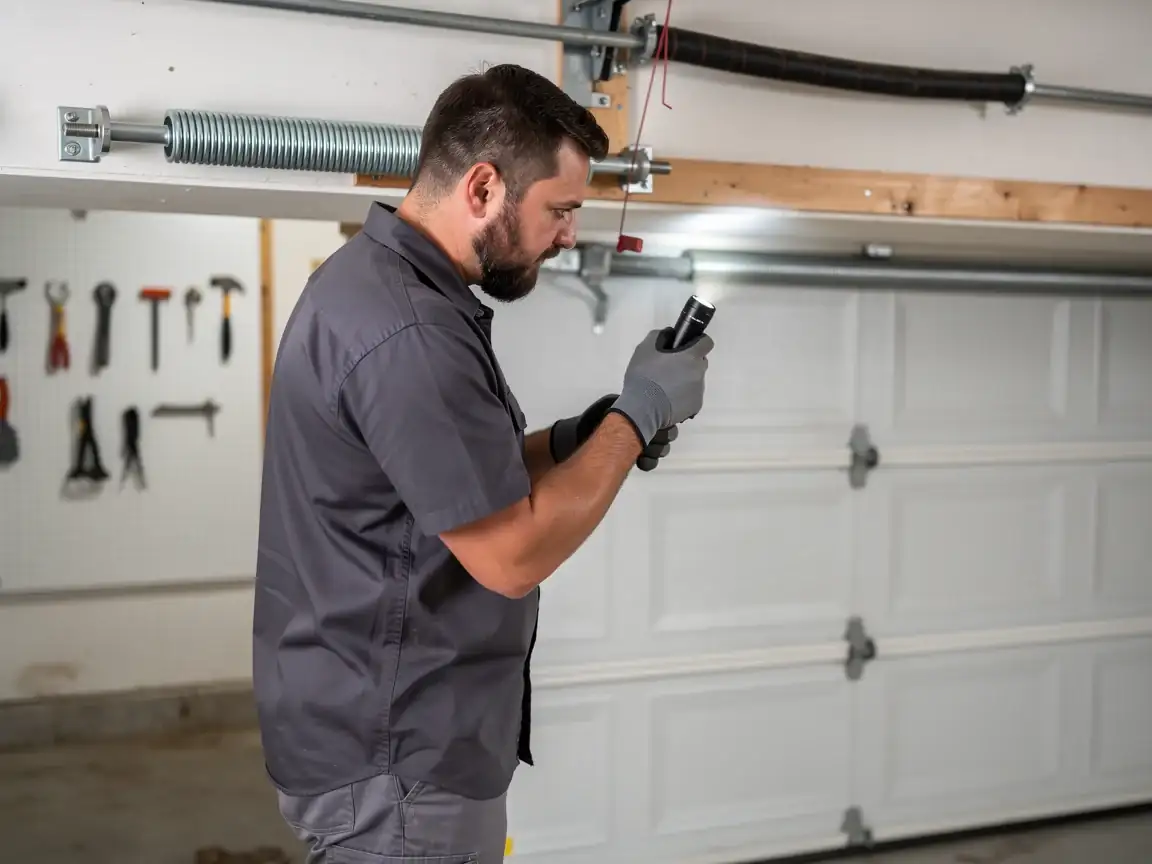
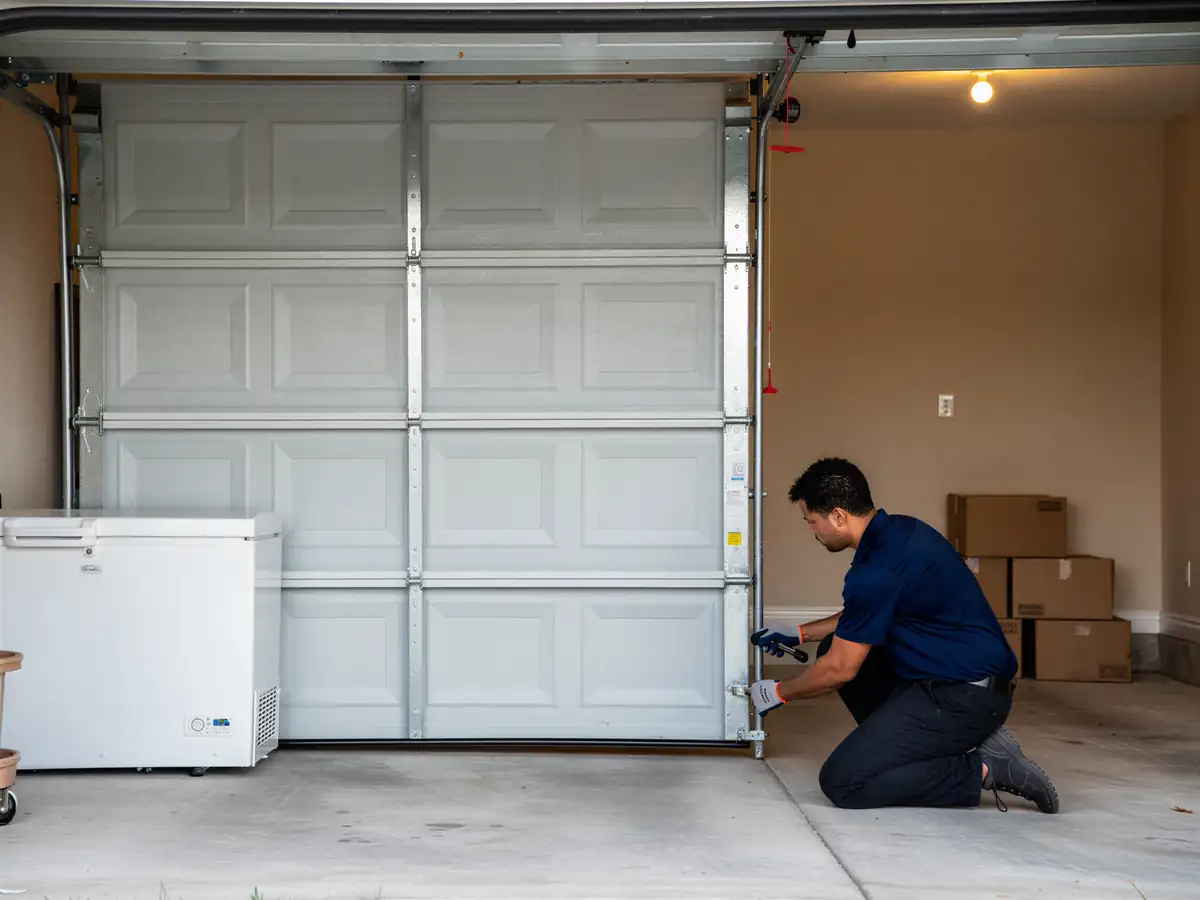
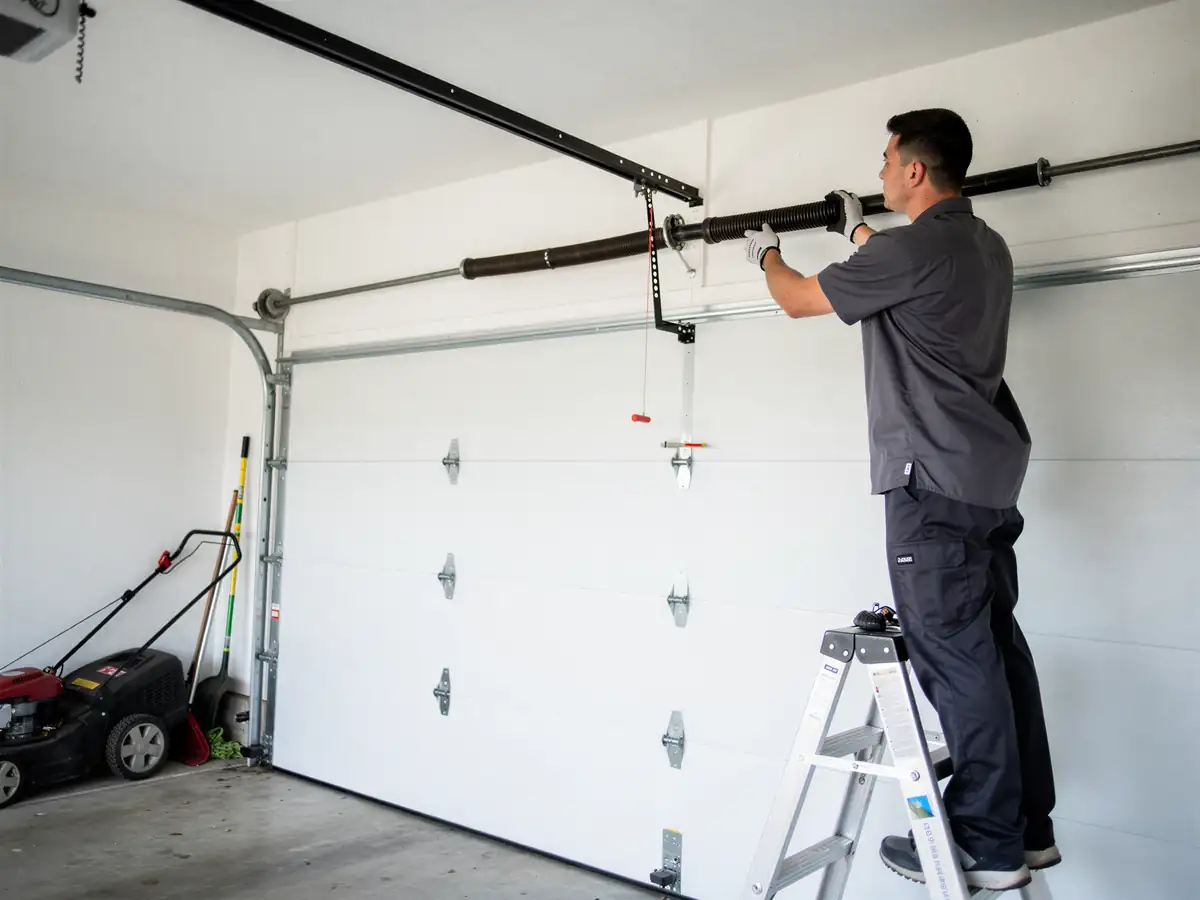
A call also covers the track alignment, the spring tension, the opener's force settings, and the condition of rollers and cables. On a house from the 1990s, that's usually original hardware that's simply worn out from 25-30 years of cycles, not damage from one event. That distinction changes whether we recommend a repair or a swap.
The Situation
Across the service area there are roughly 29,992 households and about 21,201 owner-occupied houses, which is a lot of garages built in the same two-decade window. The median household income sits at $119,876, and that number matters for one practical reason: it tells us most owners can choose between a proper repair and a full replacement rather than being stuck patching a door that should've been retired years back. We see that choice play out constantly in neighborhoods like where the housing age clusters tightly and the doors are hitting the same wear point around the same time.
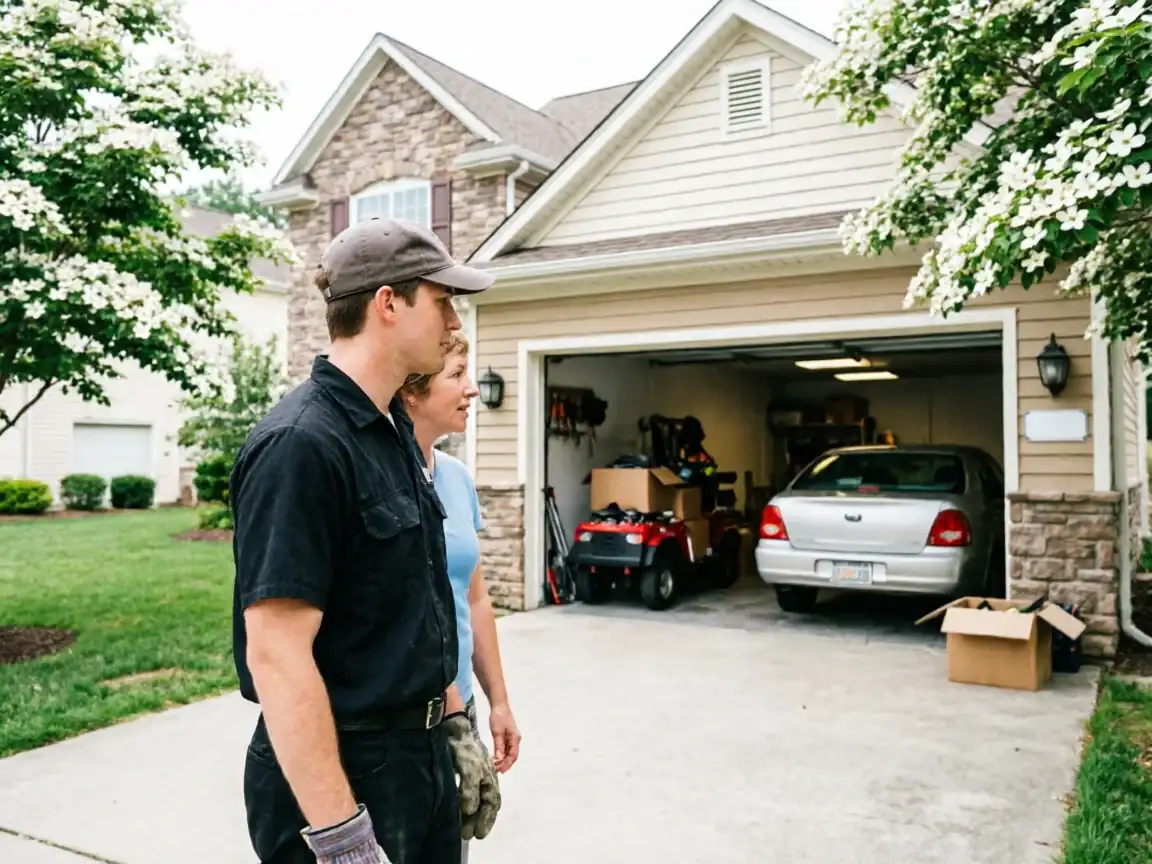
A service call is also where we tell you the truth about that choice. If a torsion spring has gone on a door that's already fighting a warped panel or a dead opener board, we'll say so rather than sell you a spring and send you home with a door that fails again in six months. That's part of the call, not an upsell on top of it.
The Seasonal Bit
Memphis sits in a cold-moderate climate band
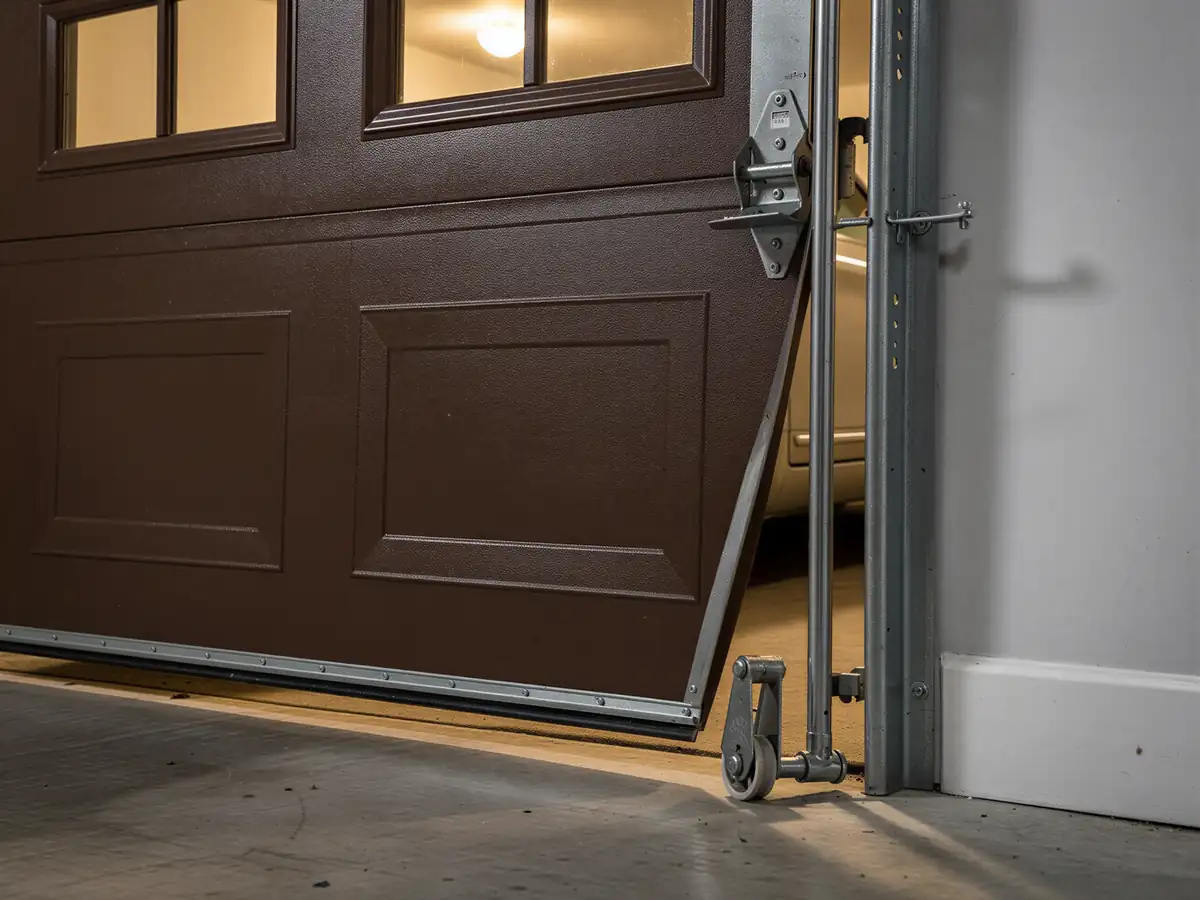
Which is a different problem than the deep freeze towns get and different again from a true mild-winter market. Steel contracts in a hard cold snap, and the weatherstripping and rollers on doors from the 1980s and 90s stock we're mostly working on weren't built with today's sealing standards. A service call in the colder months checks the bottom seal, the weatherstrip at the jambs, and whether the opener's force settings have drifted - cold makes springs feel stiffer and openers overcompensate, which burns out gears faster than owners expect.
We don't inflate this into a bigger problem than it is
A cold-moderate band means a few hard weeks a year, not months of sustained freeze, so a service call here is about catching seasonal wear before it becomes a stuck door on the one morning you need it open, not armoring a door against conditions this area doesn't actually get.
Where People Go Wrong
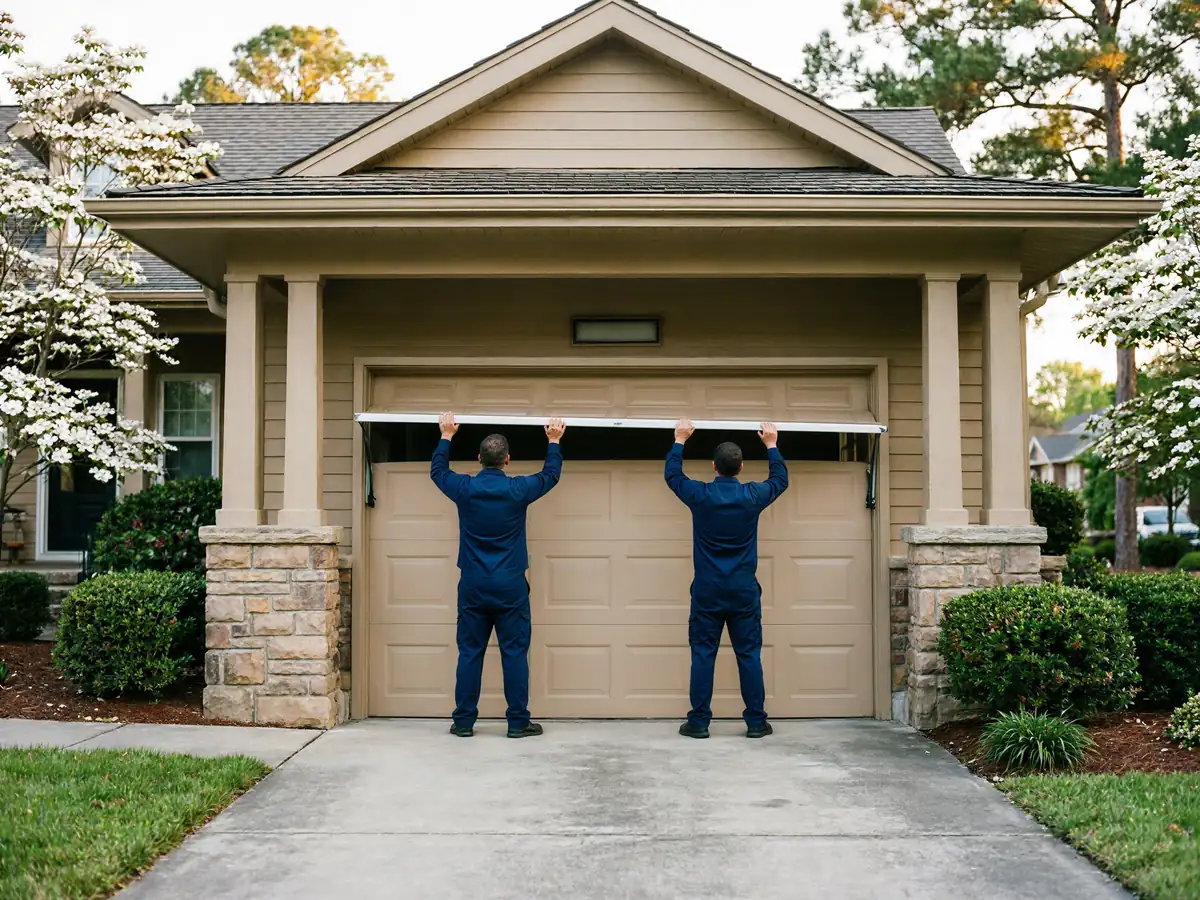
The most common mistake we see on a call: an owner replaces one roller or one cable off a door that's original to a house built in the 1972-2004 window, instead of letting us tell them whether the whole hardware set is at the same age and headed the same way. A spring or cable failing at year 30 usually means the rest of the set is close behind.
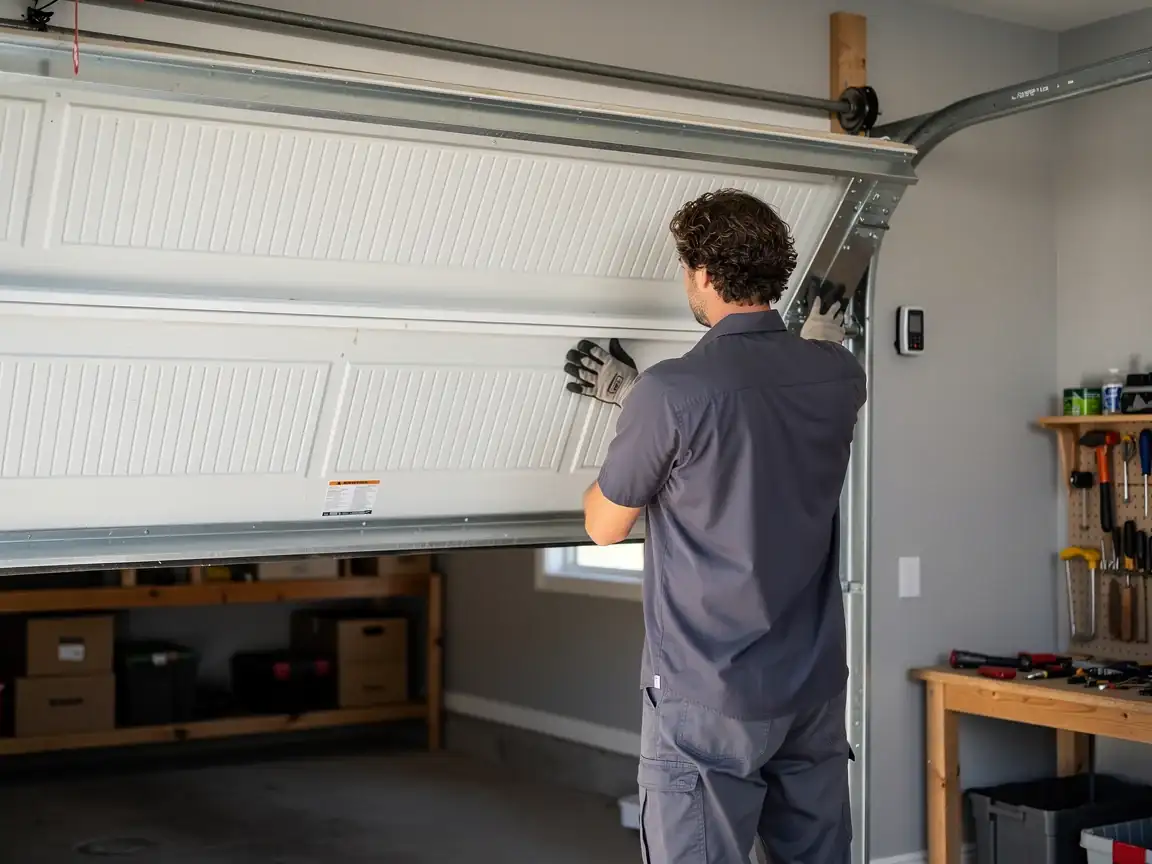
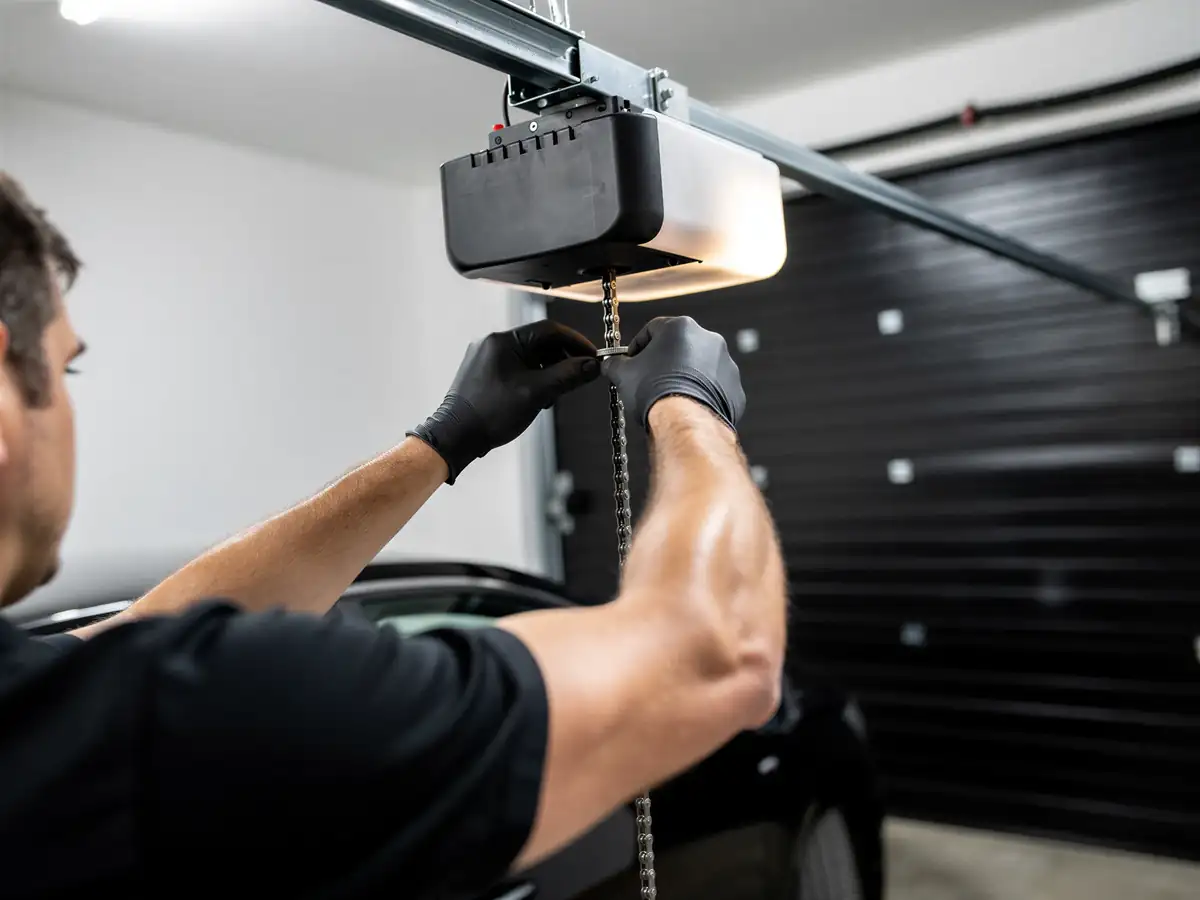
The other mistake is waiting. A door that's binding or slow isn't a cosmetic issue - it's usually the opener fighting worn track or hardware, and that shortens the opener's life fast. Here's the honest limit on our end: if a part for an older opener board isn't something we stock, we may need to order it, and that can push a repair out a few days. We'll tell you that up front on the call instead of promising a same-day fix we can't back.