What It Costs
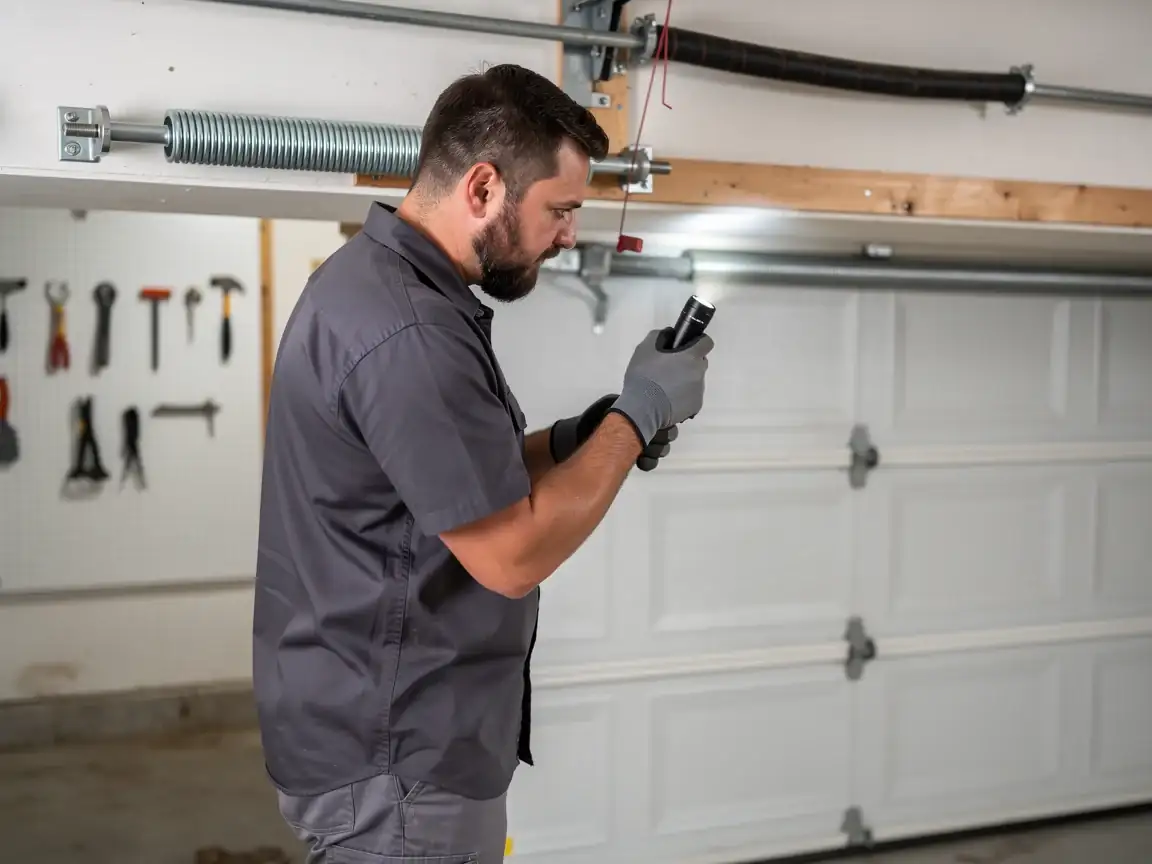
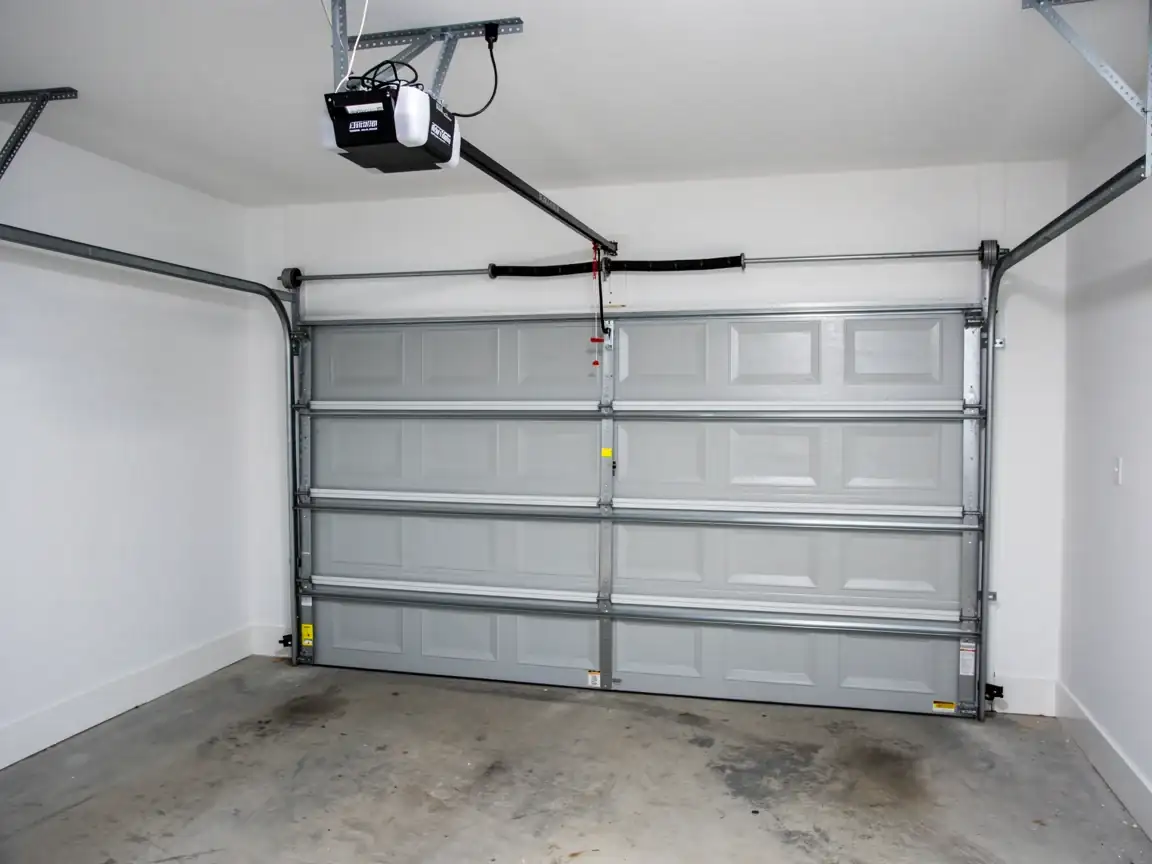
We're not going to list a number here that doesn't hold up once a tech is standing in your driveway. Opener repair costs depend on what's actually wrong - a stripped drive gear is a different job than a dead logic board, and a chain-drive unit from the 1990s doesn't take the same parts as a belt-drive unit from the 2000s. What we can tell you is that most of the openers we pull apart in this service area were installed somewhere in the 1972-2004 build window that covers the bulk of Memphis housing stock, which means a lot of units are now old enough that the manufacturer has stopped making the exact board or gear kit that goes in them. That pushes some repairs toward replacement, not because we want to sell a new unit, but because a part that takes three weeks to source and costs nearly as much as a new opener isn't worth chasing. Ask for a firm number on the visit, in writing, before any work starts. We'd rather tell you a repair isn't worth it than quote you blind over the phone.
What Causes It Around Here
Memphis sits in a cold-moderate climate band, which doesn't mean brutal winters, but it does mean enough freeze-thaw swing through the year to work on metal and lubricant differently than a place that stays warm or stays frozen. Openers installed in the 1980s and 90s stock that makes up most of four named areas in this service territory are now 25 to 45 years into that cycle. Grease inside the gearbox thickens in the cold, drive gears made of nylon from that era get brittle, and logic boards that were fine for two decades start throwing intermittent faults once temperature swings hit them hard enough, often. None of that is specific to any one house - it's specific to how old the opener is and how many winters it's absorbed. A unit installed in 2004, near the tail end of the area's main build window, is pushing two decades old now. That's squarely in the range where gear strip and board failure both become common, not rare.
Doing It Yourself
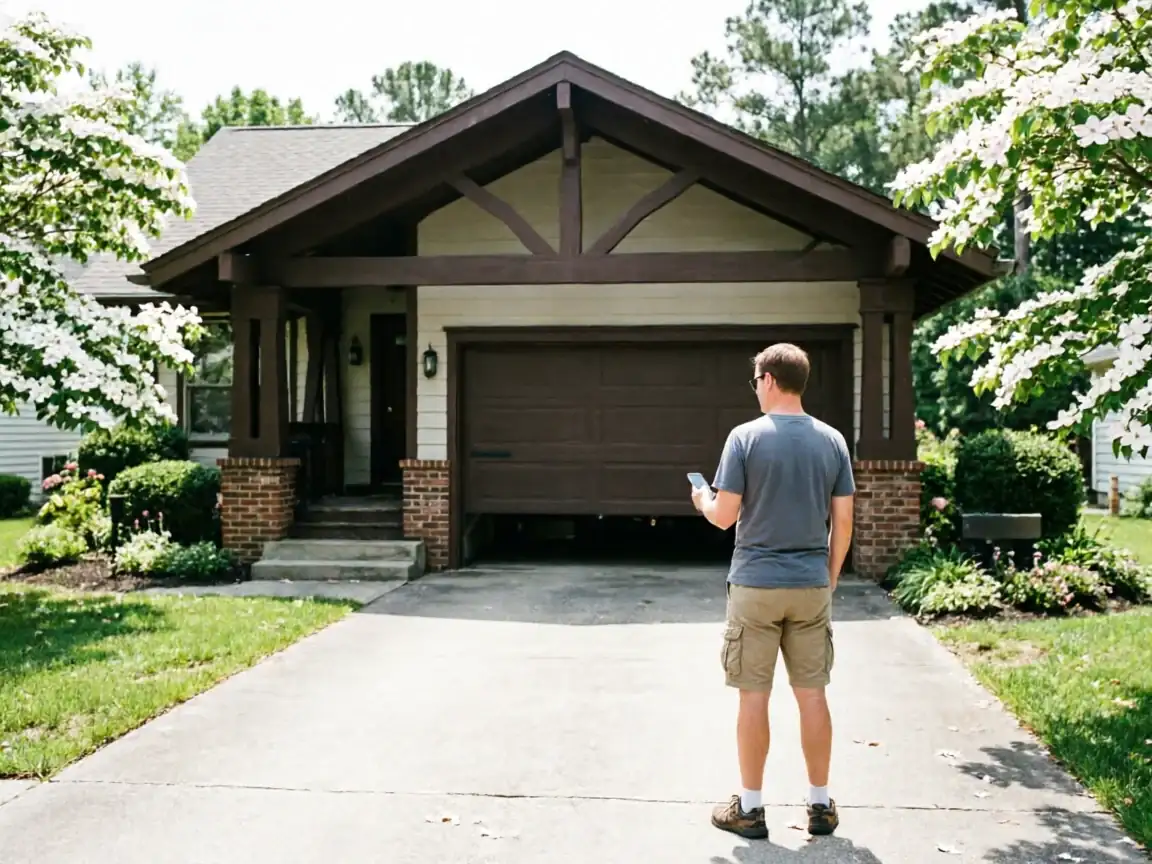
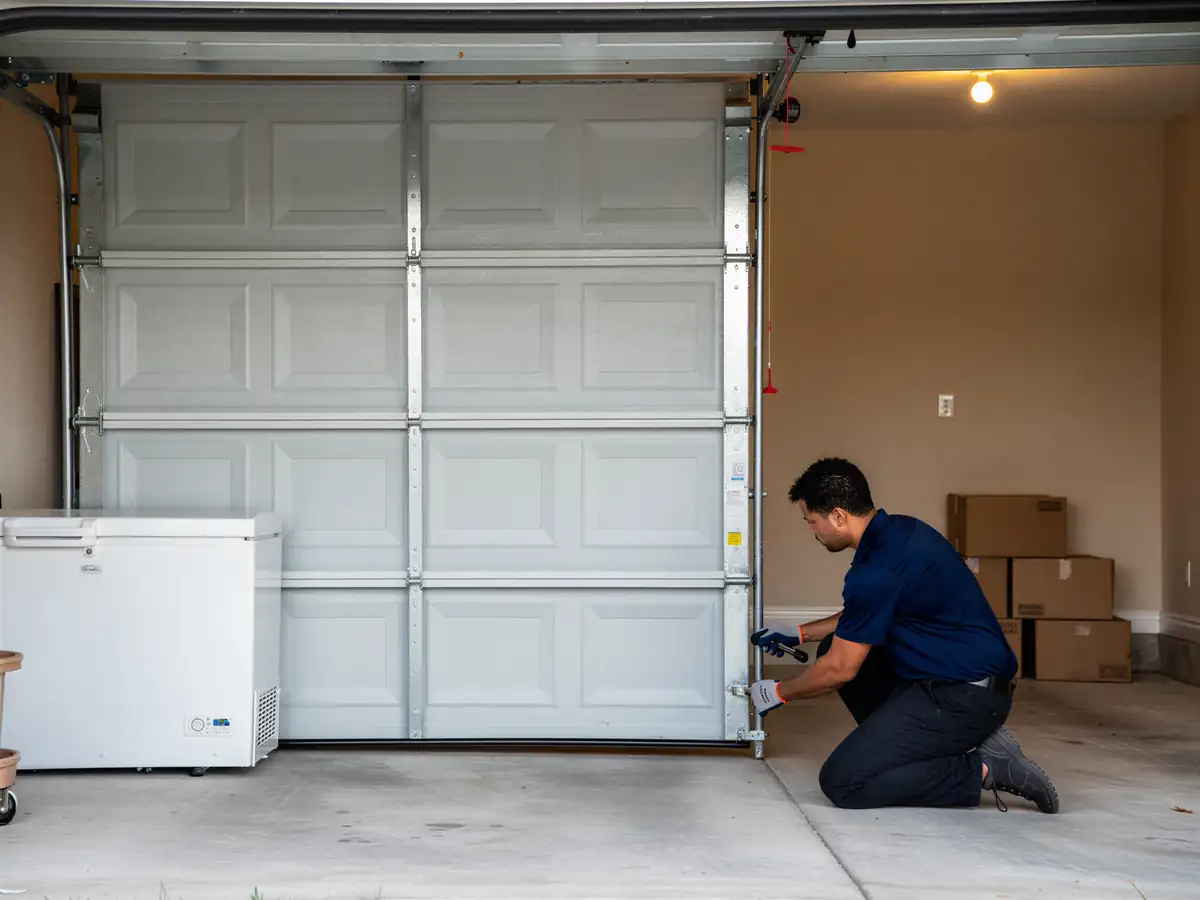
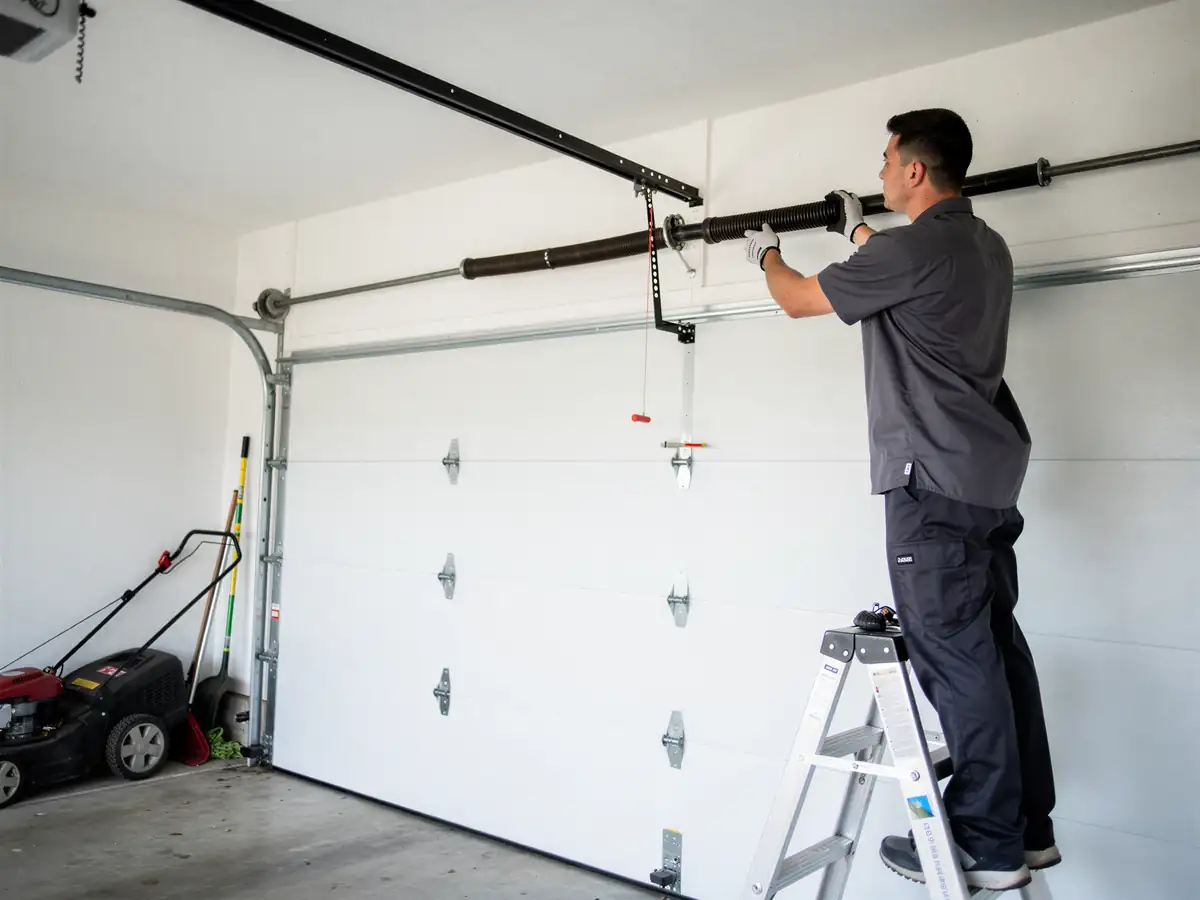
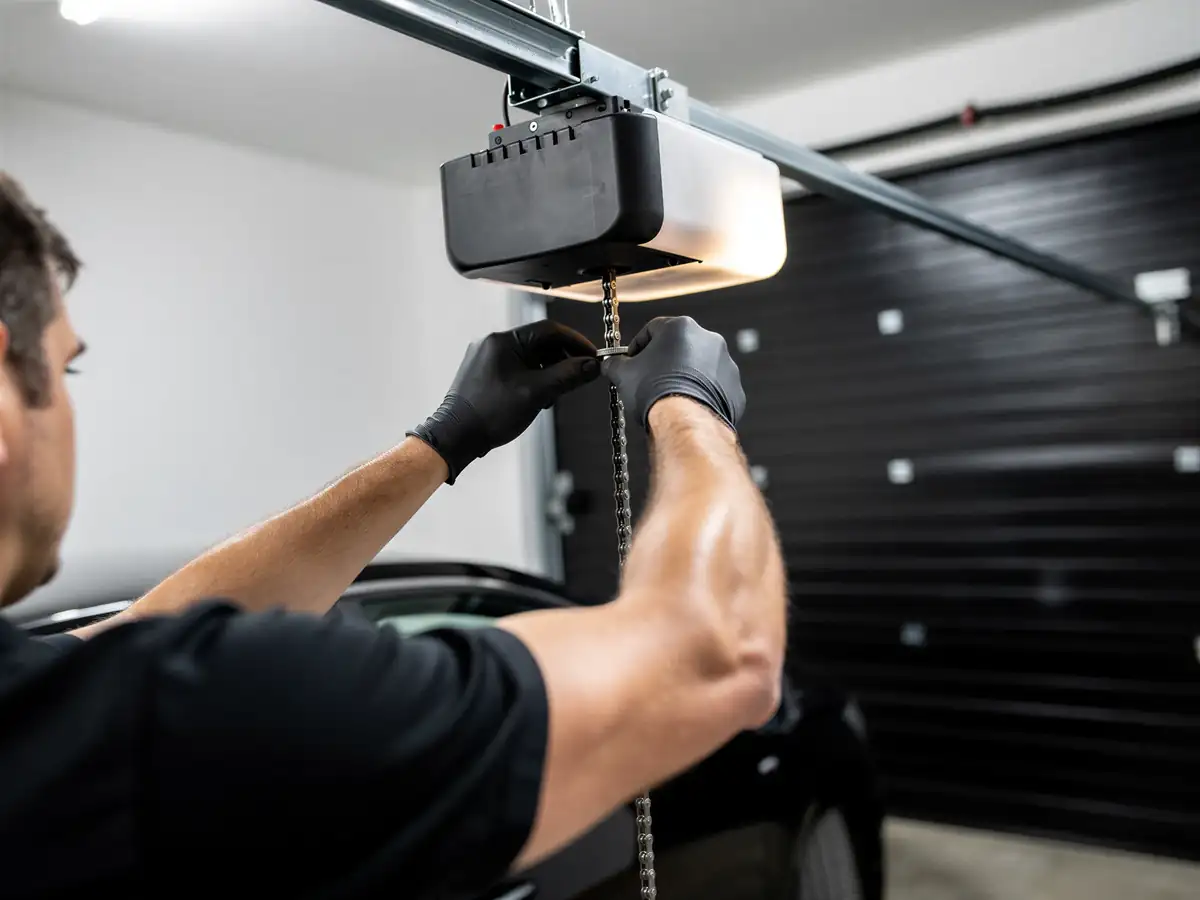
Clearing the photo-eye sensors and realigning them is a reasonable homeowner job - unplug the opener, wipe both lenses, check the small lights on each sensor, and nudge the bracket until they both show solid instead of blinking. Checking and tightening the chain or belt tension is also fine to attempt if you're comfortable on a ladder. What we don't recommend touching yourself: the logic board, the drive gear replacement, or anything that involves taking the motor housing apart. Those jobs need the matching part number for your specific opener, and guessing wrong on a board swap can fry a unit that was otherwise fixable. If you've cleaned the sensors, checked the remote batteries, and the door still won't behave, that's the point to call rather than keep troubleshooting - a guessed-at repair usually costs more to undo than it would have cost to do right the first time.