What It Costs
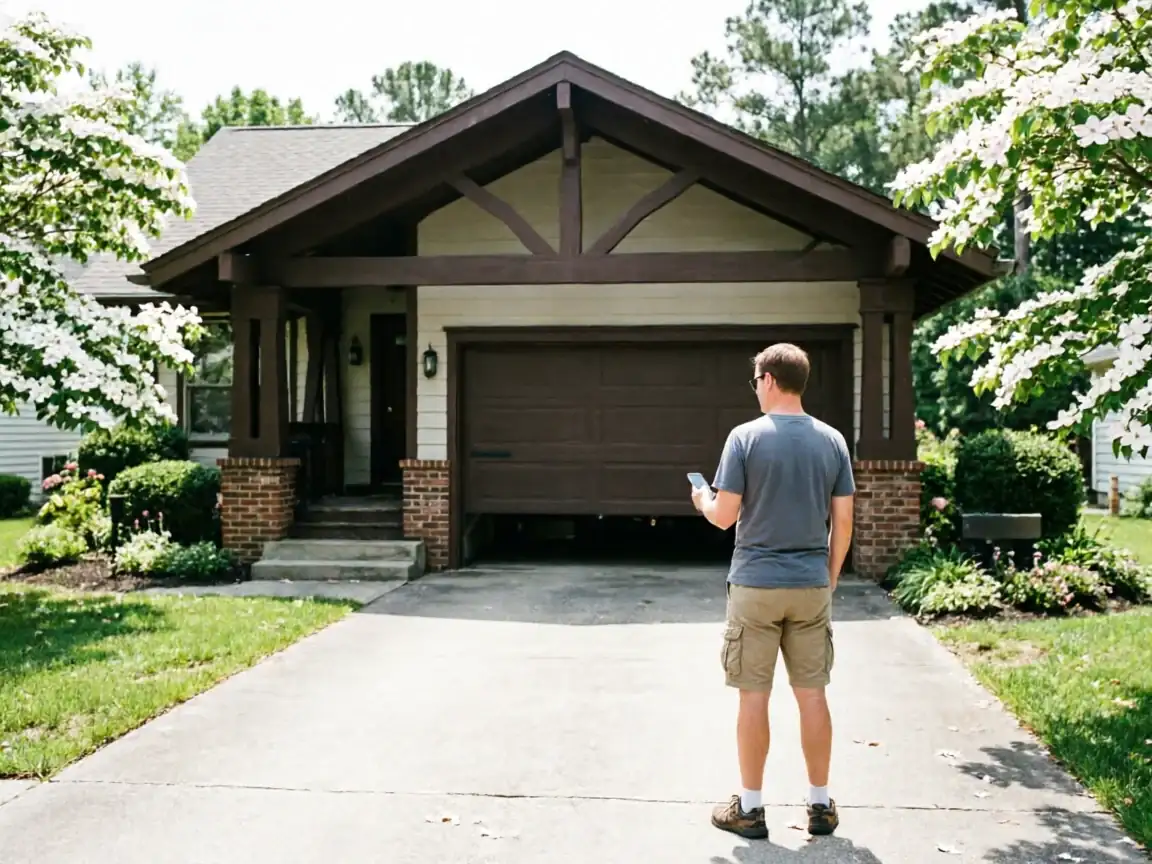
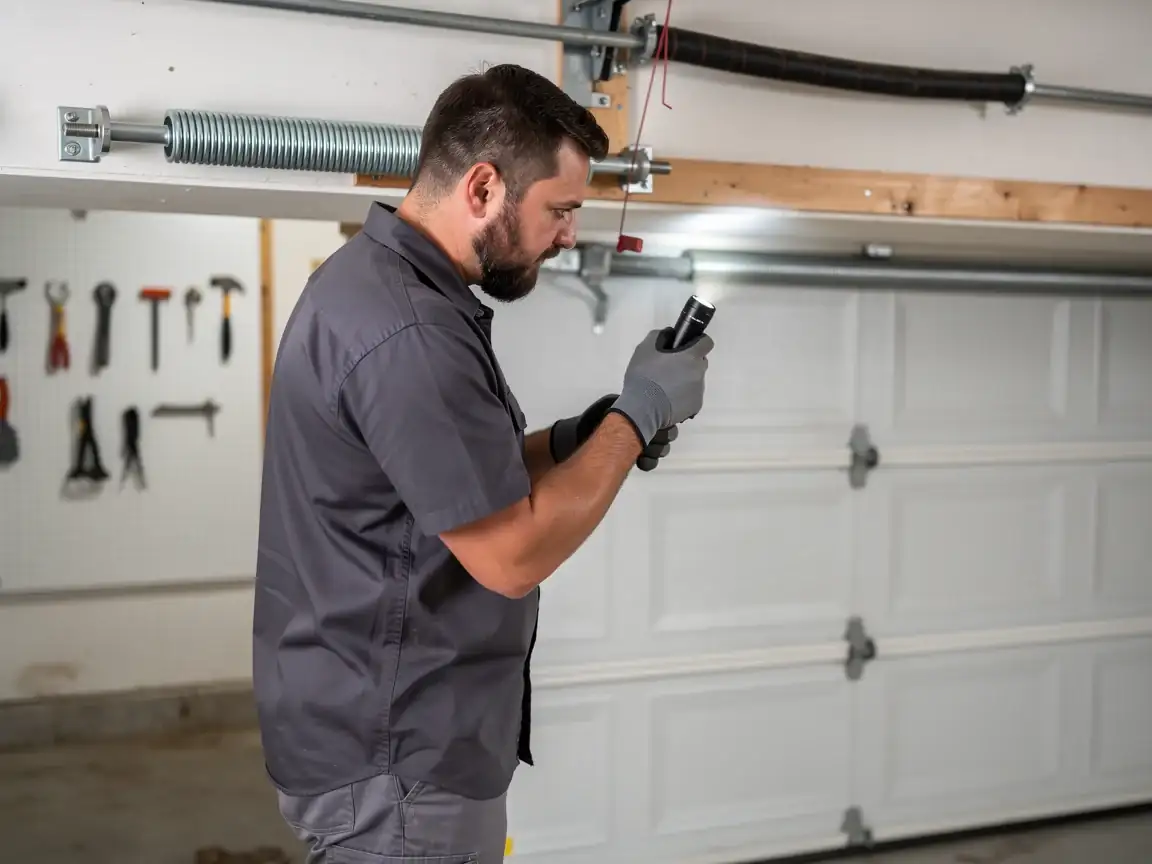
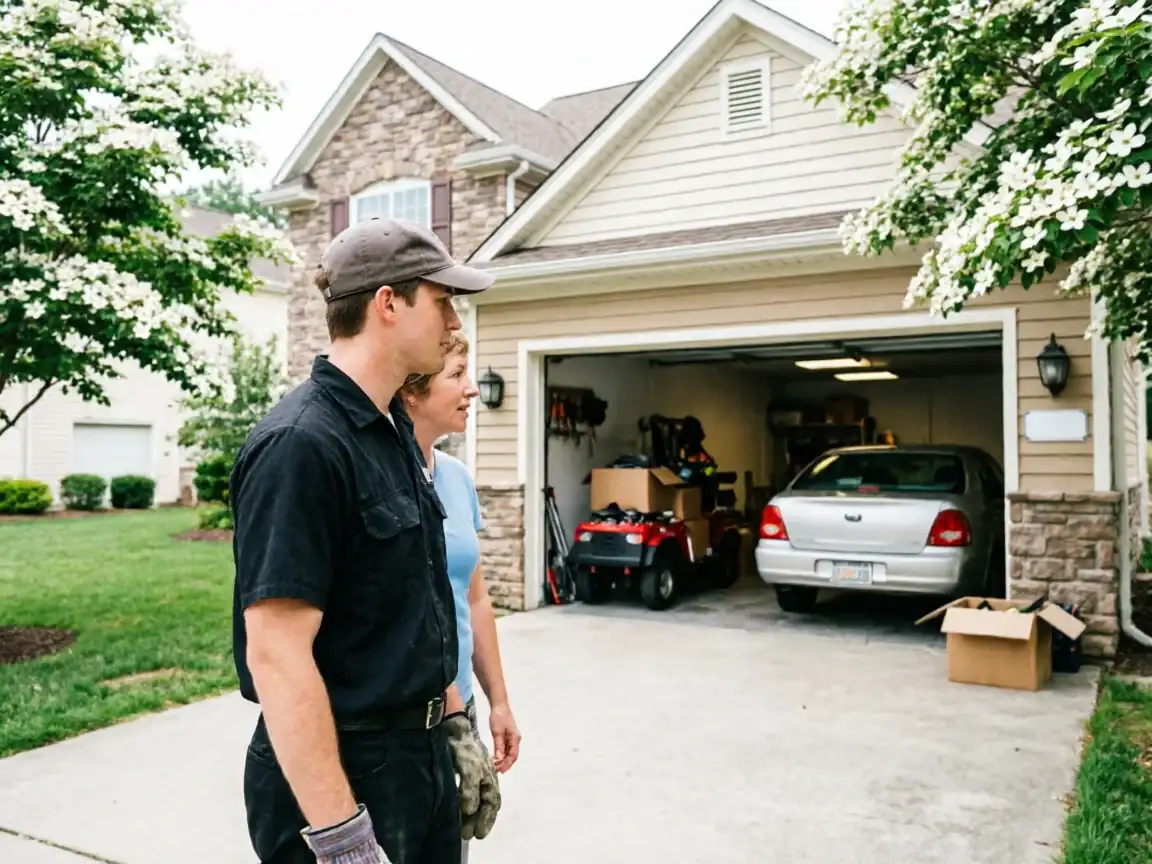
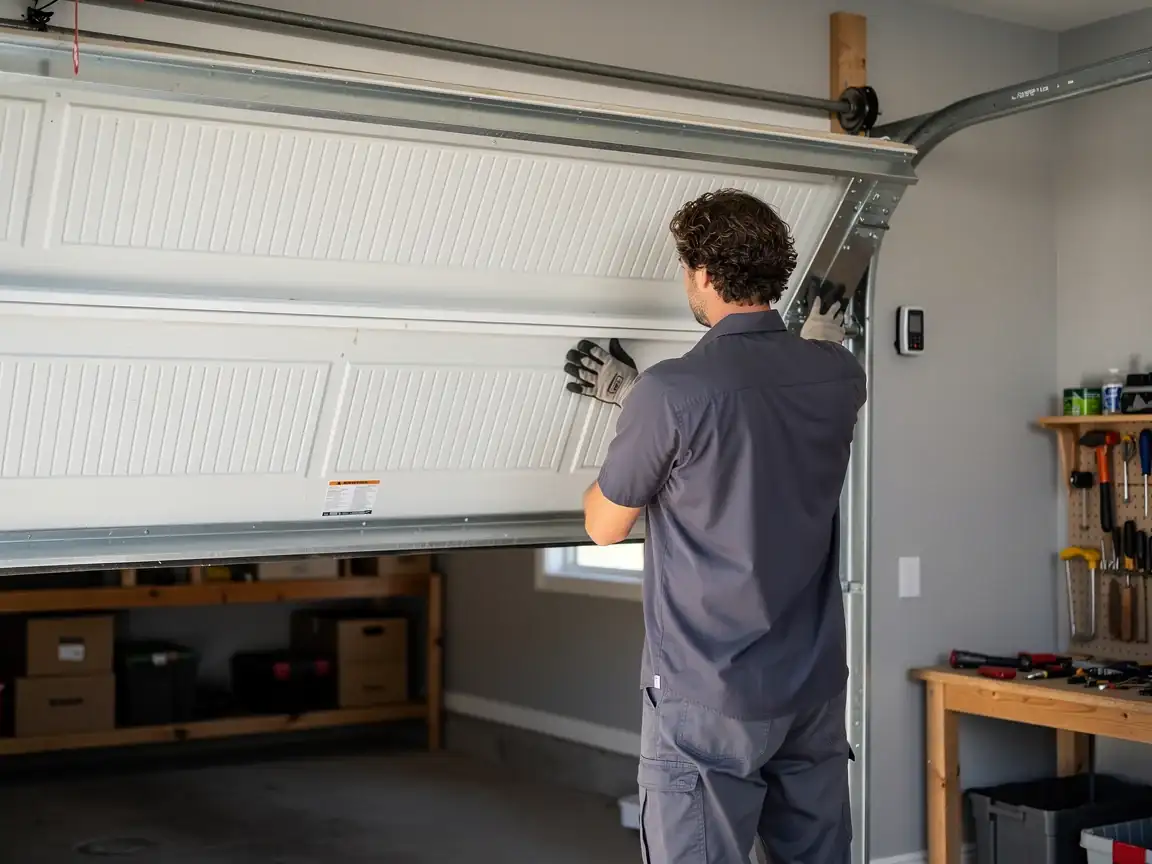
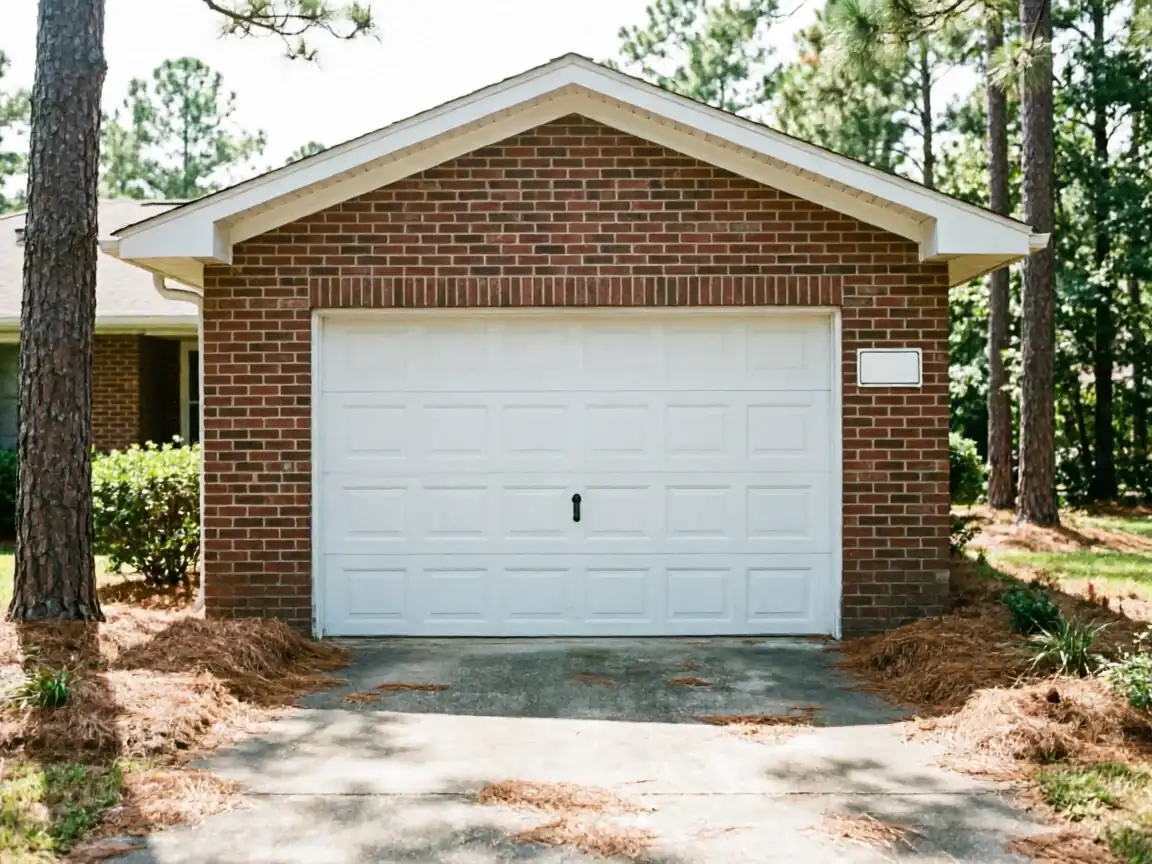
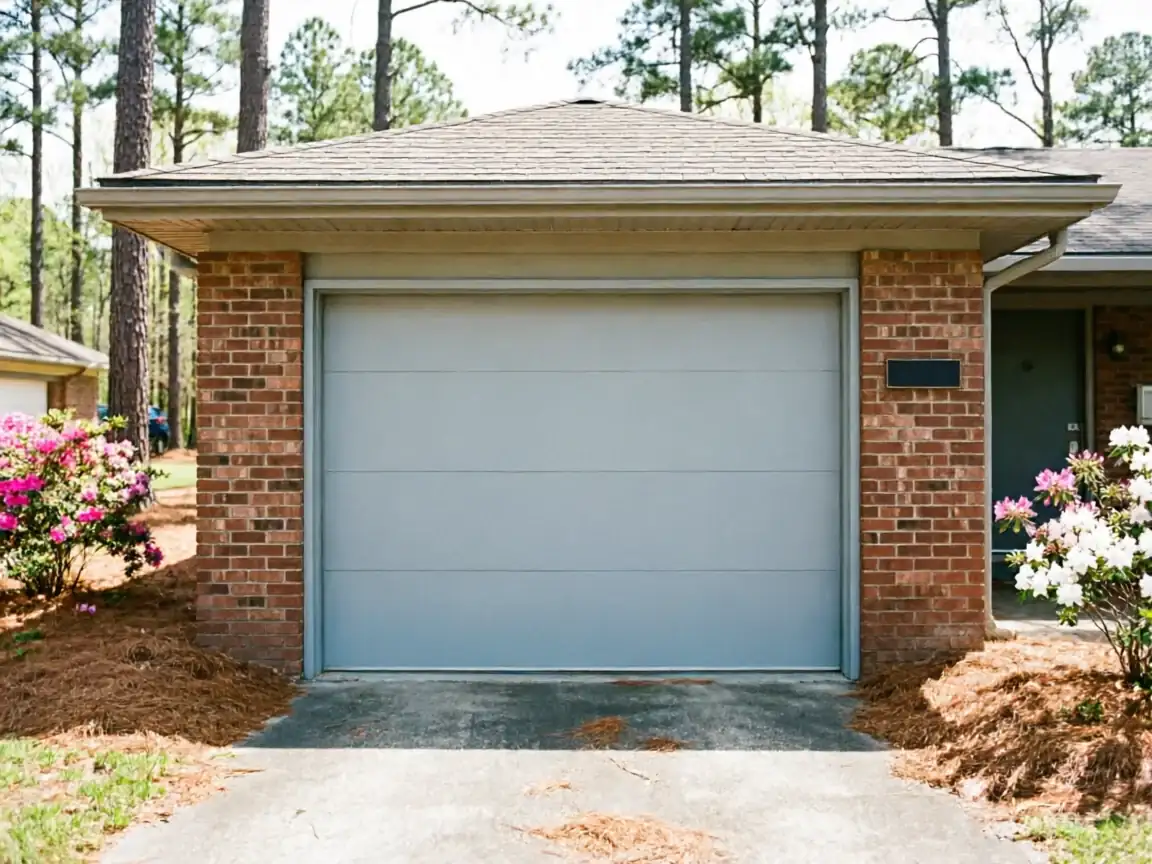
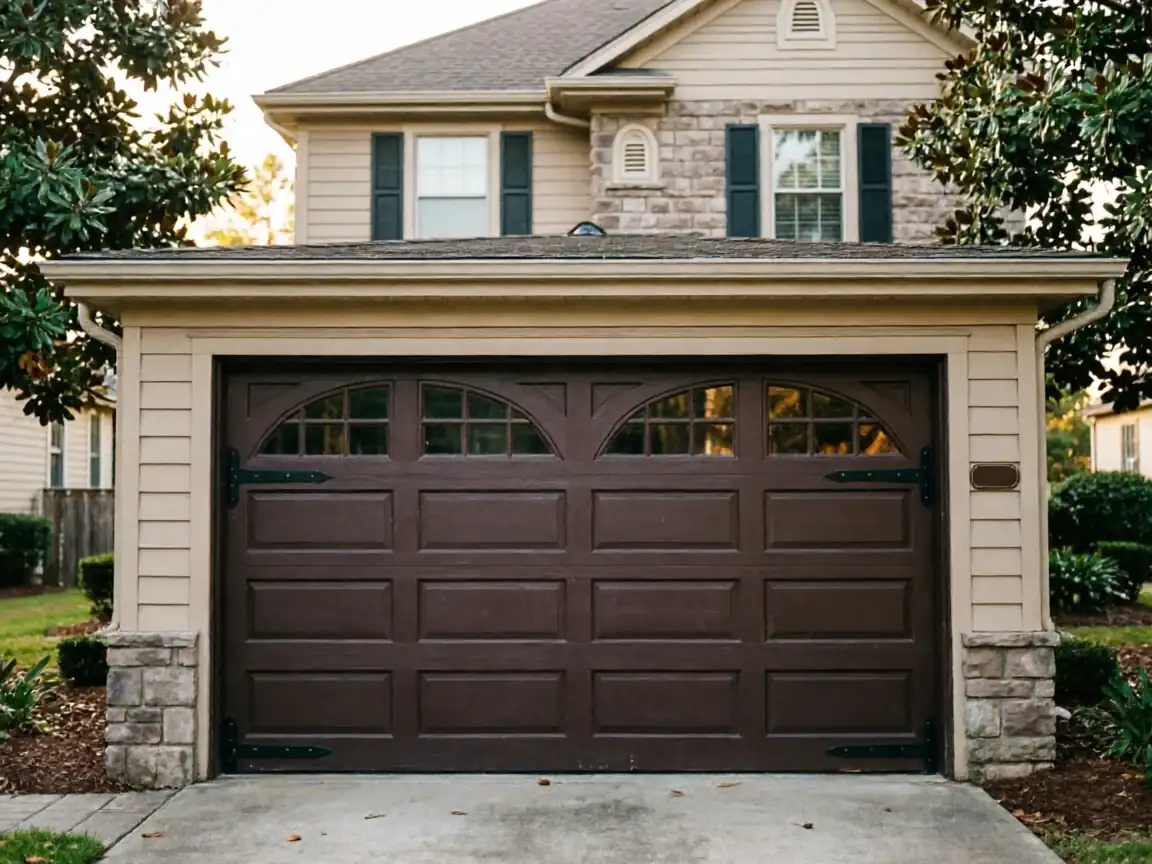
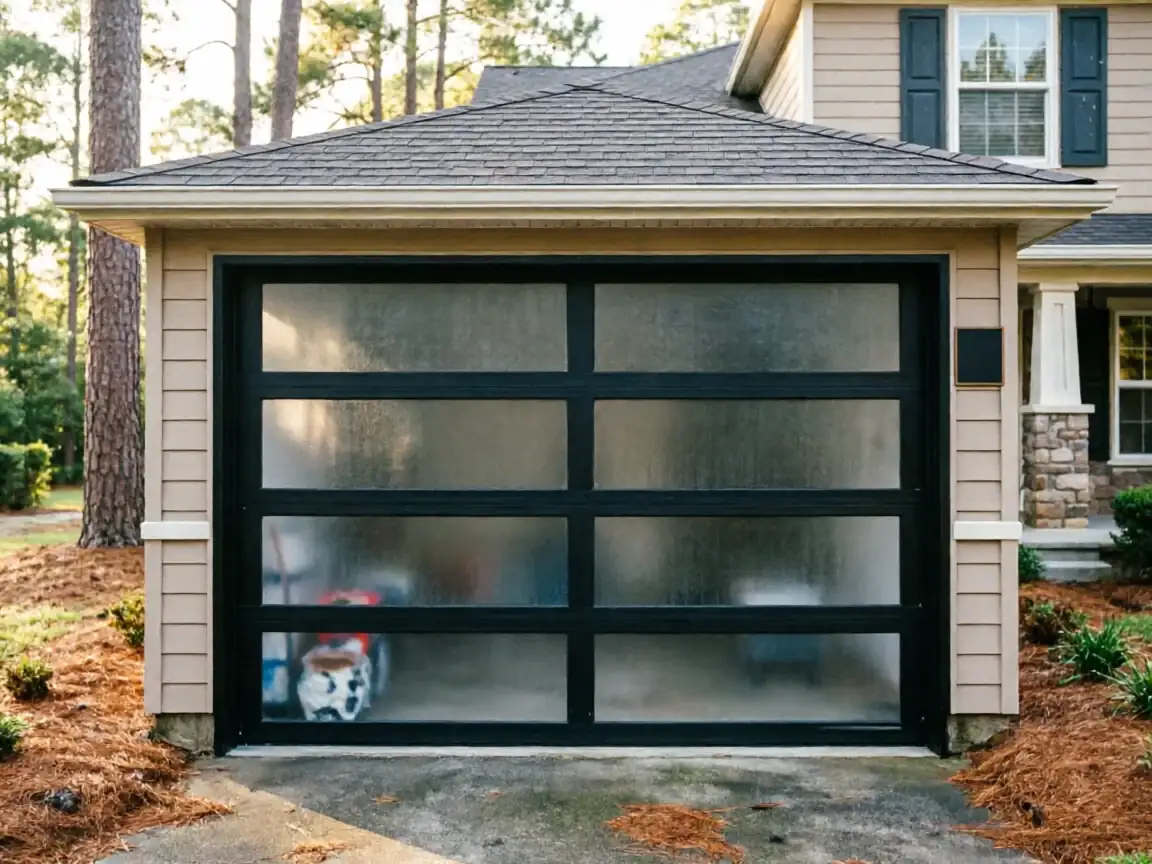
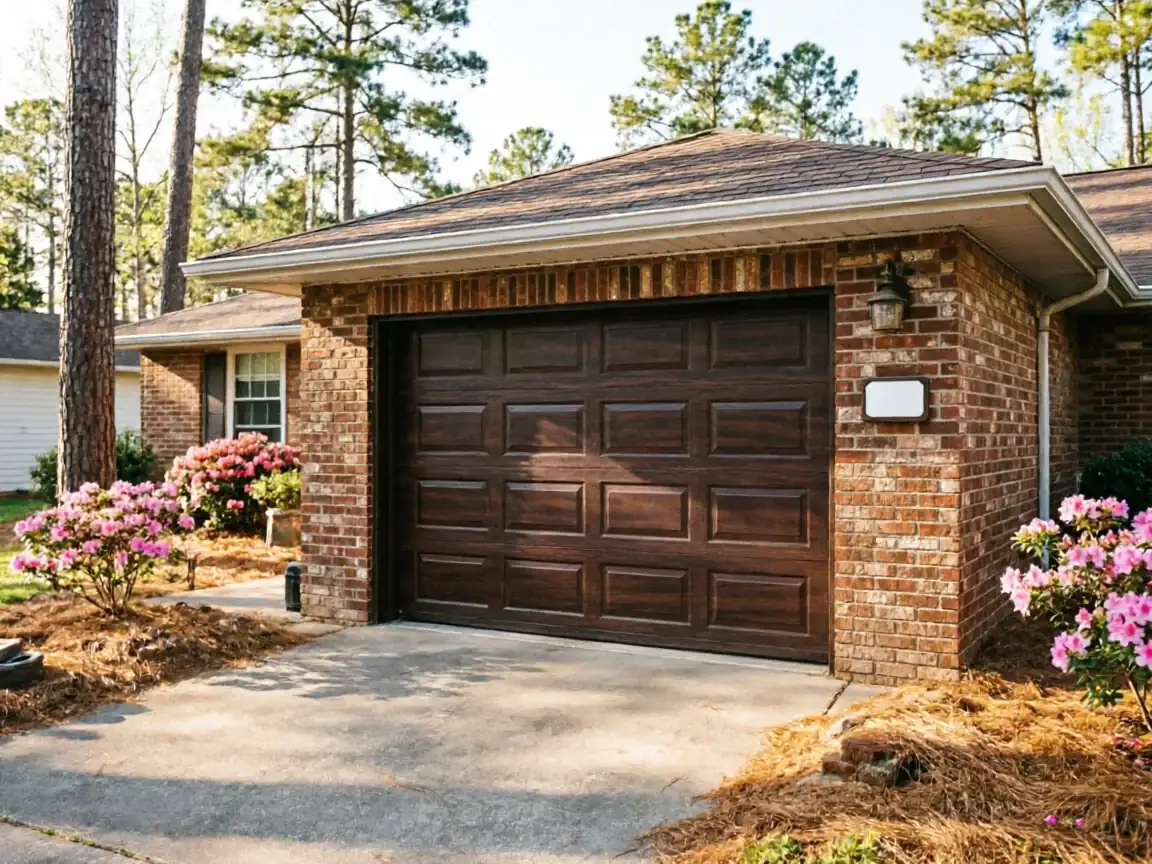
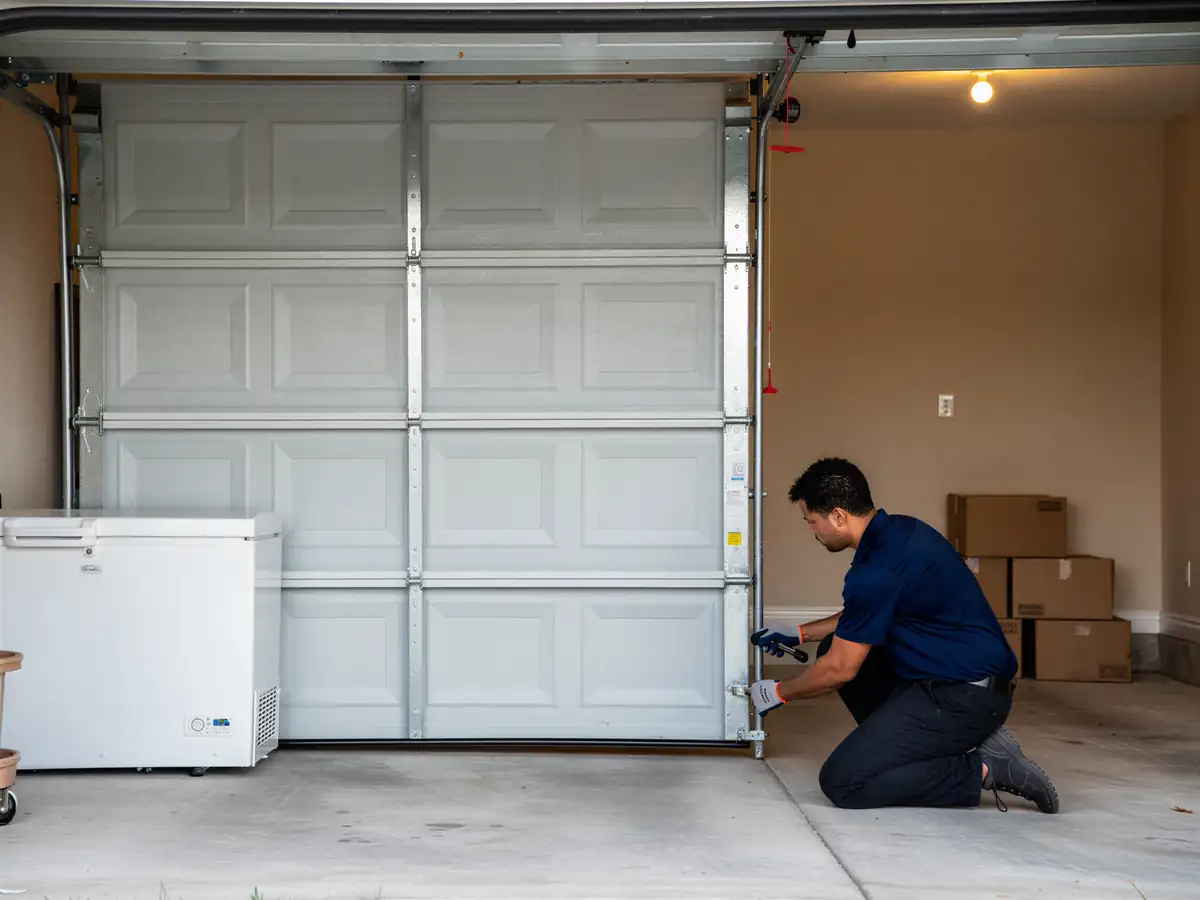
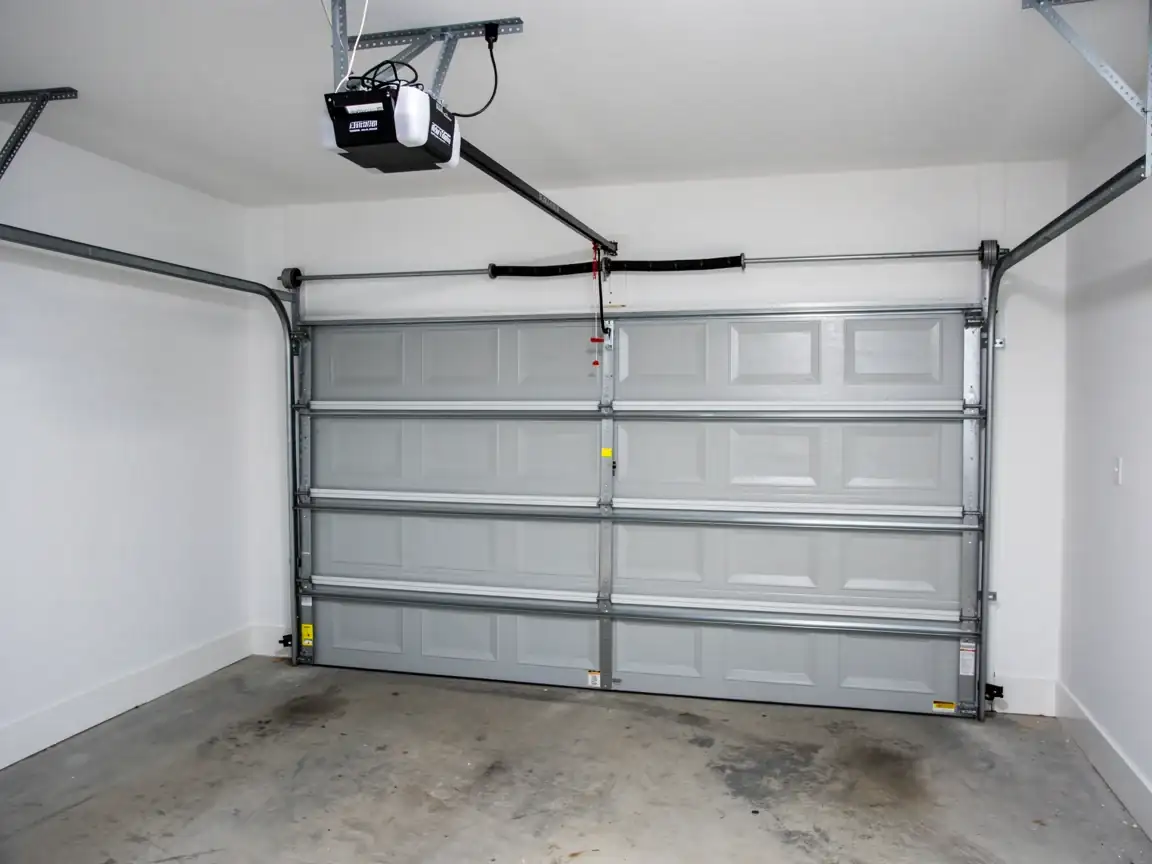
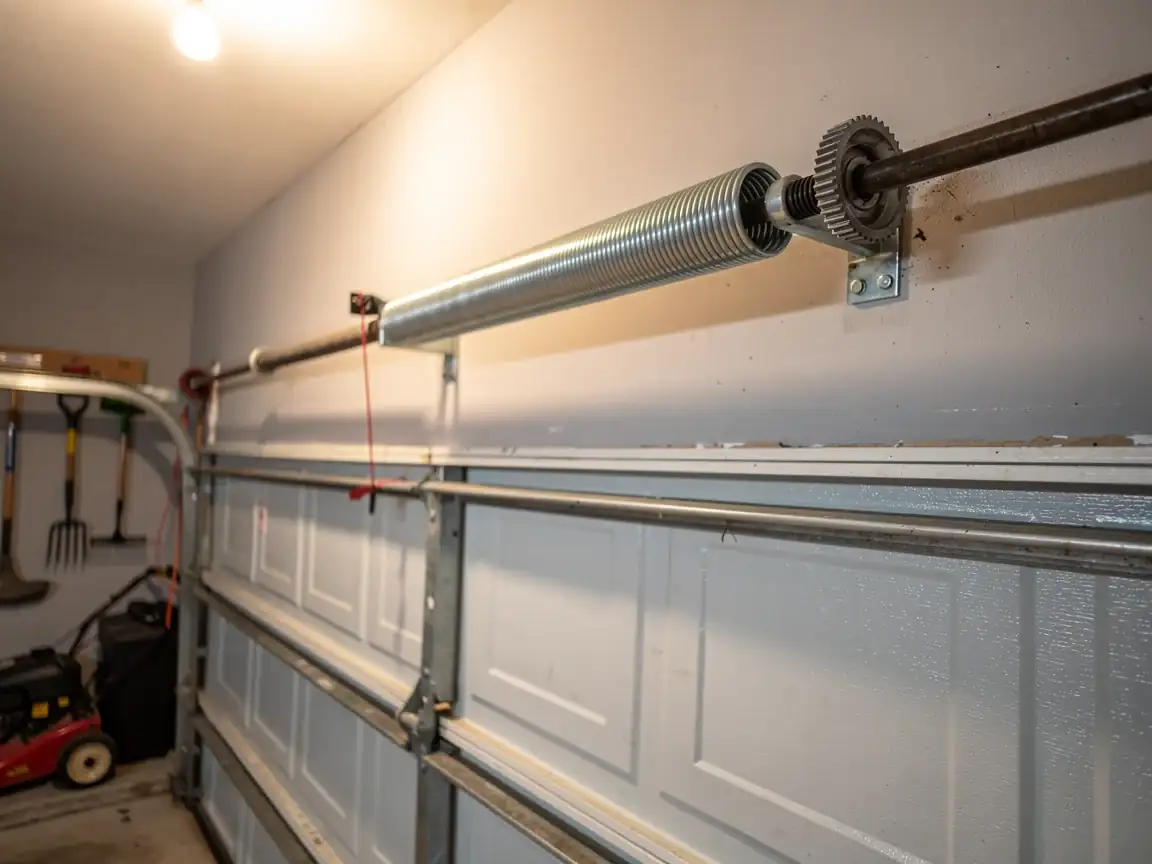
We don't post a flat number here because what a service call runs depends on what's actually wrong and what's on the door. A torsion spring job on a standard double door is a different bill than an opener gear set or a full cable replacement, and we won't quote either over the phone without seeing the hardware. What we can tell you is what drives cost in this market: most of the homes we're called to across the Memphis area were built between 1972 and 2004, with the bulk of that stock going up in the 1980s and 90s. That means a lot of original torsion springs, galvanized (not coated) cable, and steel rollers that are now 25 to 40 years old. Parts that old sometimes aren't a direct swap - we may need to adapt a bracket or upsize a spring to match current door weight, and that adds labor, not just material. If your door is original to a house built in that window, expect the estimate to account for age, not just the fault in front of us.
What Causes It Around Here
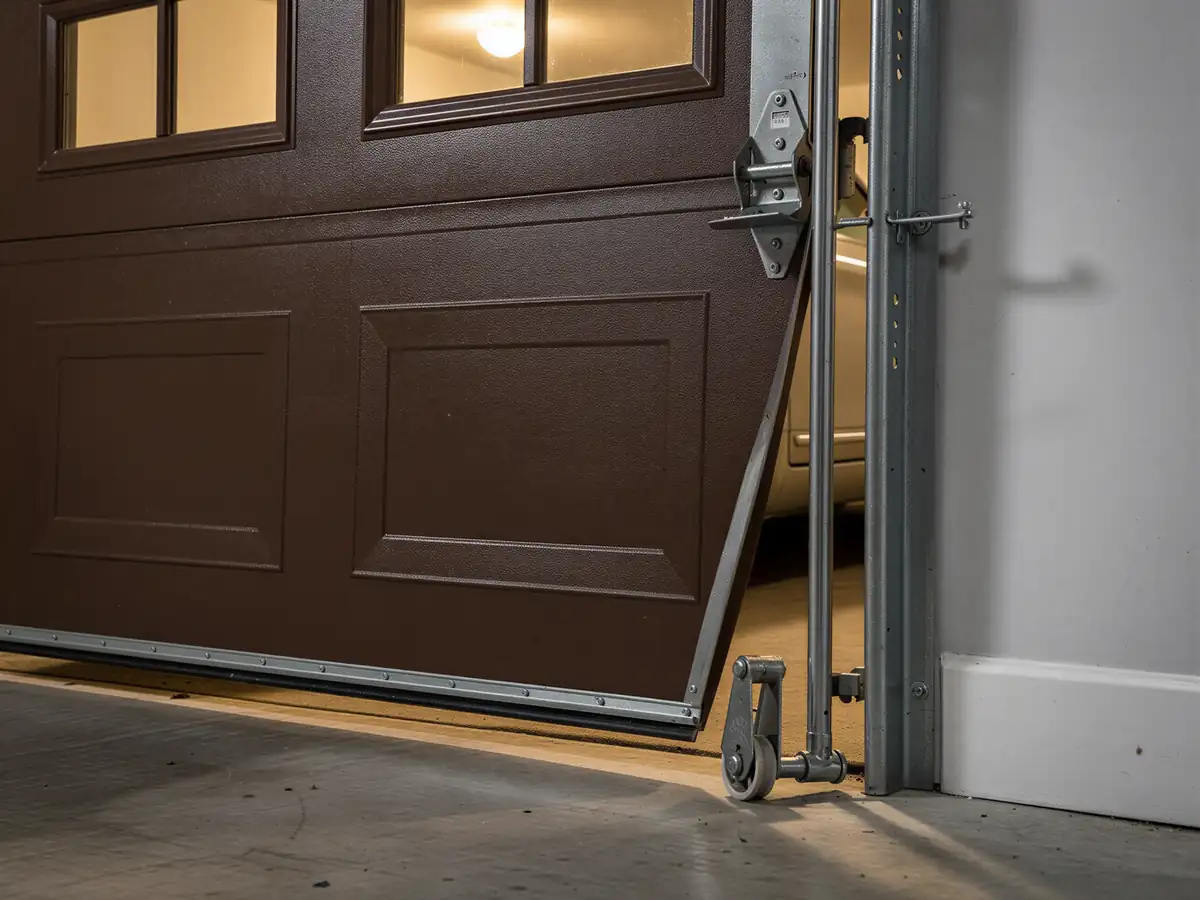
Memphis sits in a cold-moderate climate band - not brutal winters, but real swings between humid summer heat and freezing nights, sometimes in the same week. That cycling is hard on garage door hardware in a specific way: steel tracks and torsion springs expand and contract, galvanized coatings wear thin faster than they would in a steady climate, and cable strands fray at the drum where moisture collects overnight and dries out by noon. Combine that with housing stock that's mostly 1980s and 90s build across the neighborhoods we cover, and you get a predictable failure pattern - not sudden, but steady wear that shows up as the door gets older. A spring rated for 10,000 cycles doesn't care what decade it was installed, but a spring that's been flexing through 30-plus years of Memphis humidity swings is closer to the end of that count than the same spring in a dry climate. We see this pattern across and the Heights just as often as in newer pockets near - the age of the door matters more than the zip code.
Doing It Yourself
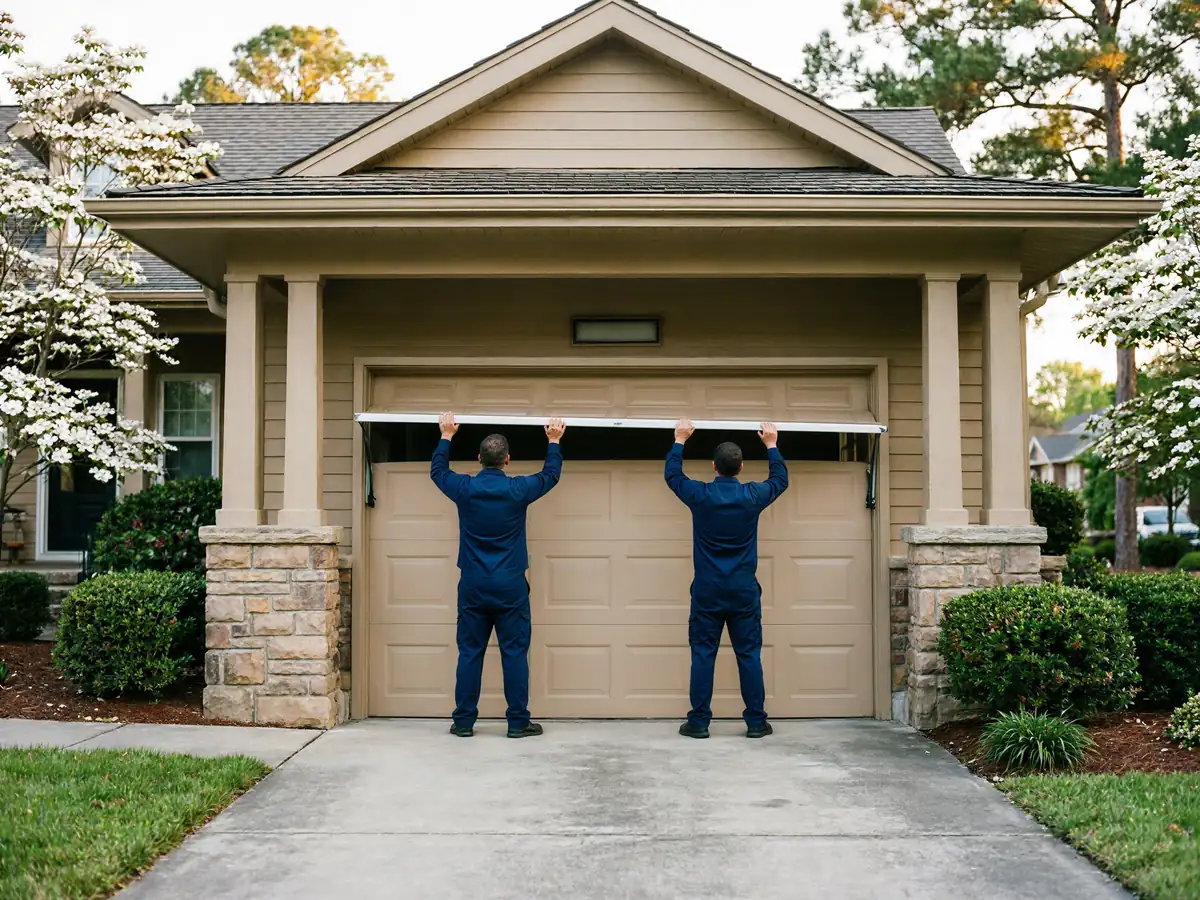
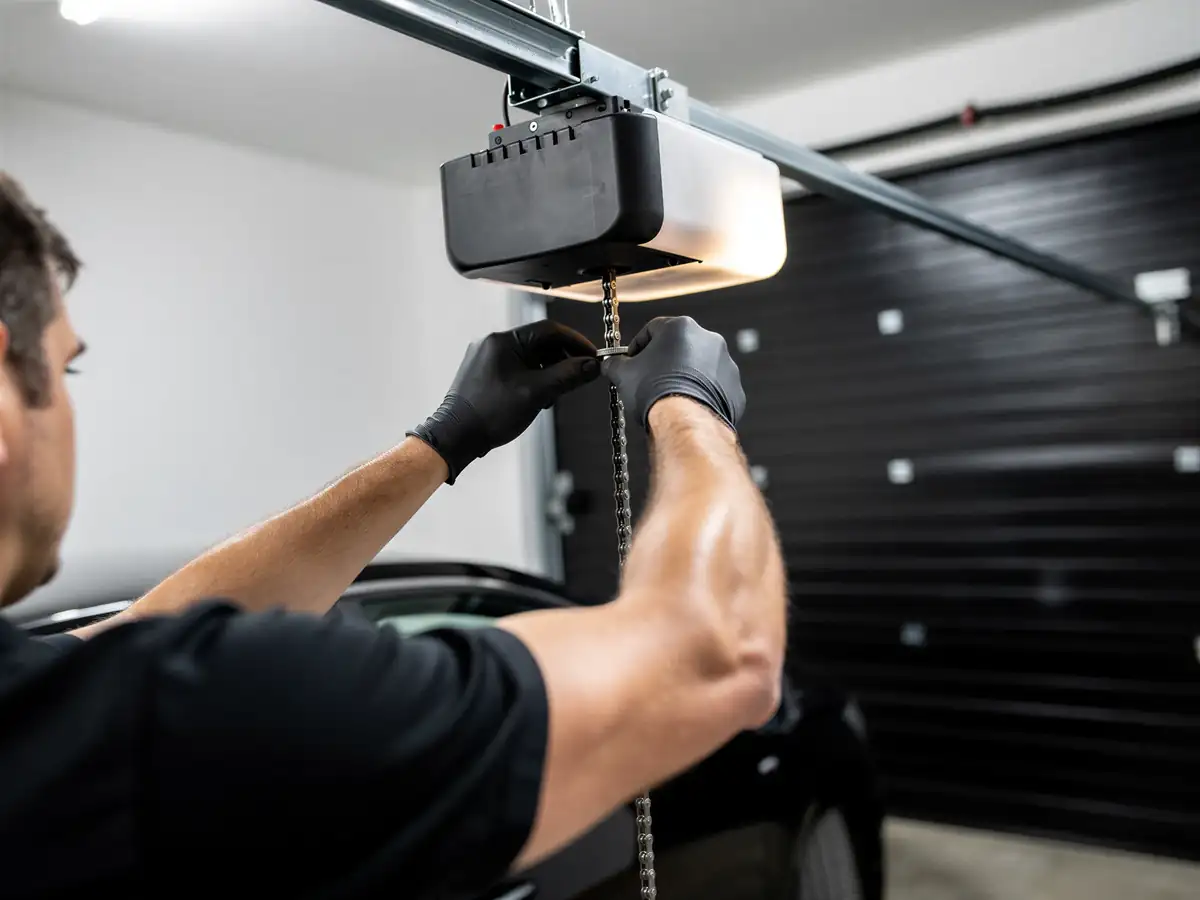
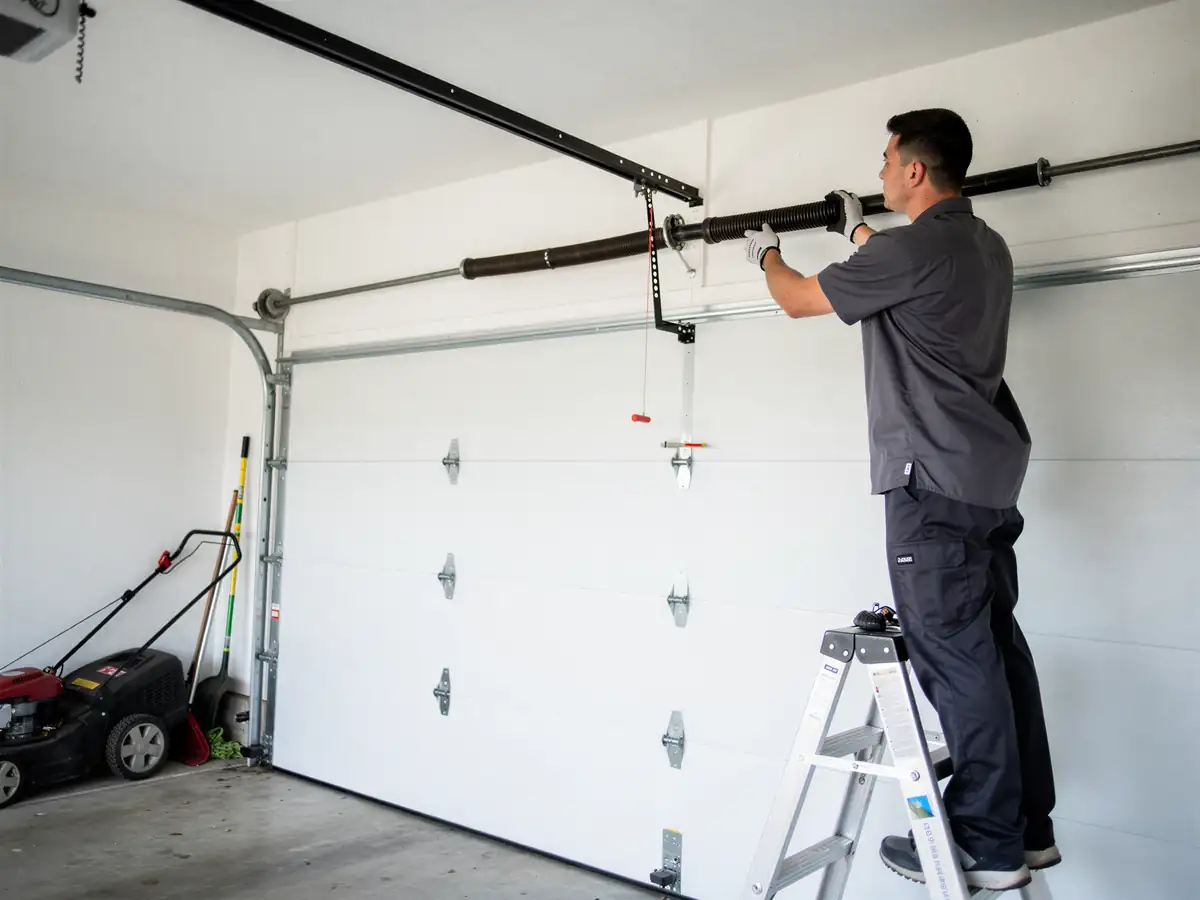
Lubricating hinges and rollers with a light garage door lubricant, checking that the photo-eye sensors are clean and aligned, and tightening loose bolts on the track brackets are all things a homeowner can reasonably do and that we'd tell you to do before calling anyone. What we won't walk you through on the phone is touching the torsion spring itself. A wound torsion spring under tension can cause a serious injury if it releases wrong, and on a door this old the spring may be weaker than it looks, which makes it less predictable, not more. If your door is stuck in the up position or won't move at all, leave the spring and cable alone and call. That's the one limitation we're upfront about - we'll tell you what you can safely check yourself, but spring and cable work on an older door isn't a weekend project, it's a service call.