The Drive Over
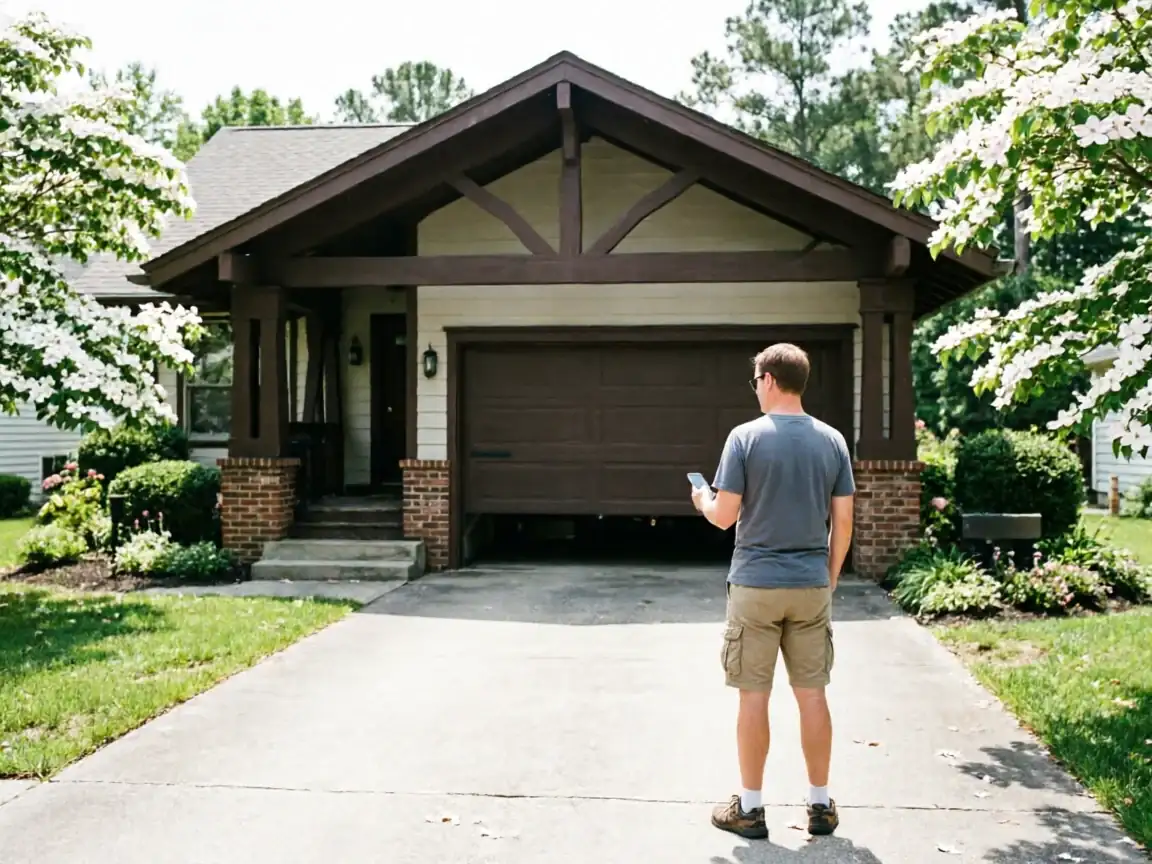
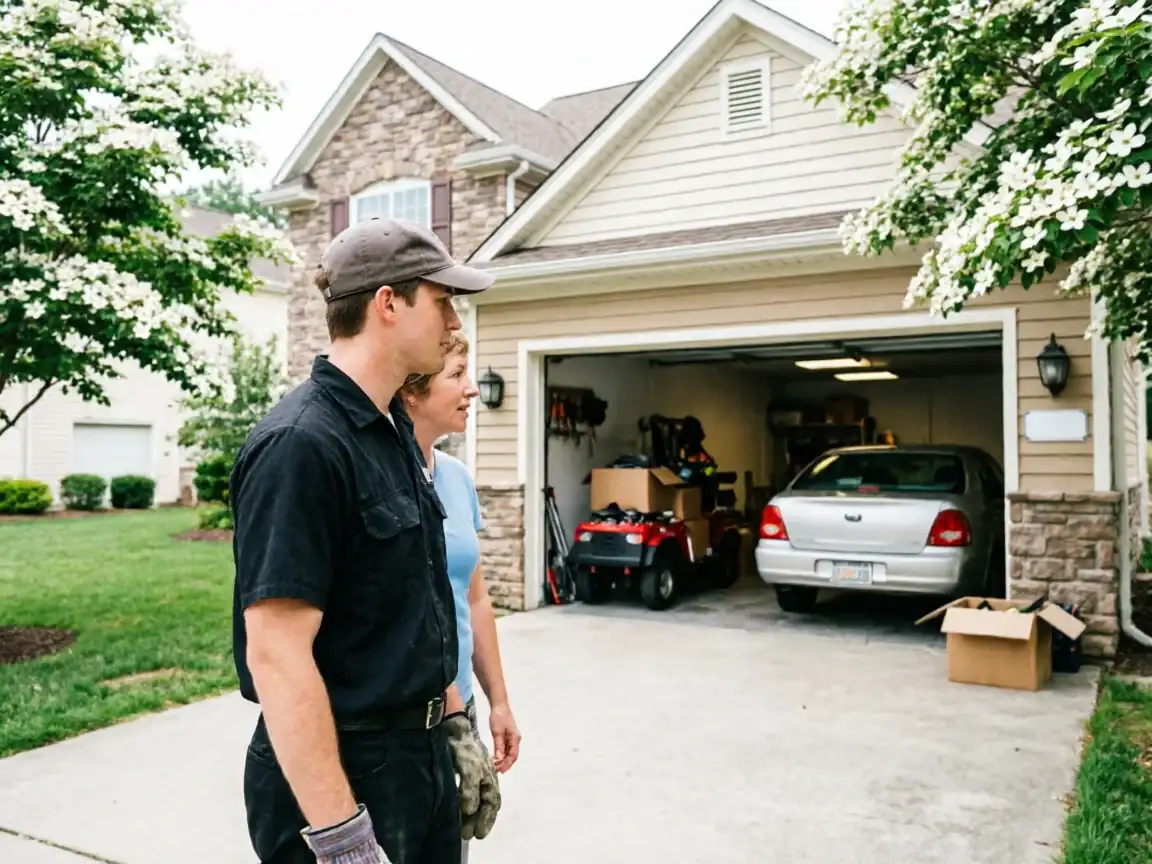
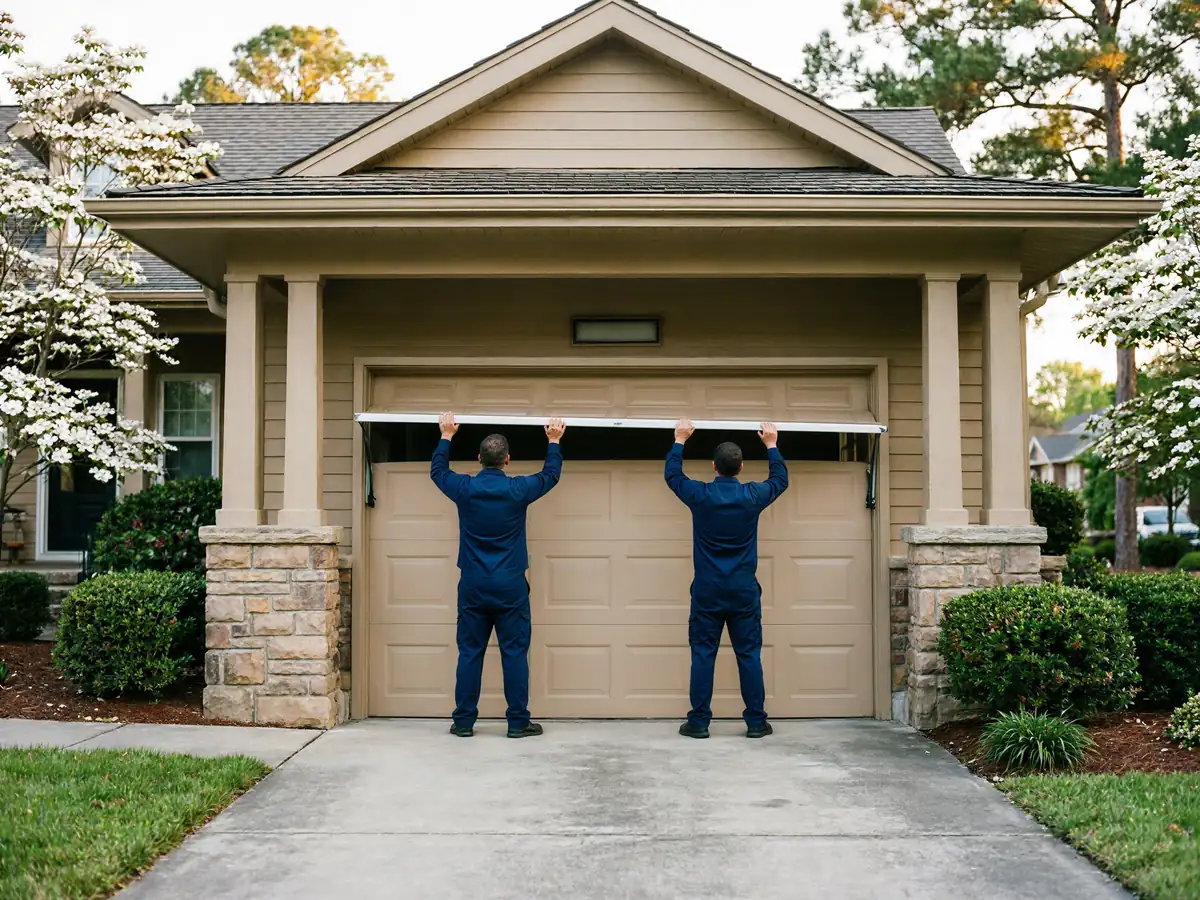
We run out to Arlington from our base in Memphis, about 20 miles each way. That's the longest regular haul in our coverage area, so when you call, we're scheduling the trip, not sending a truck that's already around the corner. We don't have a depot out here and we're not going to pretend otherwise. What we can tell you is that the drive doesn't change the work once we're in your driveway - the same tech who handles a spring job in handles one in Arlington. If you need something same-day, say so when you call, and we'll tell you straight whether that's realistic given where the truck is that morning.
What We Do Not Do
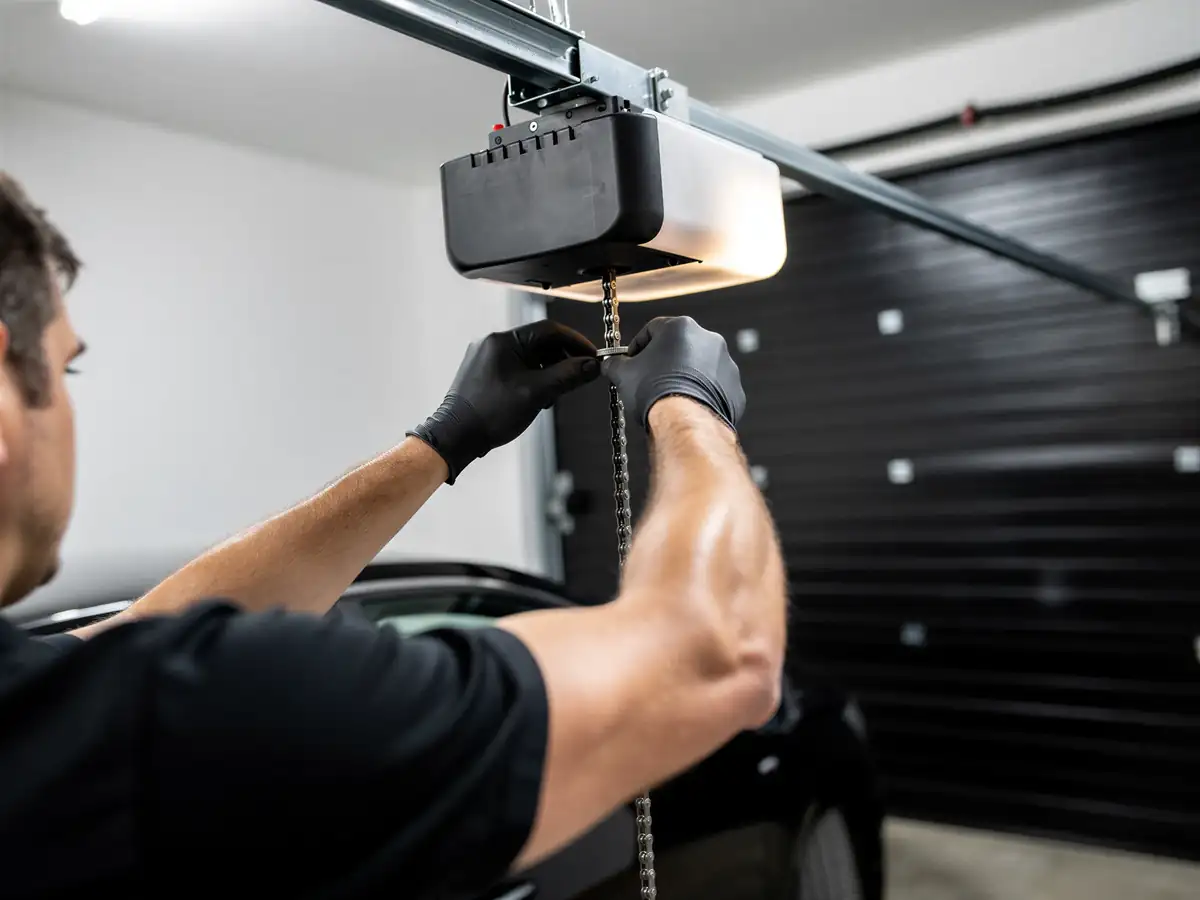
We don't carry every opener brand's proprietary logic board on the truck, and if your opener needs one, that can mean a return trip once we've ordered the part. We don't do new home construction installs - we work on doors that already exist. And we're not going to tell you to replace a door that just needs a roller and a tune-up; if the fix is cheap and the door's got years left, we'll say so even if a new door pays us more. Given the distance out to Arlington, we also won't promise an emergency window measured in minutes - we'll give you an honest estimate of when we can actually be there, and if that's not fast enough for a genuine lockout situation, we'll tell you that too instead of overpromising.
How That Shows Up in the Door
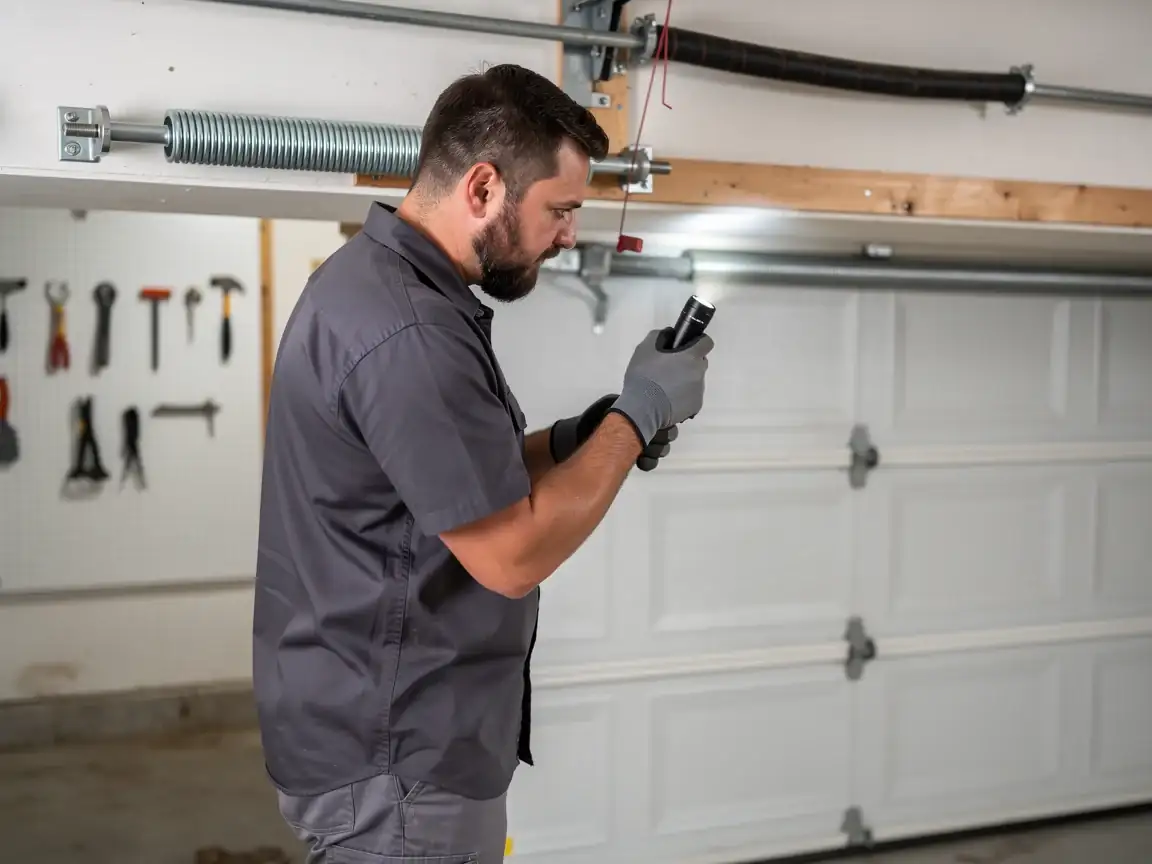
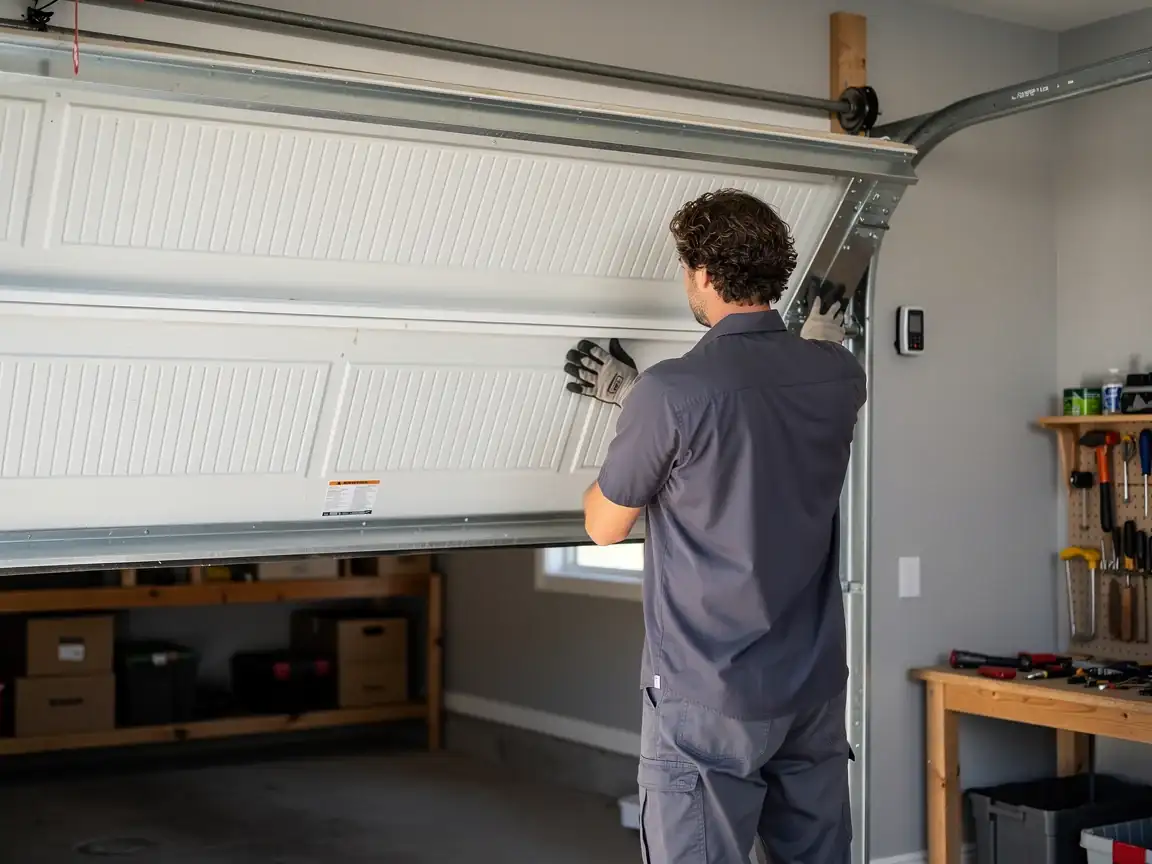
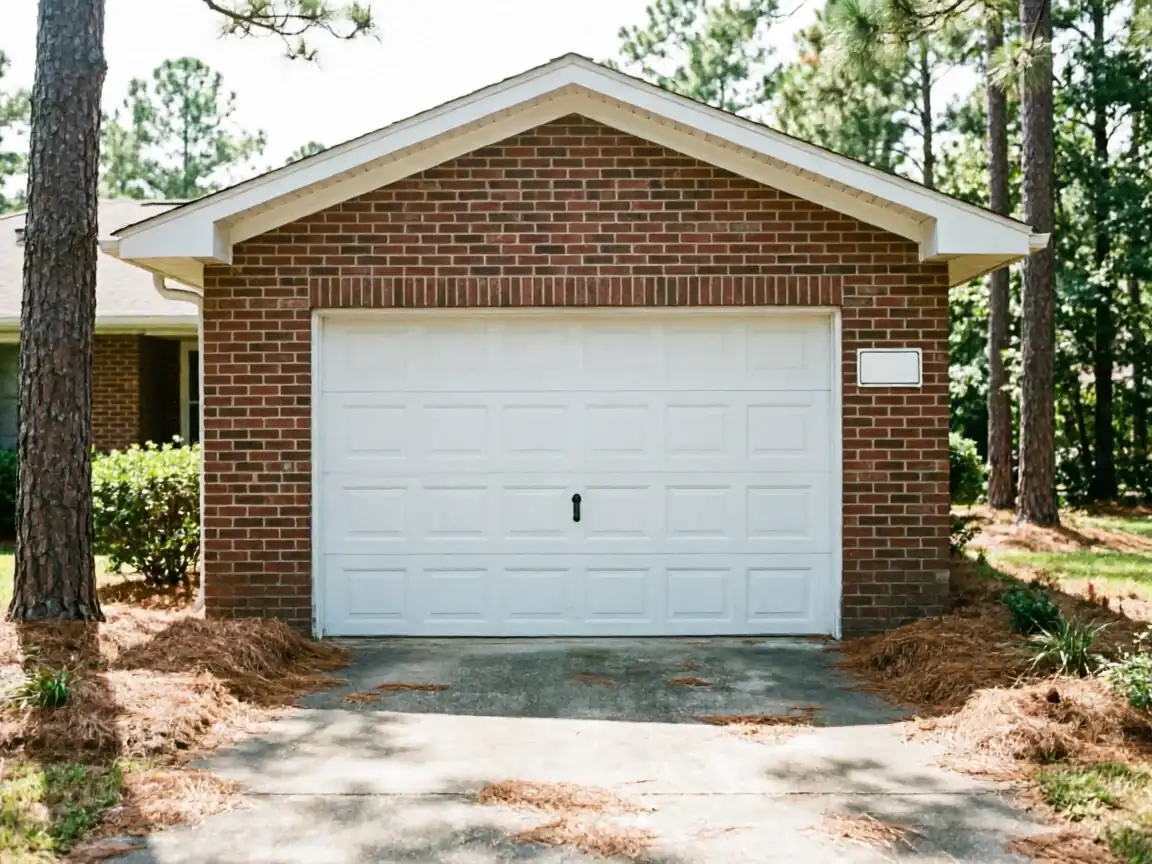
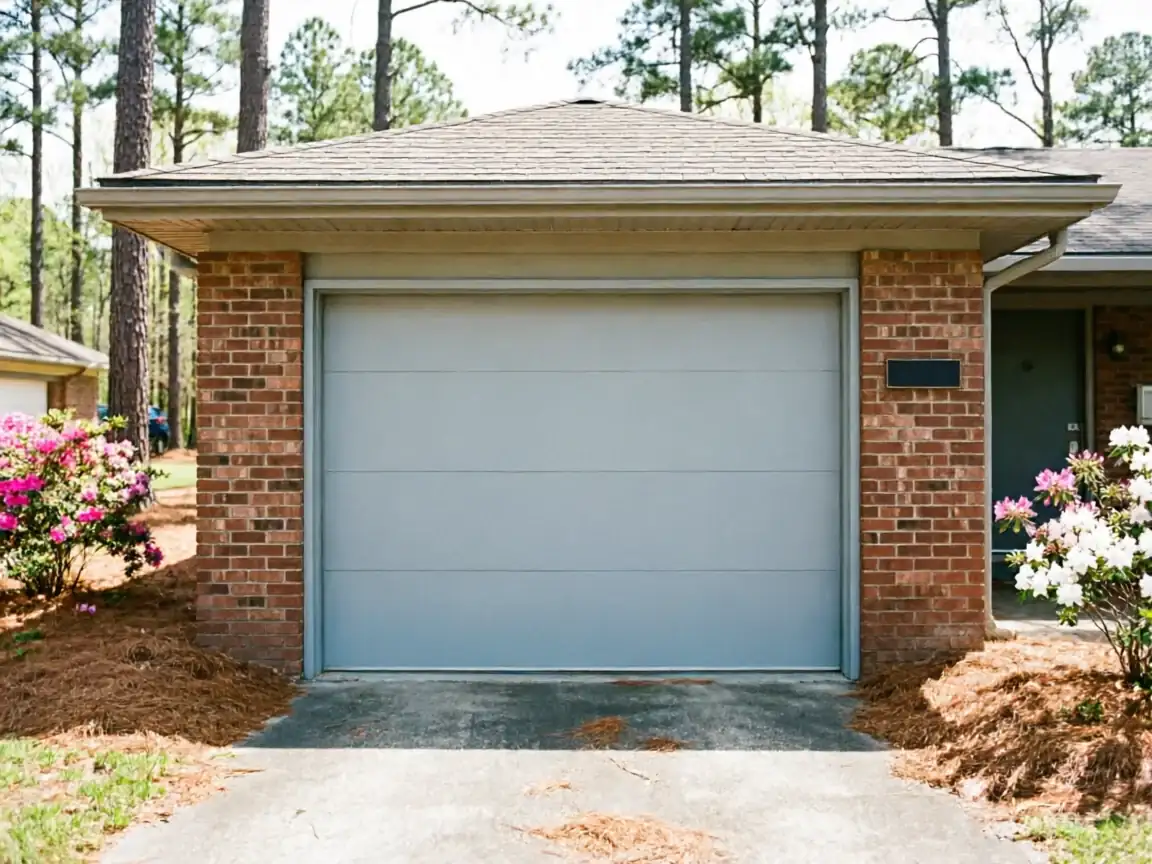
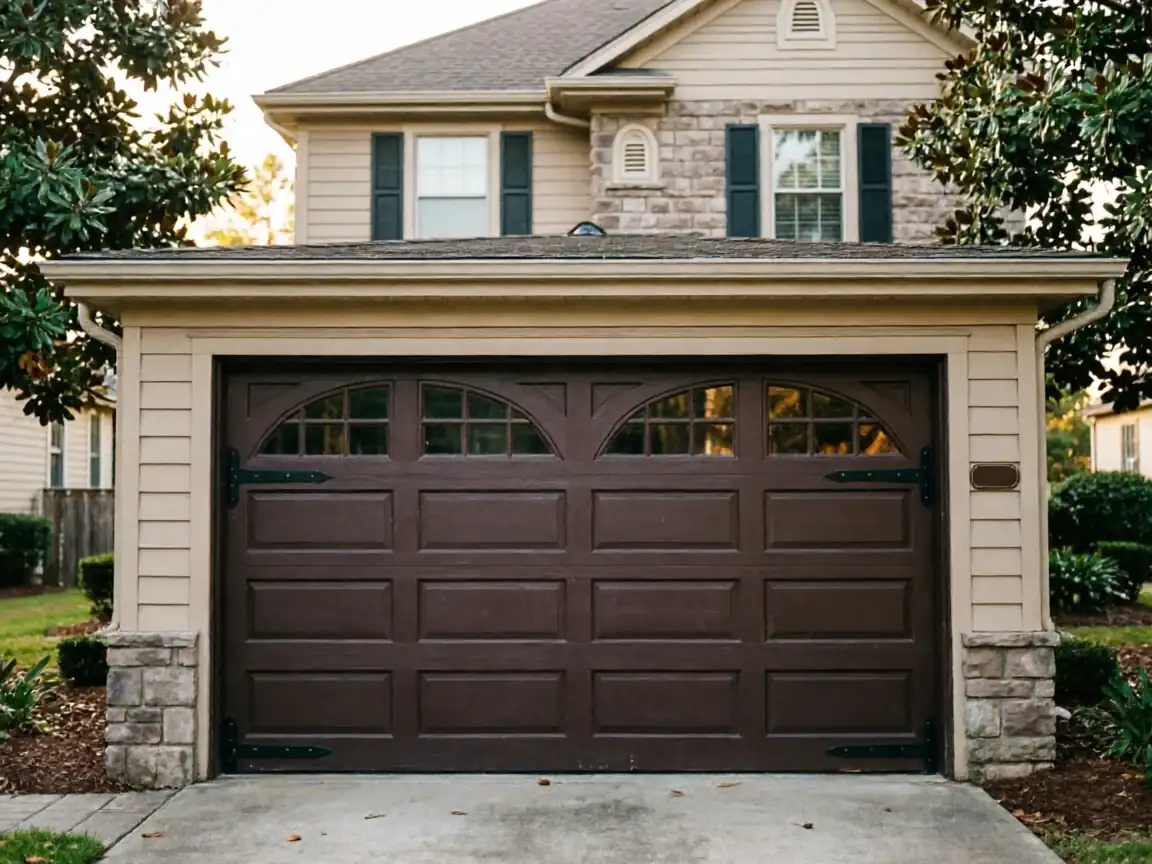
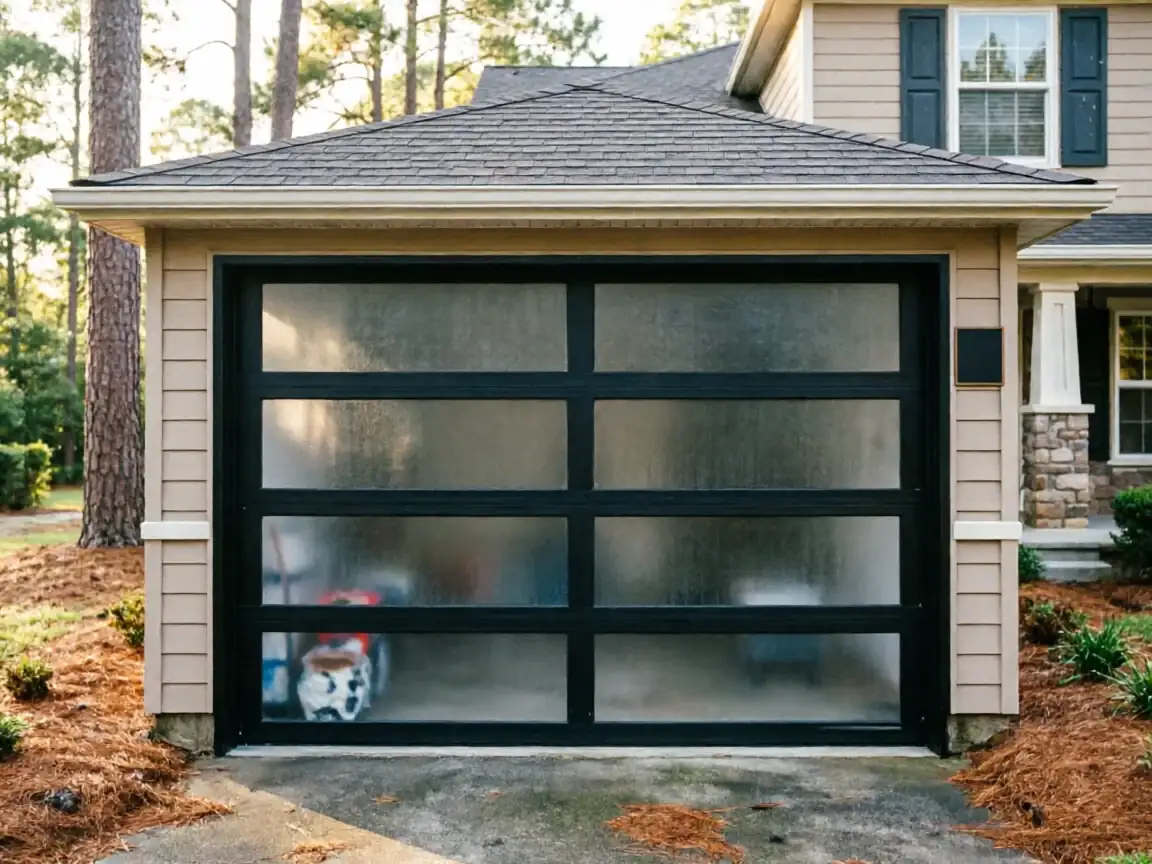
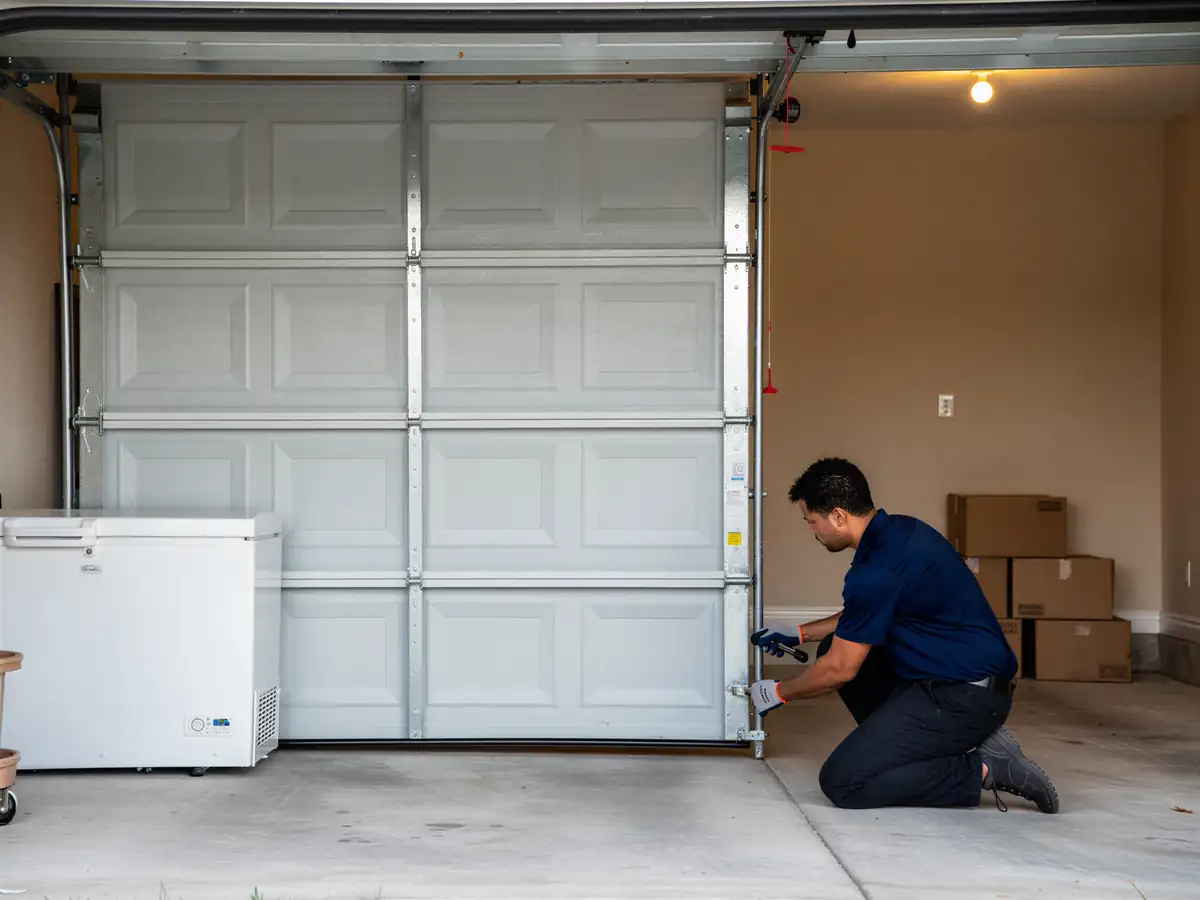
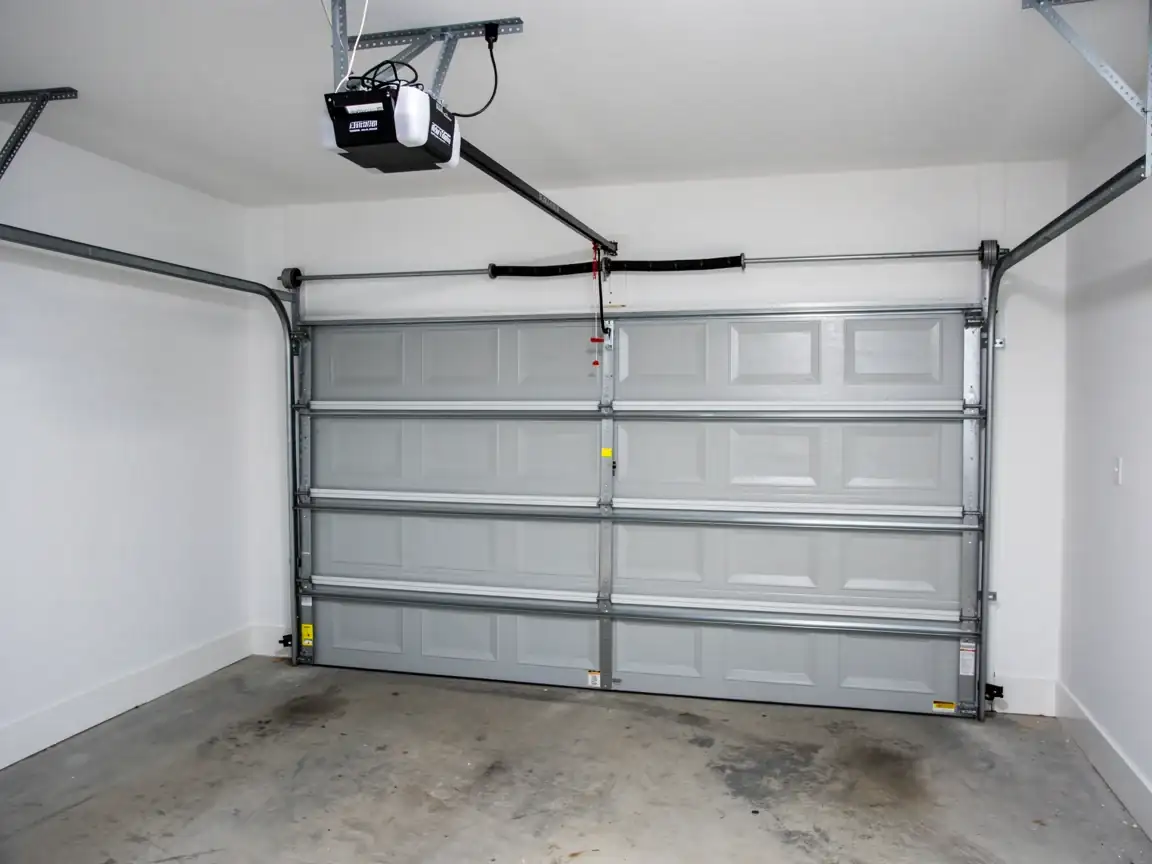
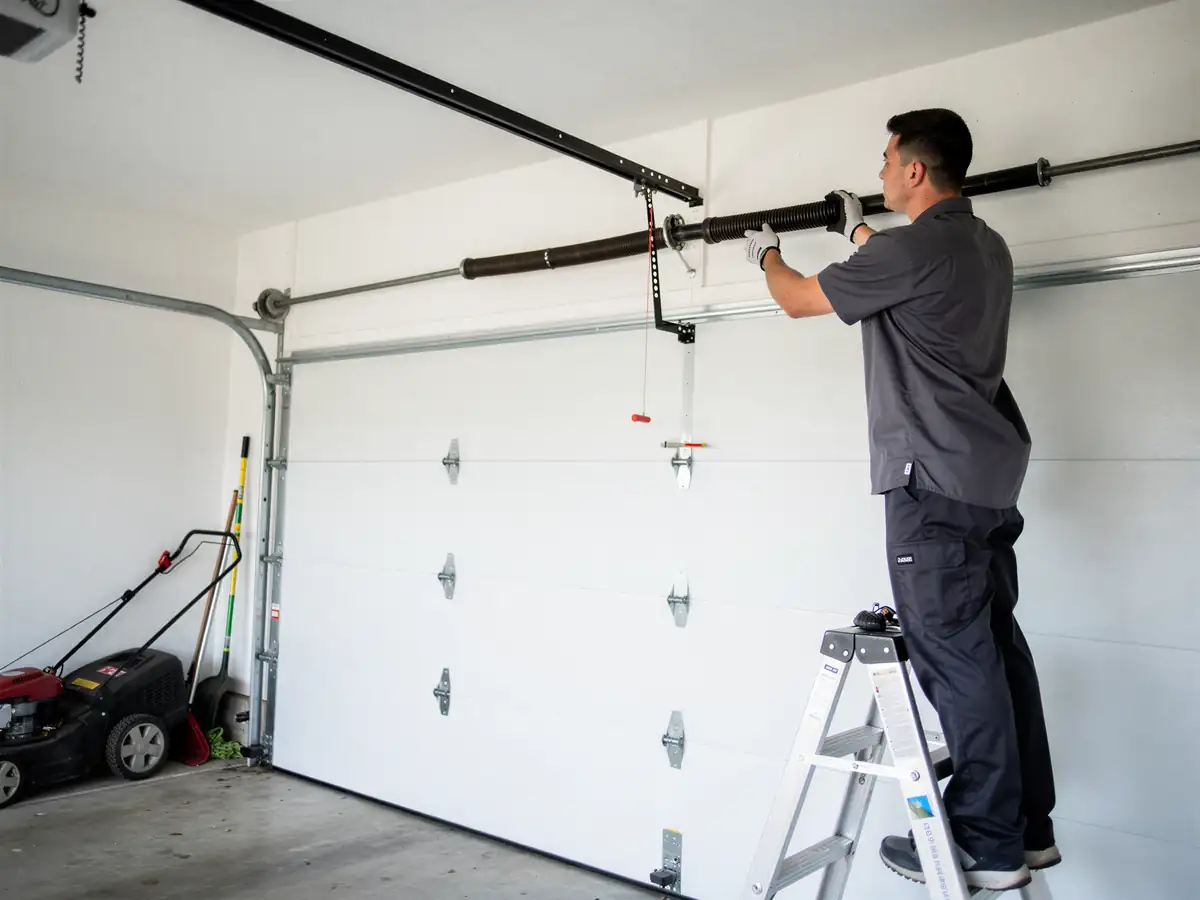
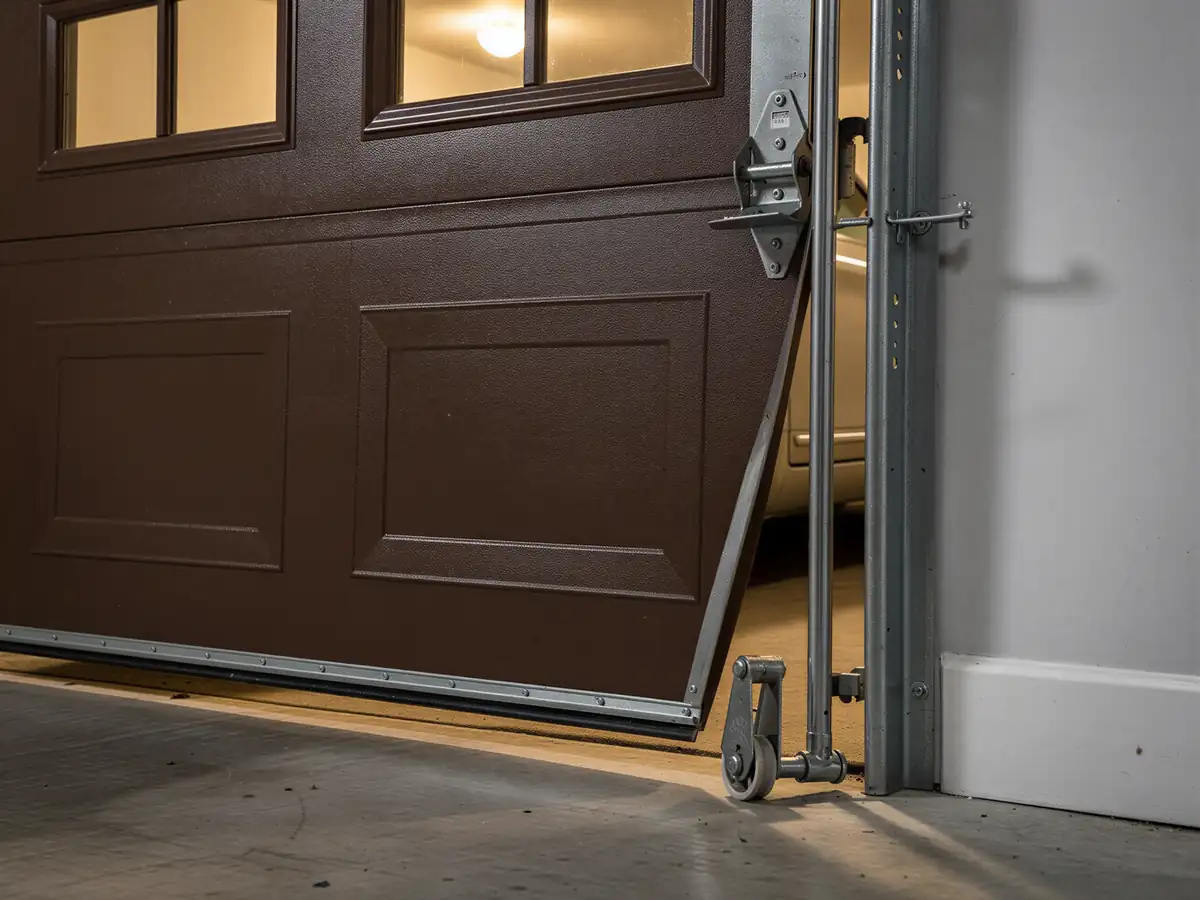
A door put in around 2004 is a different animal from one put in during the 1970s or 80s. You're more likely to find steel sectional doors on extension or torsion springs sized for a lighter panel, and openers with circuit boards instead of pure mechanical relays - meaning when something fails, it's as likely to be a sensor or logic board issue as a worn spring. These houses haven't hit the age where original springs are routinely blowing out from fatigue; what we see more of in newer-build areas is opener electronics aging out, weak photo-eye alignment from settling, and the first wave of worn rollers rather than the hardware-replacement jobs common in 1950s and 60s housing. The COLD moderate climate band here still means winter stiffens grease and shortens battery life in backup units, so cold-weather no-opens are worth checking before you assume the whole opener's dead.