The Drive Over
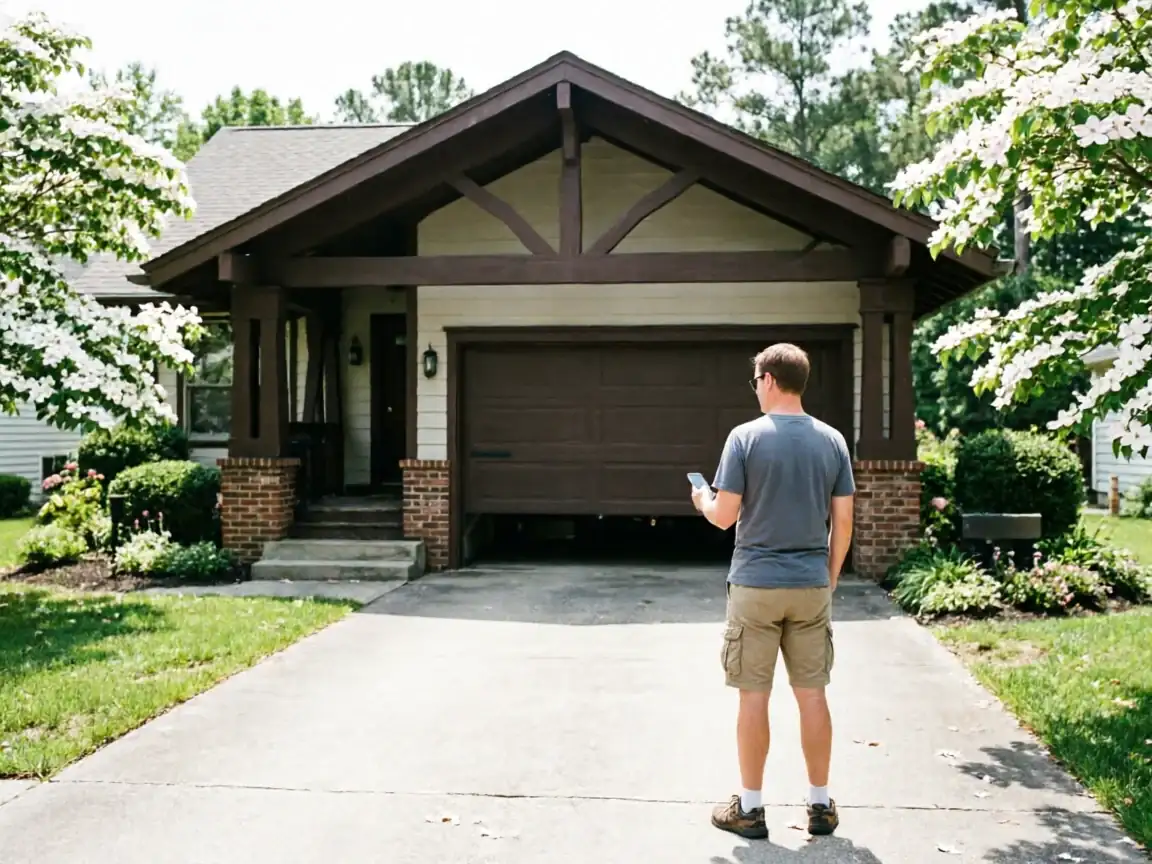
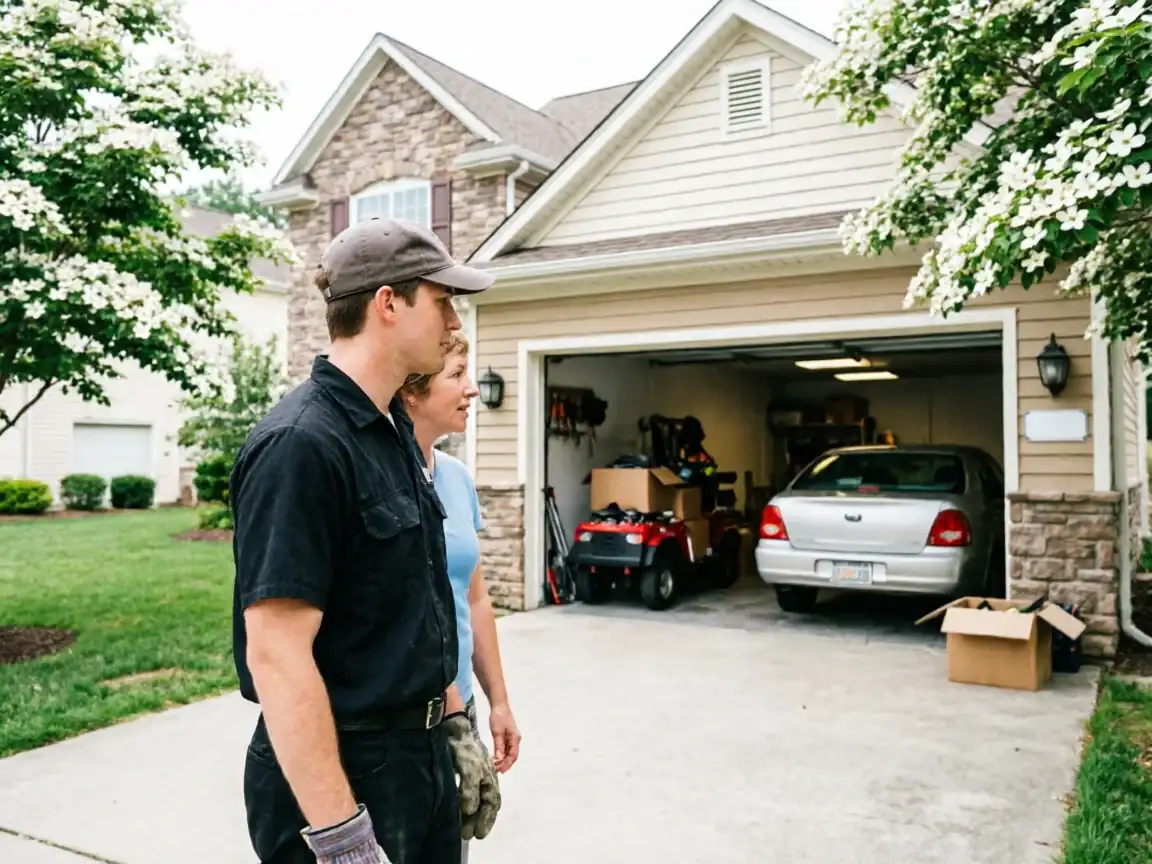
We're based in Memphis, and Millington sits about 16 miles out, so we're not sitting on a side street waiting for the phone to ring here. What that means in practice: we don't claim a depot in town, and we're not going to pretend we can beat a same-hour window every single time. What it doesn't mean is that we treat the job any different once we're in your driveway. The truck comes loaded for the kind of doors this area actually has, not a generic parts kit built for whatever's average across the whole metro.
Millington's median household income runs around $51,695, noticeably lower than the broader service area's $119,876, and with about 4,469 households in town, this isn't a market where people are replacing a door because it's dated. Folks here fix what's on the house. We price and stock accordingly - we'd rather talk you through a spring swap than push a full door nobody asked for.
What We Do Not Do
We don't carry a show room of doors, and we don't do new construction framing or masonry work around a garage opening - if the jamb's rotted out or the header needs rebuilding, that's a carpenter's job before it's ours. We also don't stock every obscure opener board on the market; some of the older chain-drive units out here take a week or more to source a logic board for, and we'll tell you that up front rather than string you along.
We don't do emergency dispatch from a local base, because there isn't one - every call to Millington is a drive from Memphis. If you need a door looked at the same hour on a holiday, we'll be honest about what's realistic given the distance rather than promise something we can't keep.
What Was Built Here
The broader service area we cover has housing built mostly between 1972 and 2004
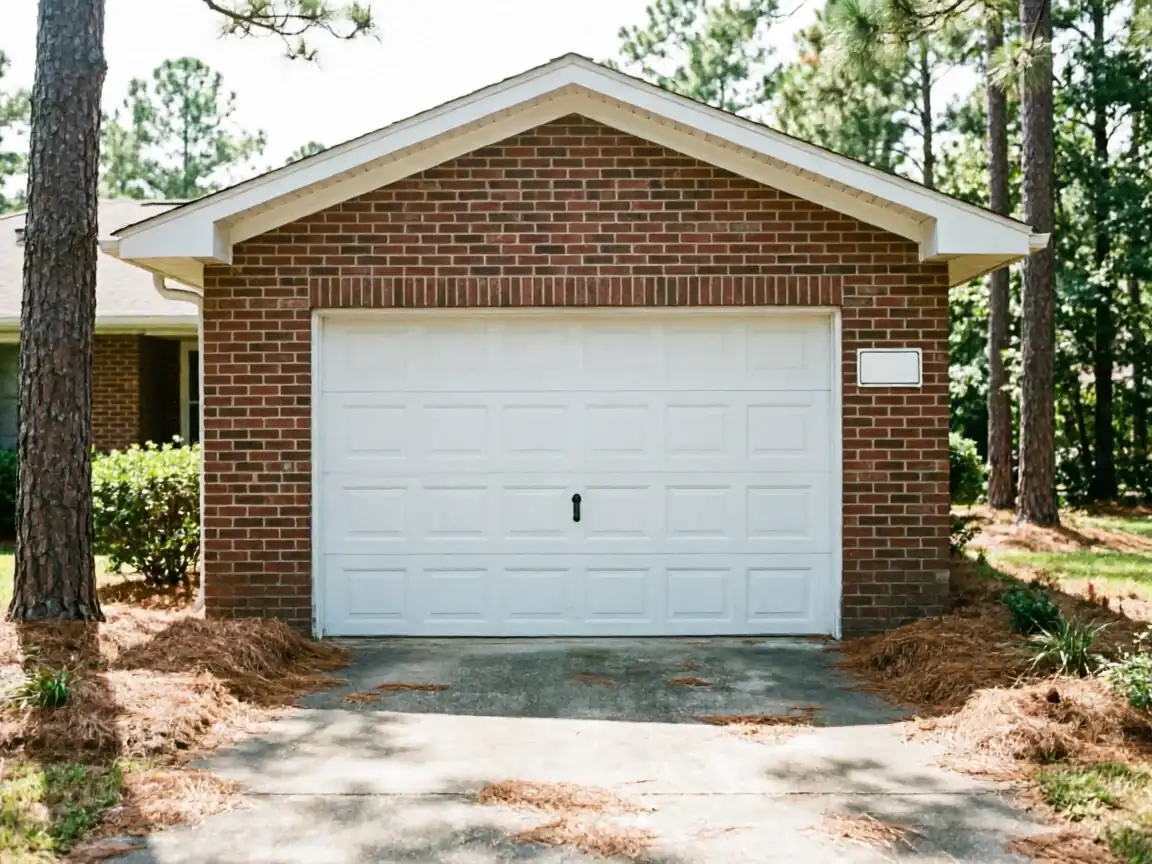
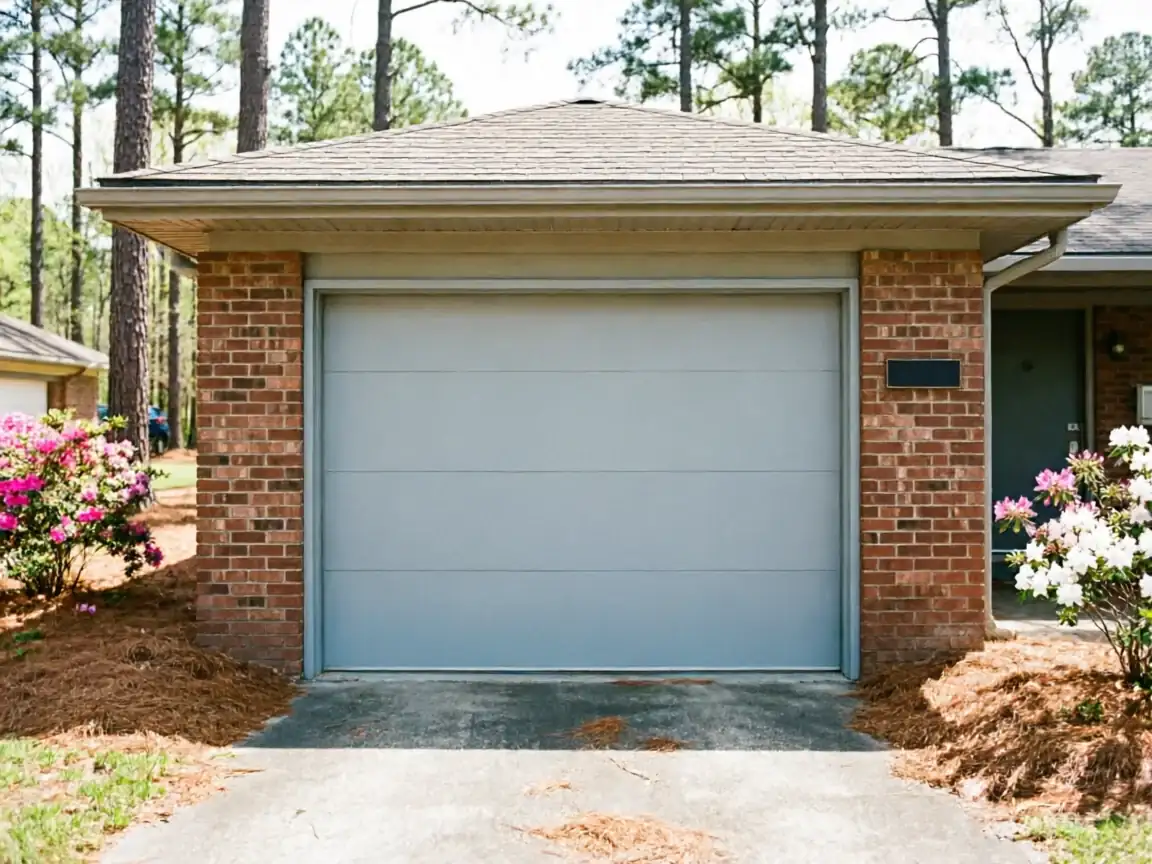
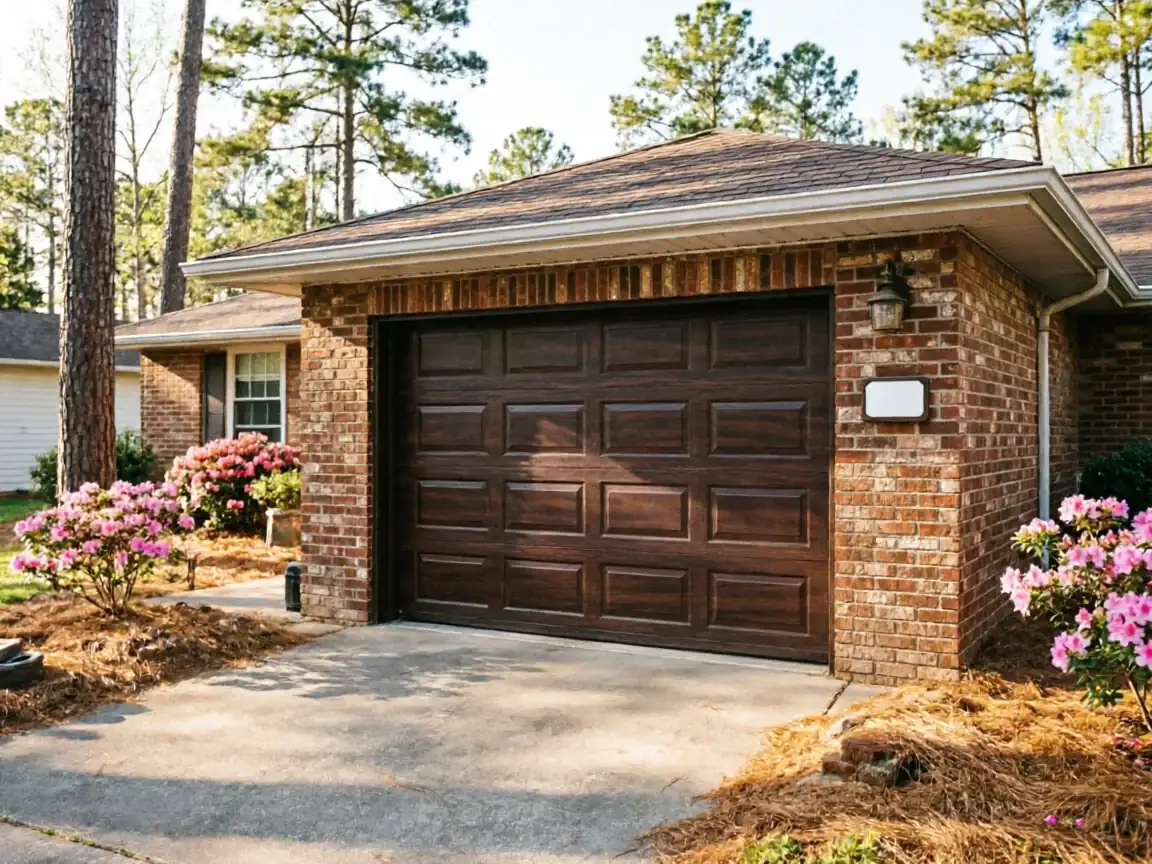
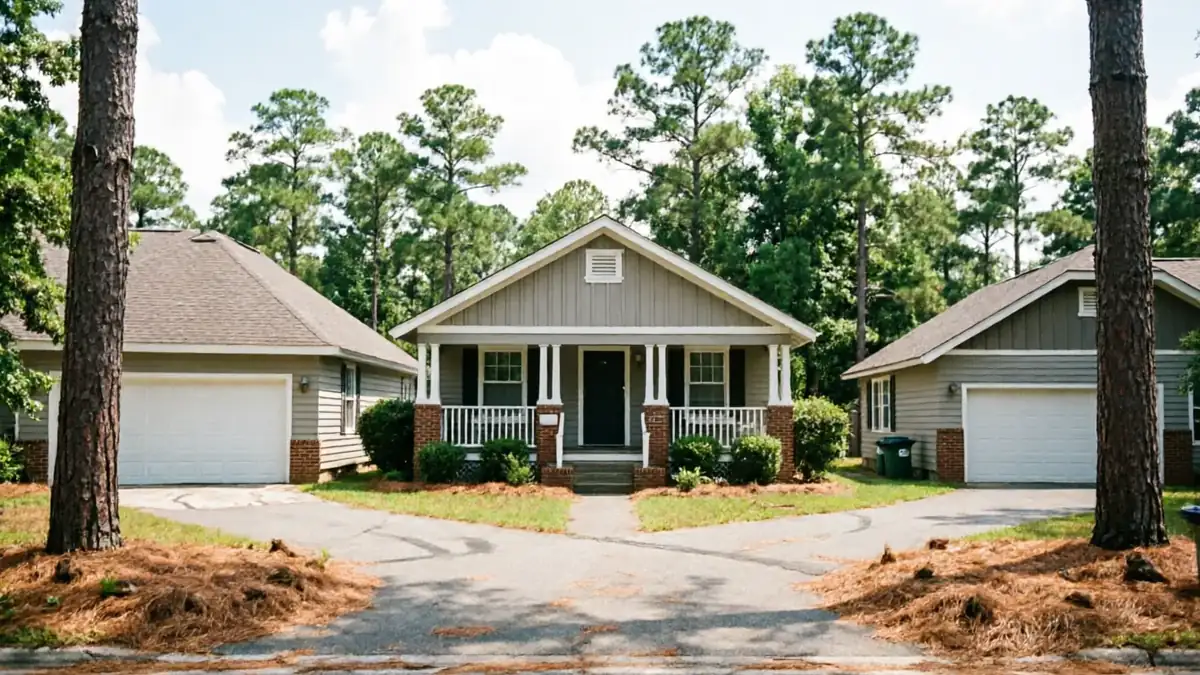
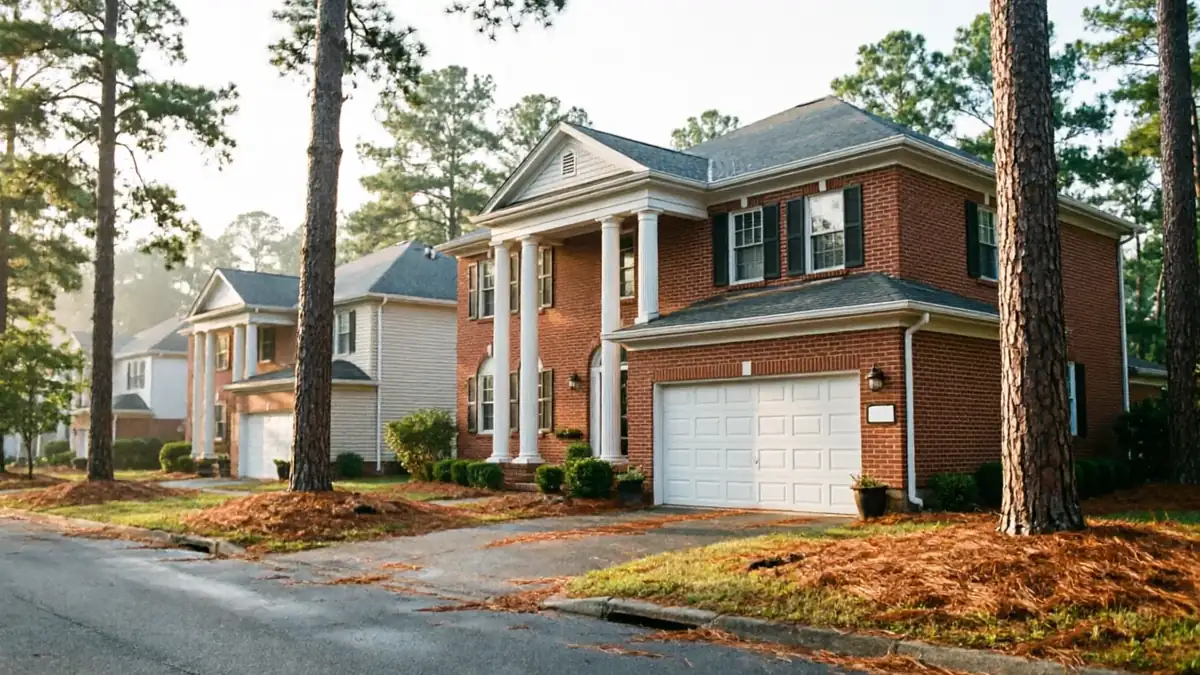
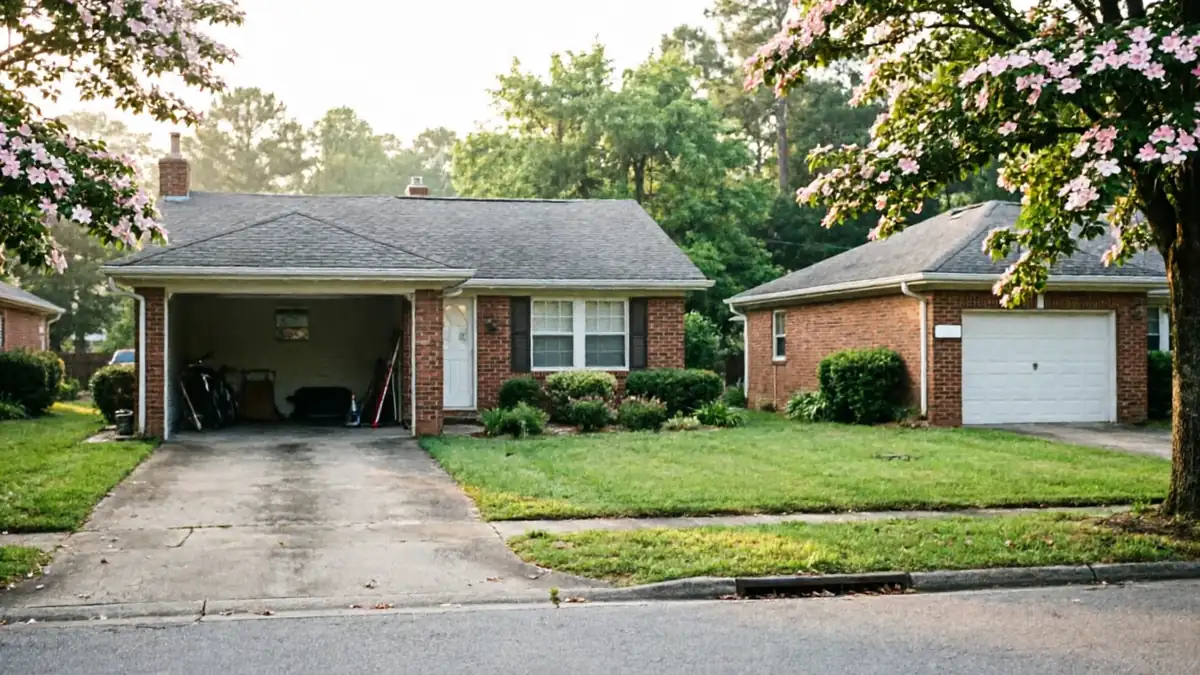
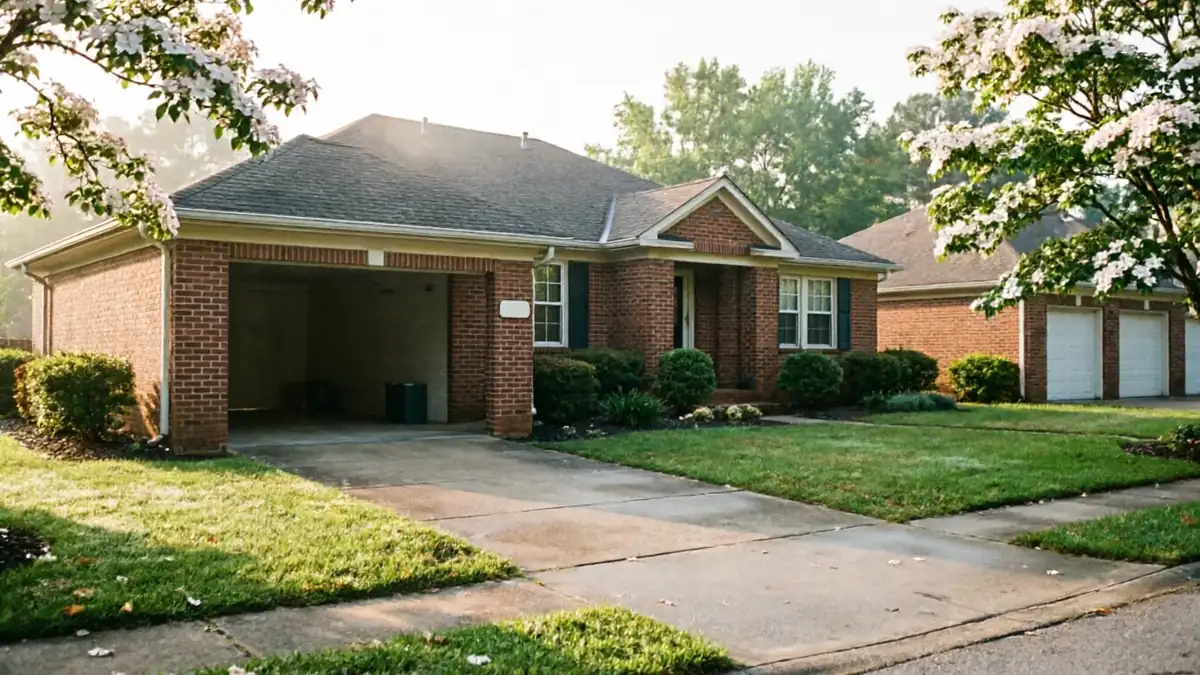
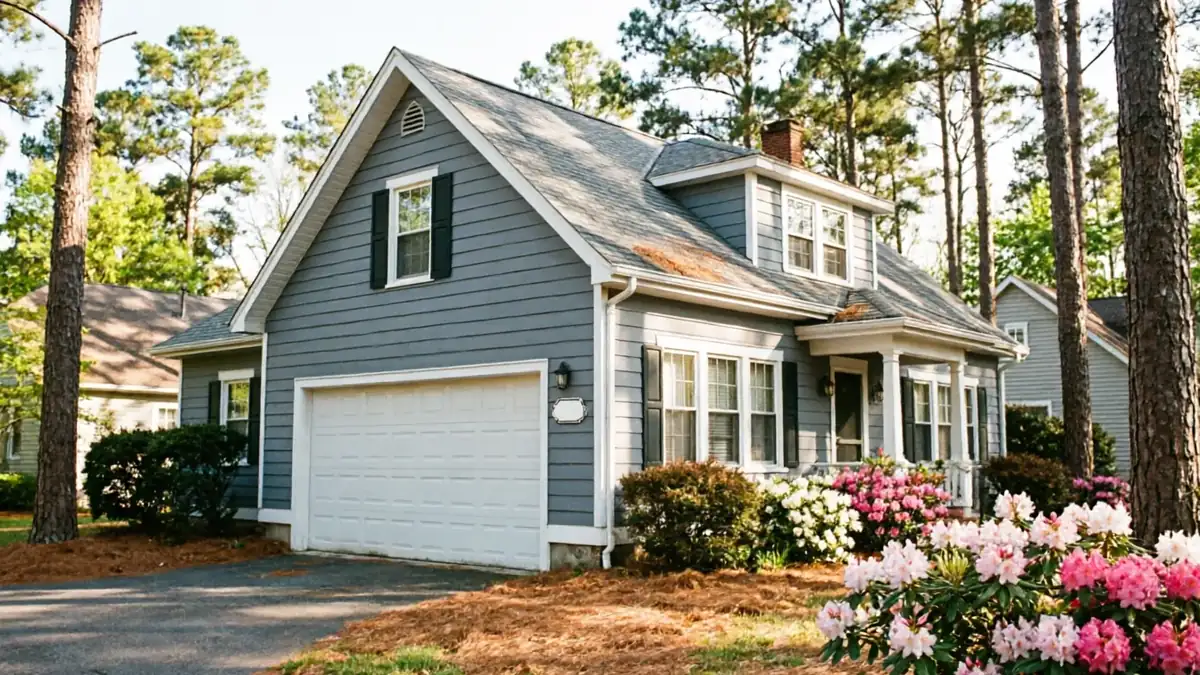
With a median year of 1990 - a lot of that is 1980s and 90s stock. Millington skews older than that median: the typical house here was built right around 1972. That ten-to-twenty-year gap matters more than it sounds like. Houses from 1972 were commonly built with single-piece doors on extension spring hardware, not the sectional torsion setups that became standard through the 80s and 90s elsewhere in the service area.
We're in a cold-moderate climate band here
Which over fifty years means a lot of expansion and contraction on whatever steel is still original. Combine an older build year with that kind of weather cycling and you get hardware that's outlived its spec by decades in some houses, even if the door panel itself got swapped out at some point.
How That Shows Up in the Door
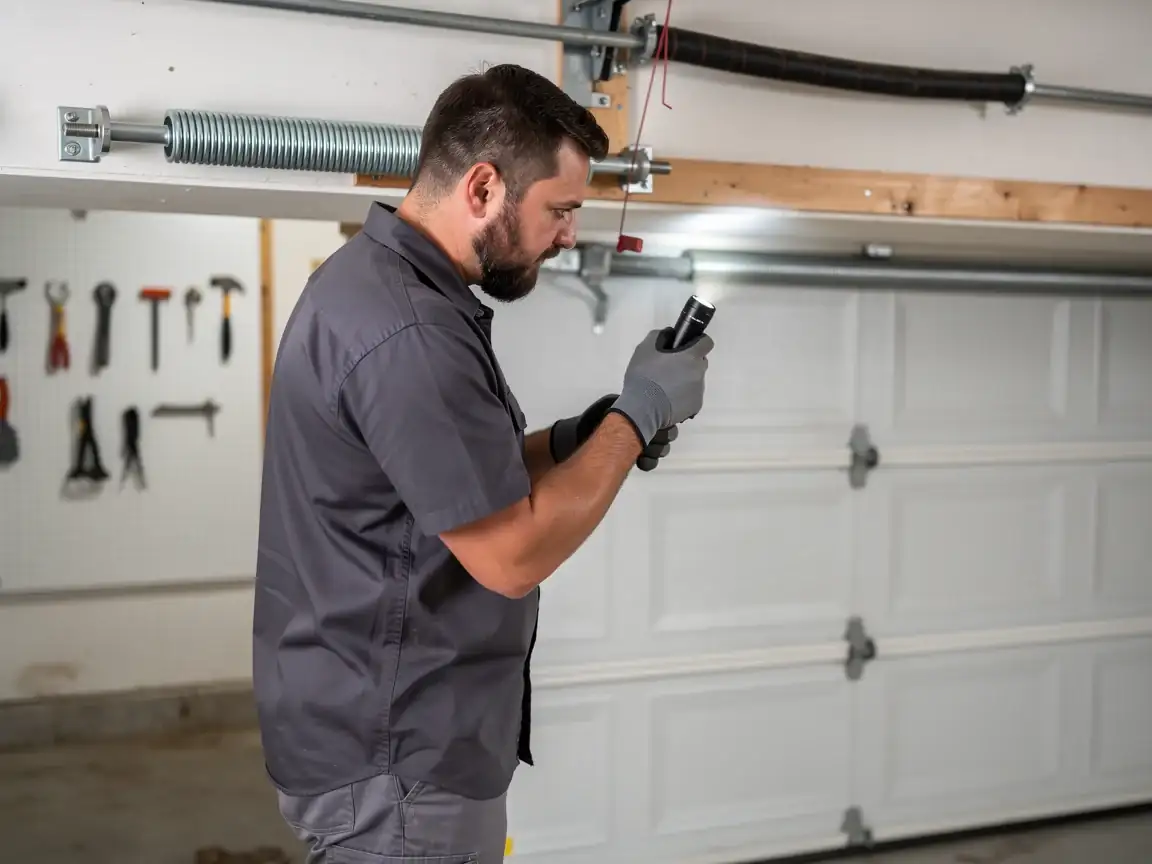
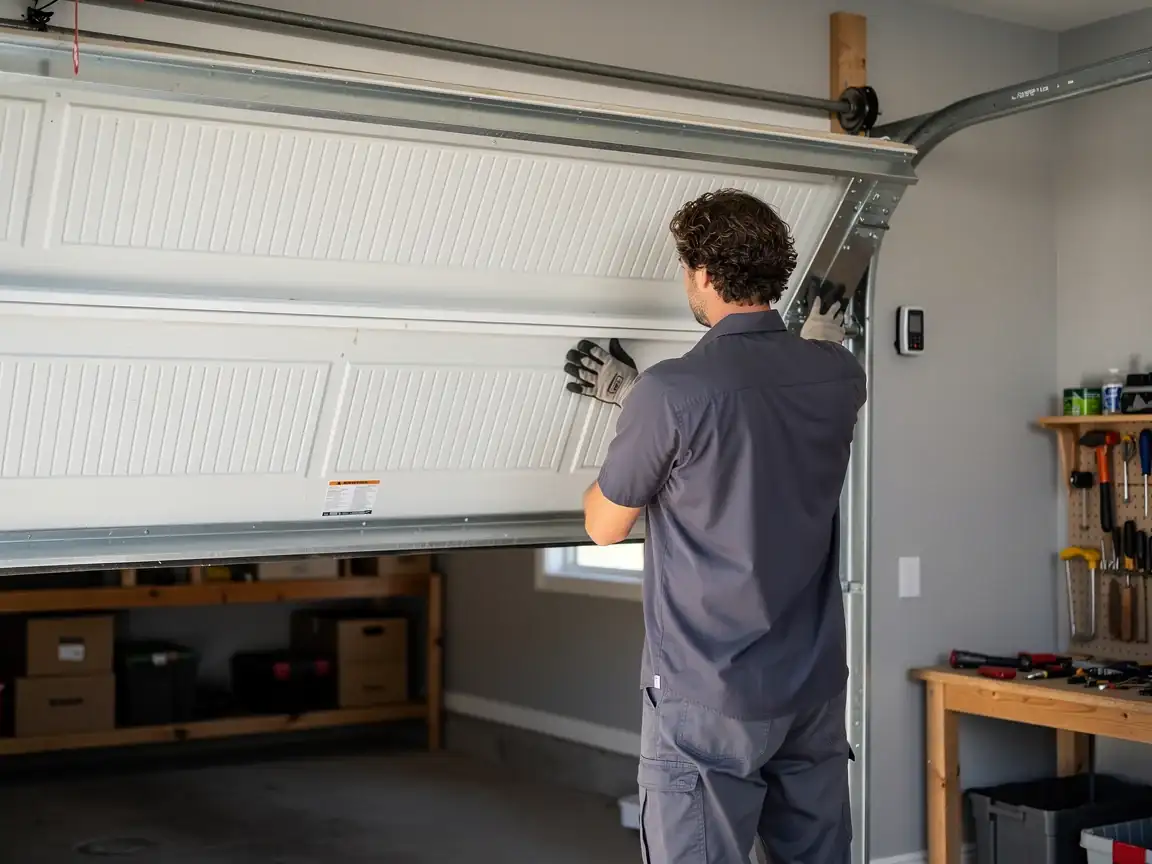
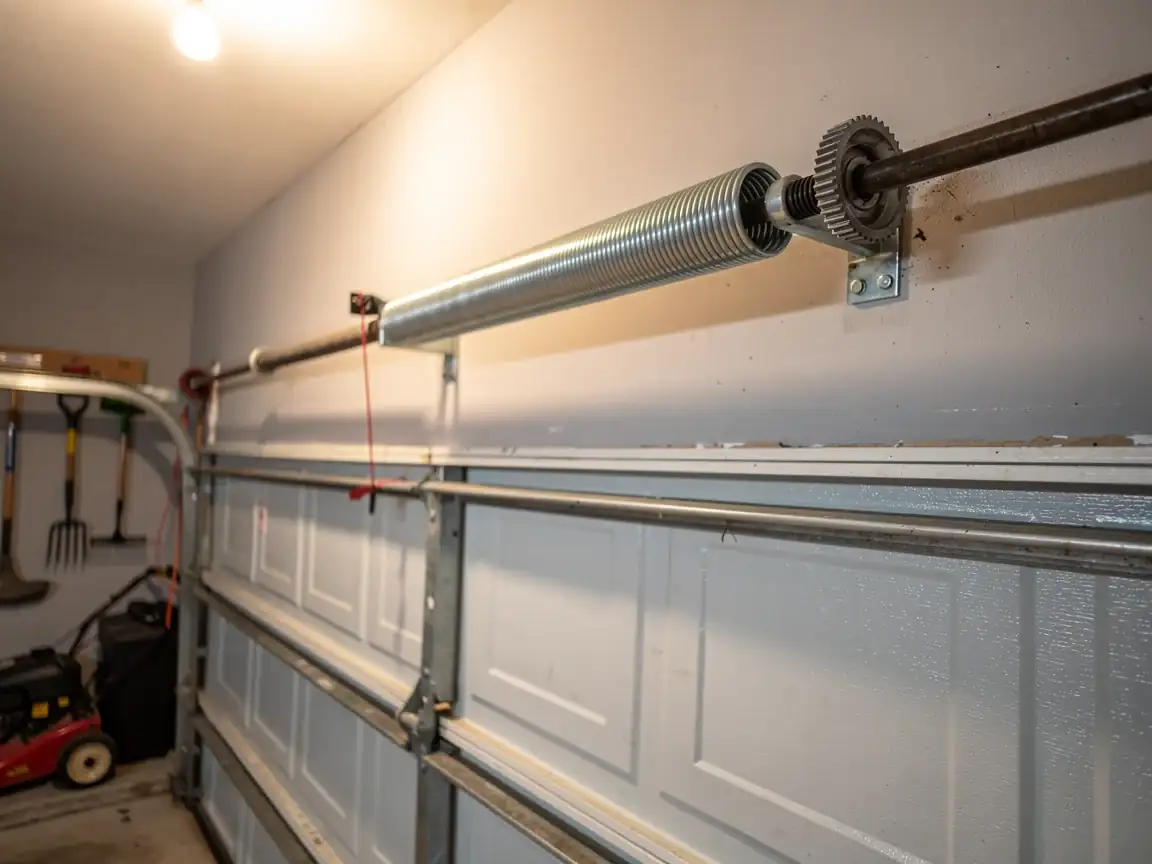
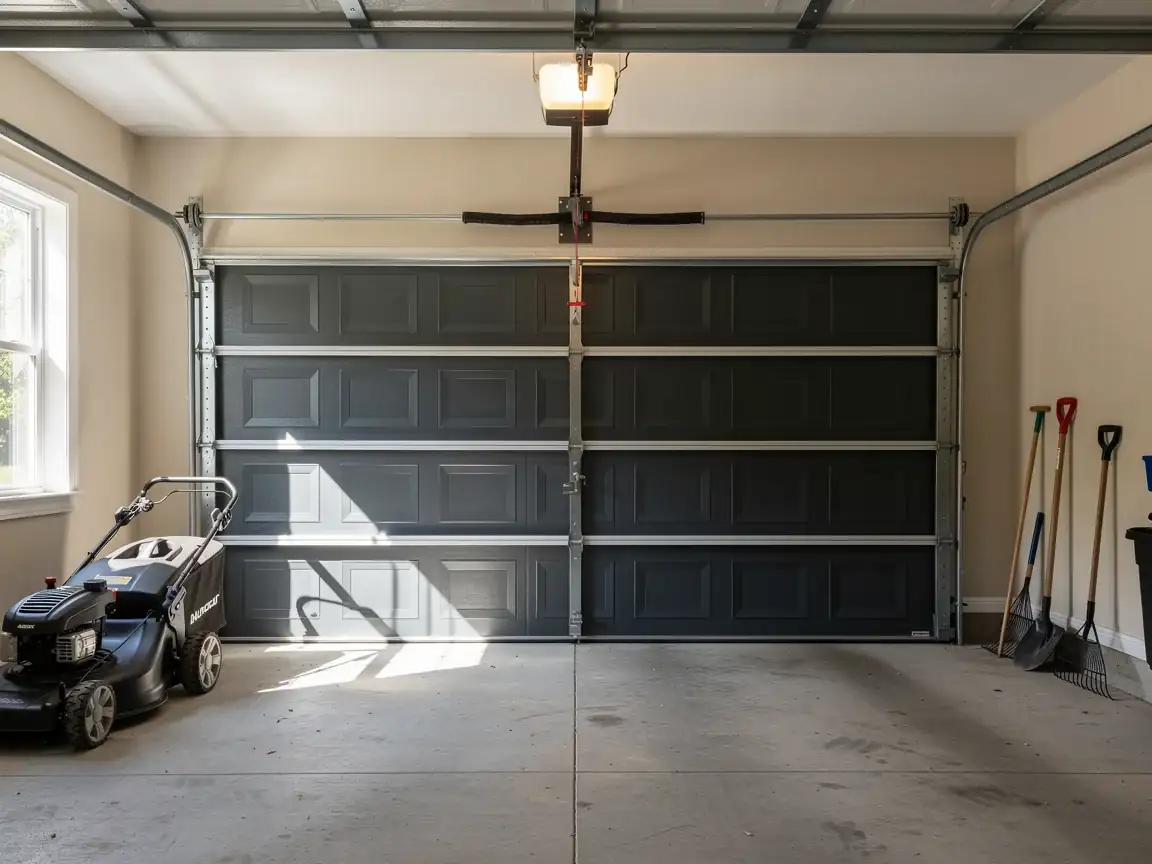
On a 1972-built house, the most common call we get is a seized or snapped extension spring, not a torsion spring - the two fail differently and need different tools, and a tech who only carries torsion stock shows up empty-handed. The second most common issue is a track that's been reset and reshimmed so many times over fifty years that it's no longer square to the opening, which shows up as a door that binds halfway up rather than one that won't move at all.
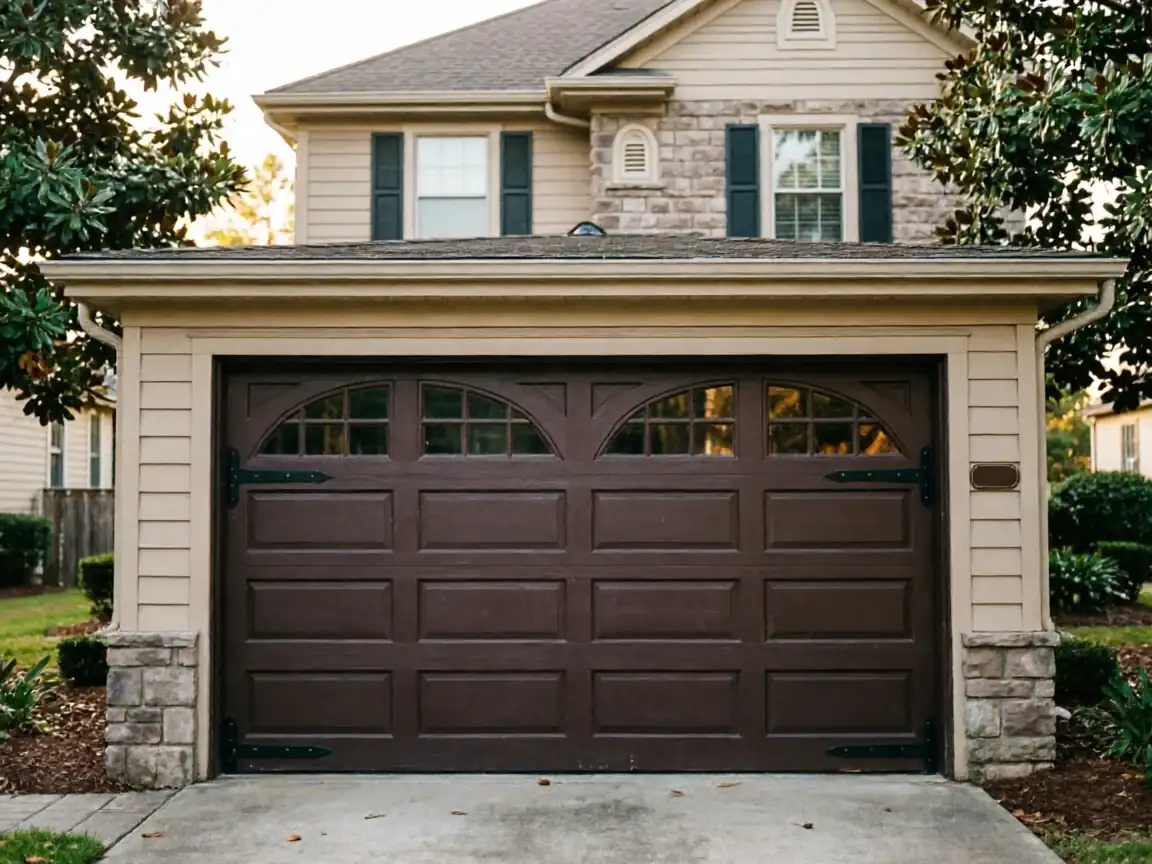
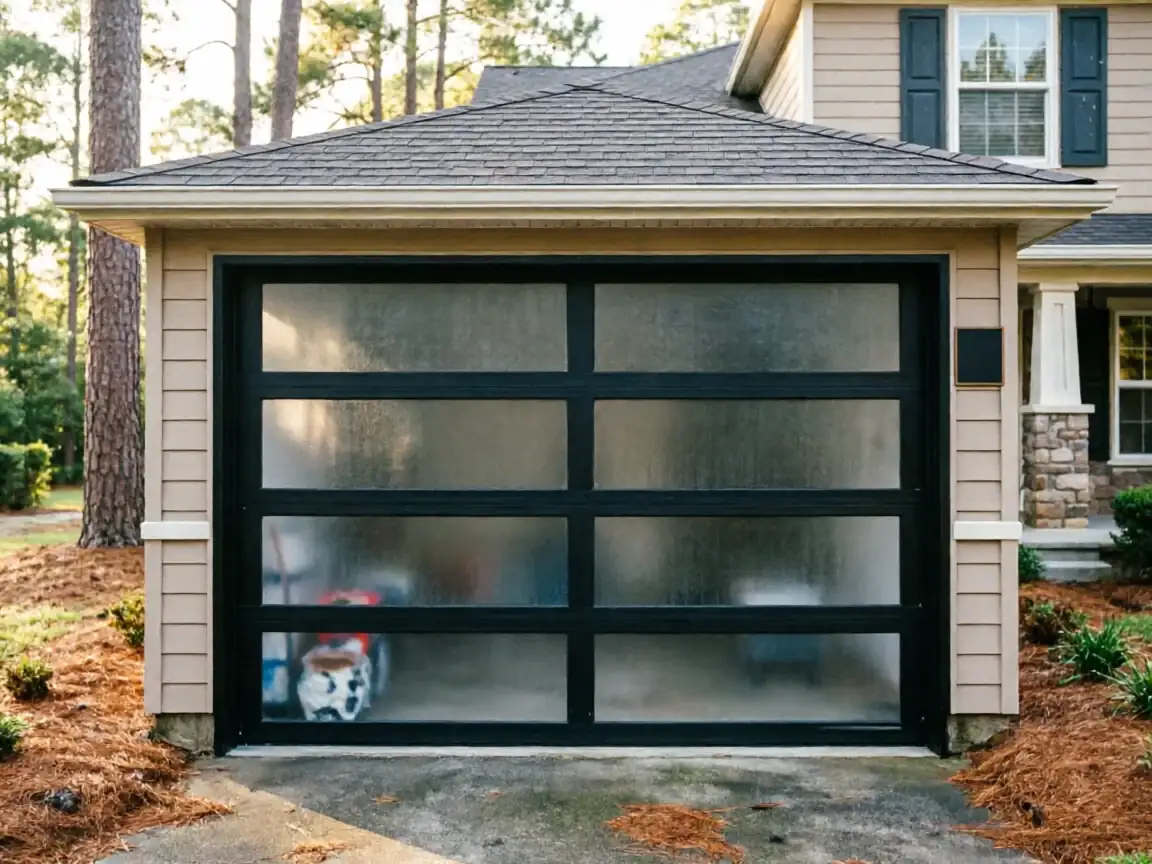
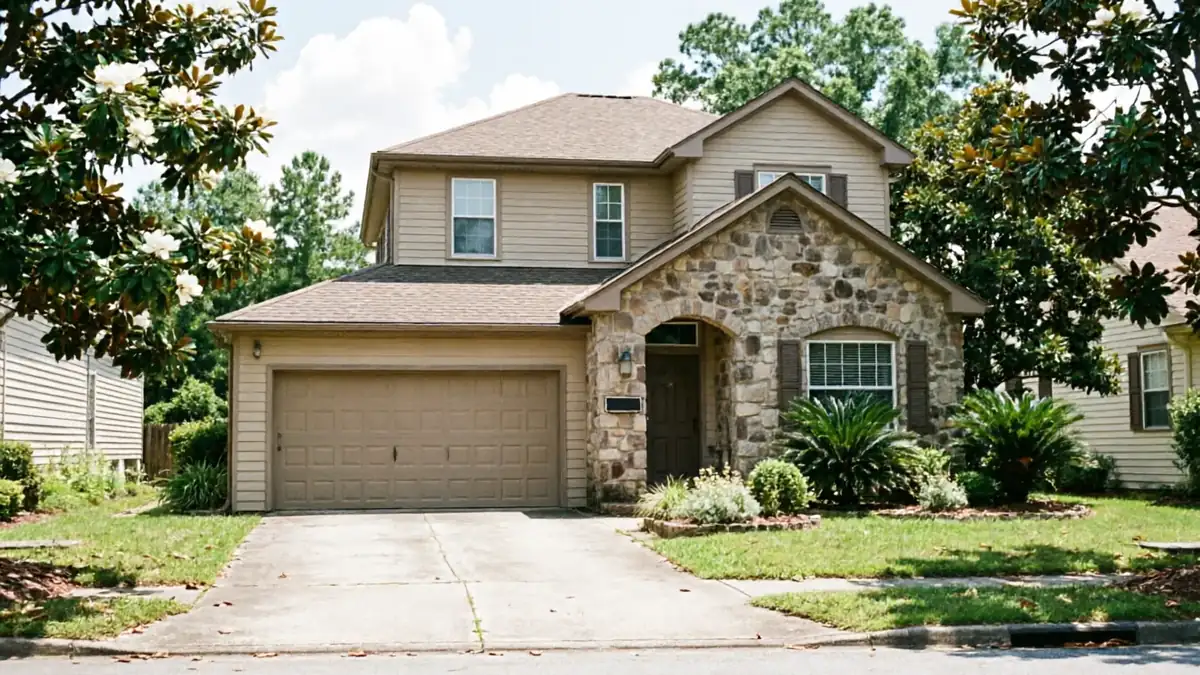
Where the broader service area's newer stock (built through the 90s) tends to have sectional doors with factory torsion bar and a photo-eye safety reverse retrofitted later, Millington's older houses are more likely to still have the original hardware layout, safety reverse included only if a prior owner paid to add it. That's not a universal rule - plenty of houses here have been updated - but it's the pattern our trucks see enough to plan parts around before we even leave Memphis.