What Can Go Wrong
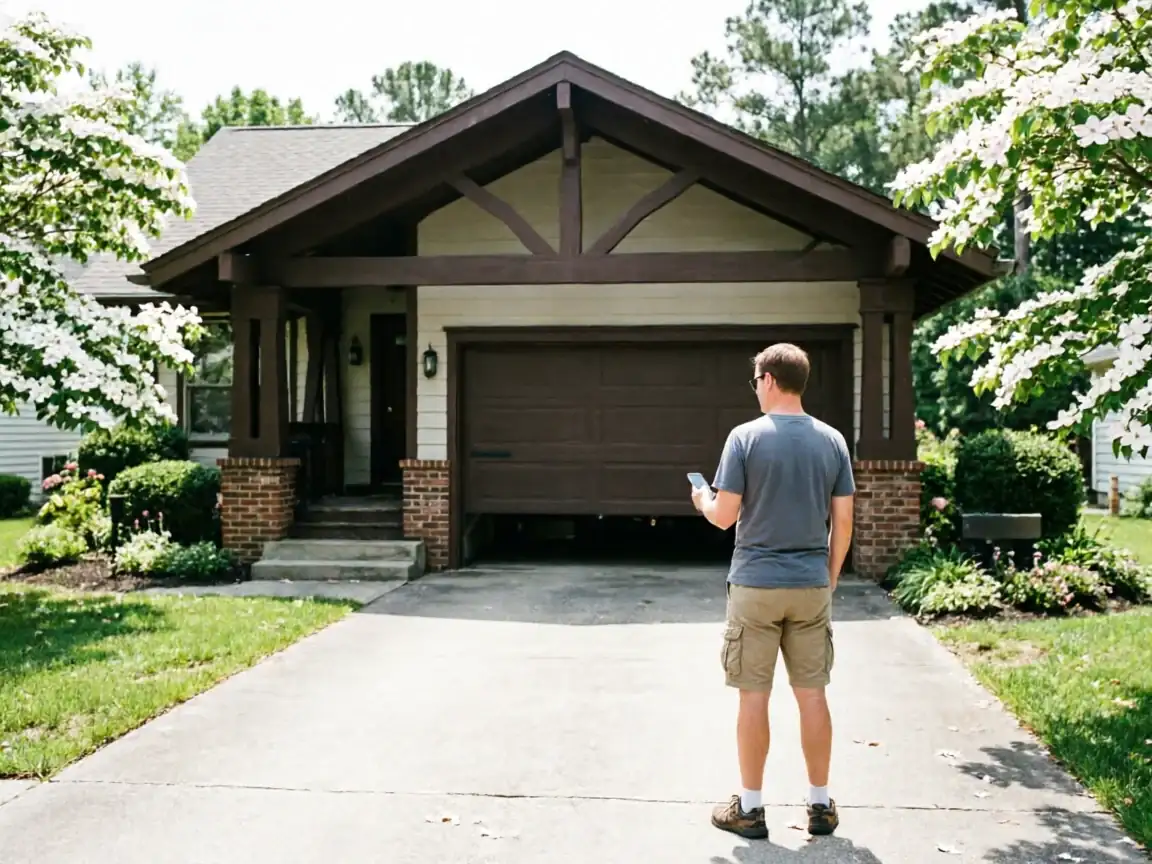
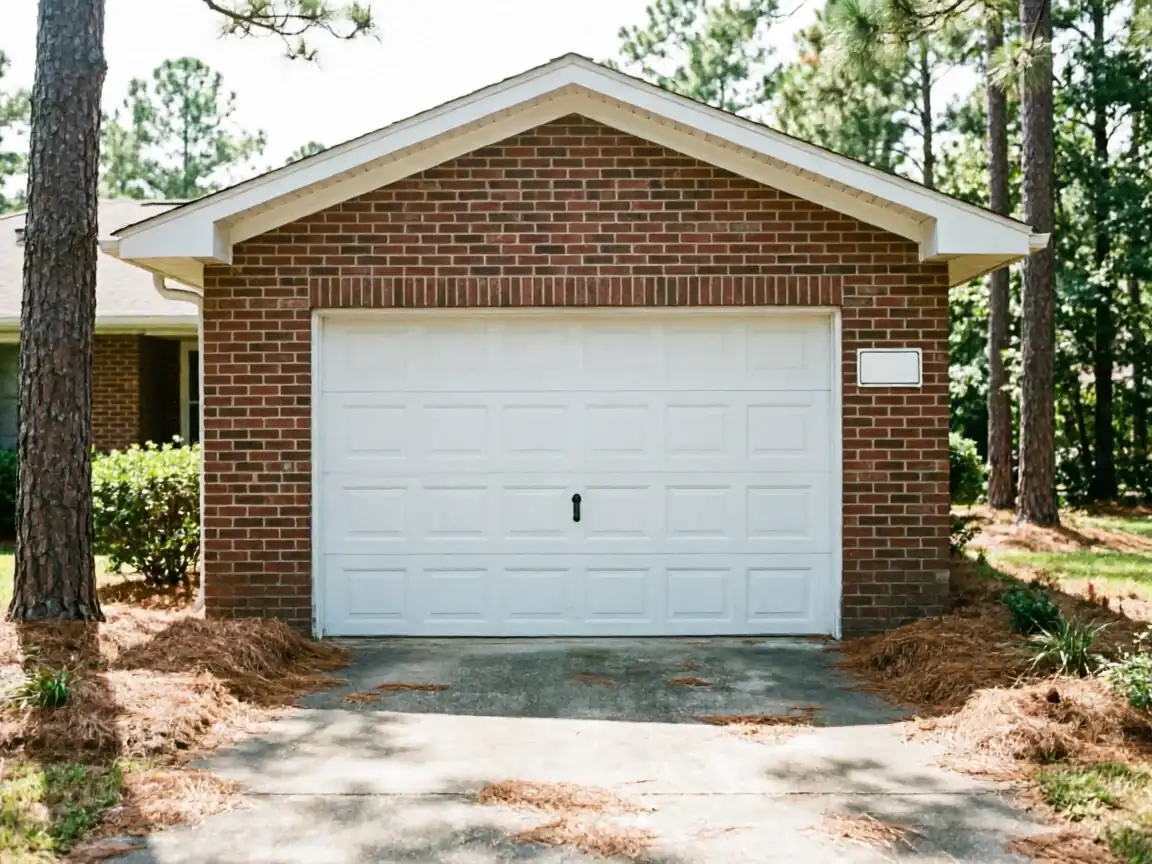
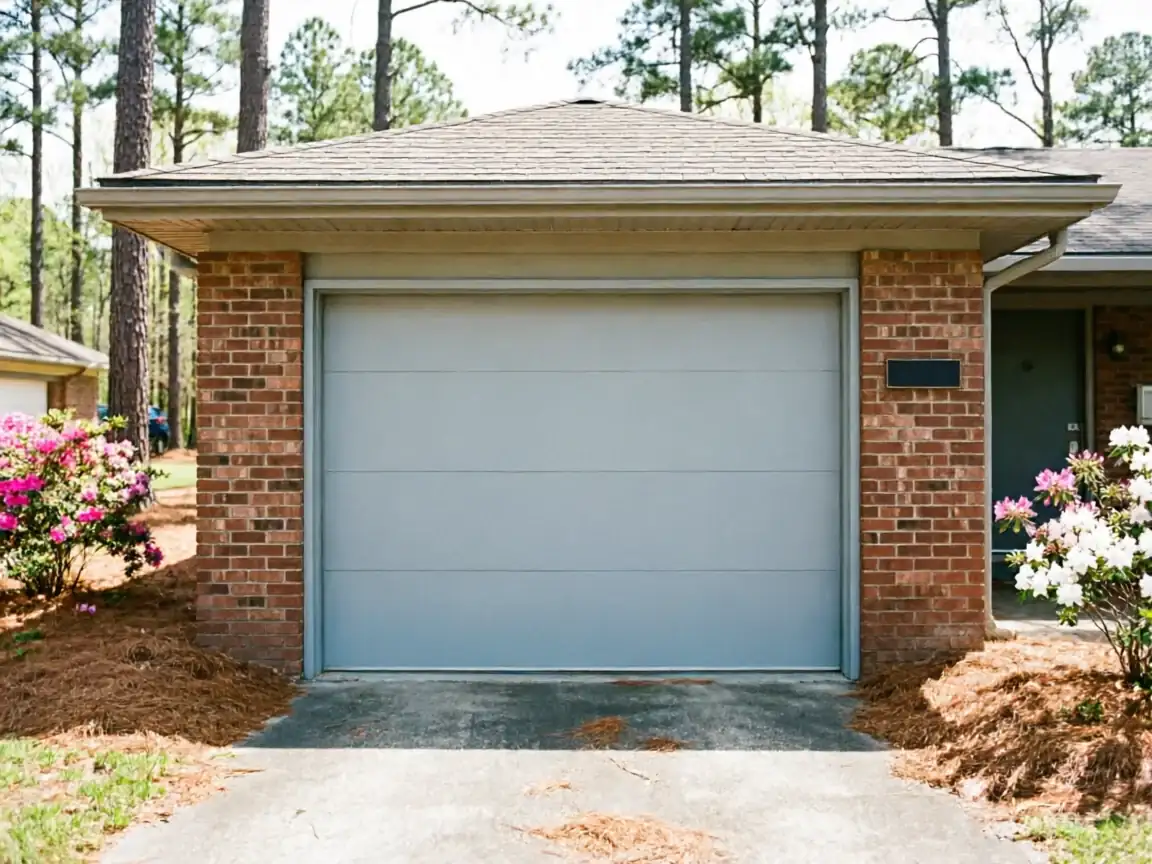
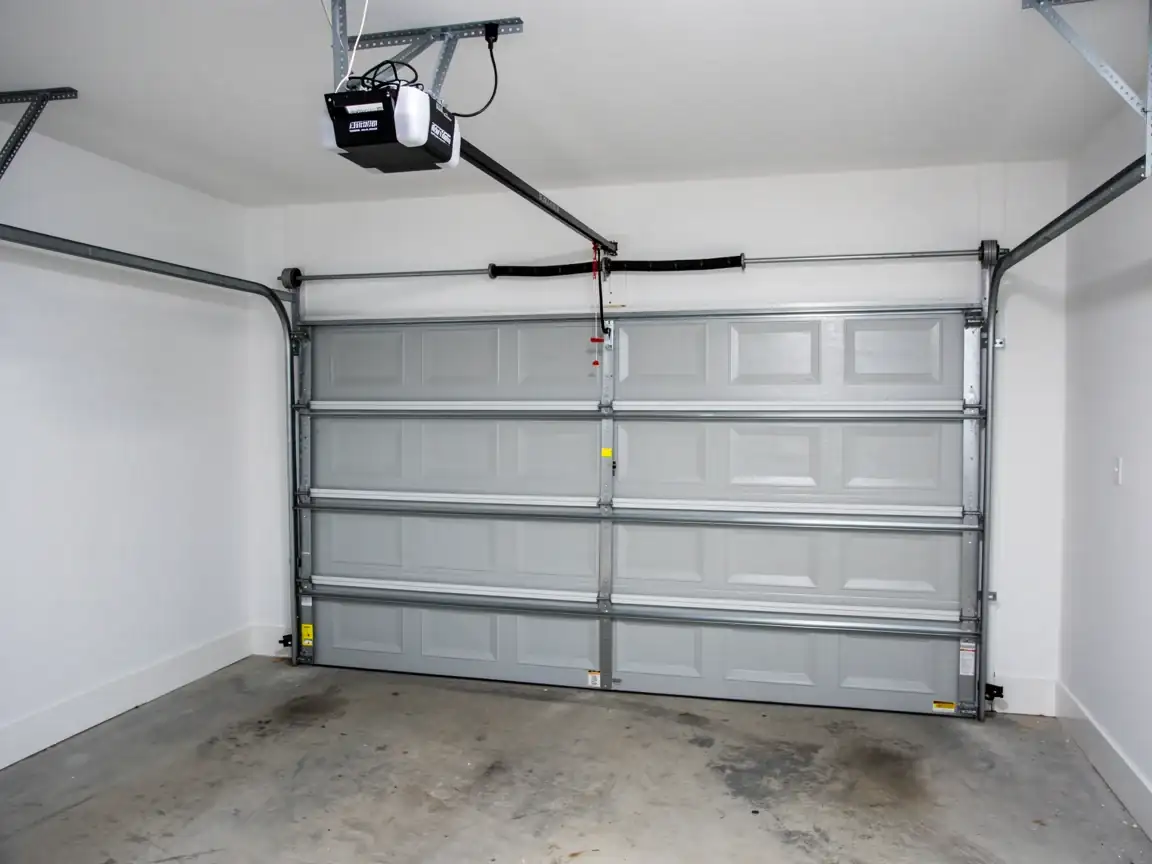
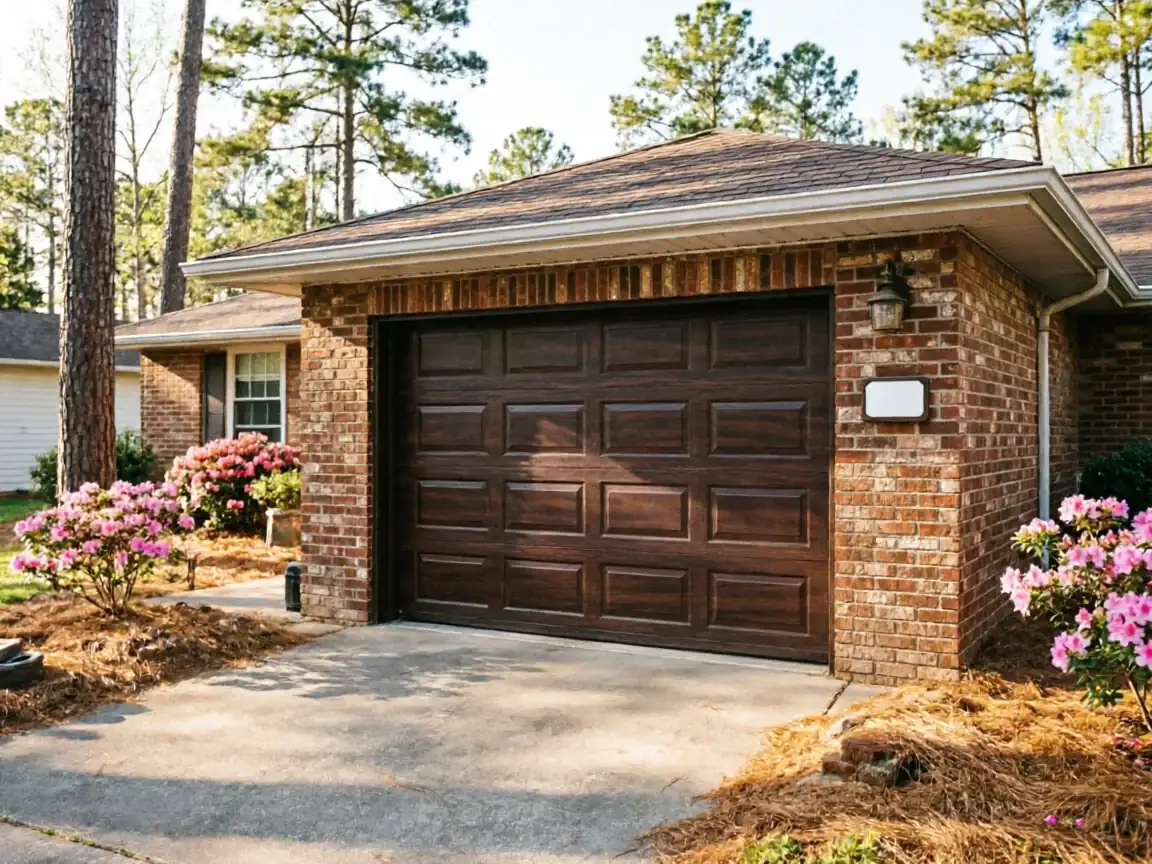
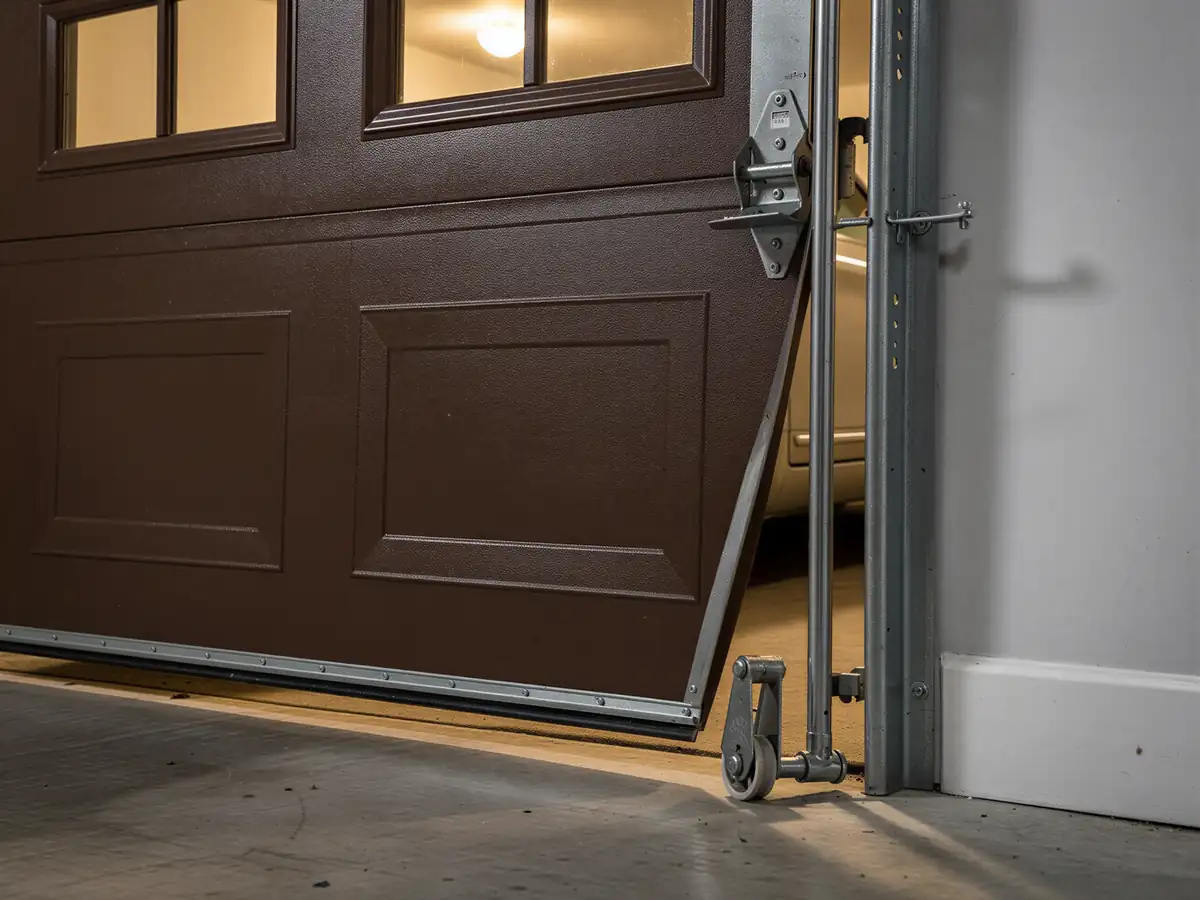
Most houses in Millington went up around 1972, a full decade and a half before the median build year across the wider service area, which sits closer to 1990. That matters because doors from that era were almost always plain steel, single-skin panels with no foam core, hung on tracks sized for a lighter door. Those panels dent easily - a bumper tap, a basketball, a ladder leaned the wrong way - and once one section is bent, it throws the whole door out of square against the track. Rust shows up along the bottom panel first, usually where the weatherstrip has let water sit against the steel for years. On a door this old you'll also see hardware that doesn't match current panel kits: narrower hinges, different screw spacing, sometimes a track profile nobody stocks new anymore. A cracked or split panel on one of these doors is rarely an isolated fix - the section above or below it is usually close behind, since the steel has been flexing the same way for fifty years.
What Causes It Around Here
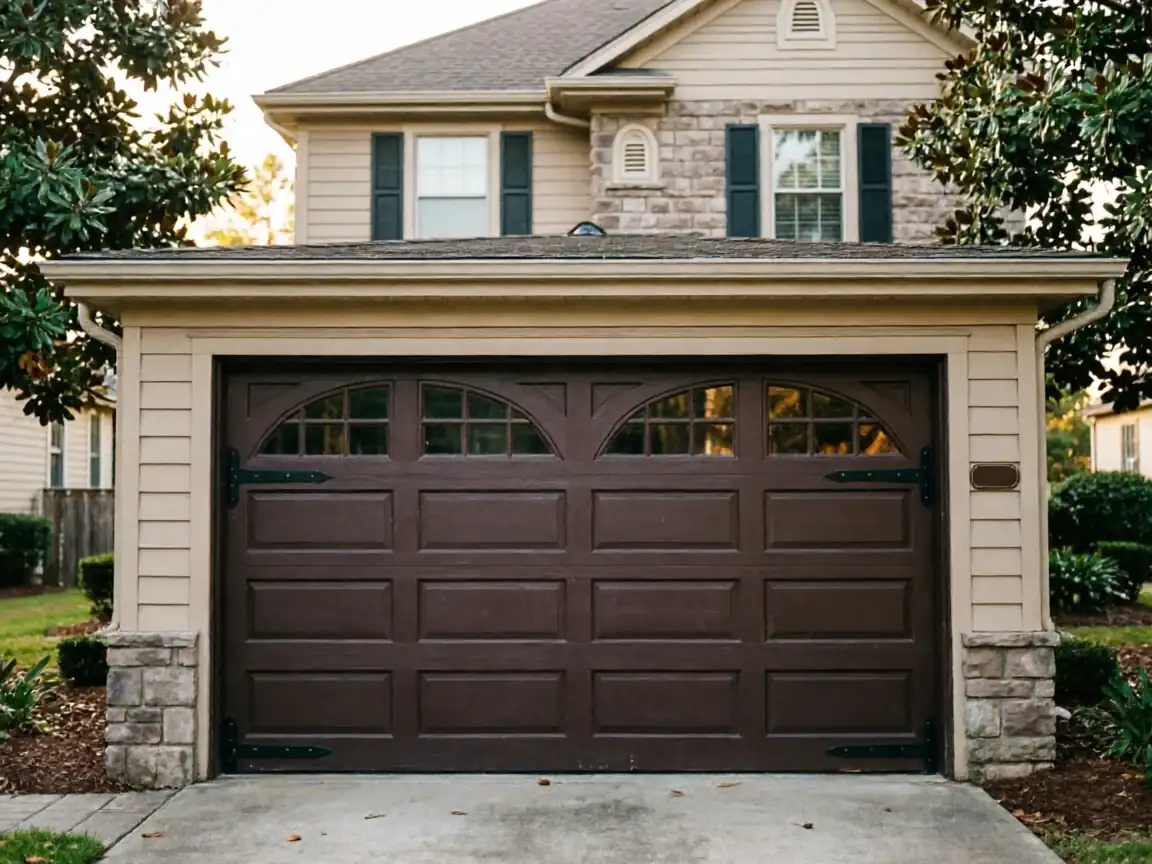
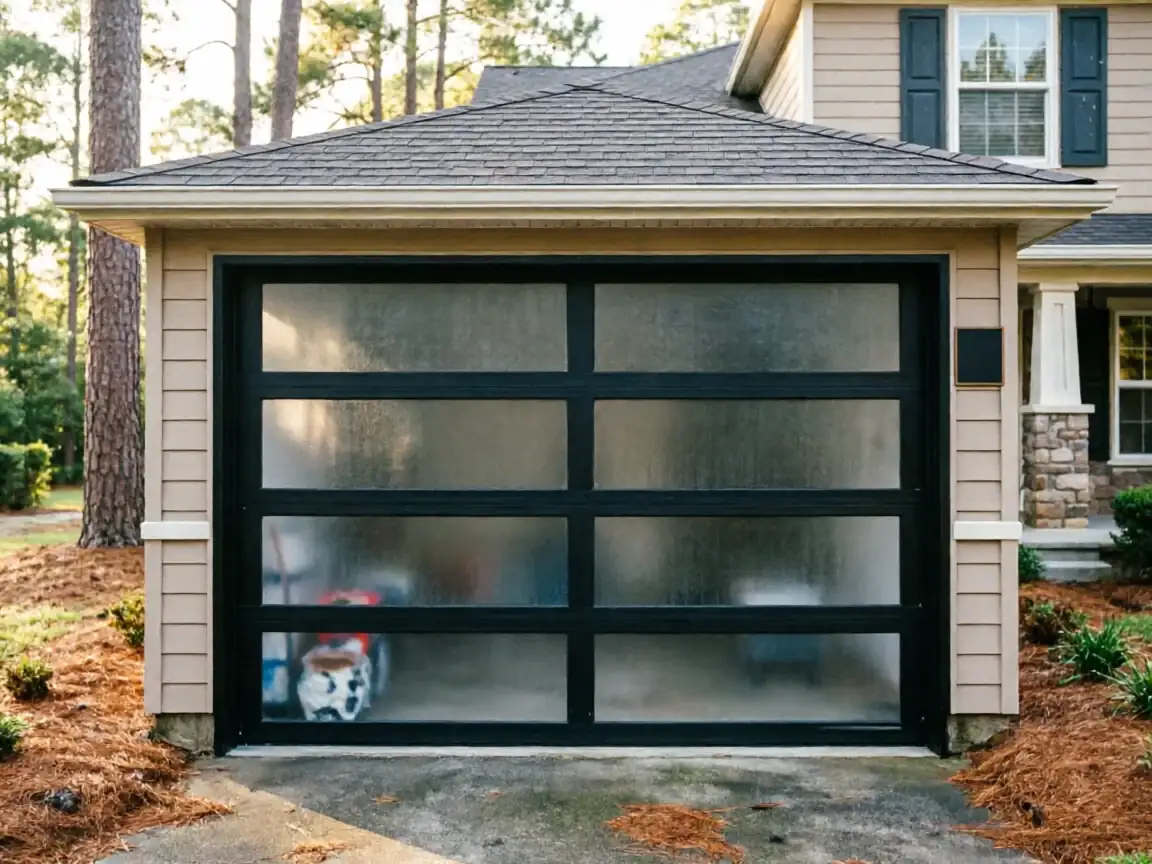
Millington's housing stock is older than most of the rest of the Memphis service area, and the panels reflect that. A door installed when the house was built in the early 1970s has had decades of the region's cold-moderate winters working on the seams - freeze and thaw cycles work steel joints loose, and the original single-panel-per-section doors don't flex the way a modern insulated door does. Median household income here runs $51,695, well under the $119,876 median across the broader service area, and that income gap shows up in repair patterns: owners here are more likely to live with a dented panel for years before calling, which gives rust and warping more time to spread before anyone looks at it. With about 4,469 households in Millington against roughly 29,992 across the full service area, the pool of houses still running these original 1970s panel profiles is smaller and more specific than in the newer subdivisions closer to Memphis - which is exactly why a panel swap here sometimes turns into a longer parts search than a newer door would need.
What It Costs
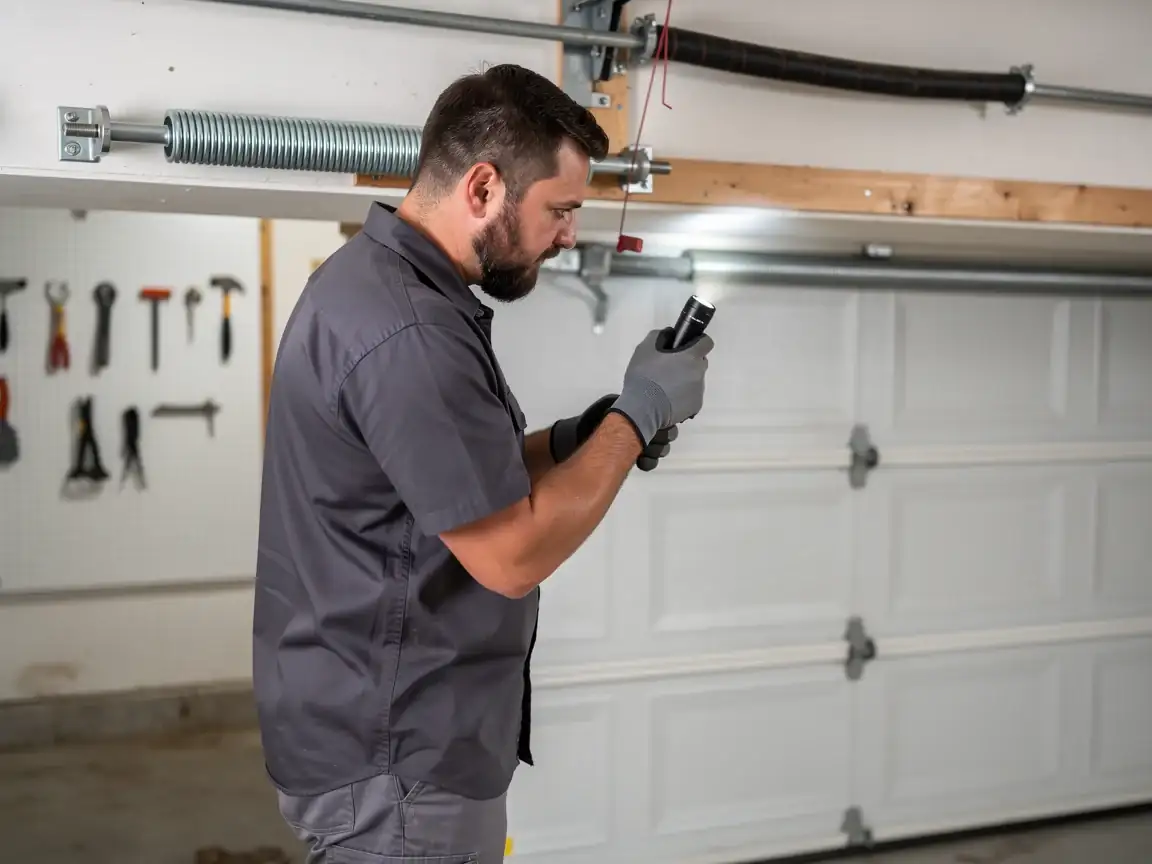
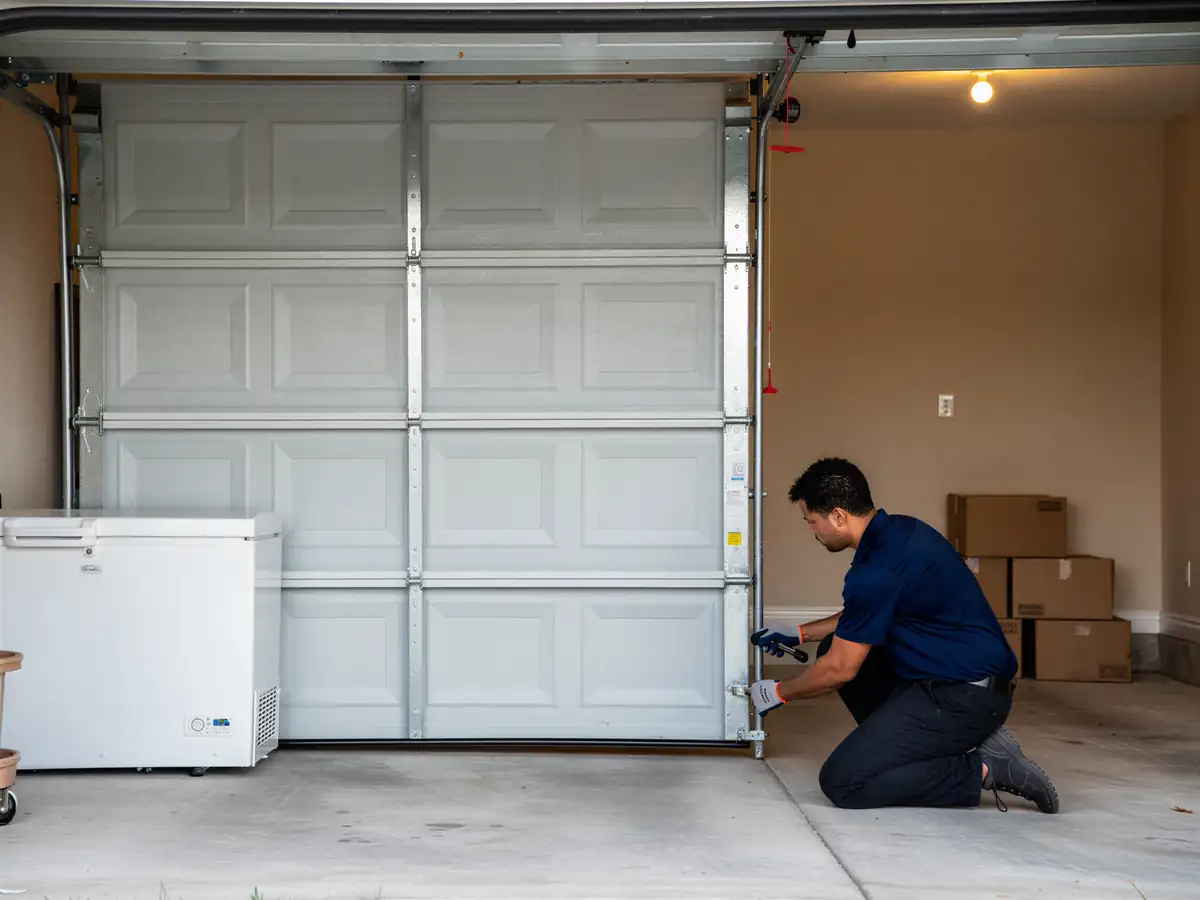
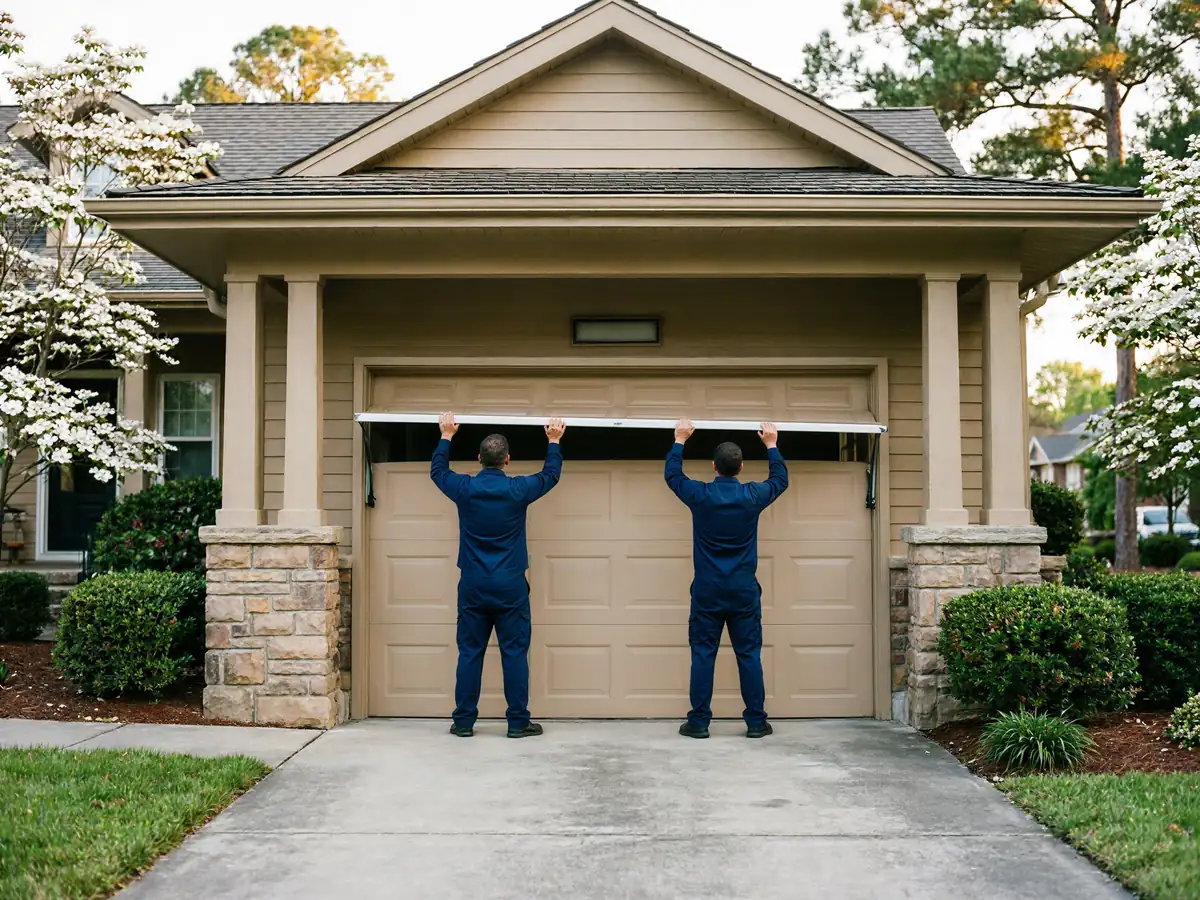
We don't have a fixed number to hand you here, and we'd rather tell you that than guess. What we can tell you is what drives the cost on a Millington job specifically: whether the original 1970s panel profile is still made (cheap and fast if yes, a custom order if no), whether it's one section or the full door that needs replacing once the old steel is off the track, and whether the hinges and rollers need upgrading to match a new panel's weight. Jobs on older single-skin steel doors tend to run less for the panel itself but more in labor time, since the crew is working around hardware that isn't standard anymore. We travel from Memphis for every Millington call, so the quote accounts for that distance rather than a local shop rate.
How Long It Takes
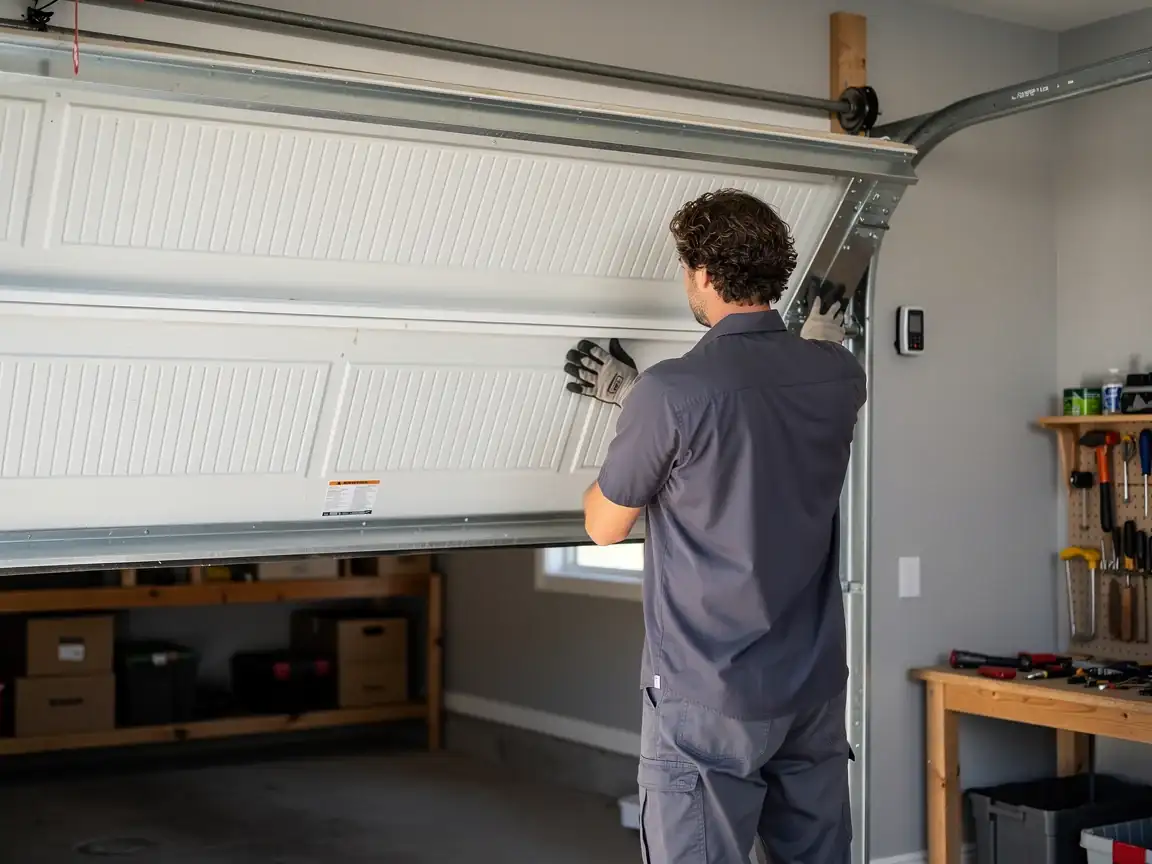
A straight panel swap where the replacement matches the existing track and hardware is usually a same-visit job once the part is on the truck. Where it slows down is sourcing - if your door's 1972-era panel profile isn't in current production, the crew has to track down a compatible section or move to a full door replacement, and that adds time before the work itself even starts. Because every Millington job comes out of Memphis, 16 miles away, scheduling runs on the same booking process as the rest of the service area rather than a separate local timetable. The actual panel work, once parts are in hand, is a matter of hours, not days.