What Can Go Wrong
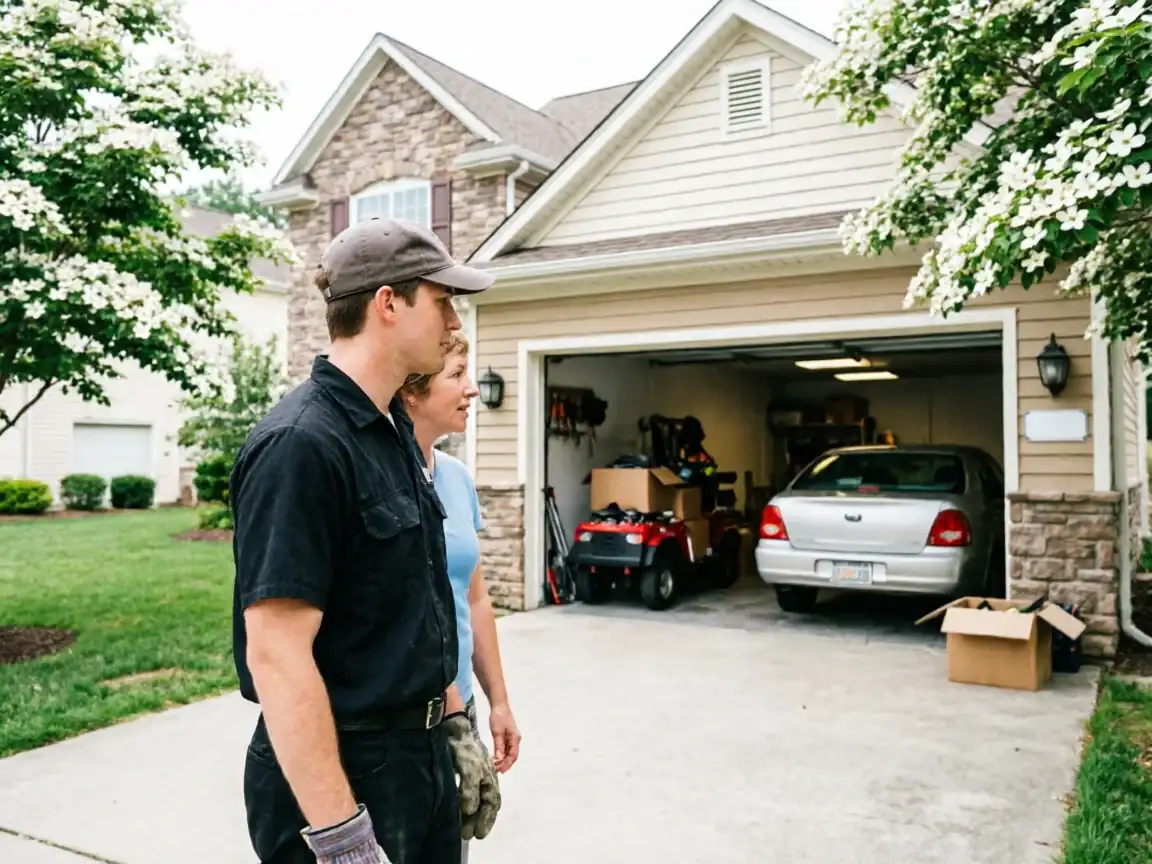
Millington sits 16 miles out from our Memphis shop, which shapes how a spring call here actually runs: one trip, one truck, everything needed for the job loaded before we leave, because turning around for a part is an hour we'd rather spend fixing the door. That drive is also why we try to get the diagnosis right over the phone first - a torsion spring job and an extension spring job call for different stock on the truck.
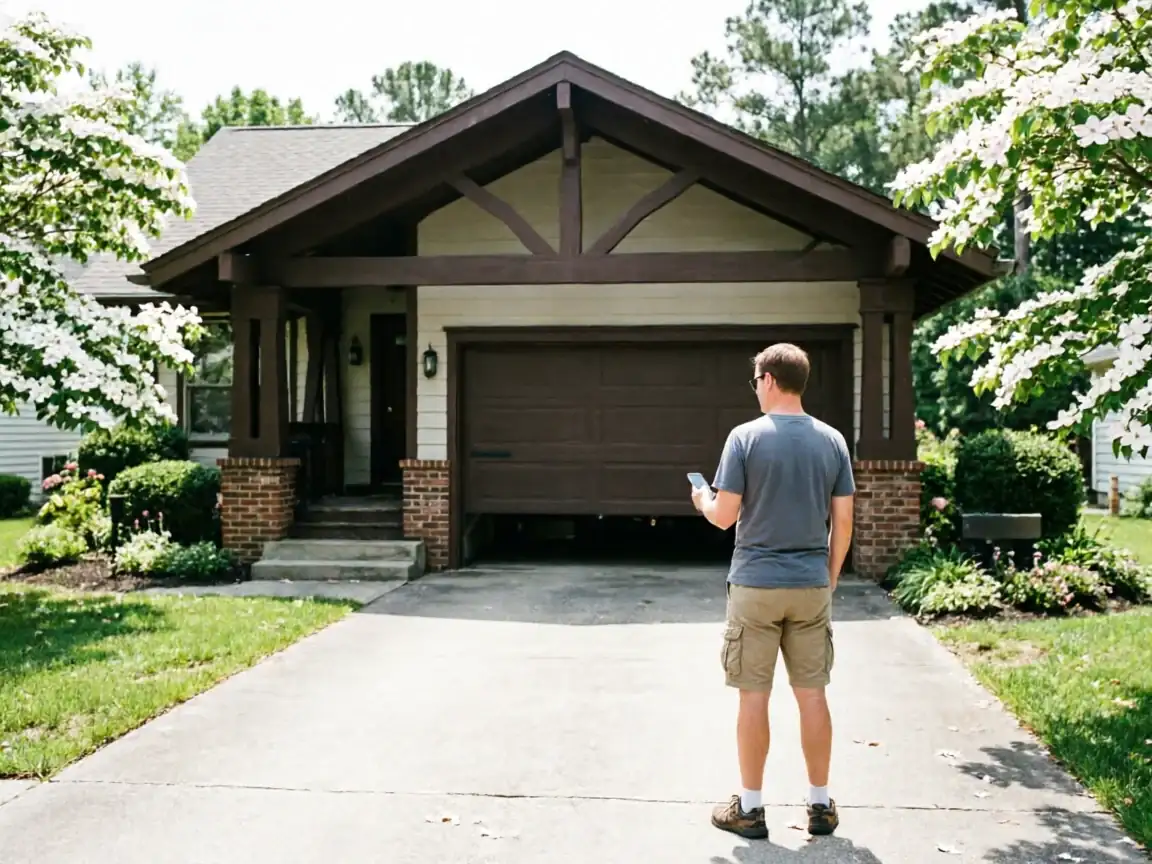
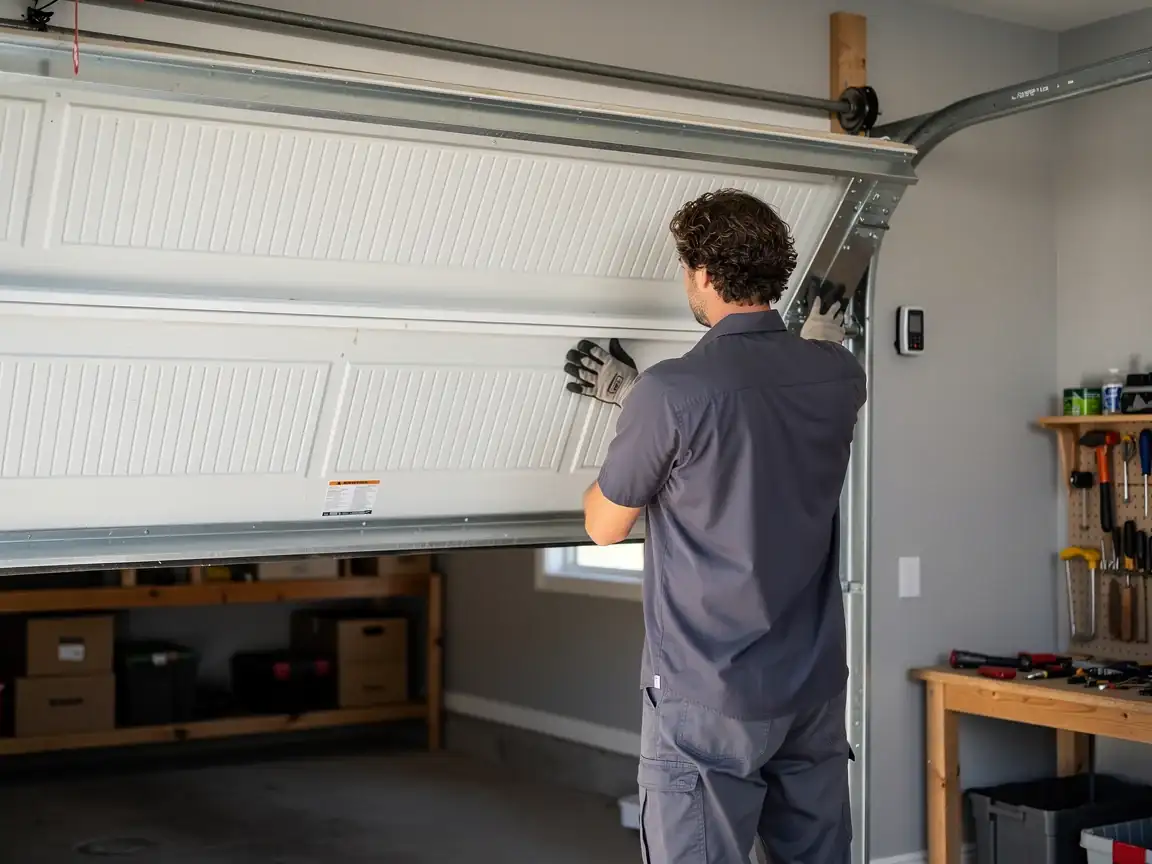
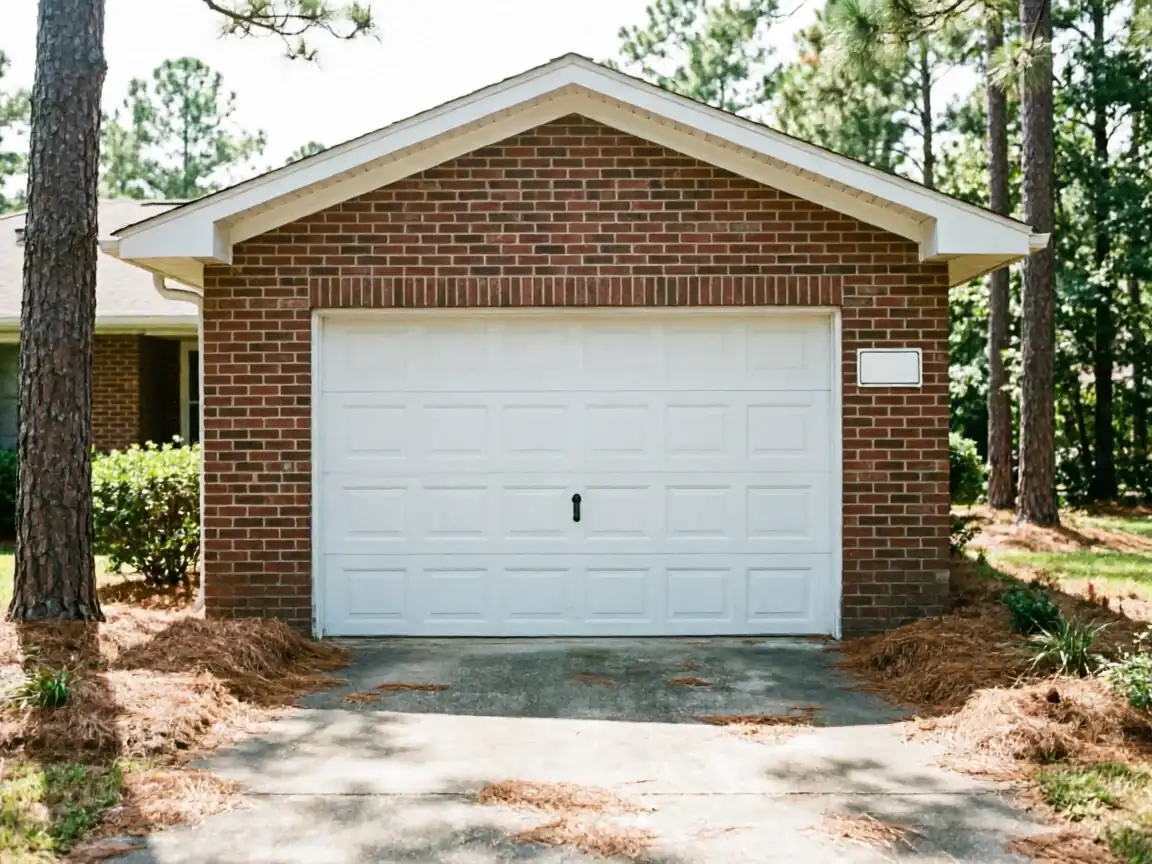
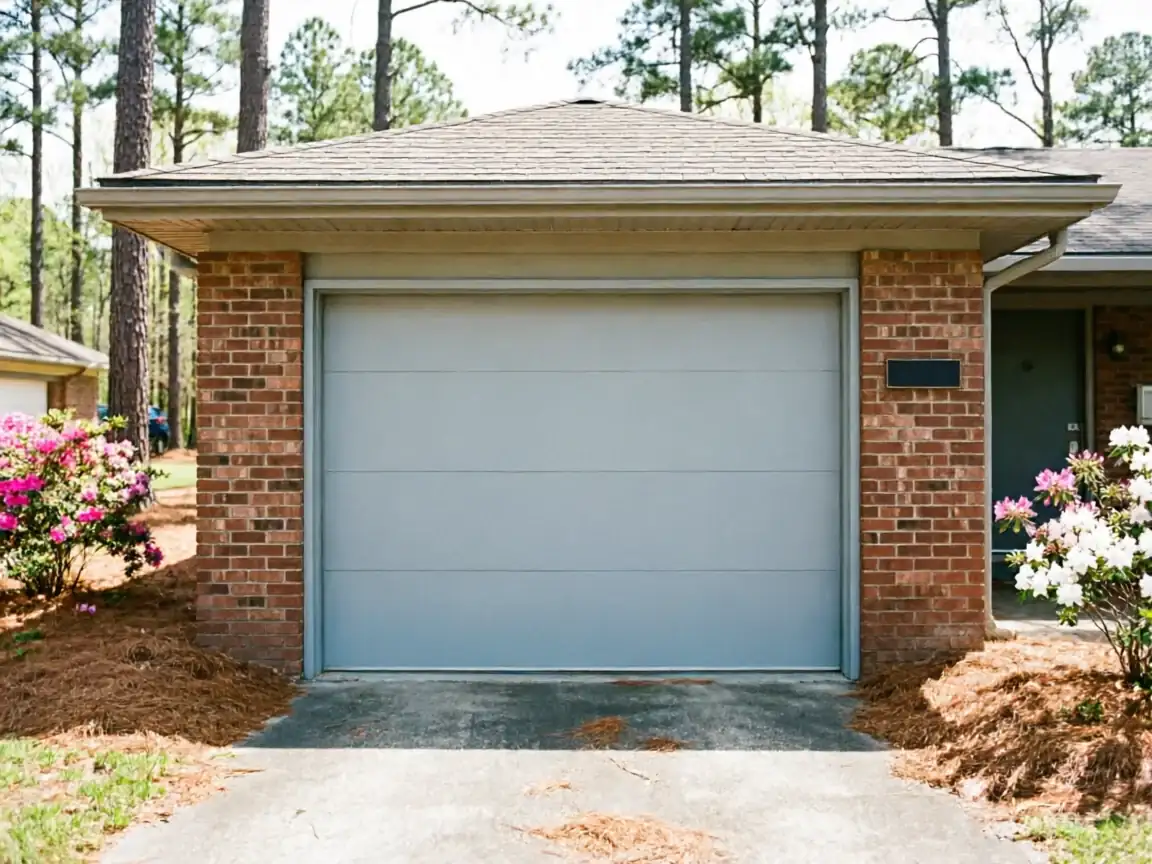
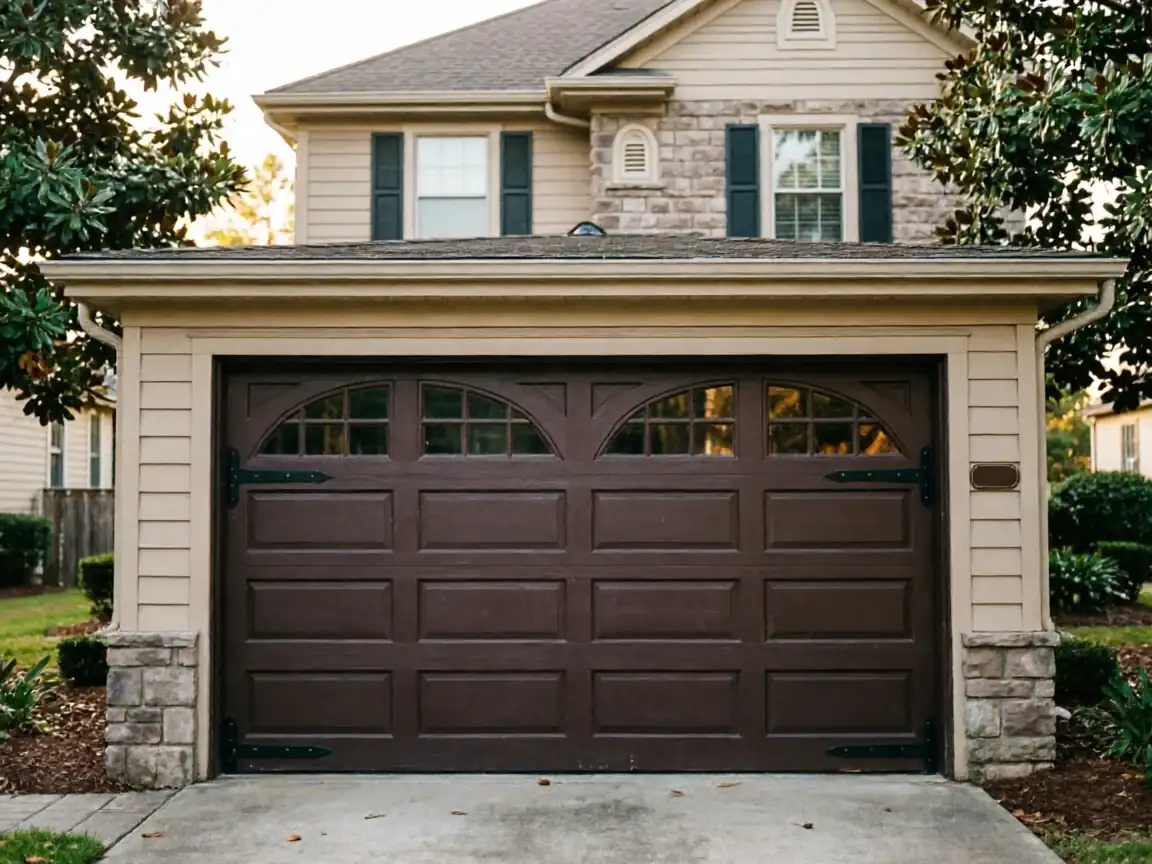
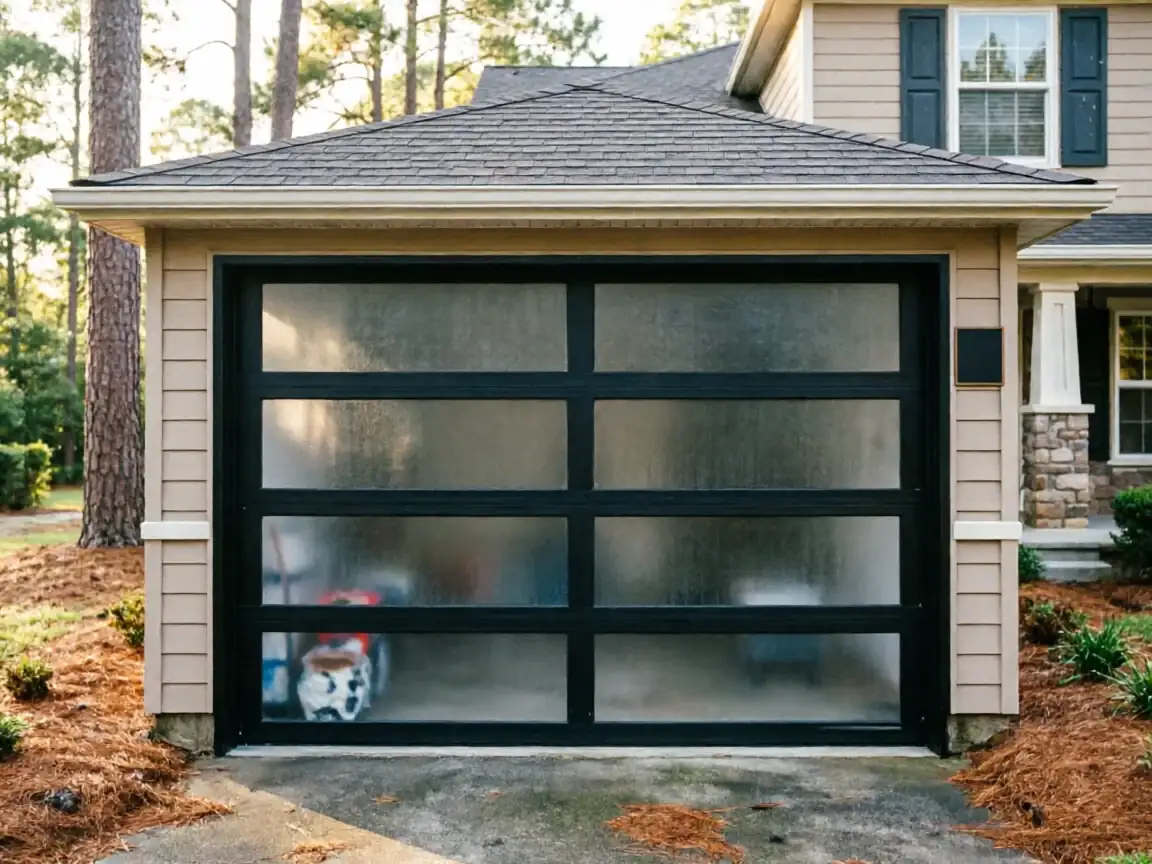
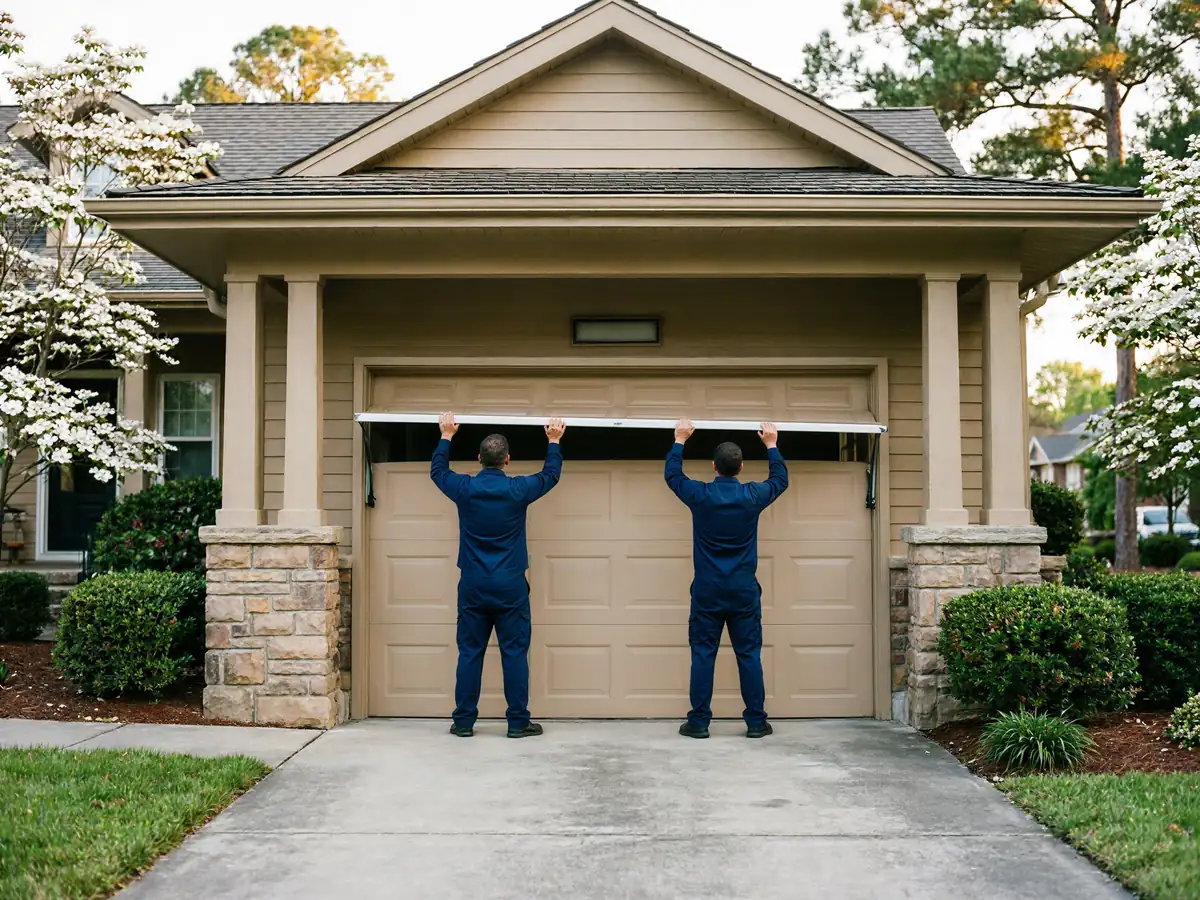
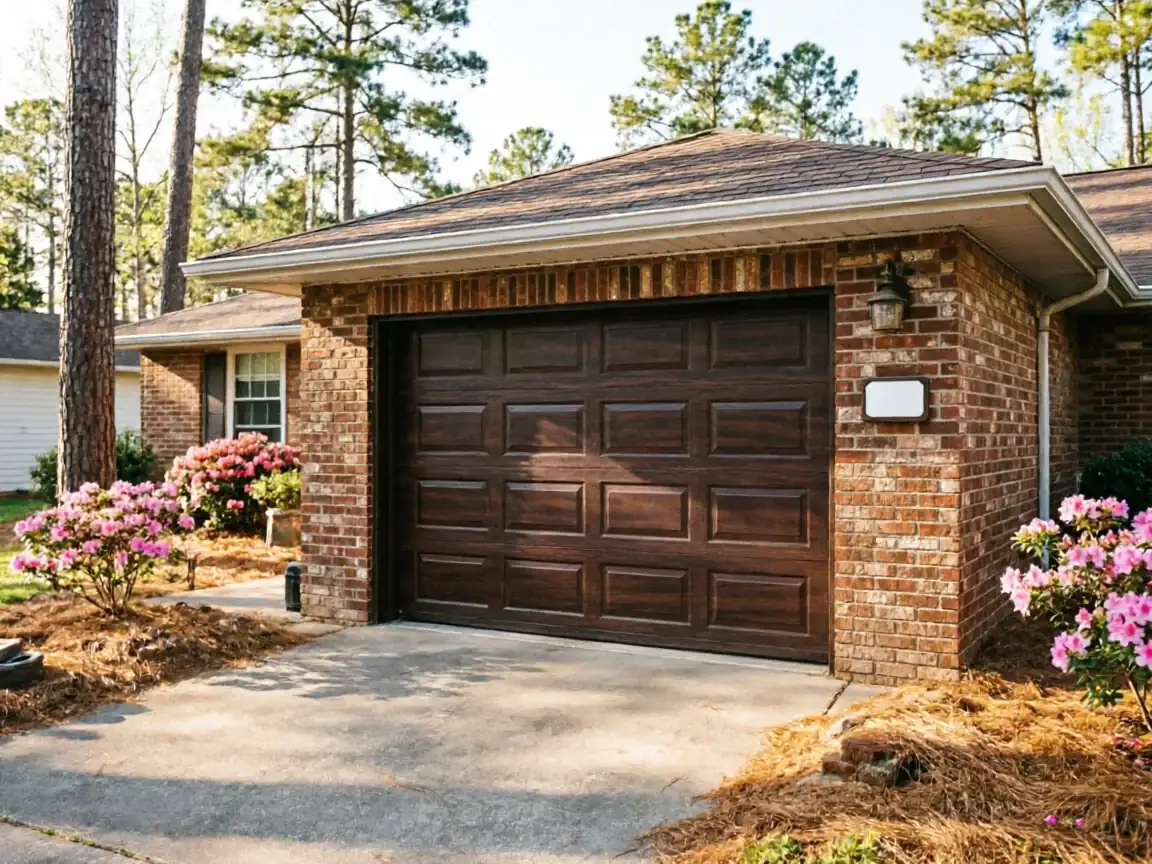
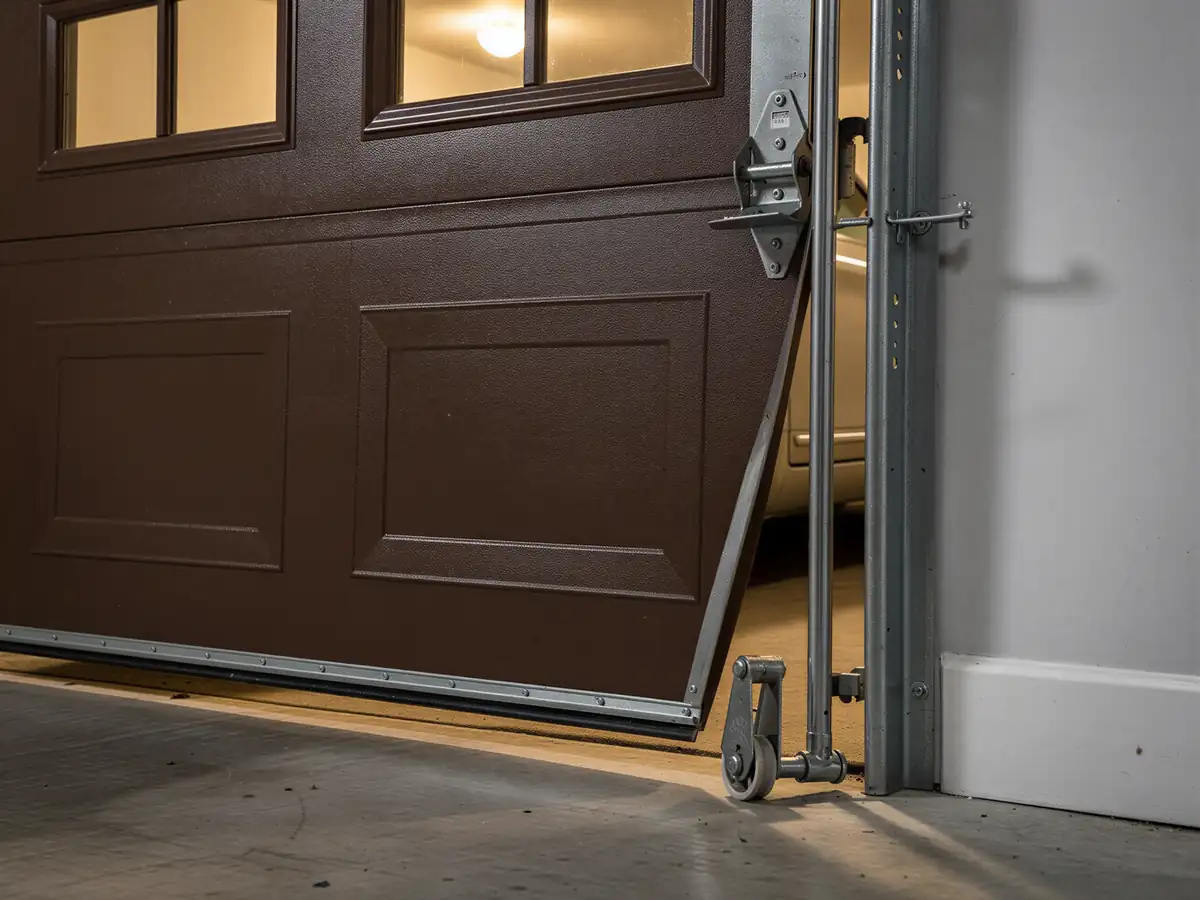
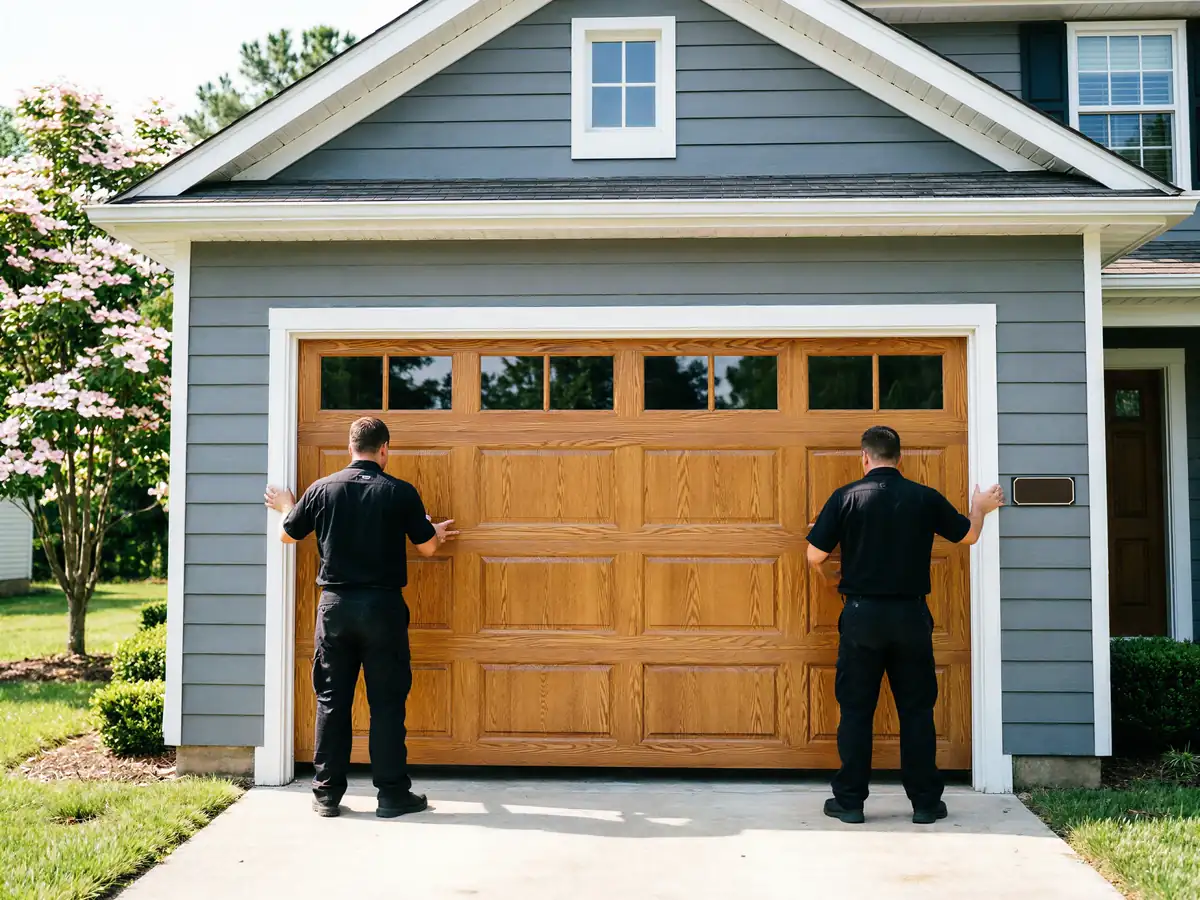
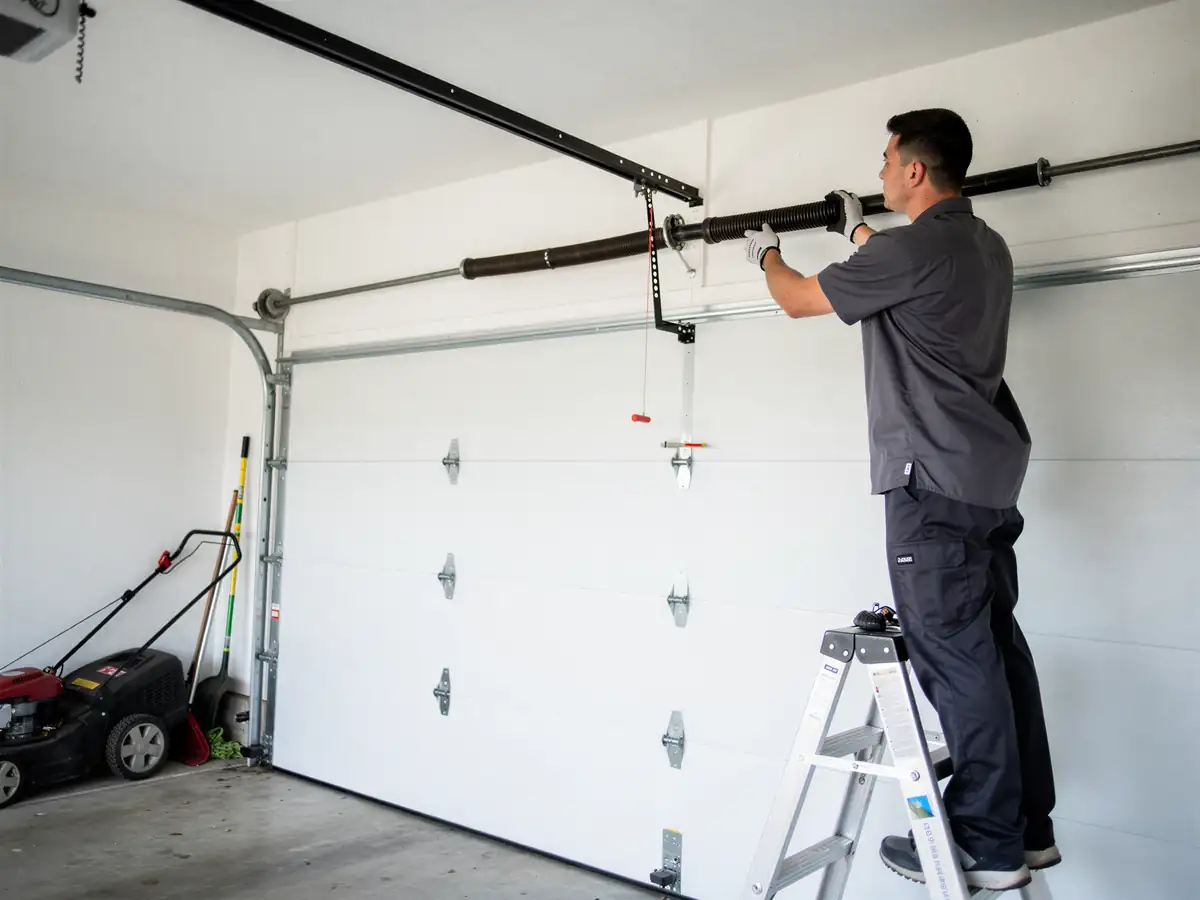
Most homes in Millington went up around 1972, which puts the housing stock ahead of the broader service area's 1990 median. That matters for springs specifically: doors from this era often still run the original extension spring setup along the horizontal tracks rather than a torsion bar over the header, and after fifty-plus years of cycling, the galvanized coating on those springs has usually given out. The failure mode is a sudden loud bang, the door refusing to lift, or a door that slams down fast because one side let go and the cables are now carrying the whole weight unevenly. A broken spring on a double-wide door is a two-person lift risk - don't try to muscle it up.
What Causes It Around Here
Springs die from cycle count and from cold. The service area sits in a moderate-cold climate band, and steel loses flex in low temperatures - a spring that's been flexing fine all October can snap on the first hard freeze because the metal's gone brittle right at its weakest coil. On the older extension-spring doors common in Millington, there's also no safety containment cable in a lot of original installs, which the 1972-era hardware simply didn't include as standard.
Millington's median household income runs $51,695, noticeably below the wider service area's $119,876, and that gap shows up in our dispatch patterns as more repair calls and fewer full-door replacements - people here are keeping doors running rather than swapping them out early. With roughly 4,469 households in town, we're not talking about a huge call volume, but the mix skews toward older torsion and extension hardware that's simply reached the end of its coil life rather than doors that were damaged or abused.
Doing It Yourself
We'll say this plainly: don't do a torsion spring yourself
The spring is wound under several hundred pounds of tension, and the winding bars and clamping technique that make it safe aren't something to learn from a video the same day you're doing the job. Extension springs are lower-tension and more forgiving, but a frayed cable or a missing safety cable on a 1972-era setup can still whip badly when it lets go.
What you can safely check yourself
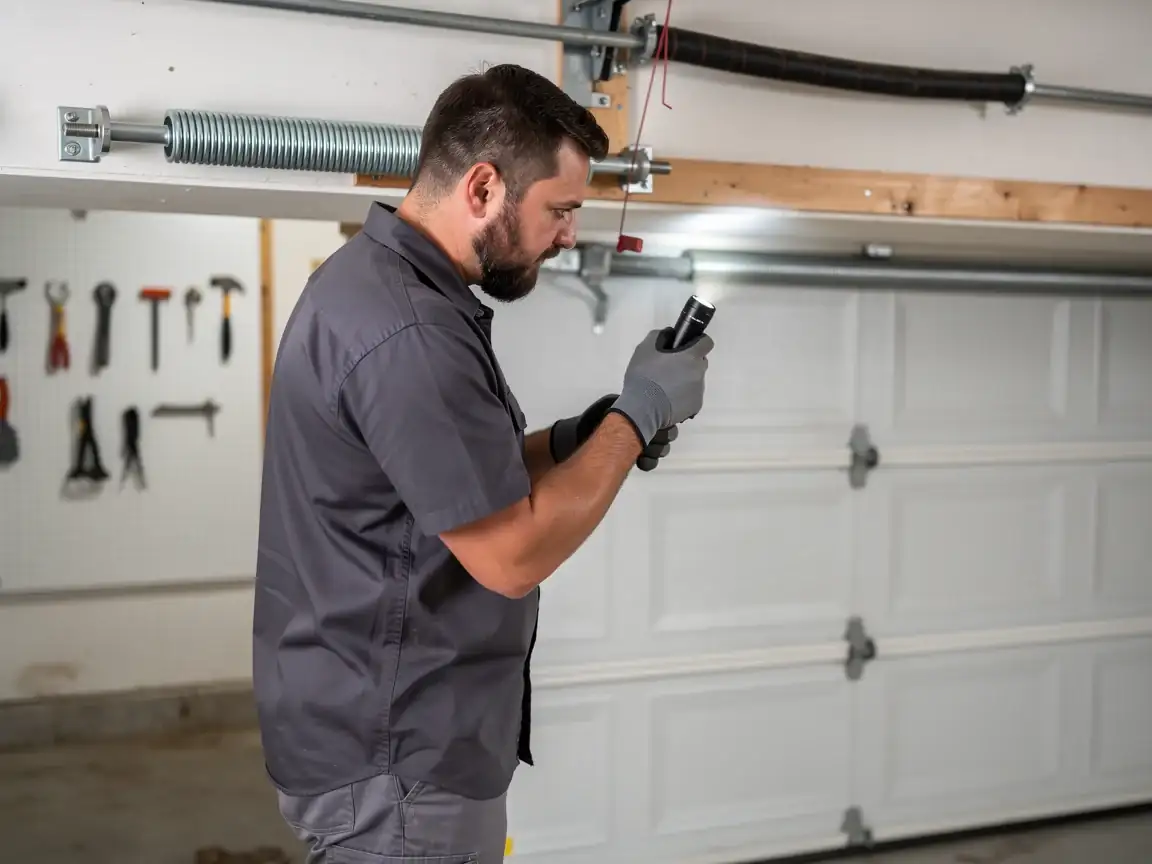
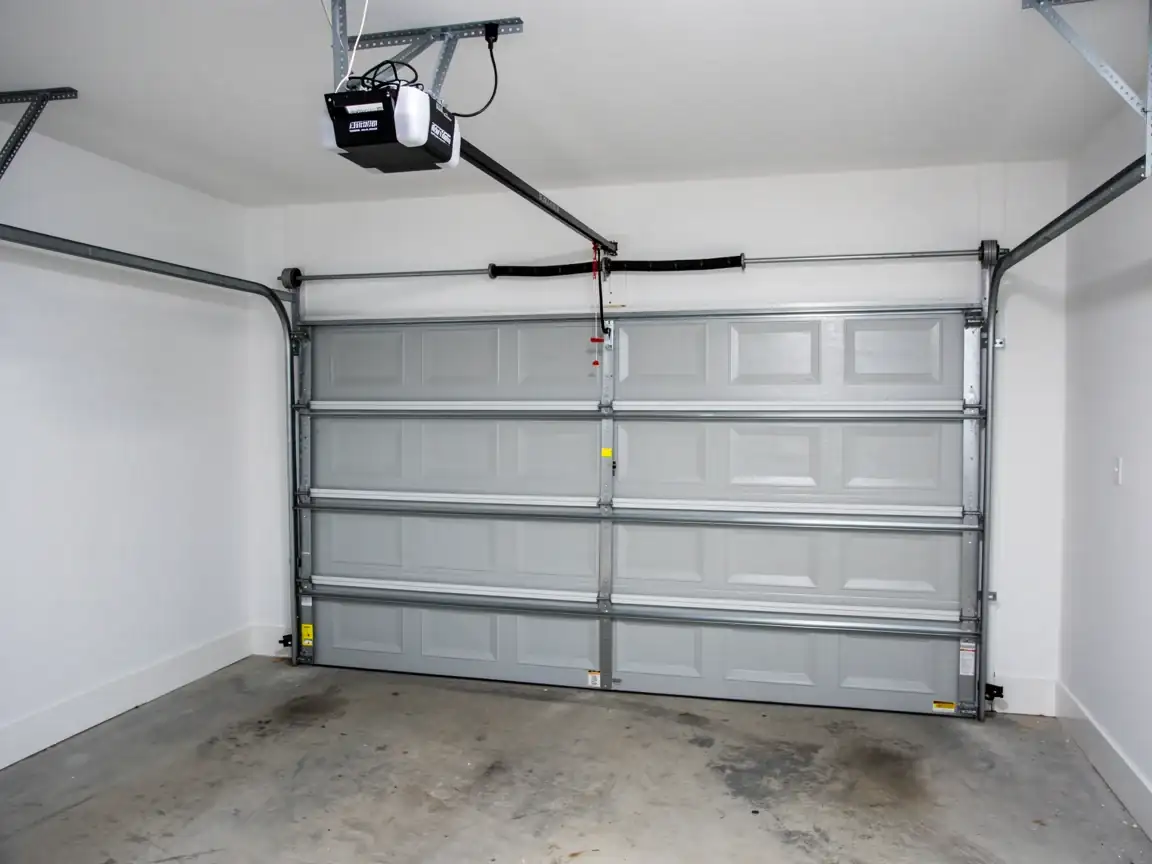
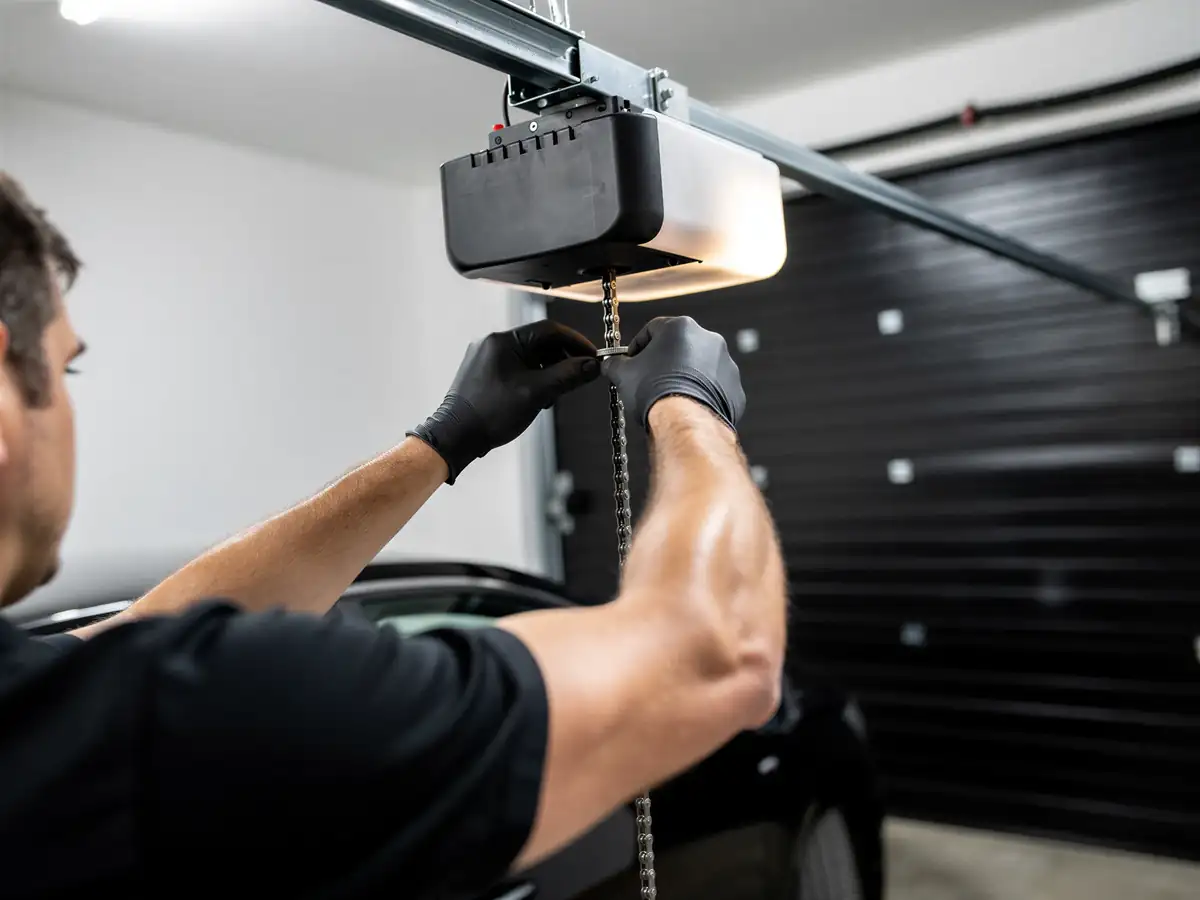
Whether the door is a torsion-bar style (one long spring above the header) or extension-style (two springs along the horizontal tracks) - that tells us what's on the truck before we drive the 16 miles out. You can also look for a visibly gapped spring coil, which usually means it's already broken even if the door still half-lifts on the opener motor. Don't disconnect the opener and try to force the door by hand once a spring has gone - that puts all the weight on the opener's gears, which isn't what they're built for.
- 16 miles
What It Costs
We haven't been given a set price list for this page, so we won't throw a number out that might not hold once we see the door - torsion versus extension, single spring versus a matched pair, and whether the drums or cables also need replacing all move the number. What we can tell you is that the trip from Memphis is factored into one visit, not billed as a separate charge on top of the repair, so the quote you get over the phone is what we work from once we're looking at the actual spring.
How Long It Takes
A straightforward spring swap, once we're on site with the right spring on the truck, is usually a same-visit fix - most of the work is in sizing and winding the new spring correctly, not in the labor itself. The variable for Millington jobs is the diagnosis call beforehand: tell us torsion or extension, single door or double, and roughly how old the opener is, and we can load the right spring the first time instead of guessing. Where it slows down is parts that aren't common stock - if the drums, bearing plates, or an obsolete opener bracket also need replacing on an older 1972-vintage door, that can mean a second trip while we source the part.