The Drive Over
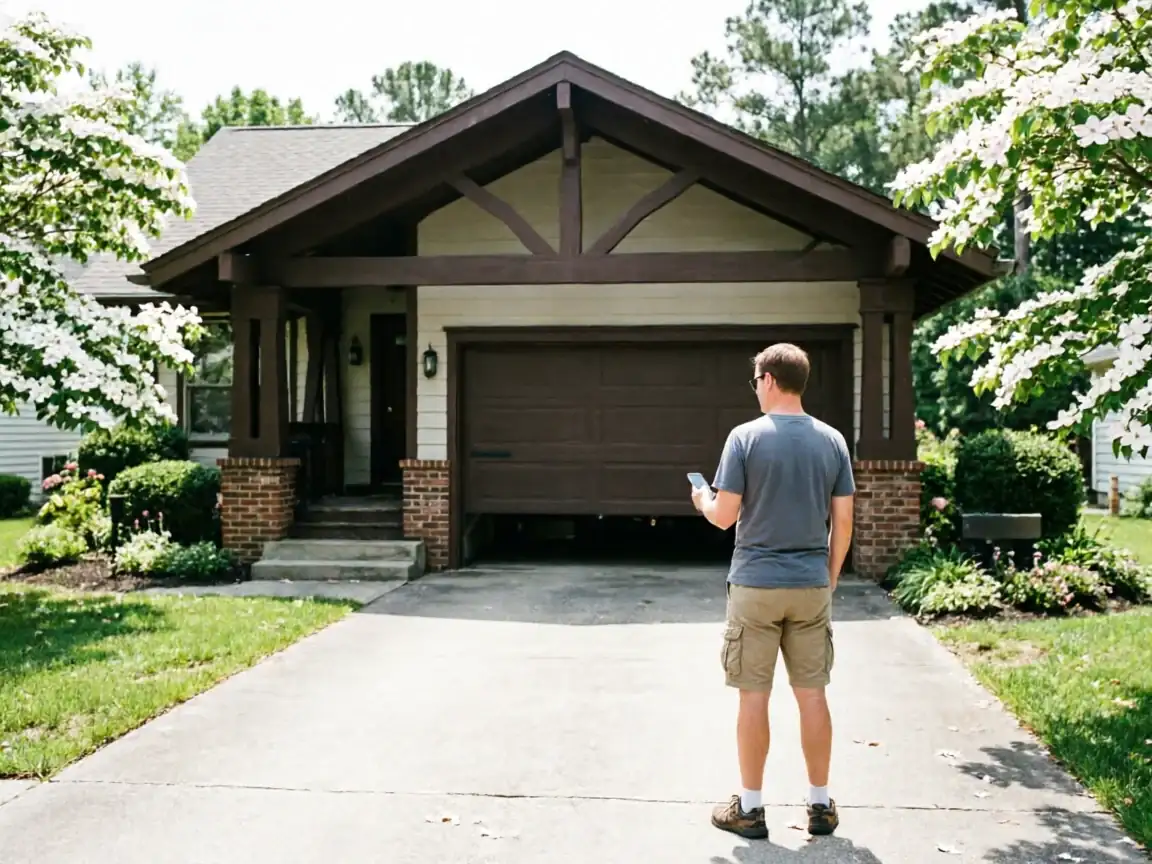
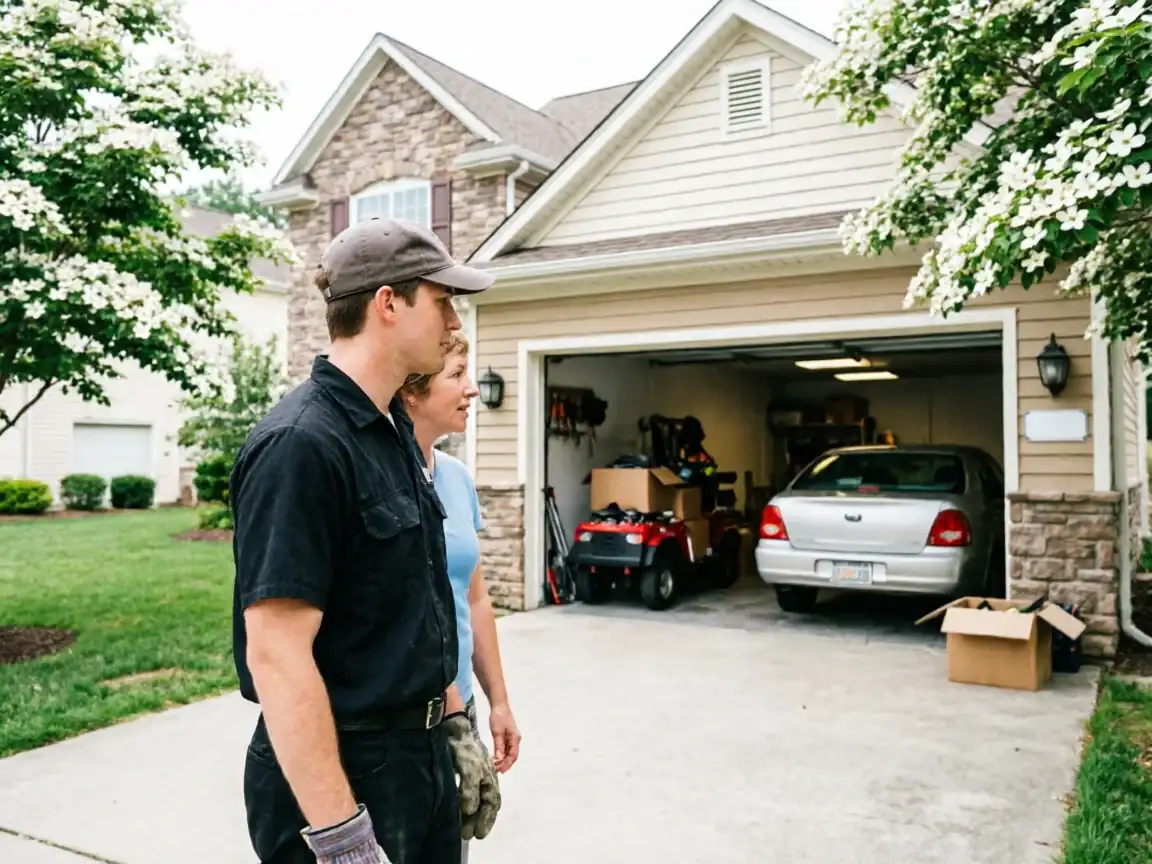
Lakeland sits 17 miles out from our shop in Memphis, the farthest stretch of our regular coverage. That's a real drive, not a quick hop across town, and it shapes how we plan the day. We bundle Lakeland calls where we can and we're upfront that we're coming from Memphis, not from a shop around the corner. It also means the trucks that roll out here are loaded before we leave, because turning back for a part costs everyone time. If your door trouble can wait for a scheduled slot rather than an emergency run, that's usually the cheaper and faster way to handle it from this distance. We still take the urgent calls - a door stuck open overnight, a spring that let go with the car trapped inside - but we're honest that a same-day fix from 17 miles away depends on where the truck already is that morning. Lakeland homeowners who've dealt with contractors based in Memphis know this rhythm already: it's not a knock on the work, it's just geography.
What We Do Not Do
We don't keep a truck stationed in Lakeland, and we're not going to pretend otherwise - every job here starts with a drive from Memphis, so we can't offer the kind of walk-up, same-hour service a shop based in town could. If your opener needs a part we don't carry on the truck that day, you may be looking at a second trip rather than a same-visit fix, and we'd rather tell you that up front than promise something we can't deliver from this far out. We also don't recommend patching a door that's cheaper to replace outright; on a newer Lakeland home with a door still under its original hardware, that's rarely the case, but we'll say so plainly when it is. What we focus on instead is doing the diagnosis right the first time, so the trip out here counts.
How That Shows Up in the Door
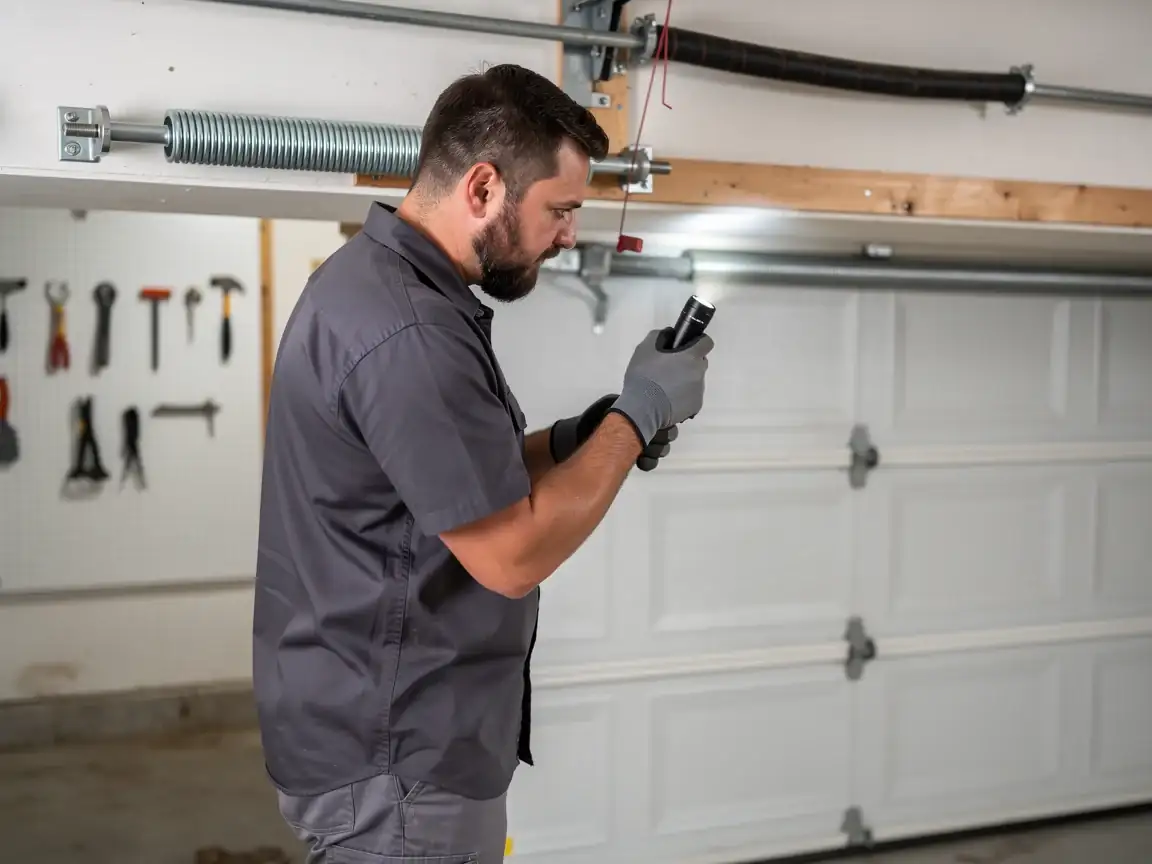
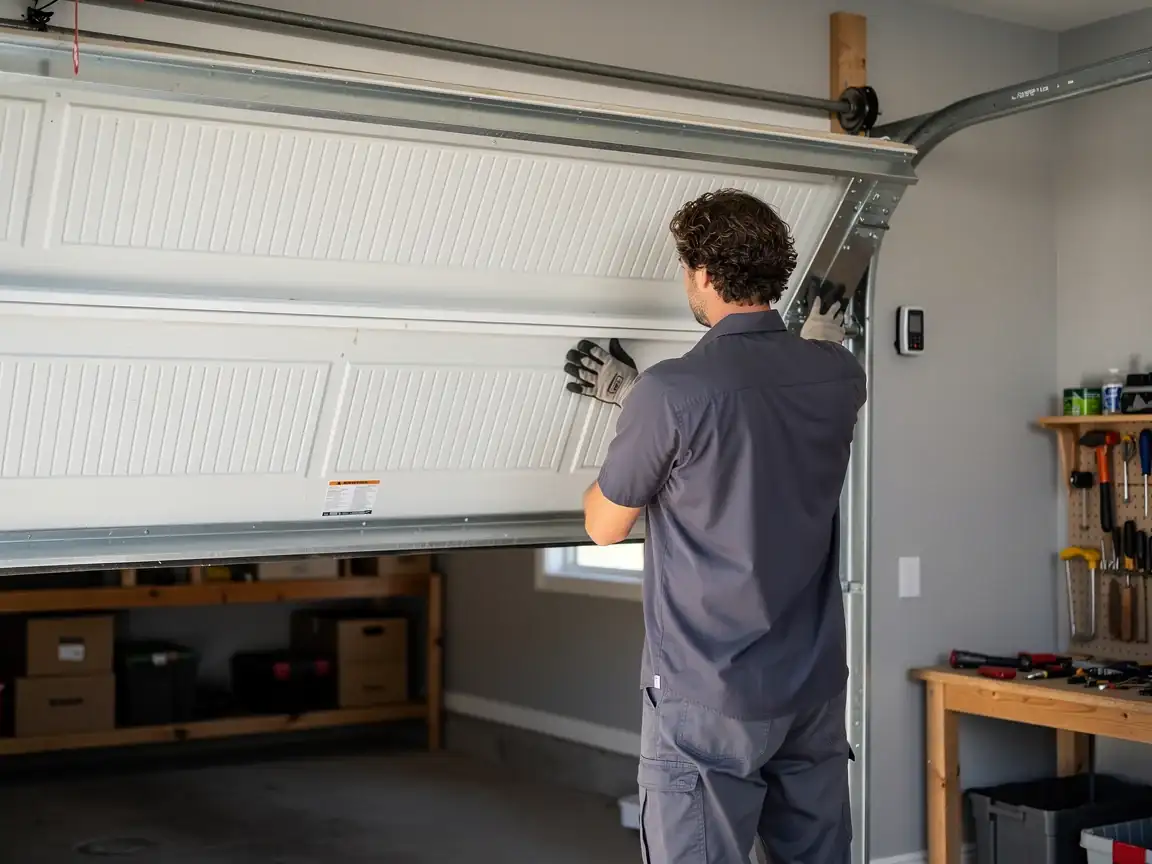
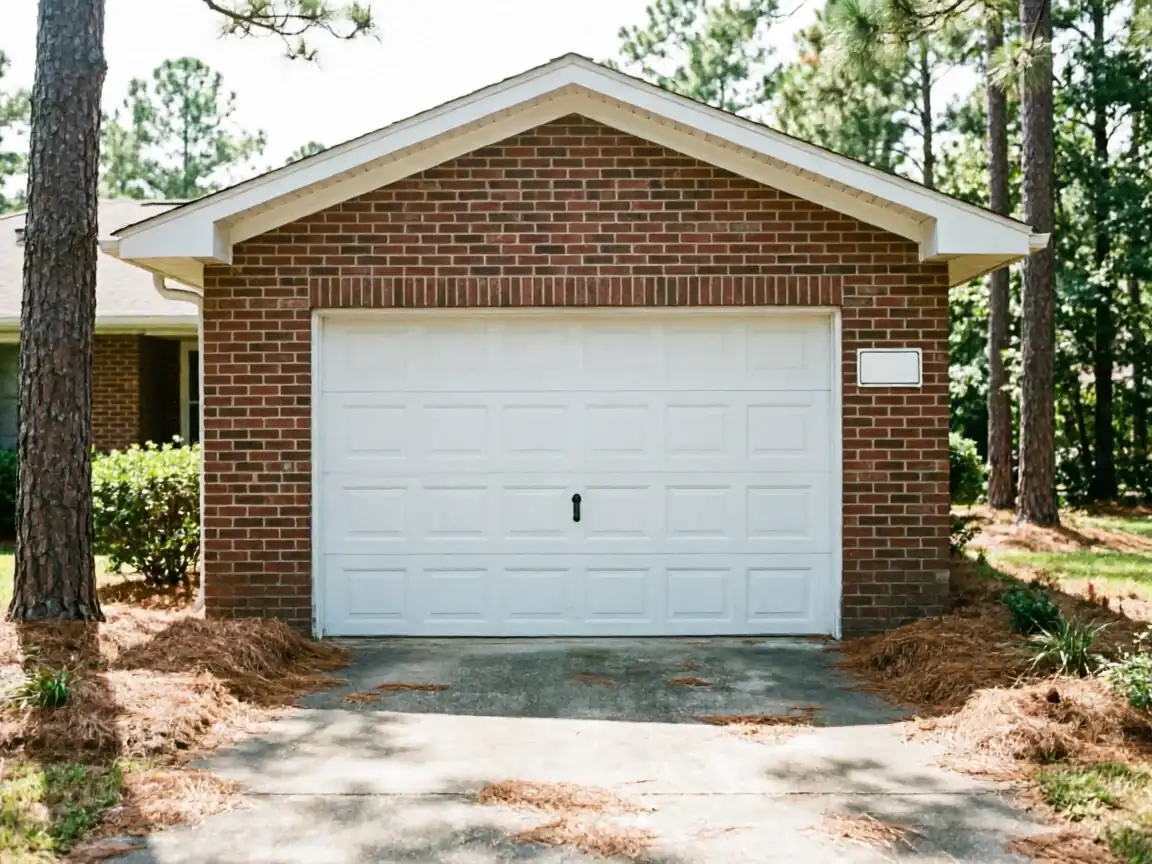
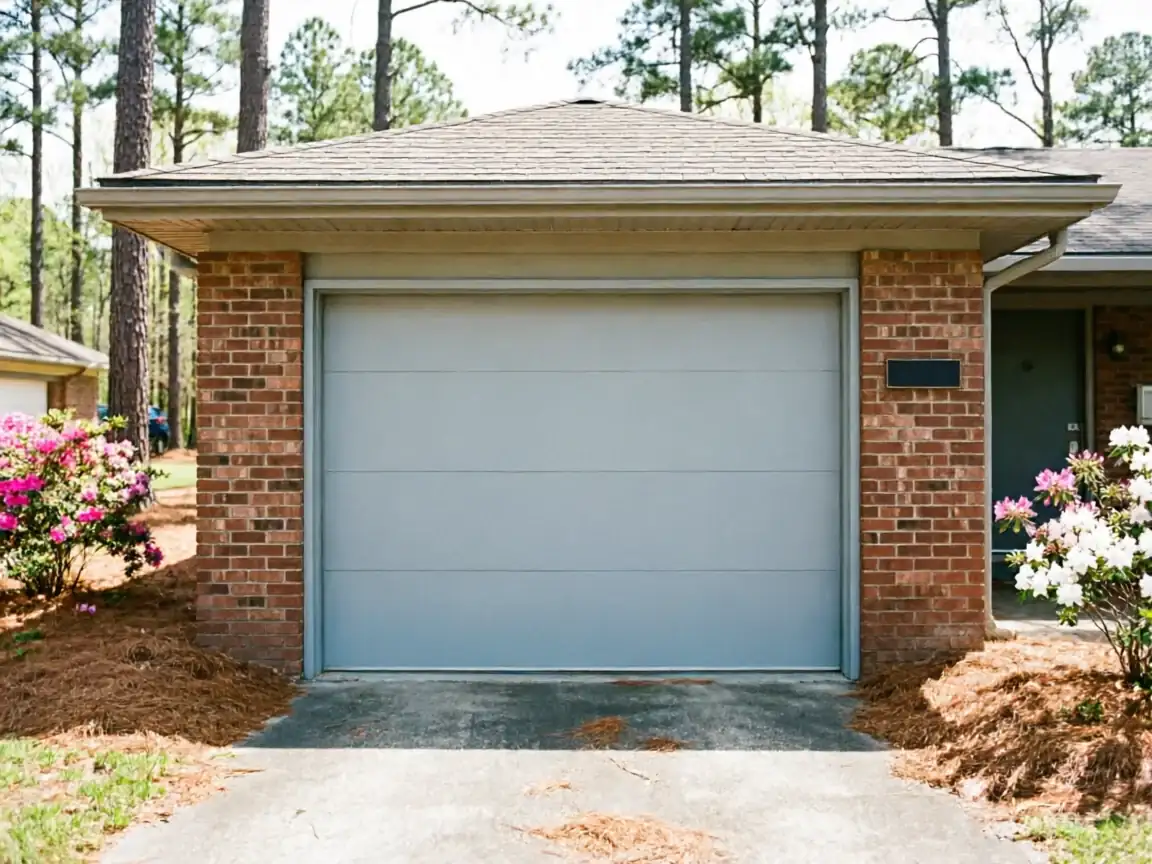
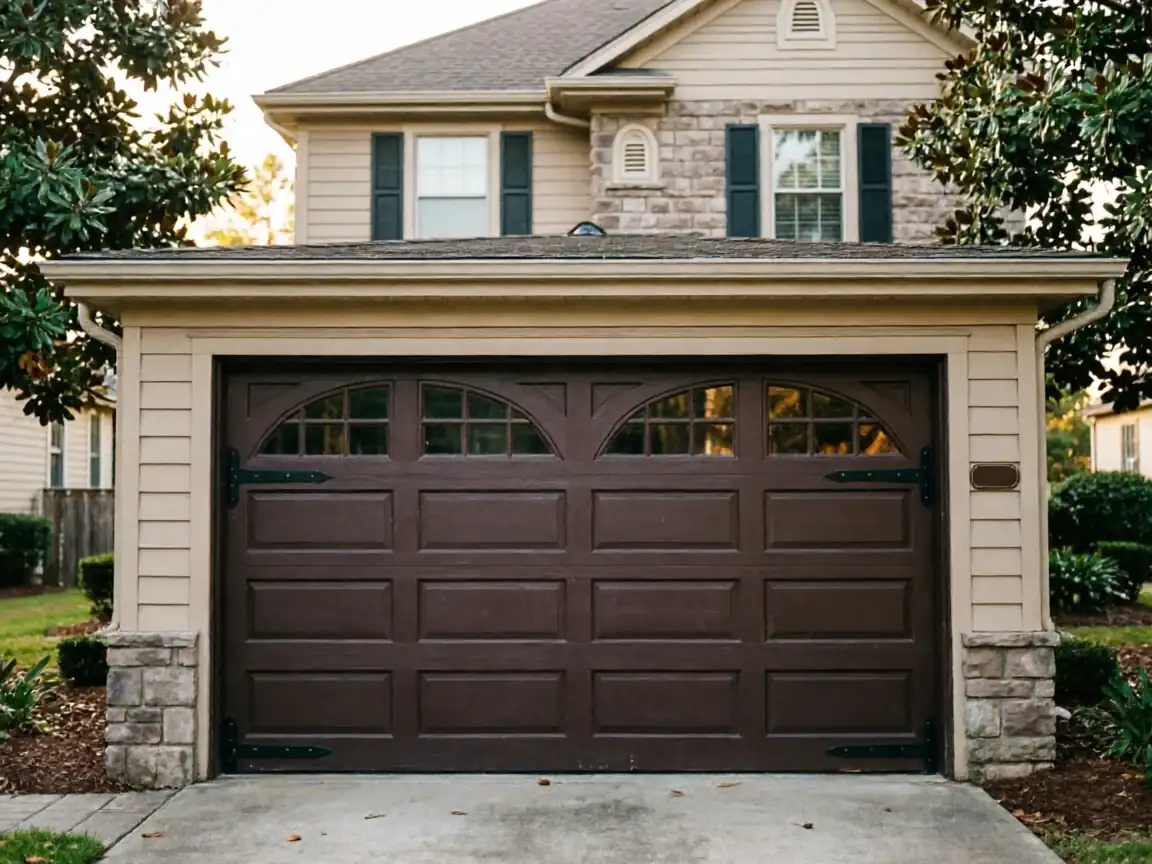
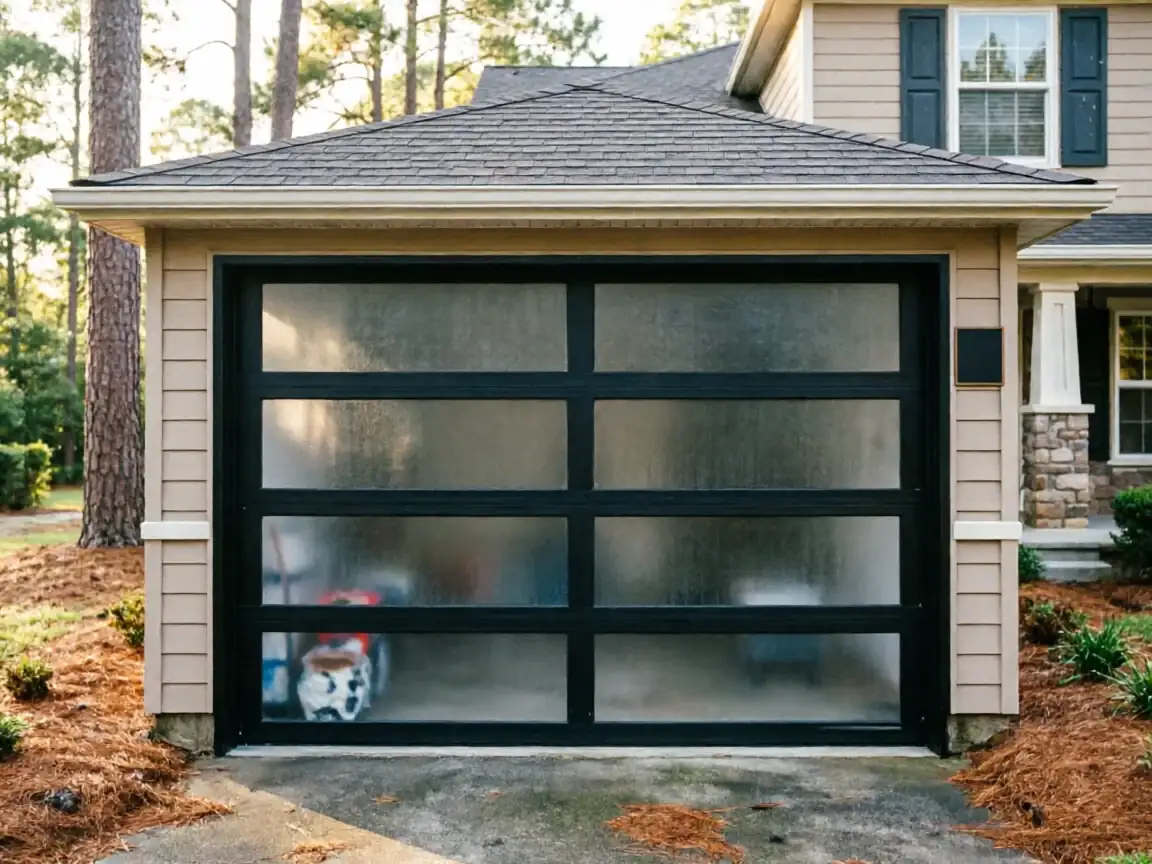
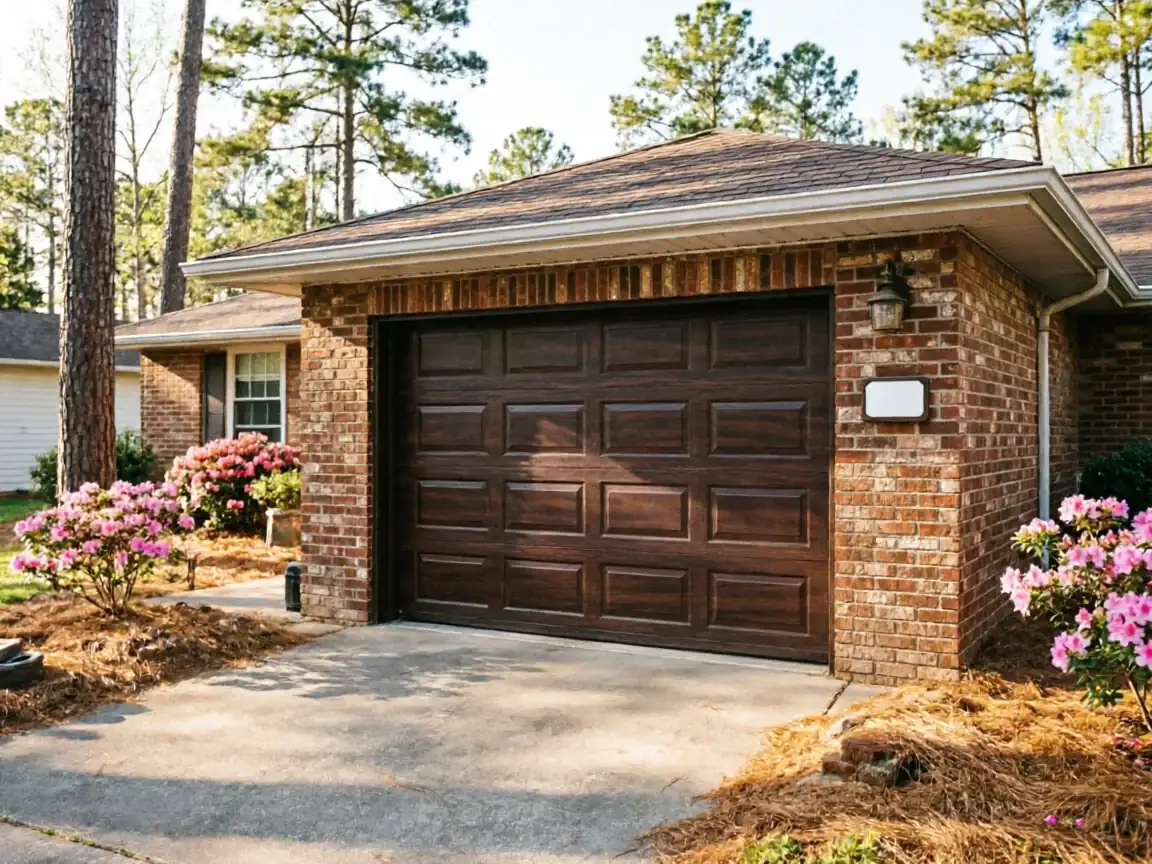
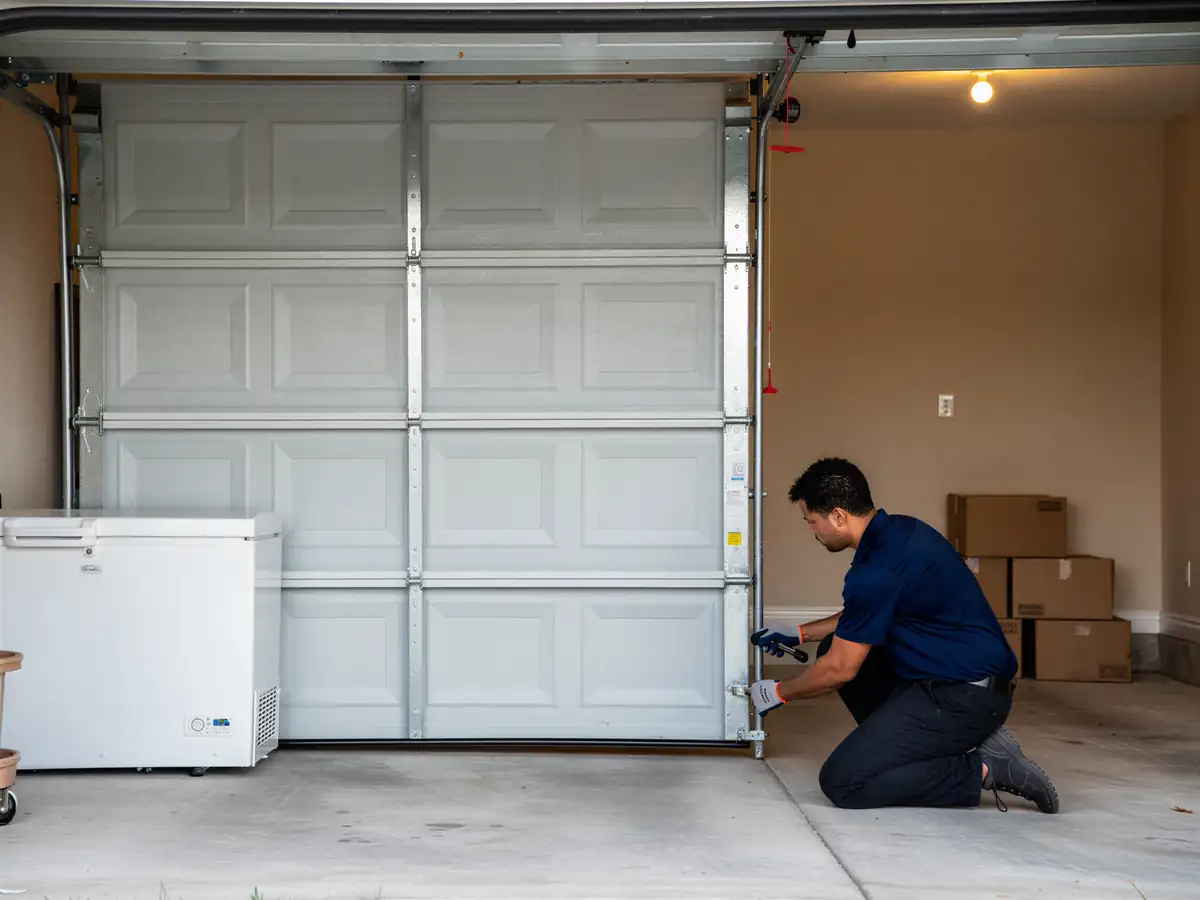
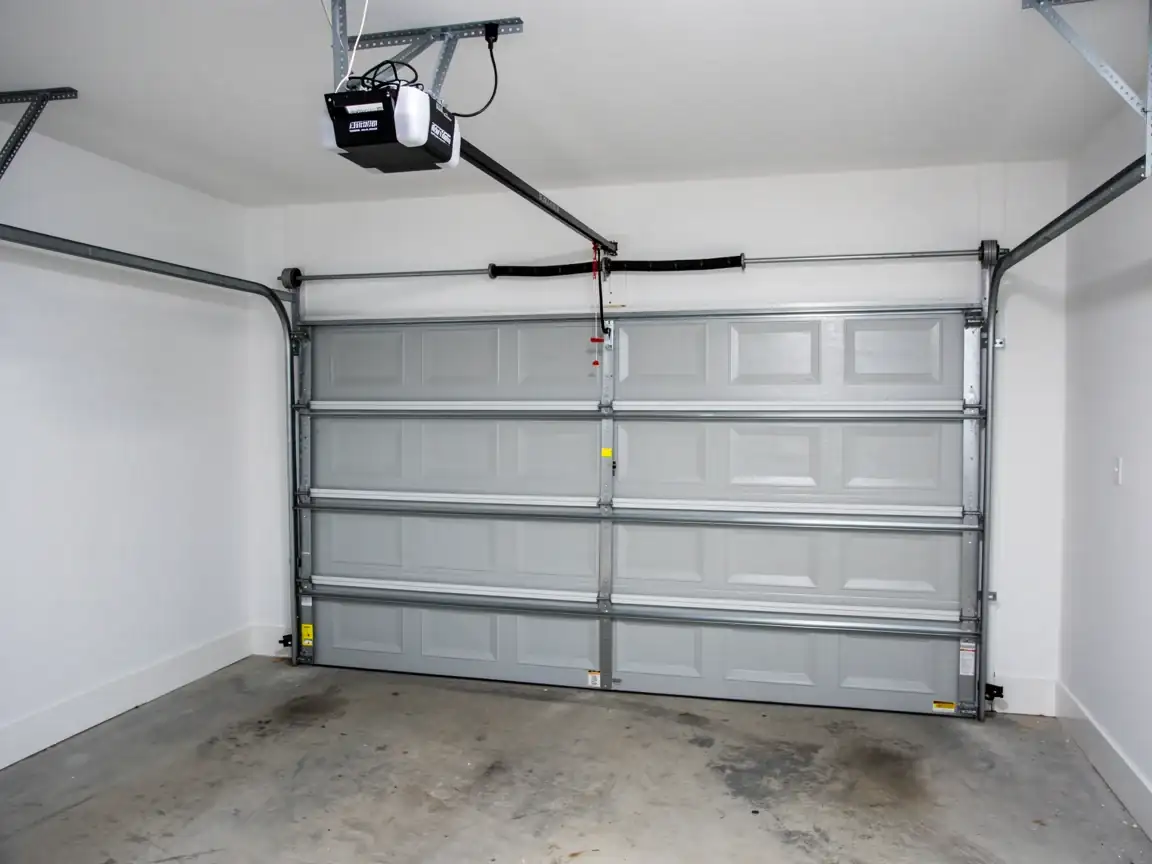
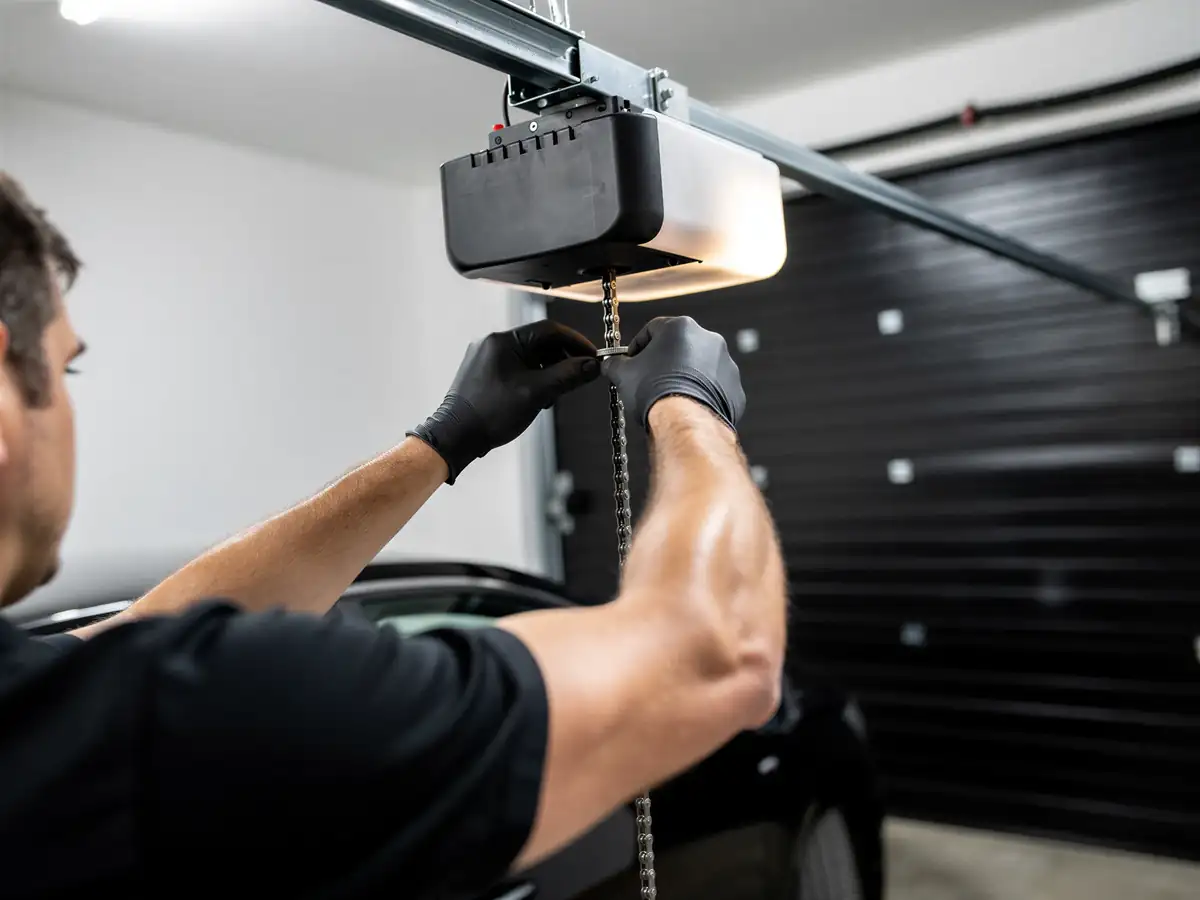
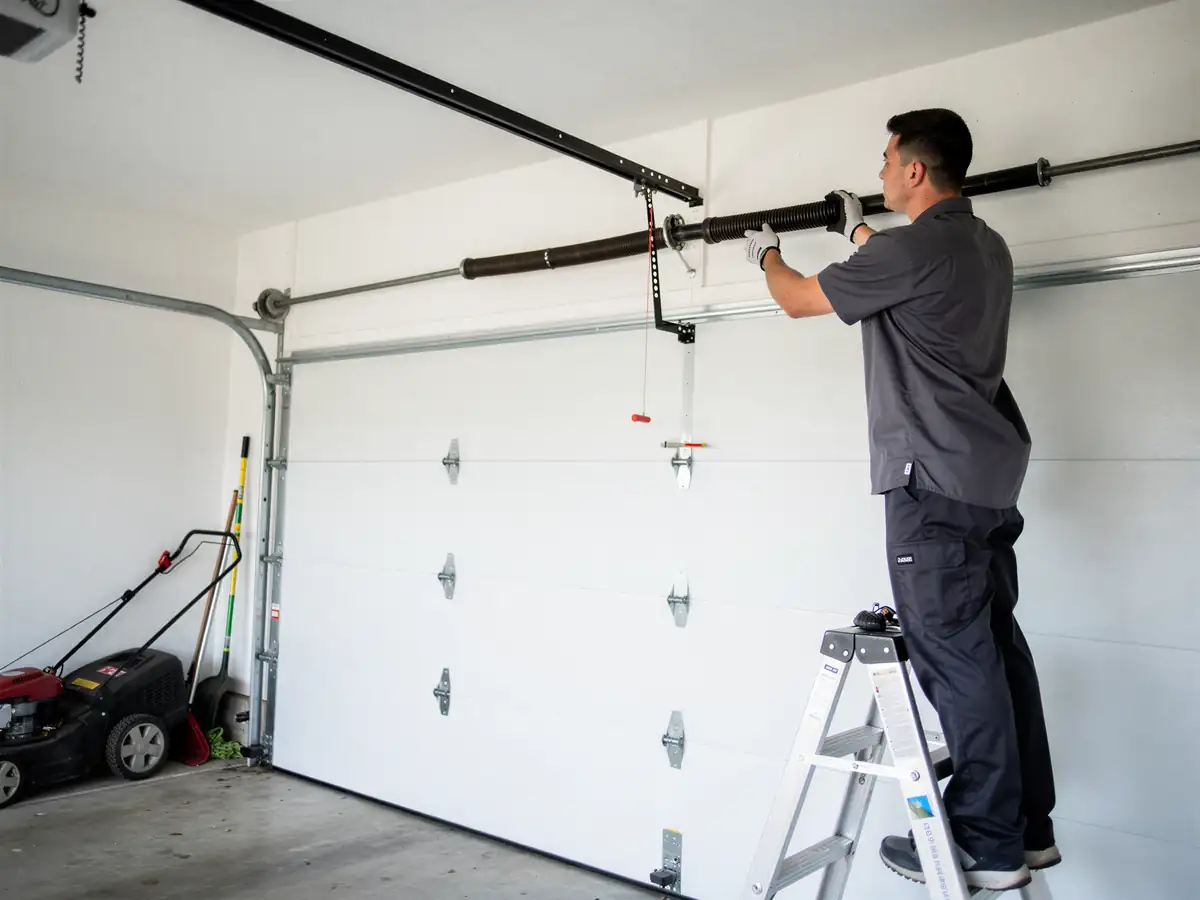
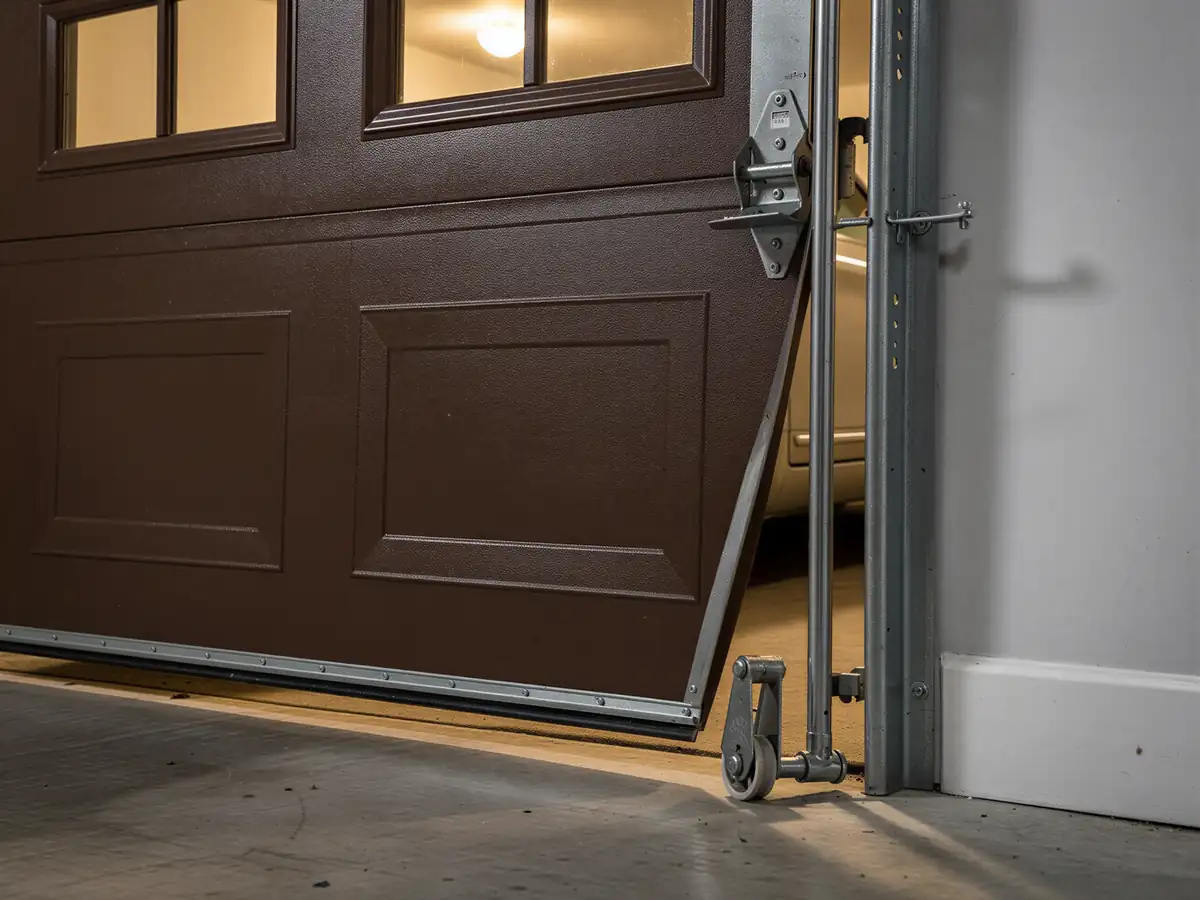
Because most Lakeland garages date to the 1998 median rather than the 1970s or 80s stock closer to the city, you're far more likely to find torsion springs mounted over the door than the older side-mounted extension kind - that shift in standard hardware happened well before most of these houses were framed. Panels tend to be factory-insulated steel rather than the solid wood or thin single-layer steel common on older builds, and openers are more often chain or belt-drive units installed as part of the original build instead of a later add-on. The common failures we see out here lean toward wear rather than age-related hardware failure: a roller that's finally given out after years of daily use, a sensor knocked out of alignment, a cable fraying at the drum. It's less often the