The Drive Over
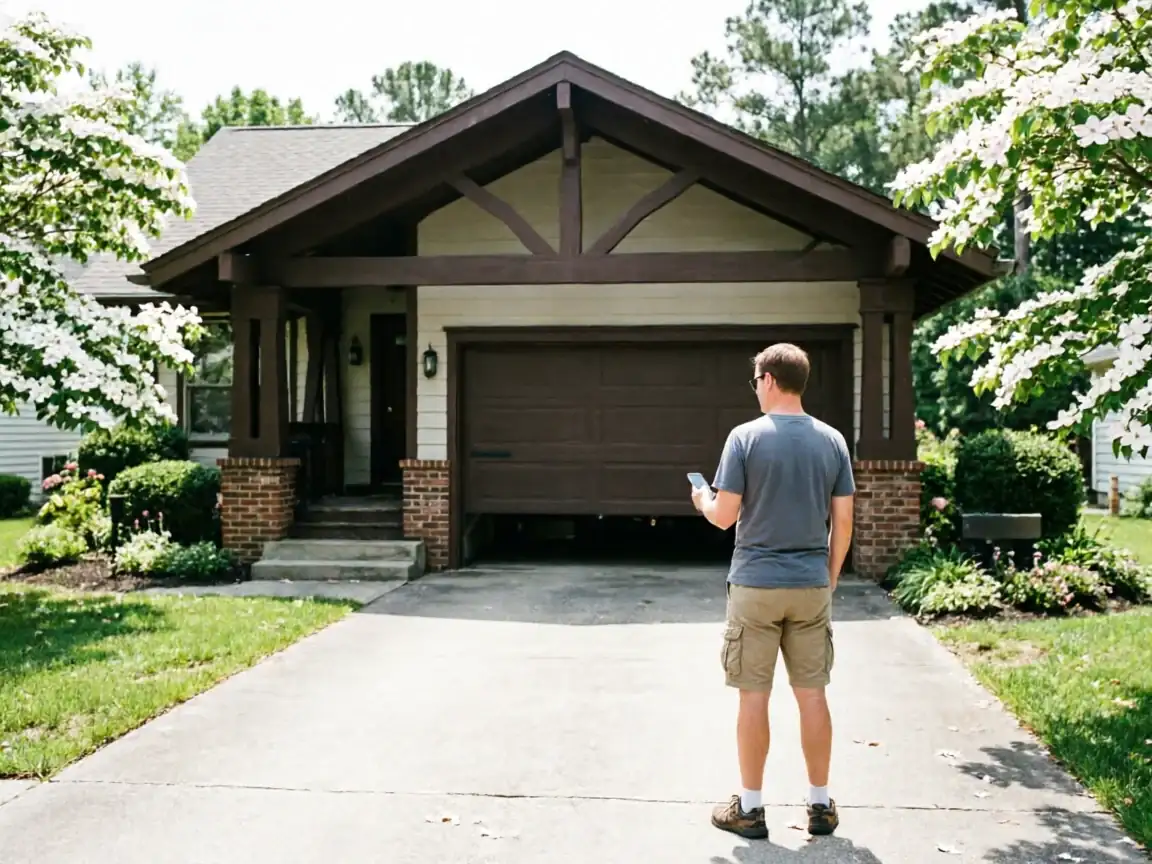
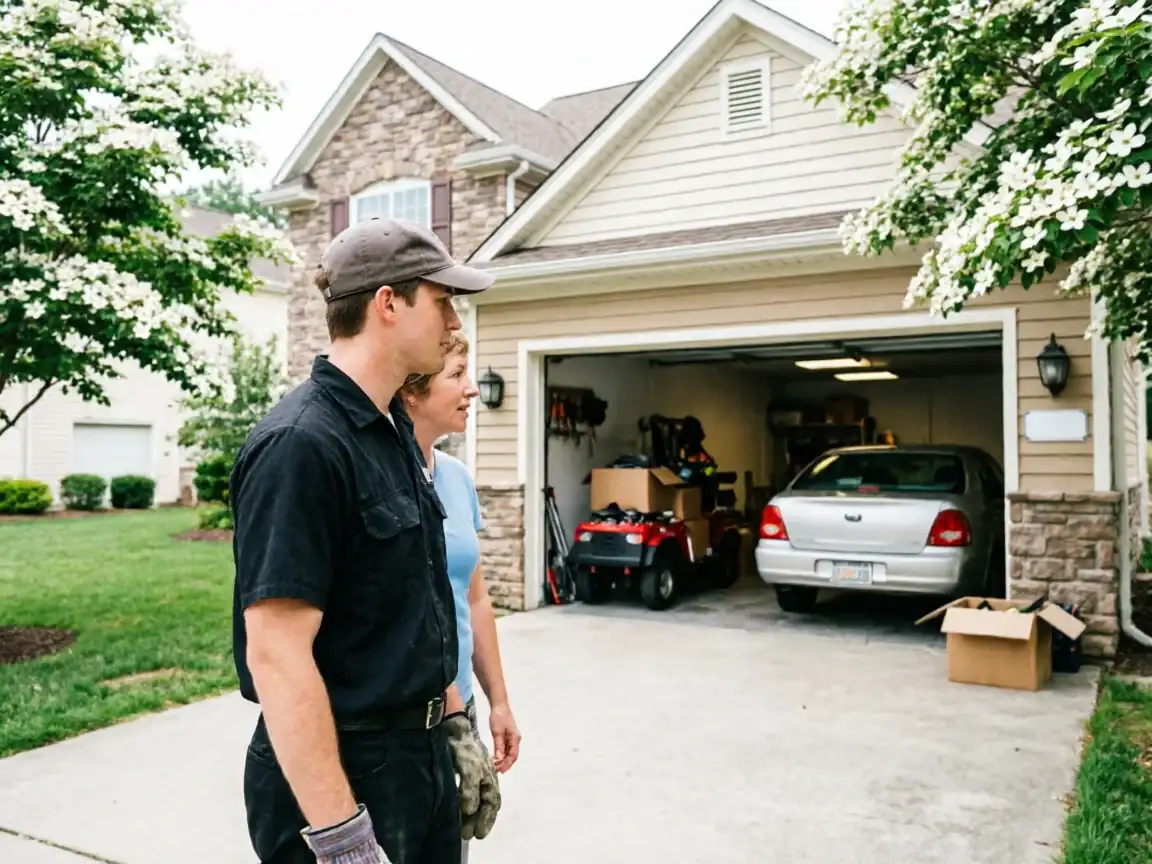
We're based in Memphis, 11 miles from Germantown, and that drive is part of how we work this area - no depot here, no claim of being around the corner. What that means for you: we schedule the trip, we bring what the job needs based on what you tell us on the phone, and we don't pad the estimate with a "local presence" we don't have. Germantown is one of the areas we run regularly, not an afterthought tacked onto a Memphis route. With roughly 15,551 households in this part of the service area, it's enough volume that we see the same handful of door and opener problems over and over, which is useful - we're not guessing when we show up.
We won't tell you a truck is standing by or a tech is five minutes out, because that's not how this works. If you need the same-day urgency of a depot in town, that's a different kind of company than us. What we can say is that the drive doesn't change the job once we're there - same tools, same parts stock, same diagnosis either way.
What We Do Not Do
We don't do walk-in retail or showroom sales - there's no storefront to browse doors in. We don't stock every opener brand's proprietary circuit board, so a dead board on an older or oddball unit sometimes means a parts order and a second trip, not a same-visit fix. We don't repair doors that are more cost to patch than to replace; if a torsion spring has taken the bottom panel with it on a 30-plus-year-old door, we'll tell you straight that new is the better math, not try to sell you a patch job that fails again in a year.
We also don't claim coverage outside what we actually run. Germantown is on our route; that doesn't mean every town near it is. And we don't promise a response window we haven't been asked to quote - if you need an exact time, ask when you call, don't assume.
What Was Built Here
Germantown's housing centers on 1983
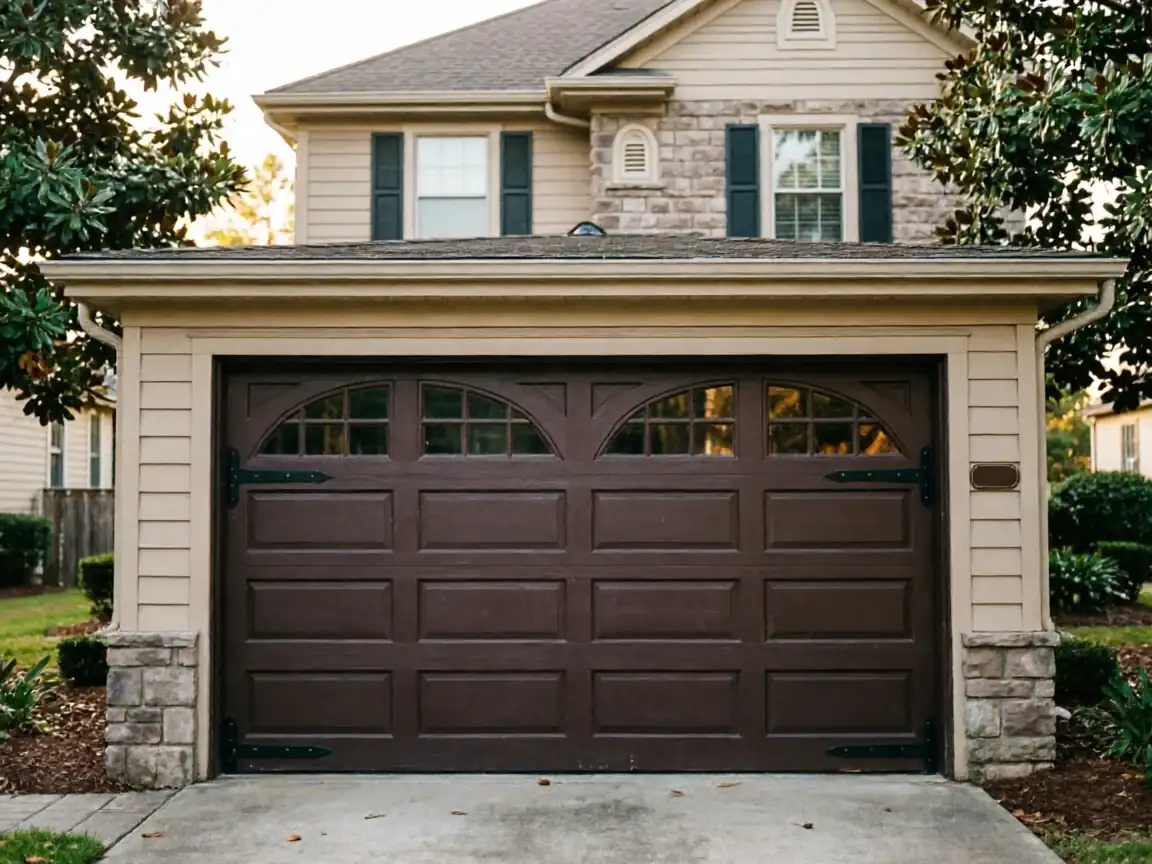
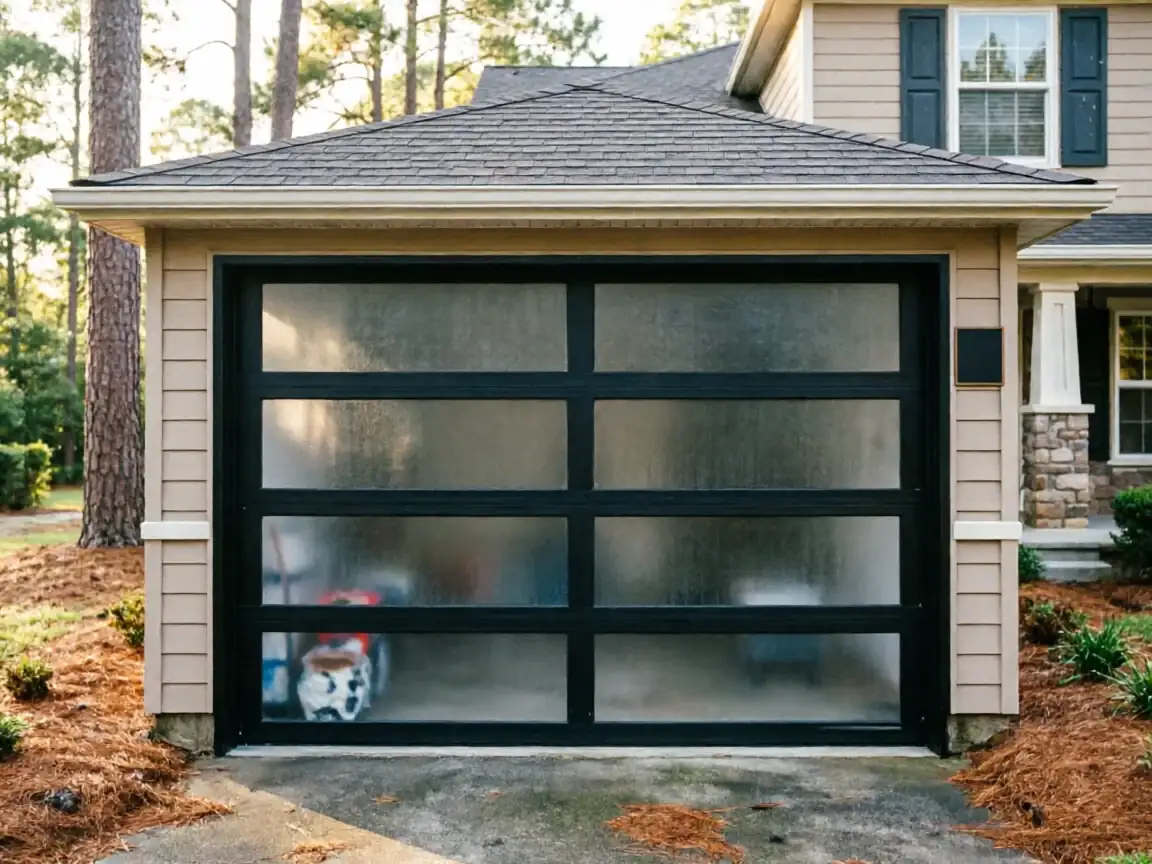
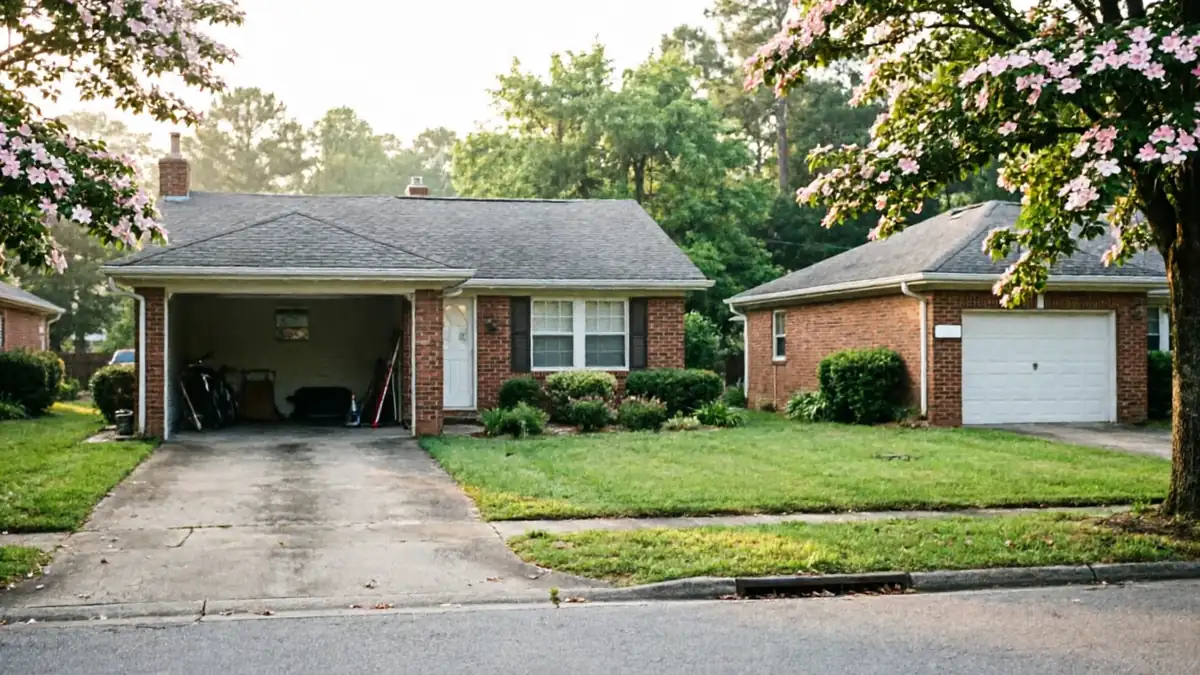
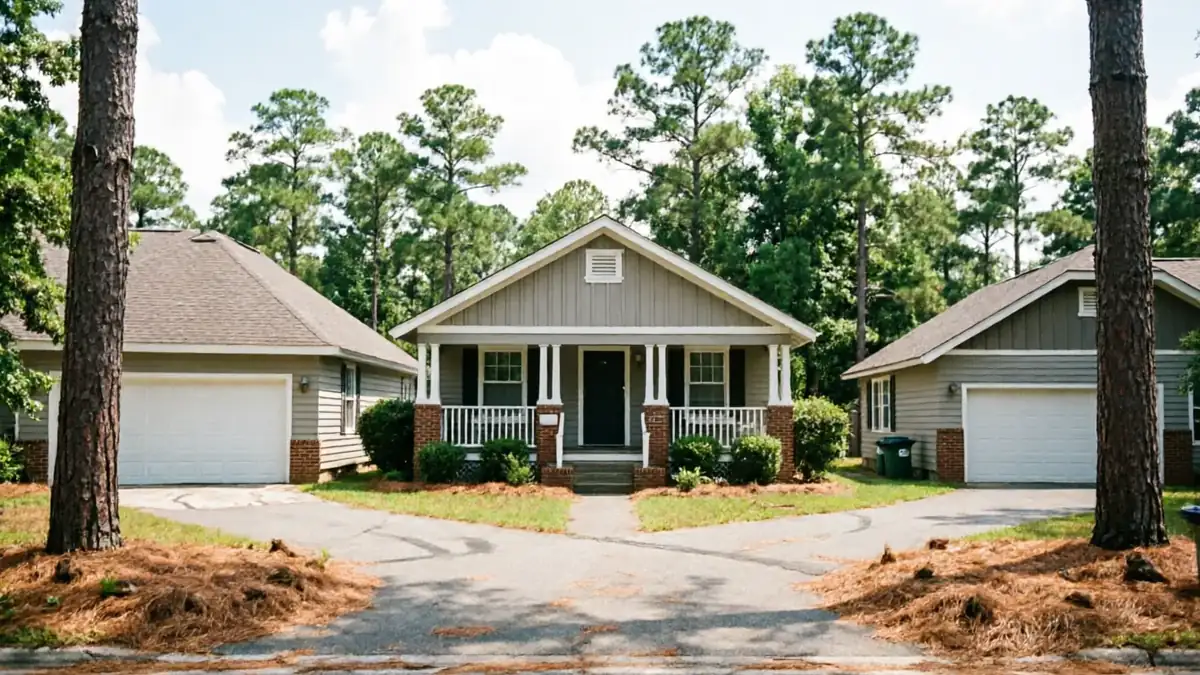
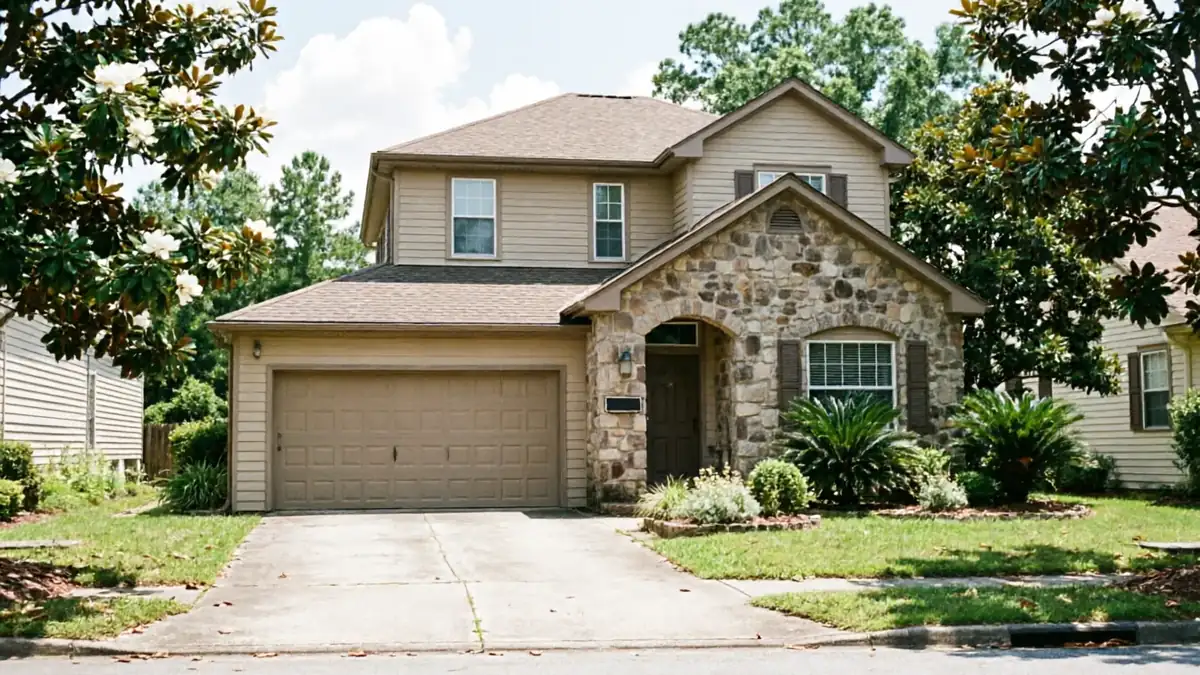
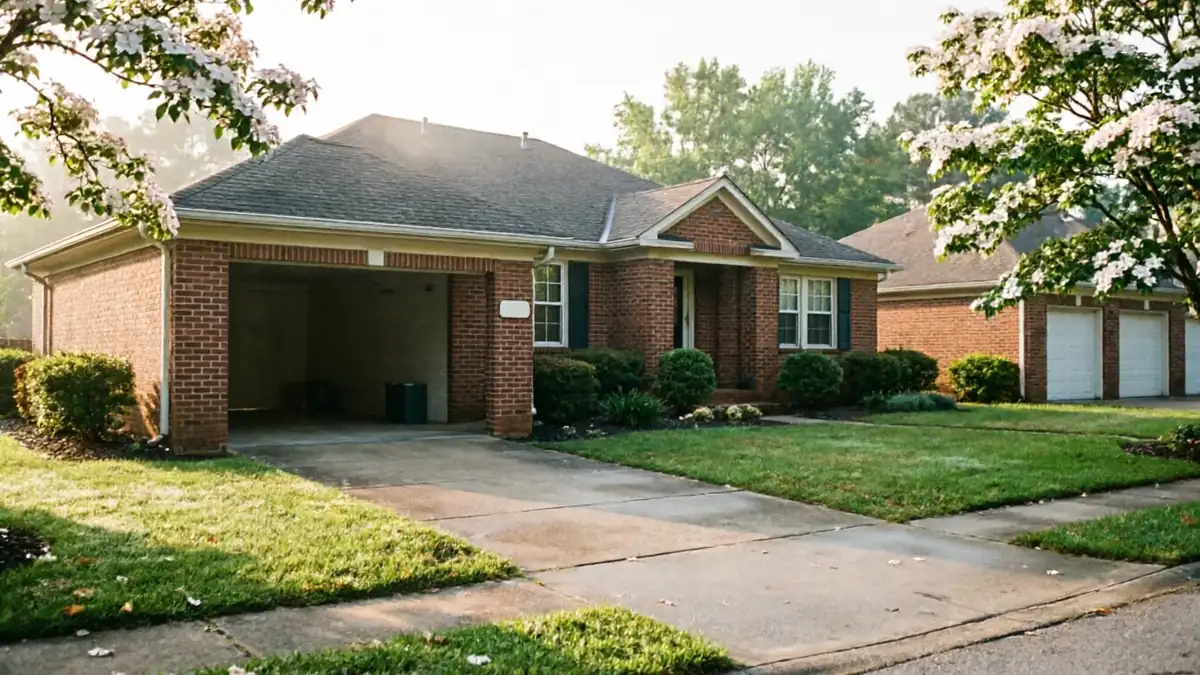
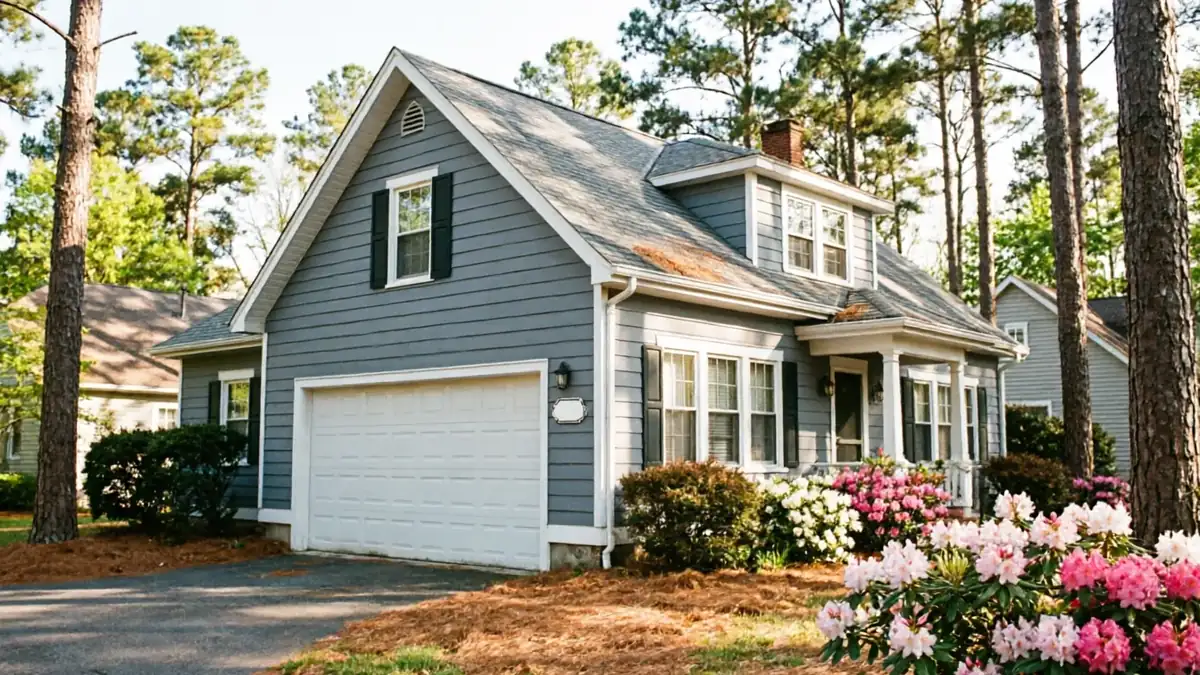
Which puts a lot of this area's garage doors and openers ahead of the broader Memphis service area's 1990 median - meaning the hardware here is, on average, older than what we see on calls closer to the city. Median household income in Germantown runs $144,799, well above the $119,876 figure for the wider service area, and that shows up in the door stock: more sectional steel doors with insulated panels, fewer bare single-layer originals, more openers that got upgraded at some point rather than left as-is from construction.
The area sits in a cold-moderate climate band
Which over four decades means expansion and contraction cycles on steel tracks and torsion springs that eventually fatigue metal regardless of income bracket. A 1983-built door that's never had the spring replaced is well past the point where failure is a matter of when, not if.
How That Shows Up in the Door
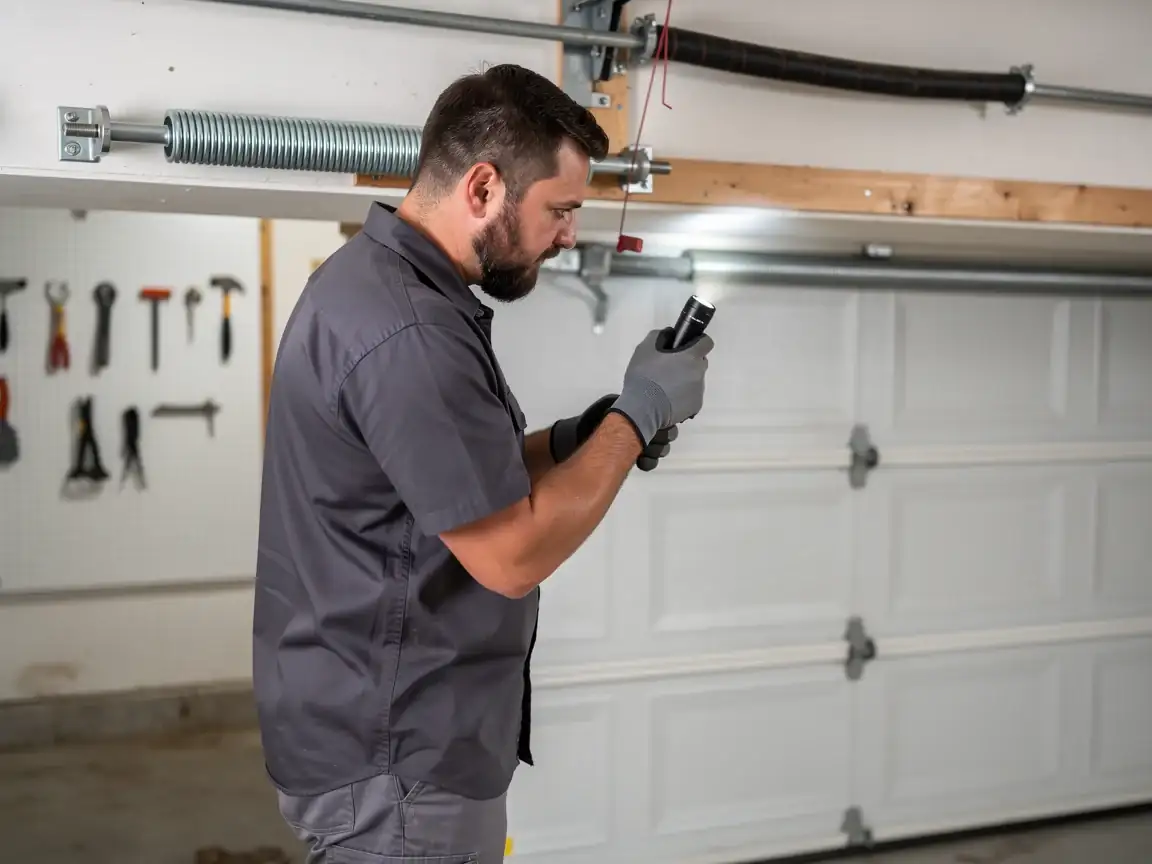
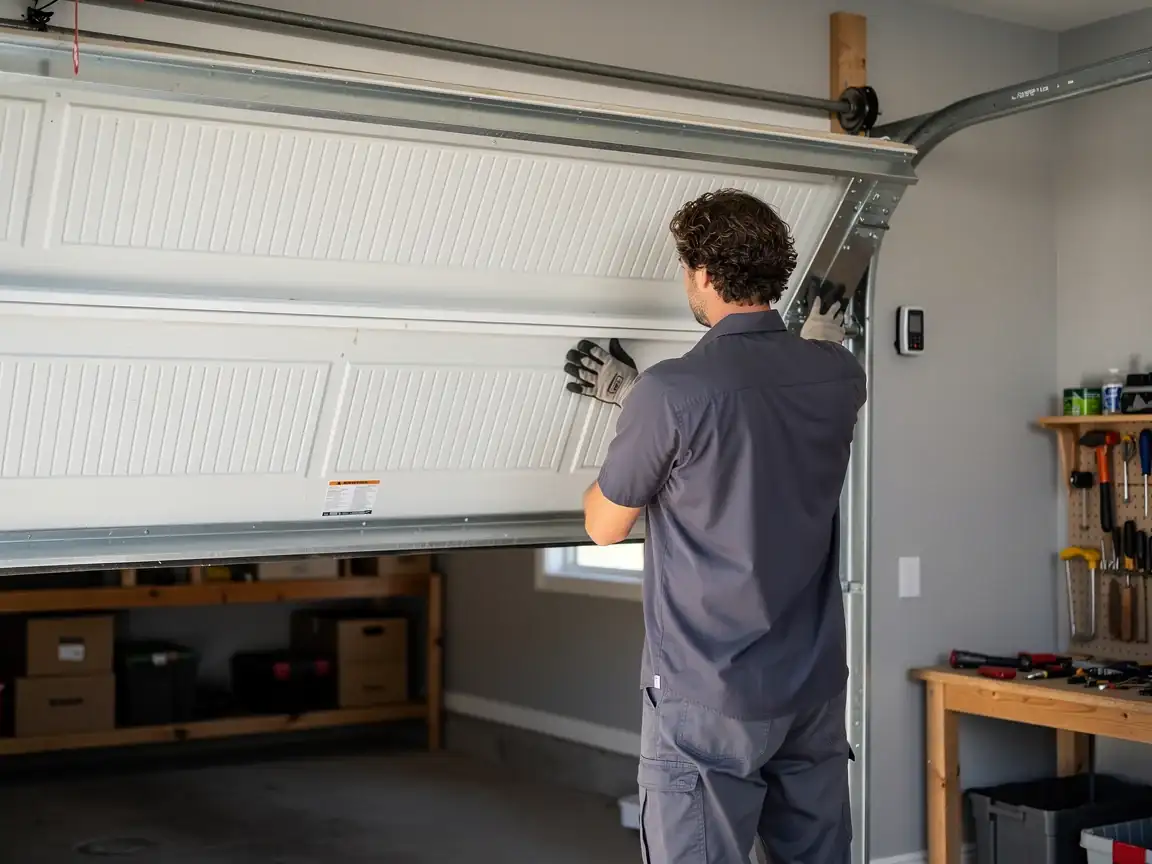
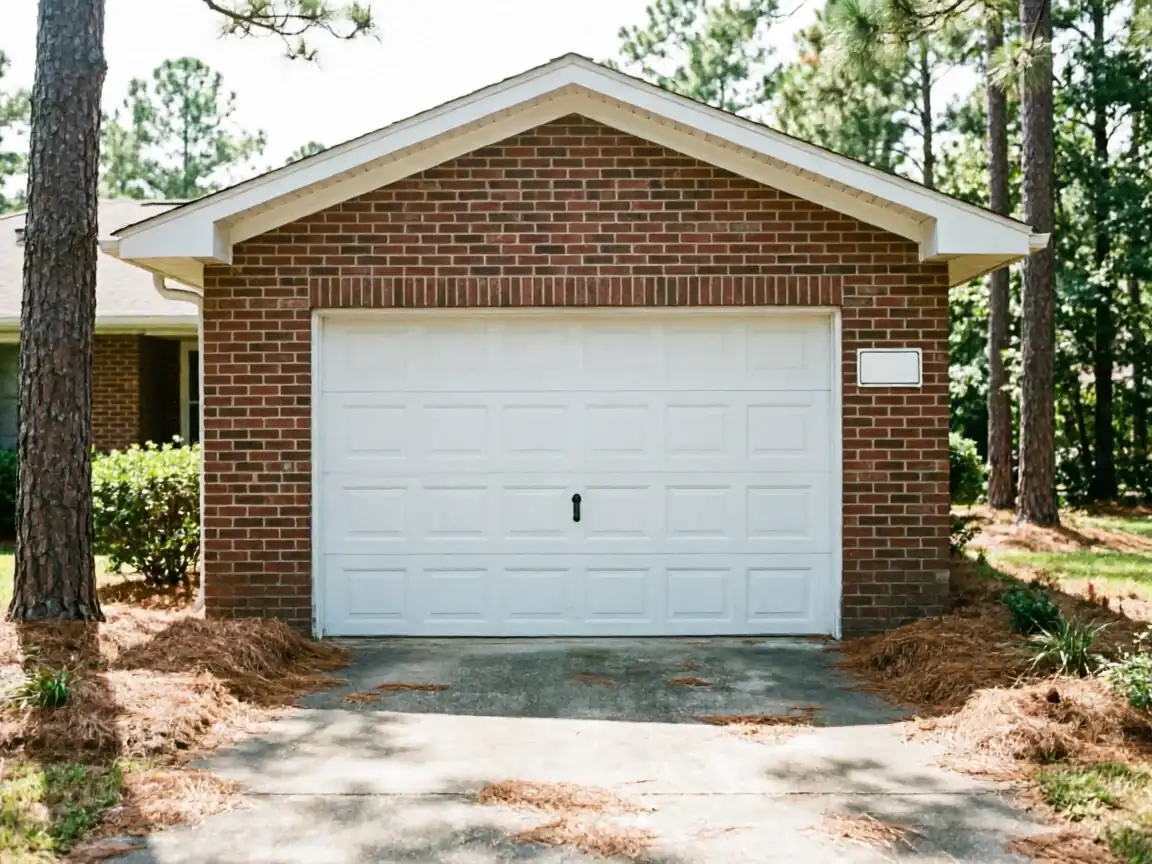
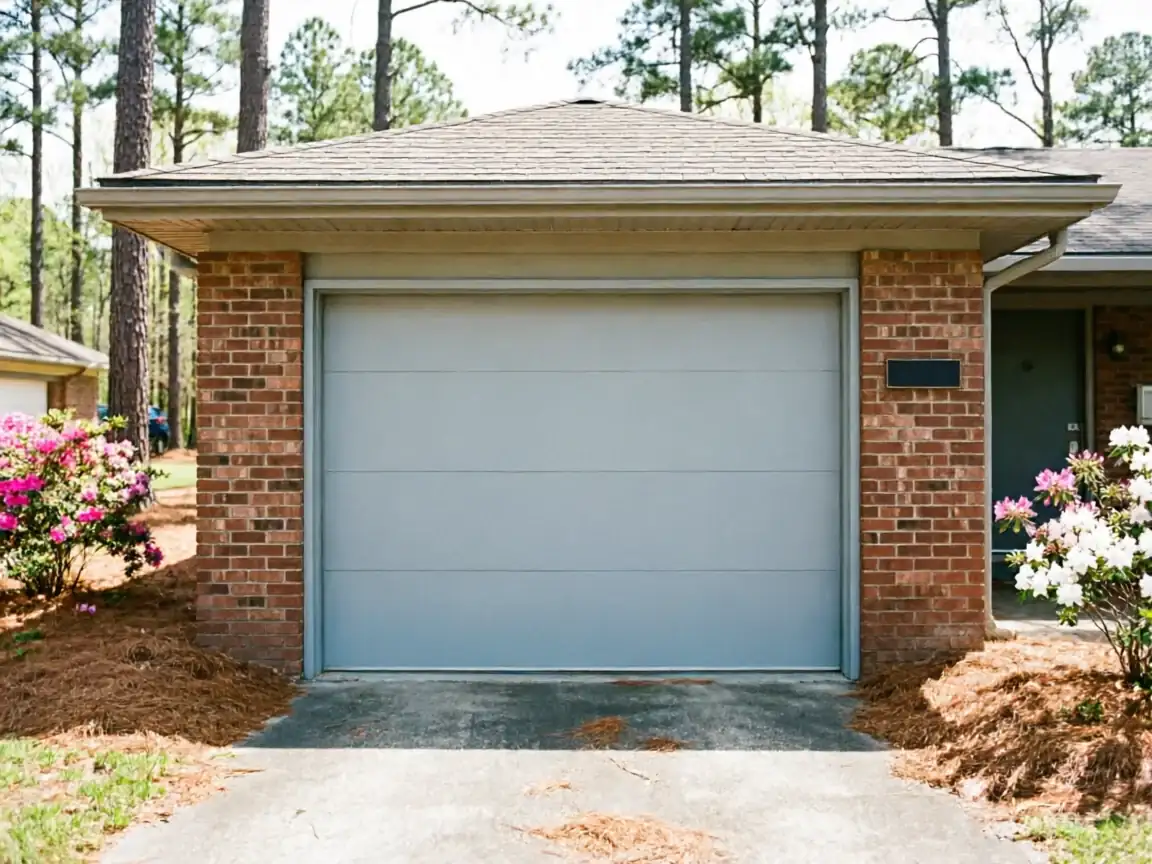
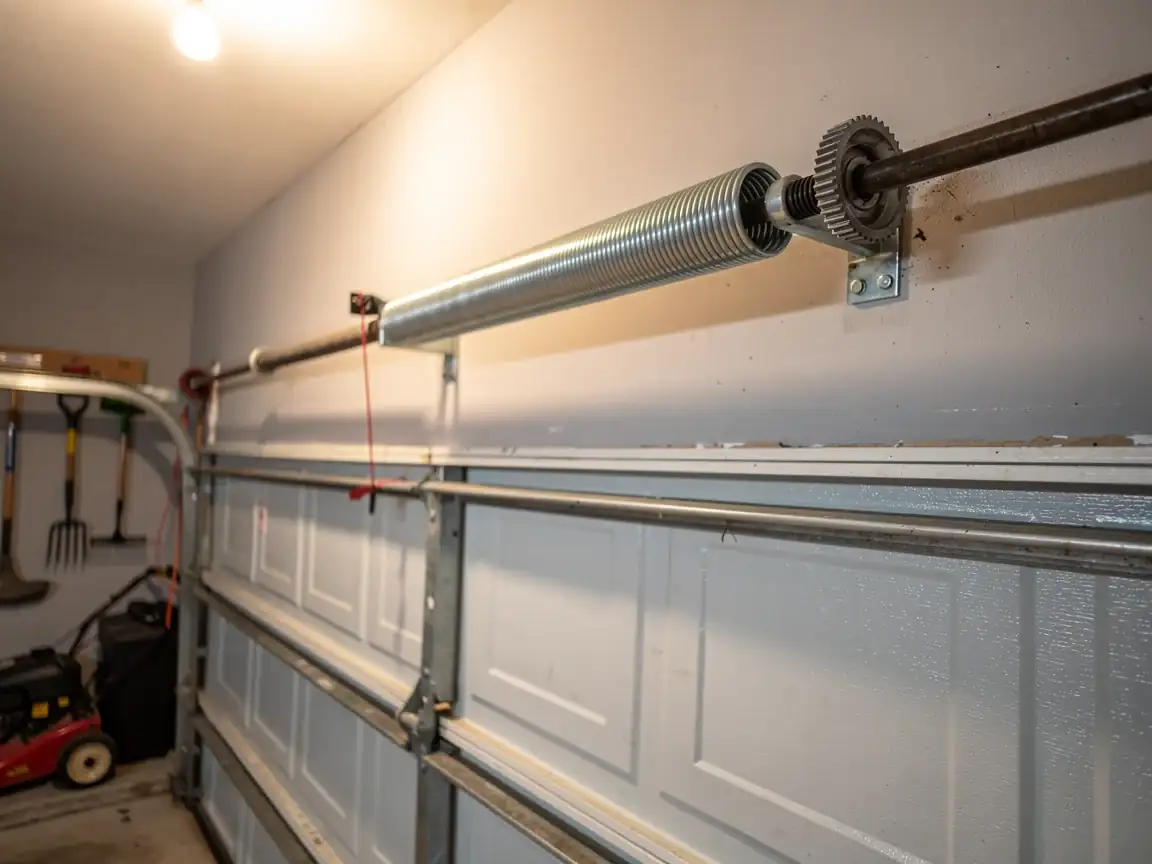
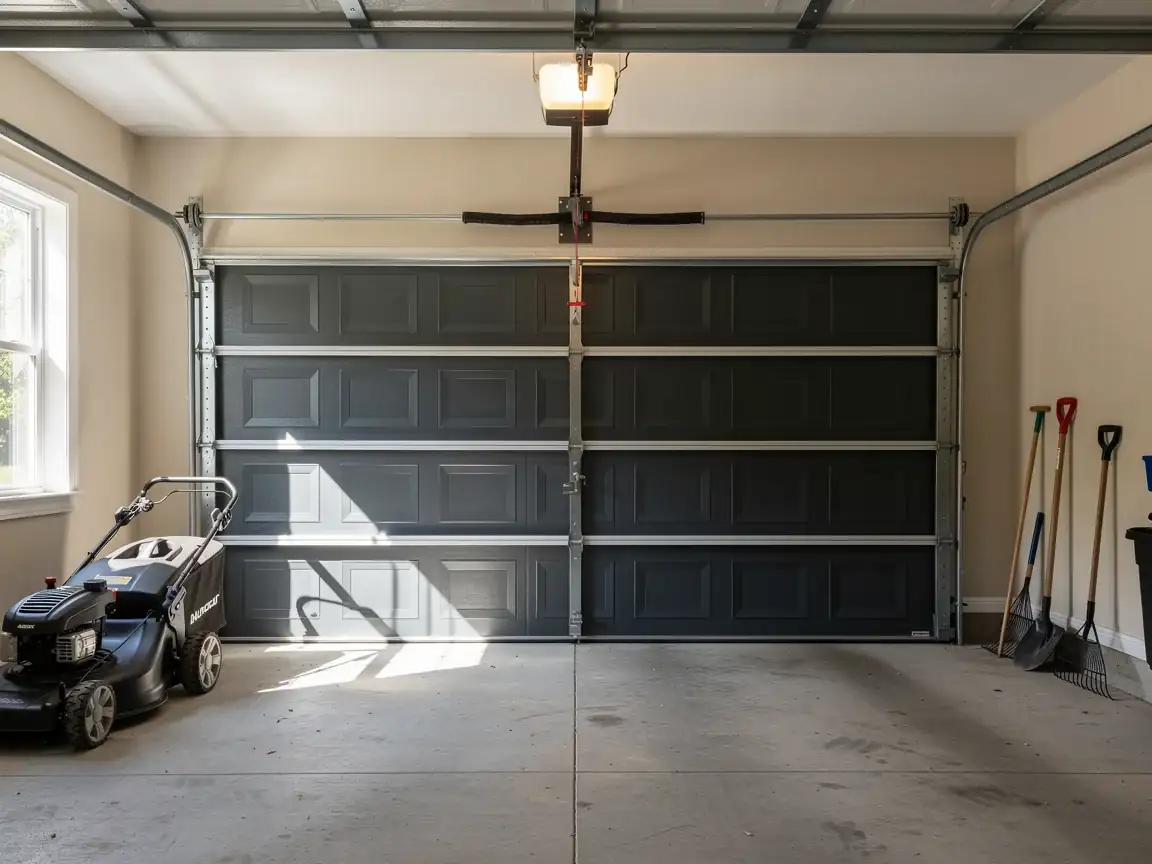
A door from the early-to-mid 1980s typically runs on torsion hardware that's now outdated by two or three generations - original springs, worn rollers, and openers that may predate the safety reversal sensors required on newer units. When we get a call from this part of the area, we're often looking at a spring that's simply reached the end of its cycle count, or an opener old enough that replacement parts are getting hard to source rather than a straightforward repair.
Because household income here tends to run higher, we also see more doors that were upgraded once already - a newer opener bolted onto original 1983 track, for instance, which can mean a mismatch between modern opener force settings and old, slightly bent rail. That combination is worth a second look, not just a quick fix on whichever part failed first.