What Causes It Around Here
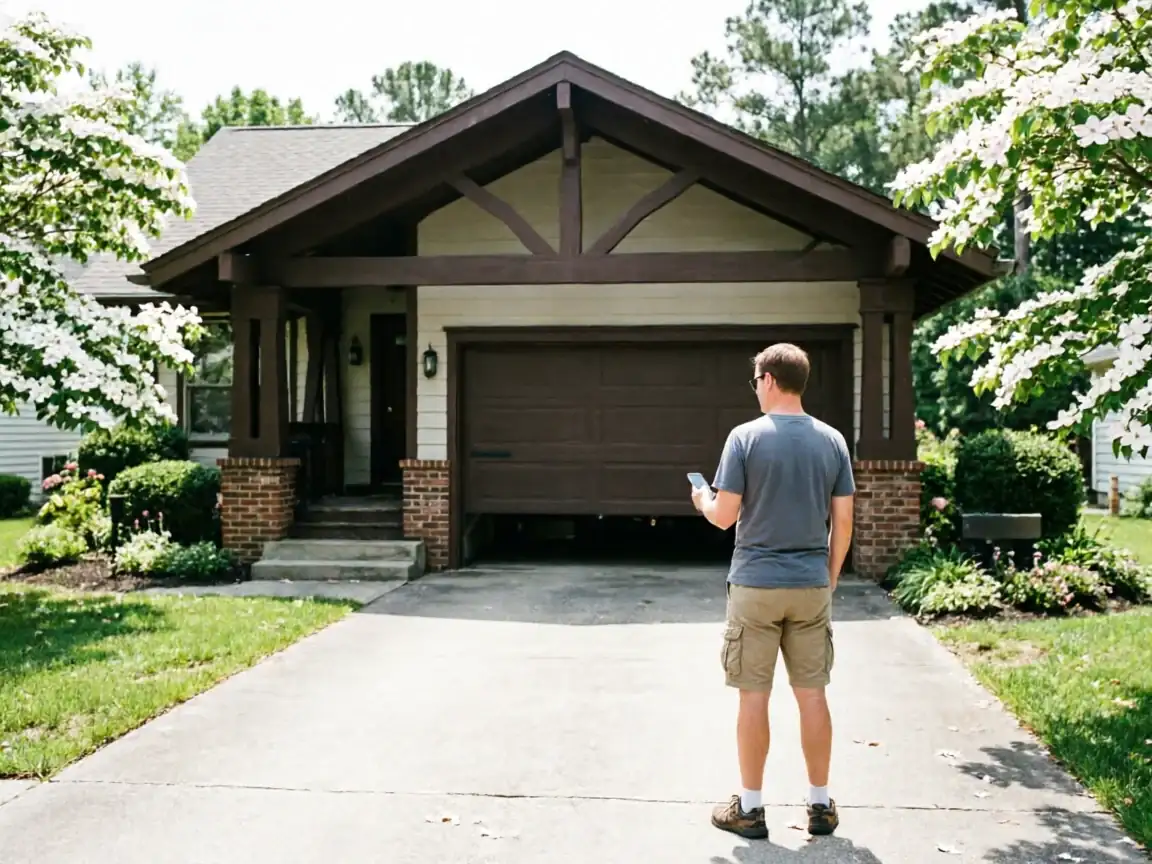
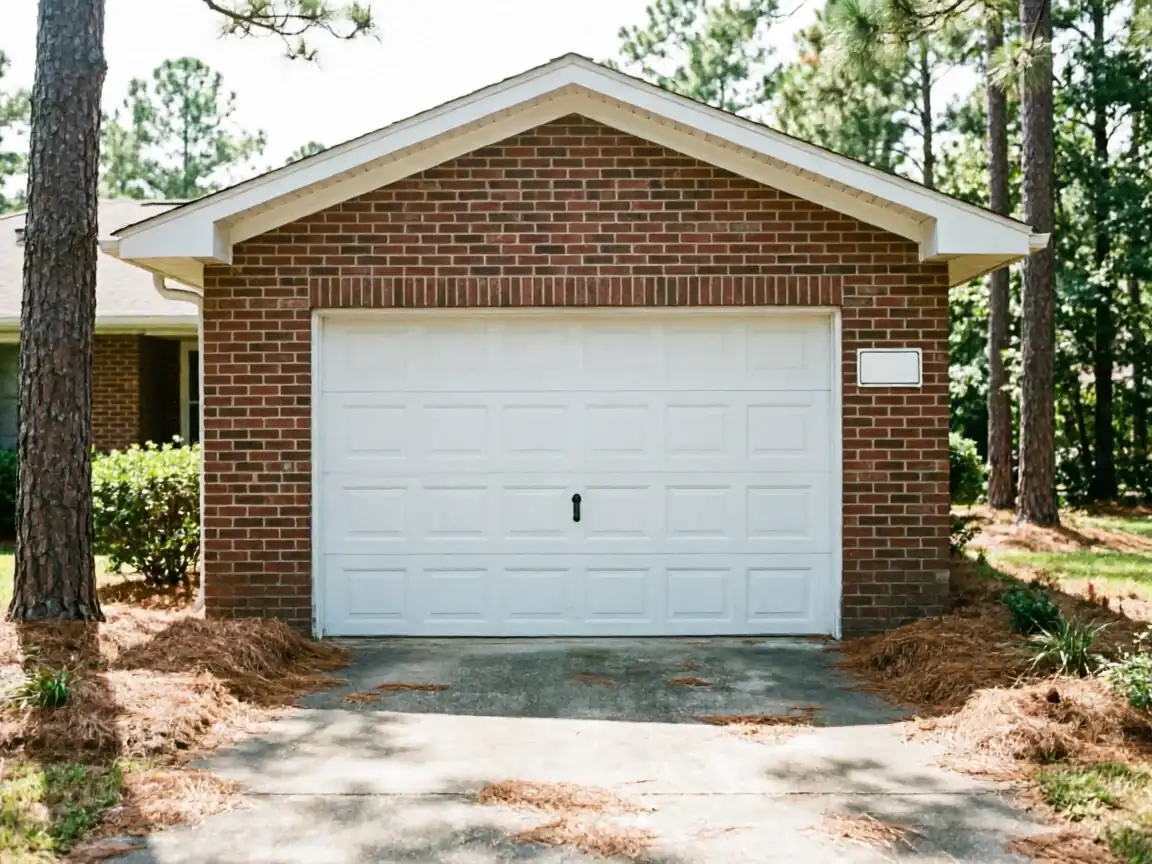
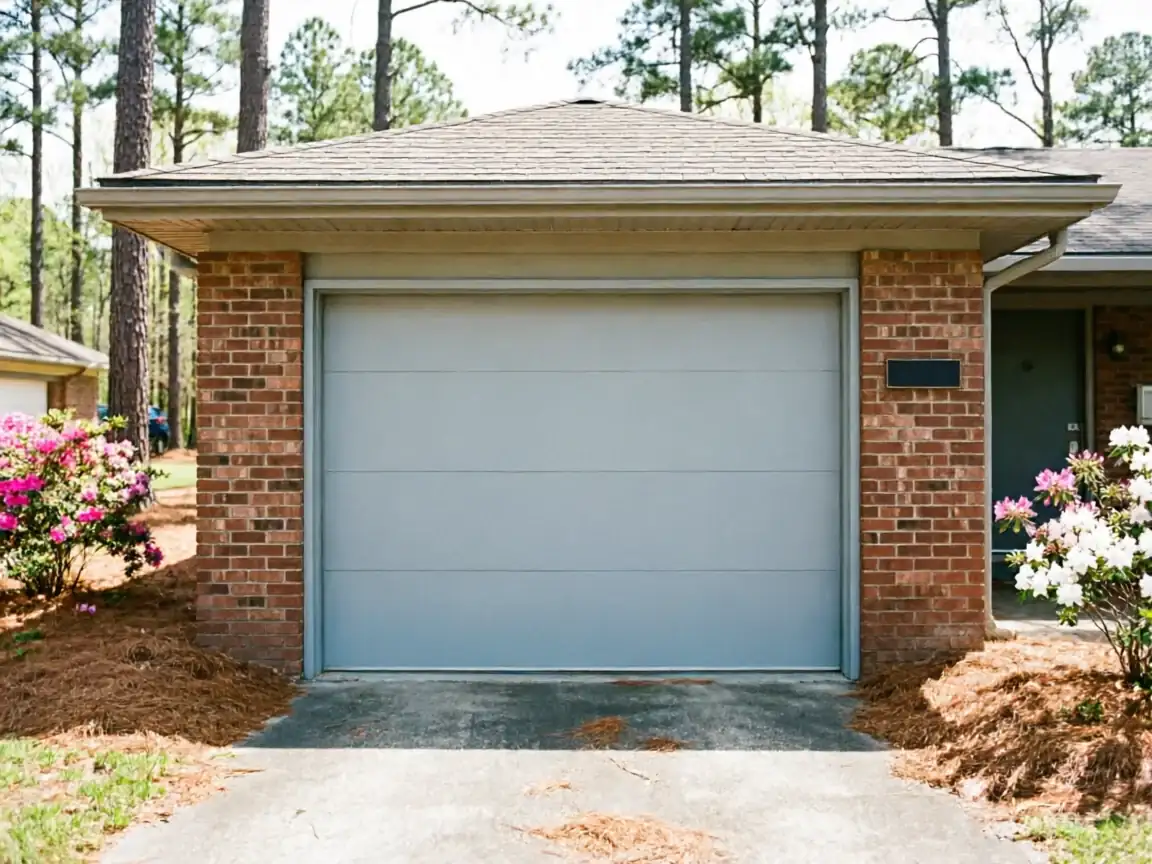
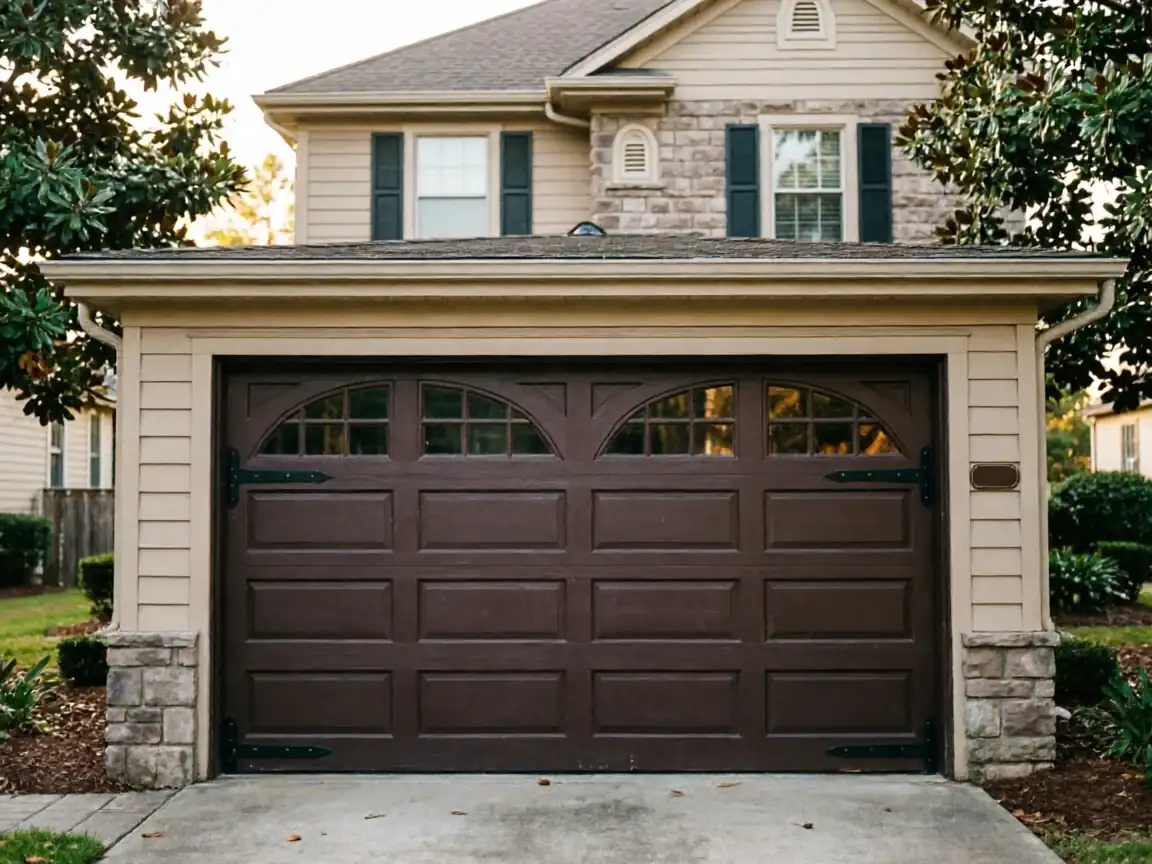
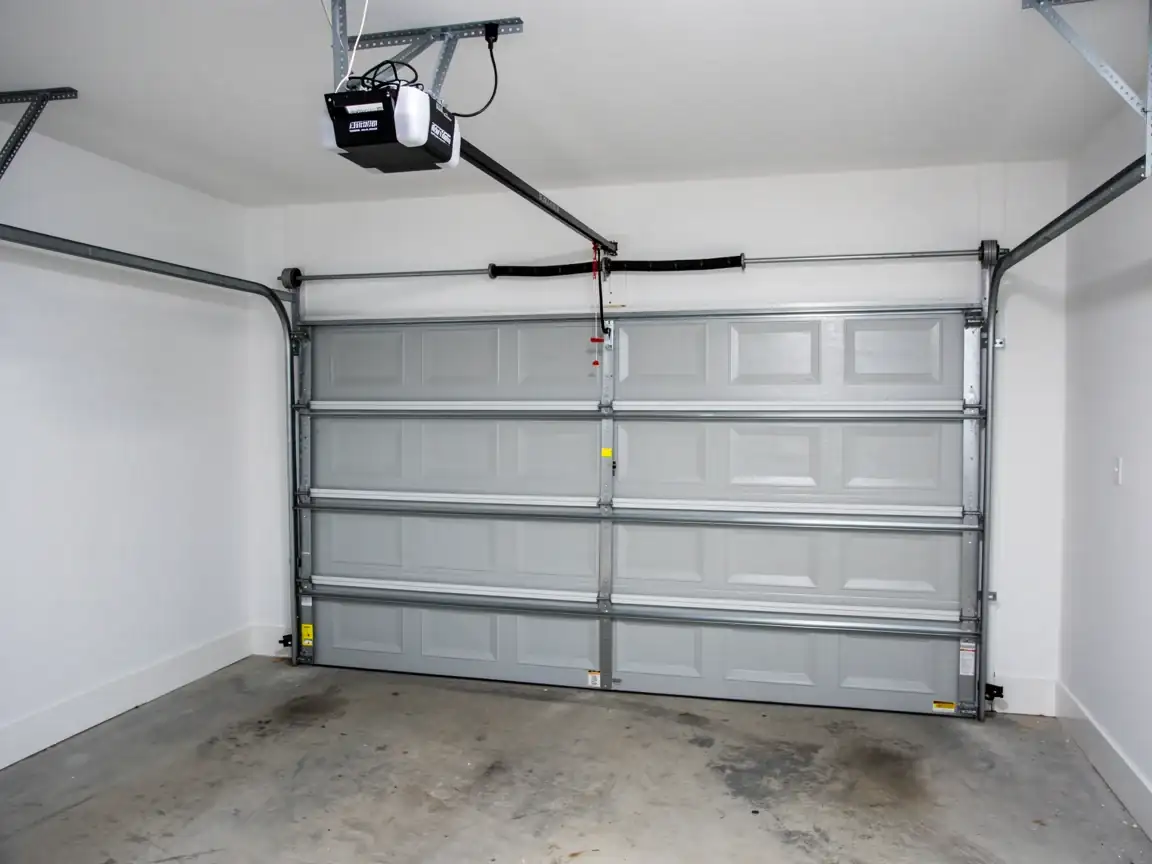
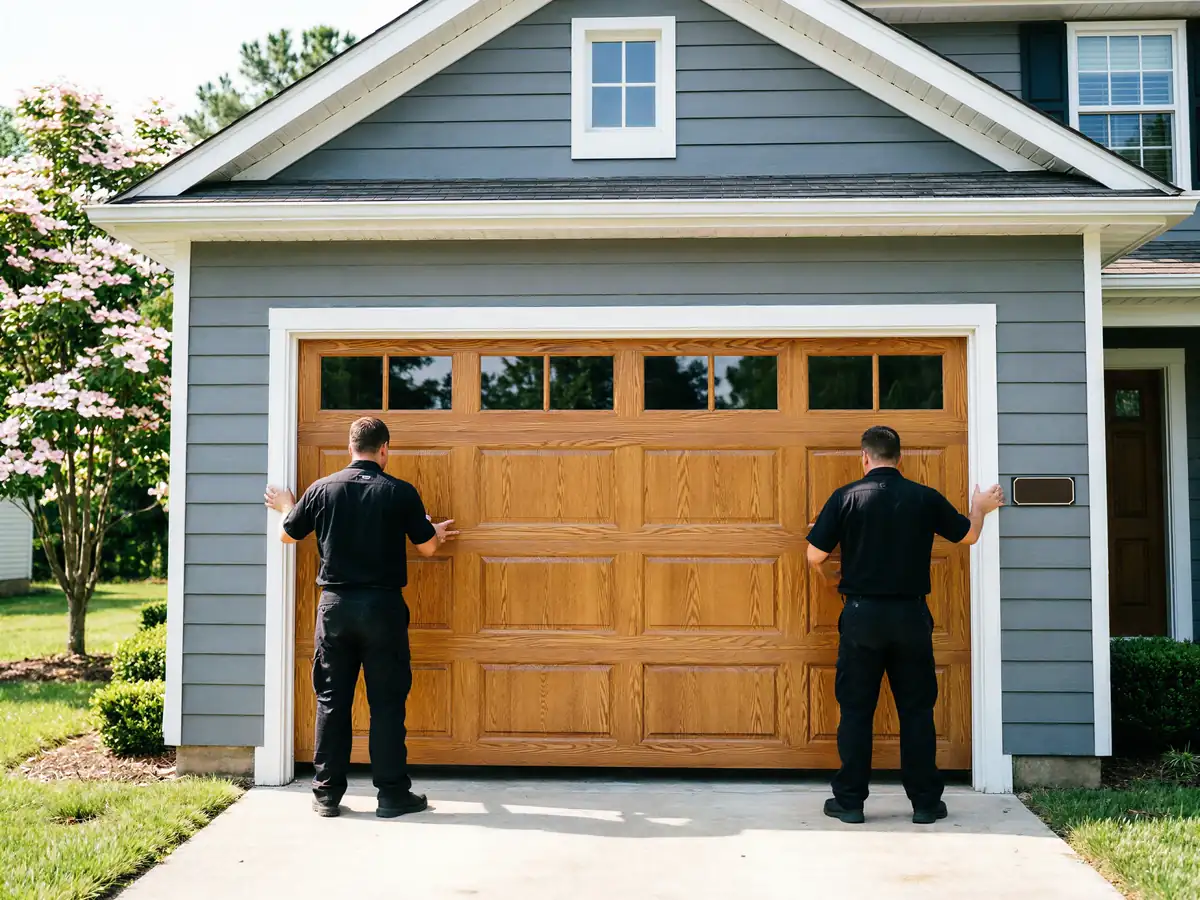
At a median household income of $144,799, a lot of Germantown homeowners ask us to fix a door before they ask what it costs, and that changes the math we walk them through. Most houses here went up around 1983, inside the broader 1972-2004 build window for the service area, so the springs, openers, and track sets we pull off Germantown doors are a step newer than what we see on older Memphis stock. That means fewer of the original one-piece doors and steel jambs you find in pre-1970 neighborhoods, and more of the sectional steel doors with extension or torsion springs that came standard through the 80s and 90s.
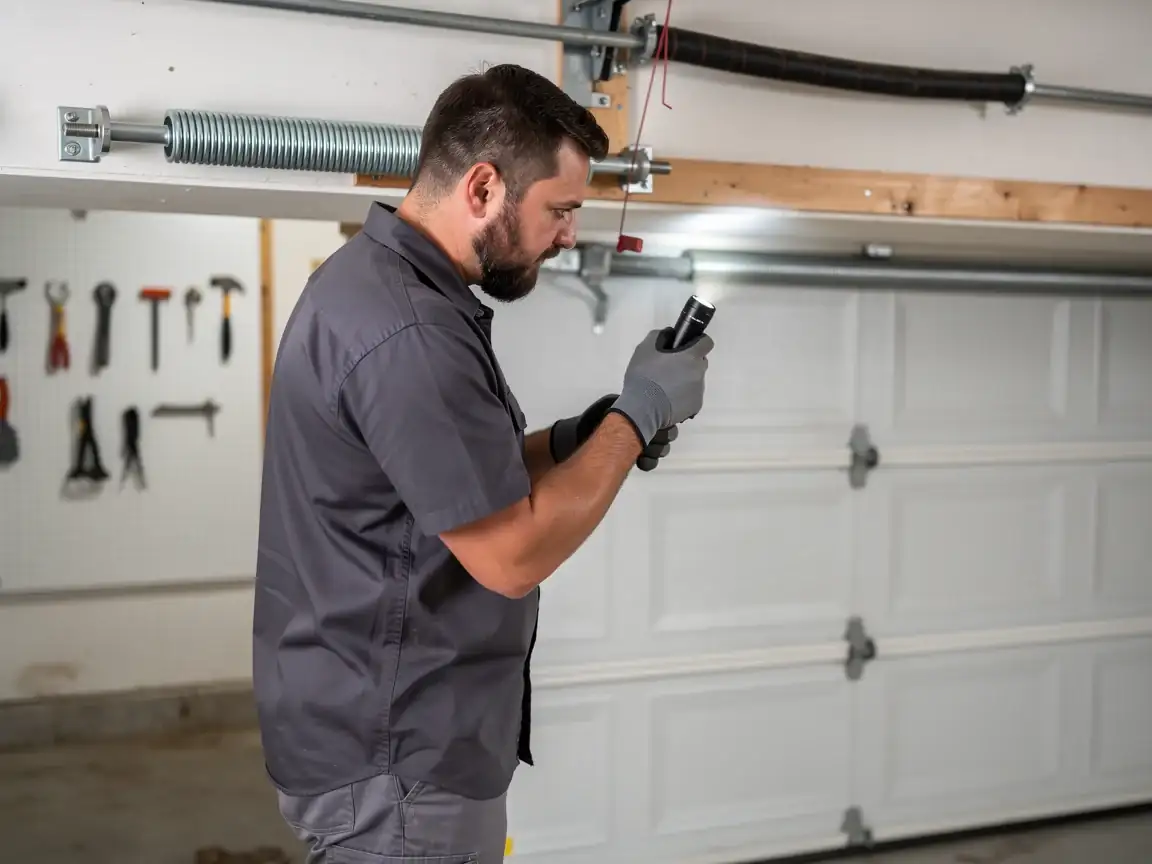
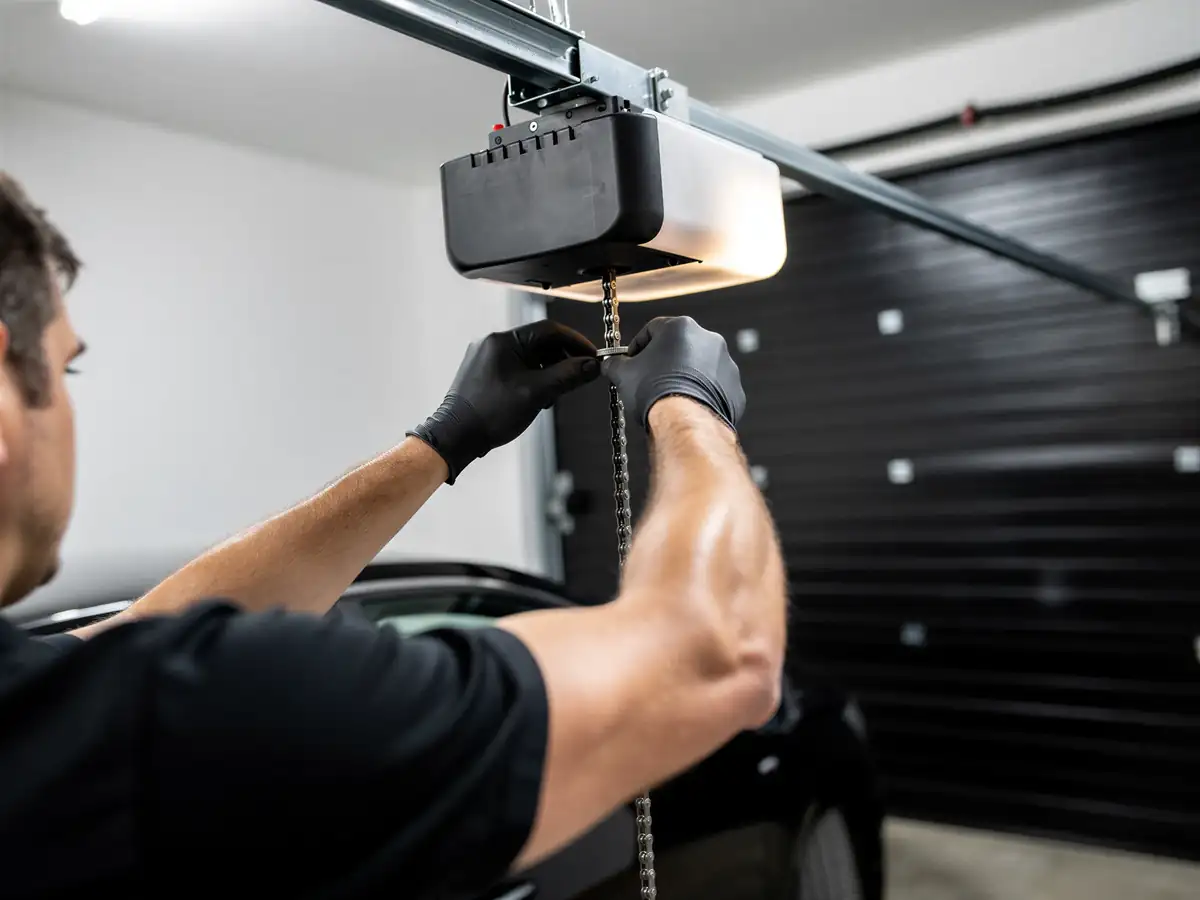
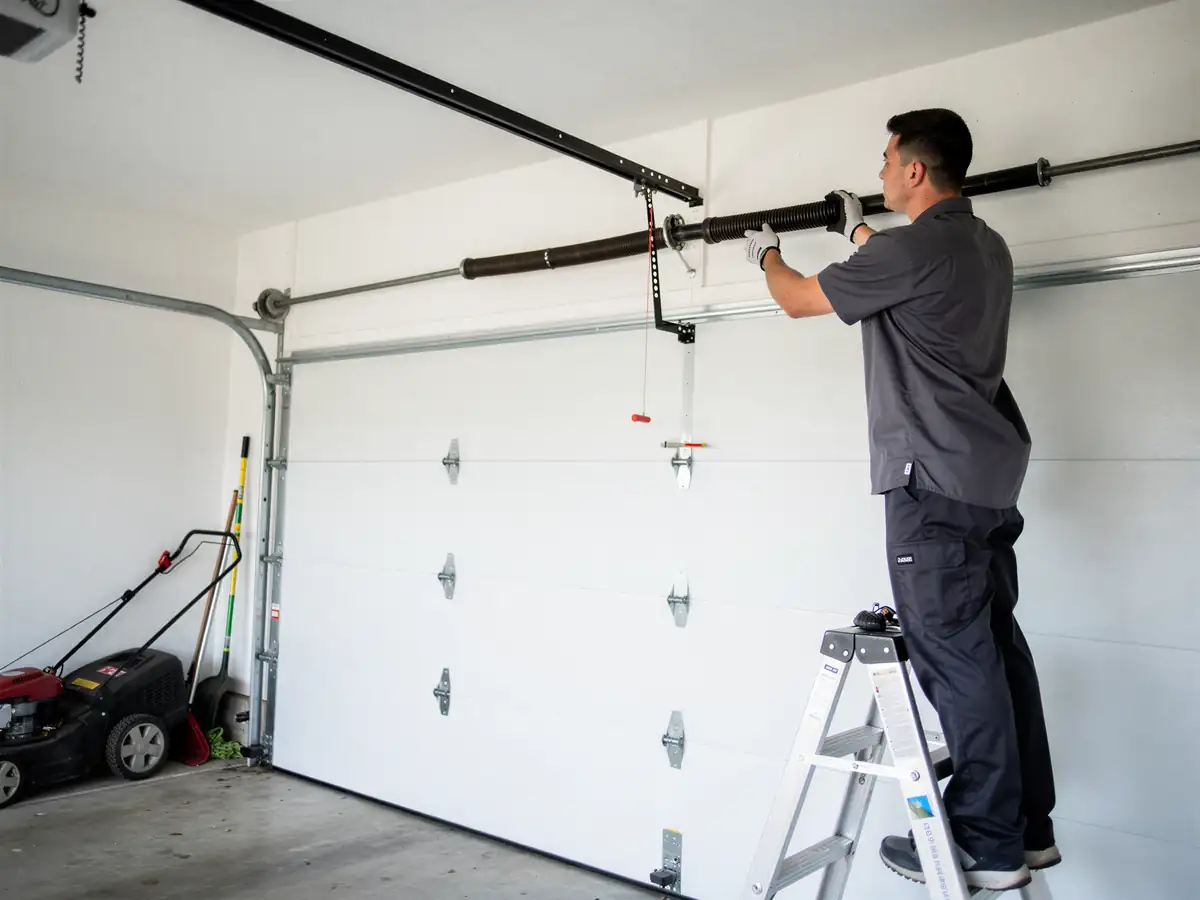
The common failure on a 1983-built door is age catching up with the spring, not the door itself. Thirty-plus years of cycles on the original torsion spring is past the end of its service life even on a well-kept house, and the cable or roller set usually isn't far behind. We also see openers from the same era still limping along - chain-drive units that have outlived two or three motors' worth of gearing. Cold-weather stiffening plays a role too: grease thickens, metal contracts, and a spring that was already near its limit snaps on the first hard cold morning of the season.
What Is on the Truck
For a service area where the housing stock centers on 1983 construction, the parts that move fastest are torsion springs sized for sectional steel doors, standard-lift cable sets, and ball-bearing rollers to replace the nylon ones that were standard when these houses were built. We carry openers that bolt onto the same bracket pattern used through the 80s and 90s, so most swaps don't need us to modify the header.
What we don't carry on the truck: anything specific to doors much older or much newer than this build era, and any custom panel sizing for additions or converted garages. If your door was modified from the original footprint, or you're dealing with a width outside standard residential sizing, that's a call-ahead item so we bring the right stock instead of making a second trip. We travel from Memphis for every Germantown call, so we try to get the parts right the first time rather than guess.
What Can Go Wrong
A broken torsion spring on a double door is the single most common call we get from this part of the service area
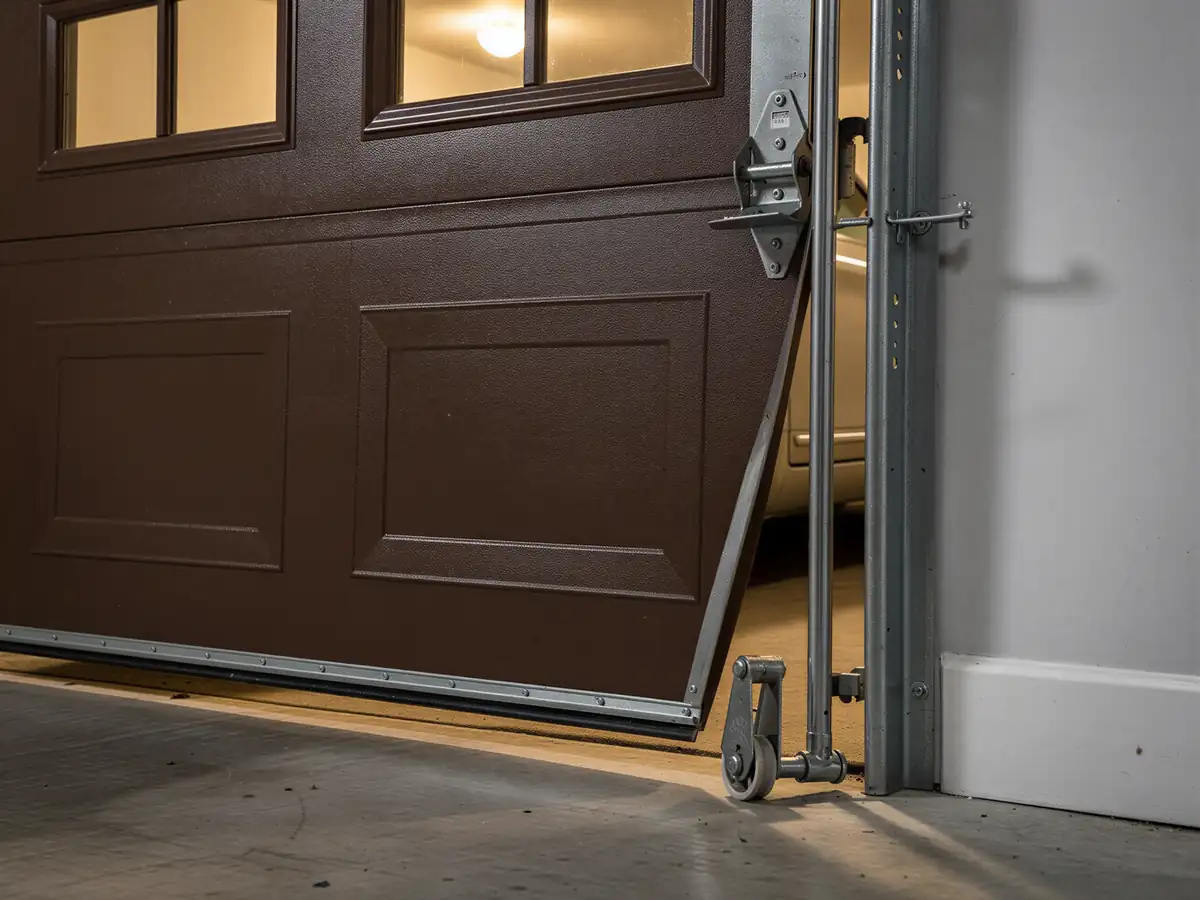
And on a 1983-era door it usually means the spring and the center bearing fail close together, since both were installed the same year and have logged the same number of cycles. Cables fray at the same rate the spring ages, so a spring replacement alone sometimes leaves a homeowner with a cable failure a few months later - we flag that during the job rather than let it surprise someone.
Openers from this build era are a mixed bag
Some have been replaced once already and are fine. Others are original, and when the gear set finally strips, the cost of parts for a unit that old can run close to what a new opener costs installed. That's the honest limitation: we don't source parts for every discontinued opener model, and at some point a repair on a thirty-plus-year-old unit isn't worth doing. We'll tell you when that line is where you're at instead of billing hours chasing it.
How Long It Takes
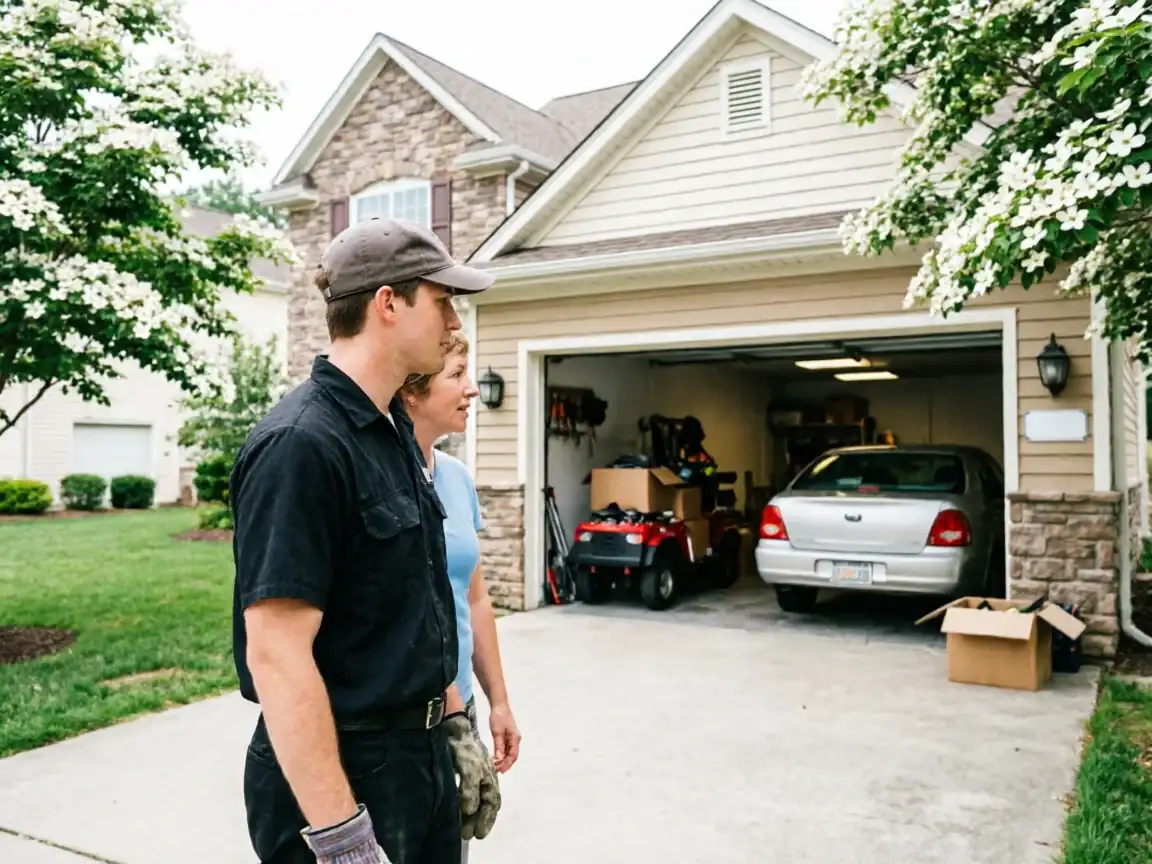
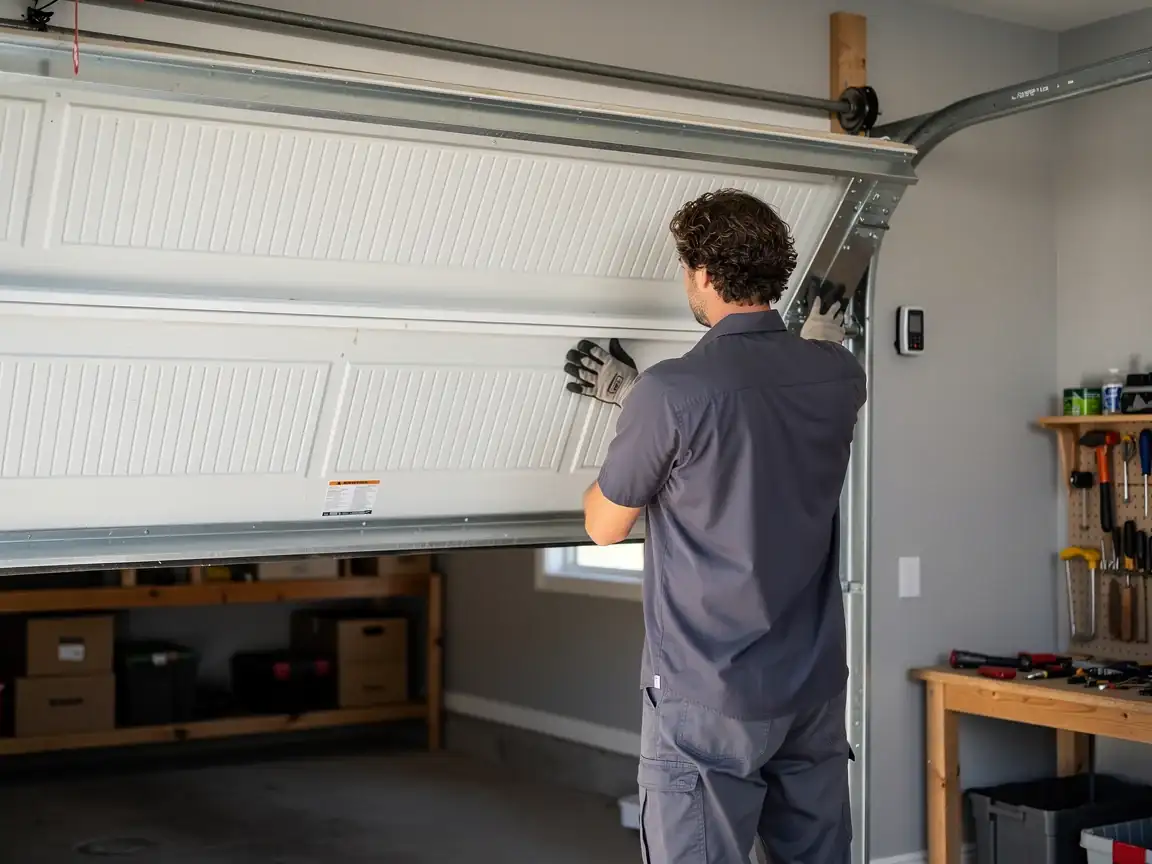
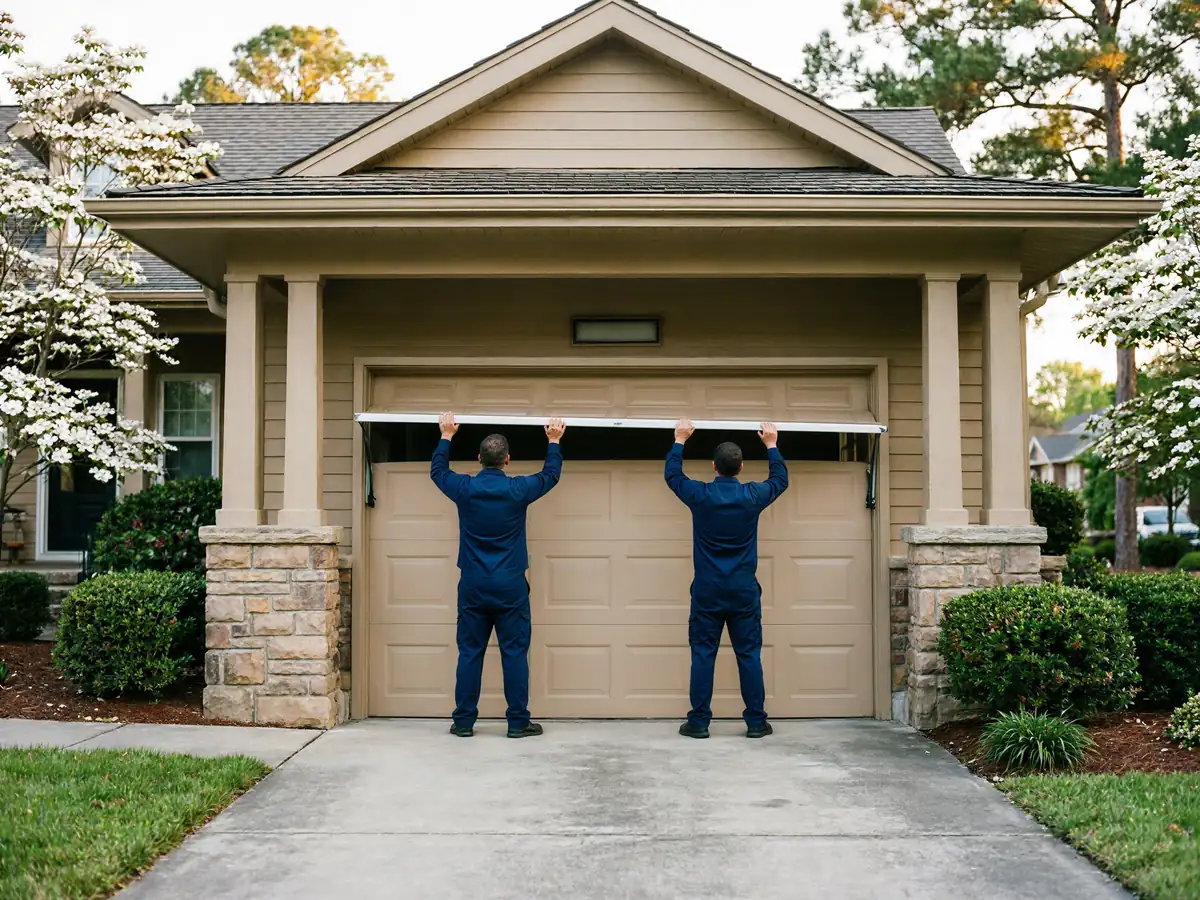
We run this call from Memphis, 11 miles out, so the drive is part of the job, not an add-on. Once we're on site, a torsion spring swap or roller replacement on a standard sectional door is usually a same-visit job - we carry the stock sized for the 1980s-era doors common here. Opener swaps take longer if the old unit's wiring or bracket doesn't match current hardware, which happens more often the older the house.
We don't promise a fixed arrival window for Germantown specifically, since every call on a given day competes with the rest of the route. What we can tell you up front is whether a job is parts-on-hand or a call-ahead item, so you're not guessing whether today is the day it gets fixed.