What Causes It Around Here
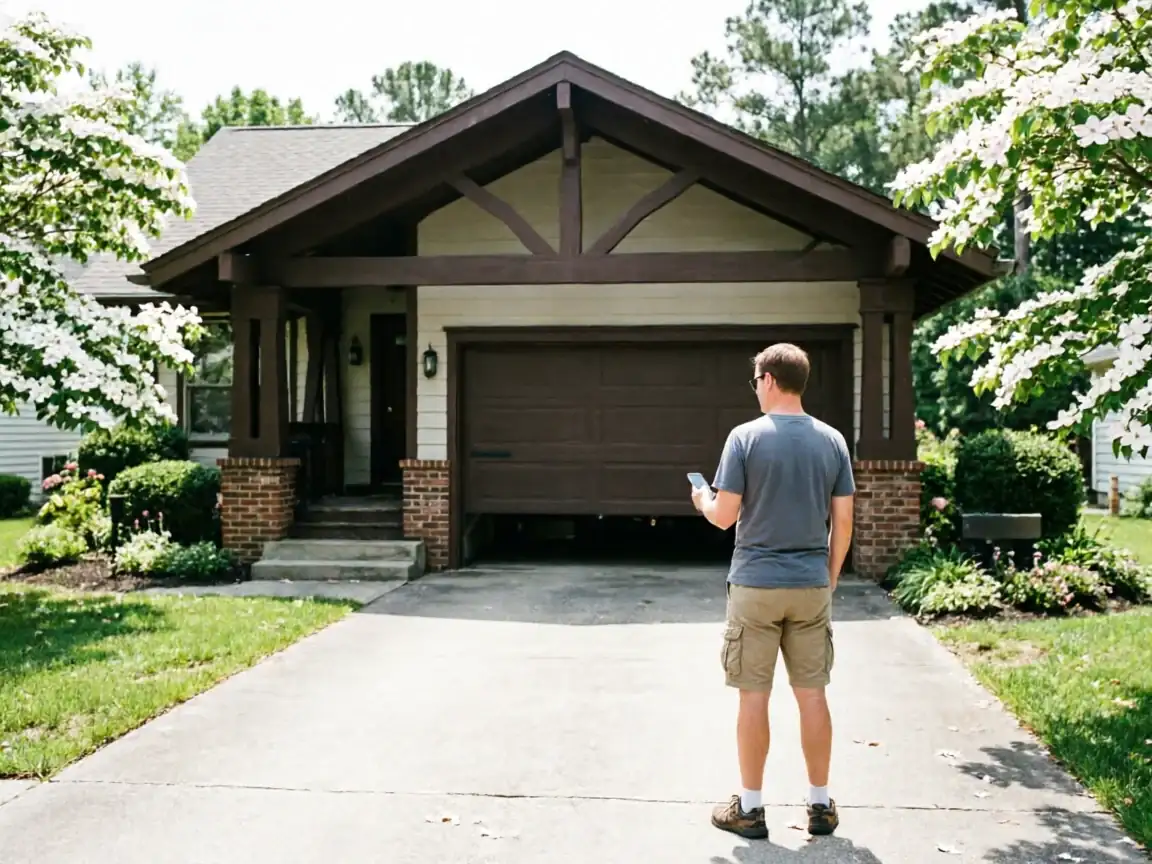
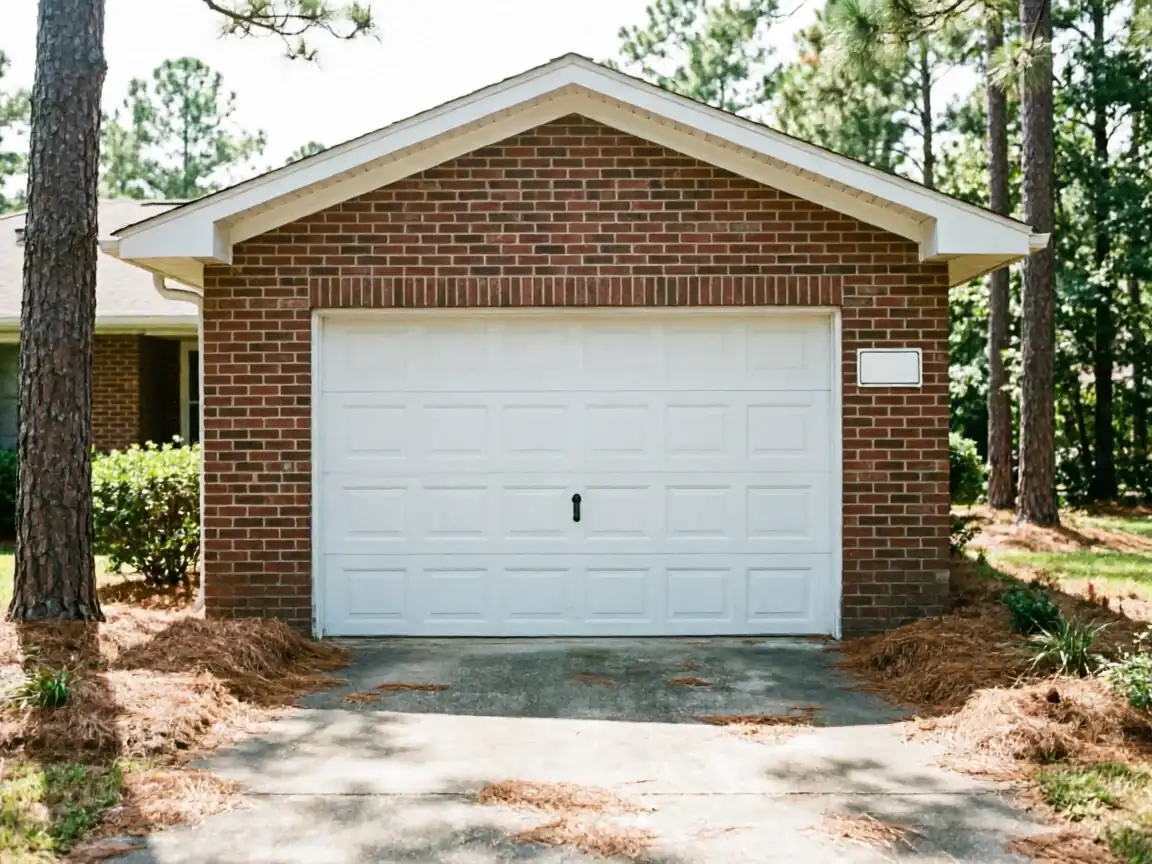
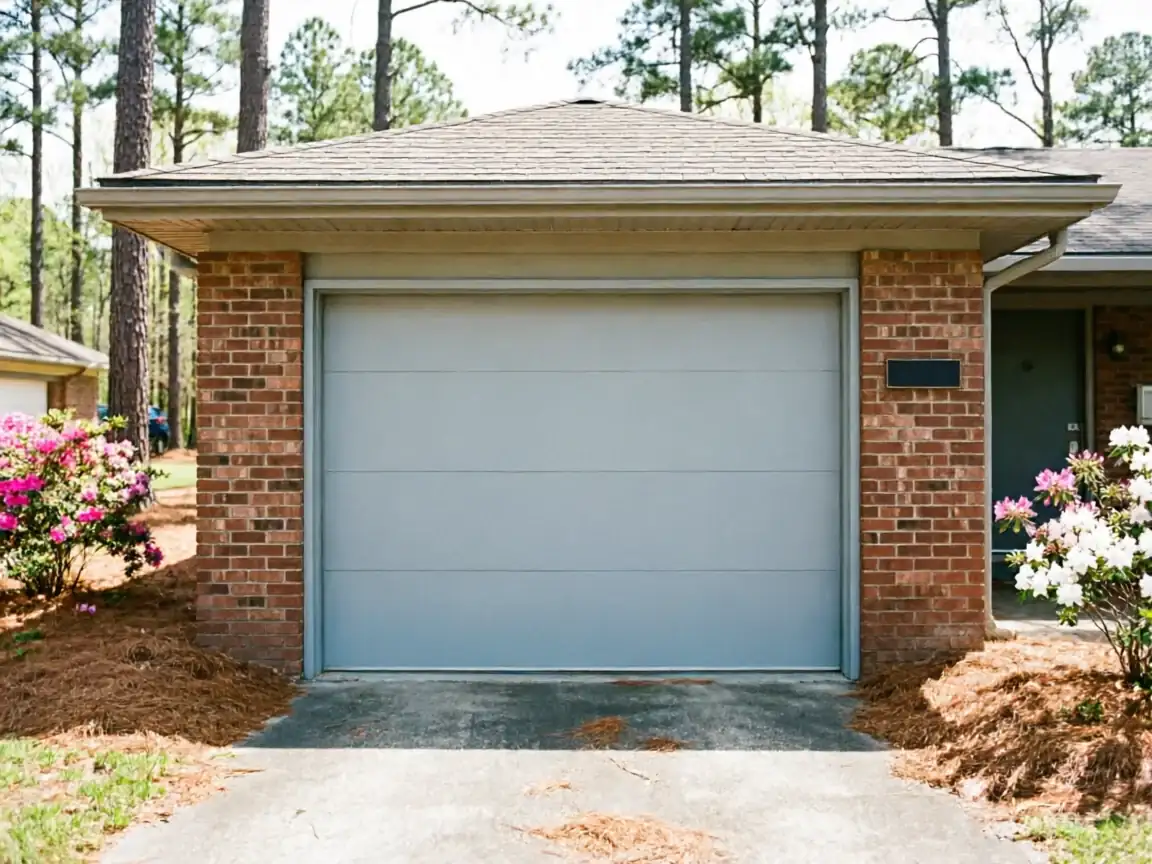
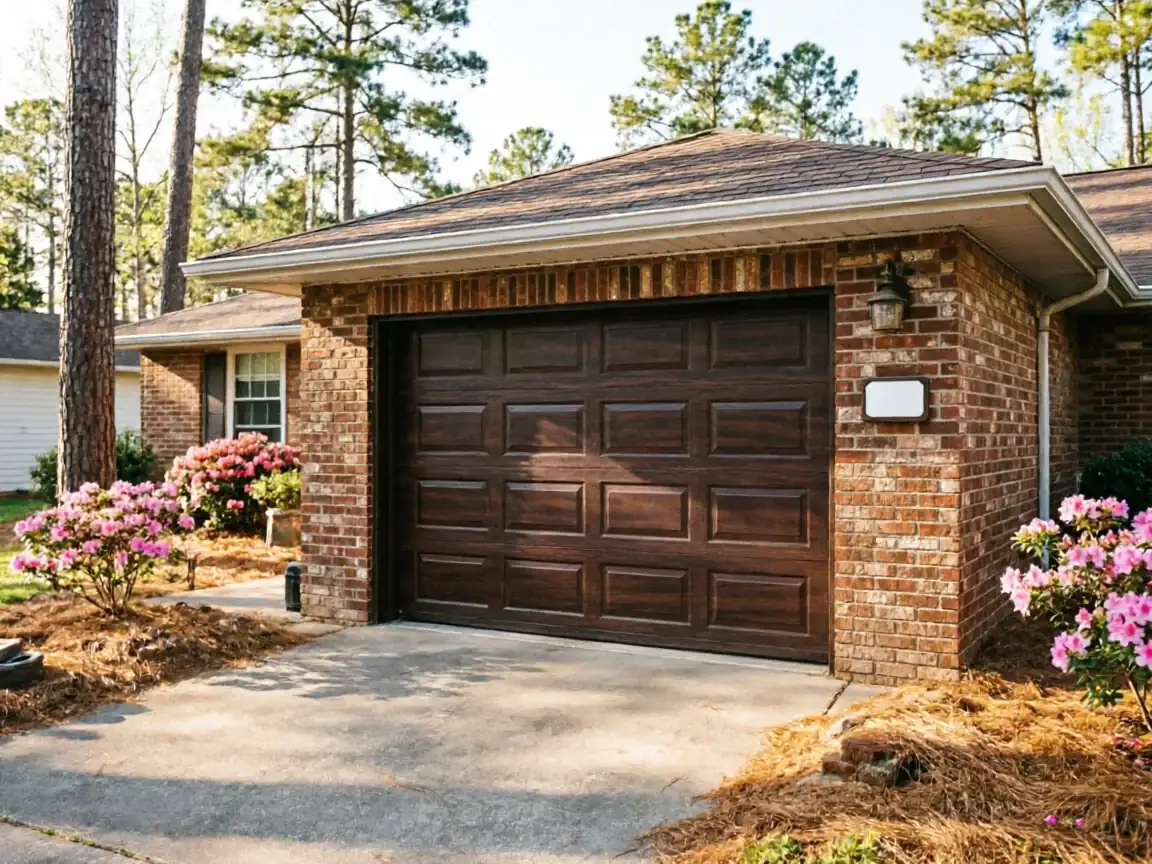
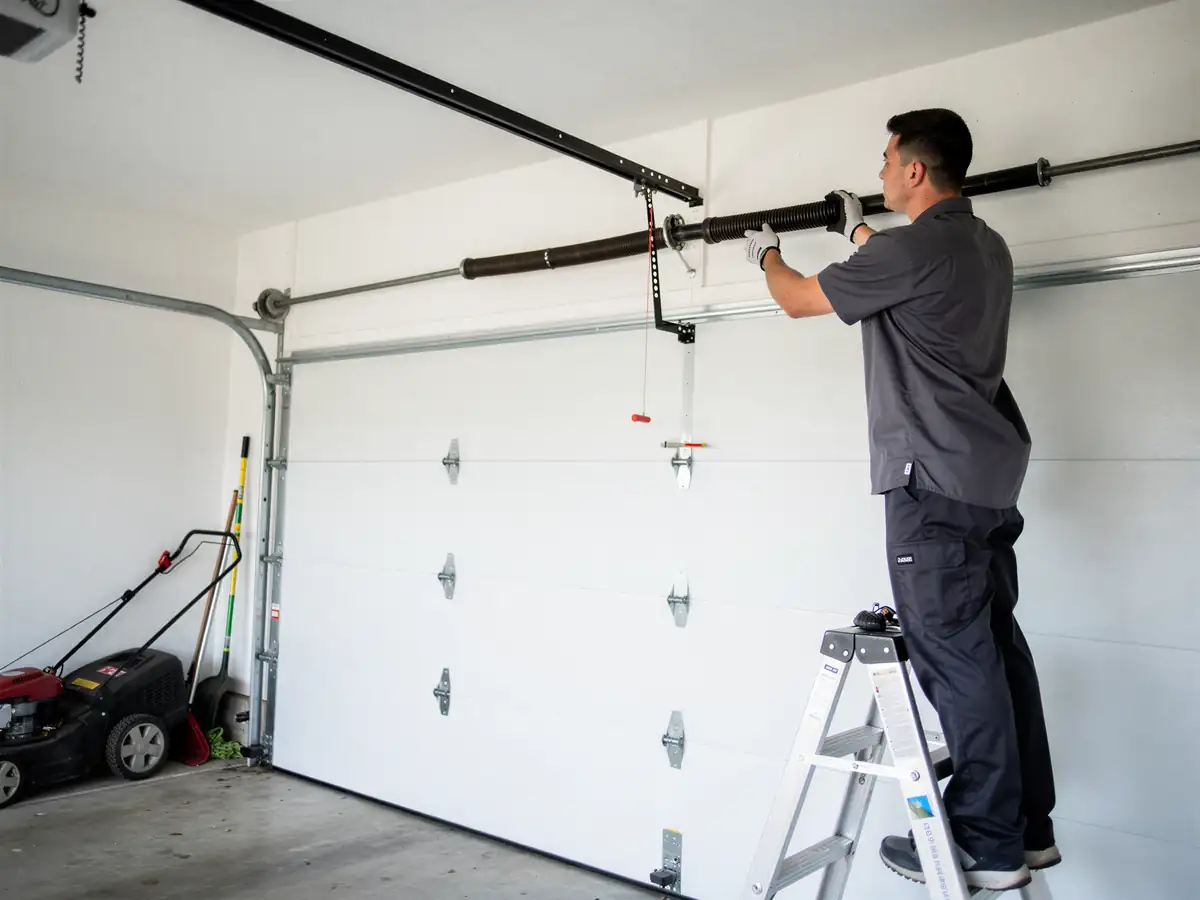
Germantown has about 15,551 households, which is a smaller pool than the denser parts of the Memphis service area but a steady one - enough that spring failures here follow a pattern instead of being random. Most of the houses went up around 1983, squarely inside the broader 1972-2004 build-out that shaped this whole side of the metro. That means a lot of original torsion springs are now past the 10,000-cycle mark most residential springs are rated for, whether or not the owner has ever had a problem before.
The cold-moderate swings typical of this area don't help. Spring steel that's already worked for four decades gets more brittle with each freeze-thaw stretch, and a spring that's been fine for years can let go on the first hard cold snap of the season.
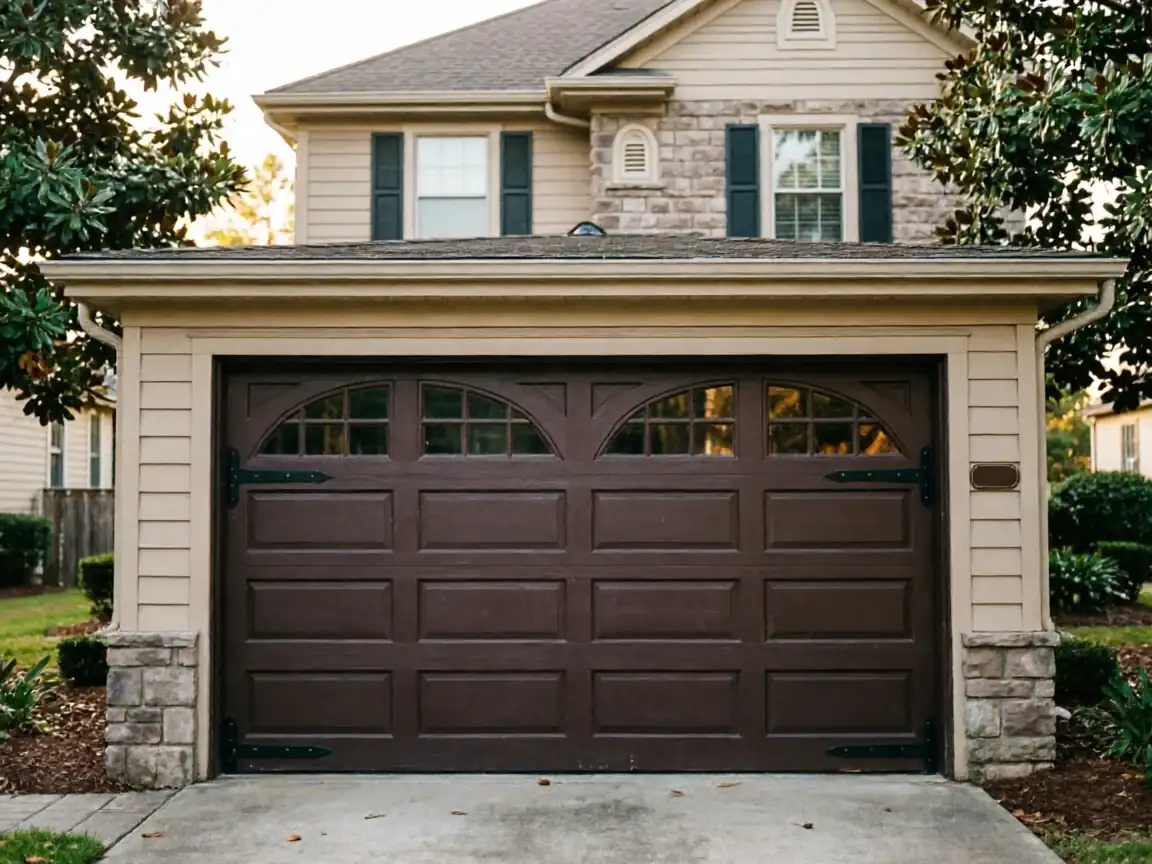
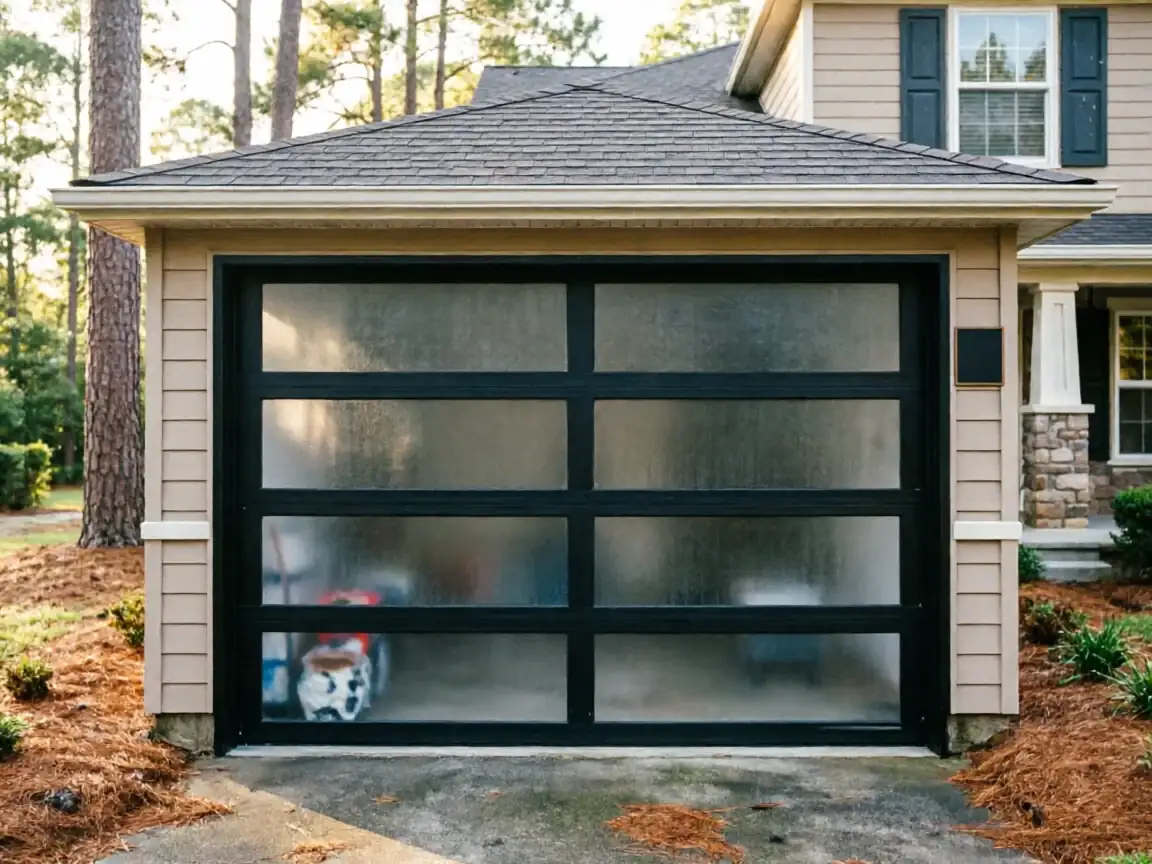
Income here runs well above the broader service area median - $144,799 versus $119,876 across the area as a whole - and that shows up in the doors themselves. Heavier insulated doors and double-car panels are common, and those need springs sized for more weight than the standard builder-grade door from the same era. A spring swapped in without matching that weight will underperform or fail early.
What Is on the Truck
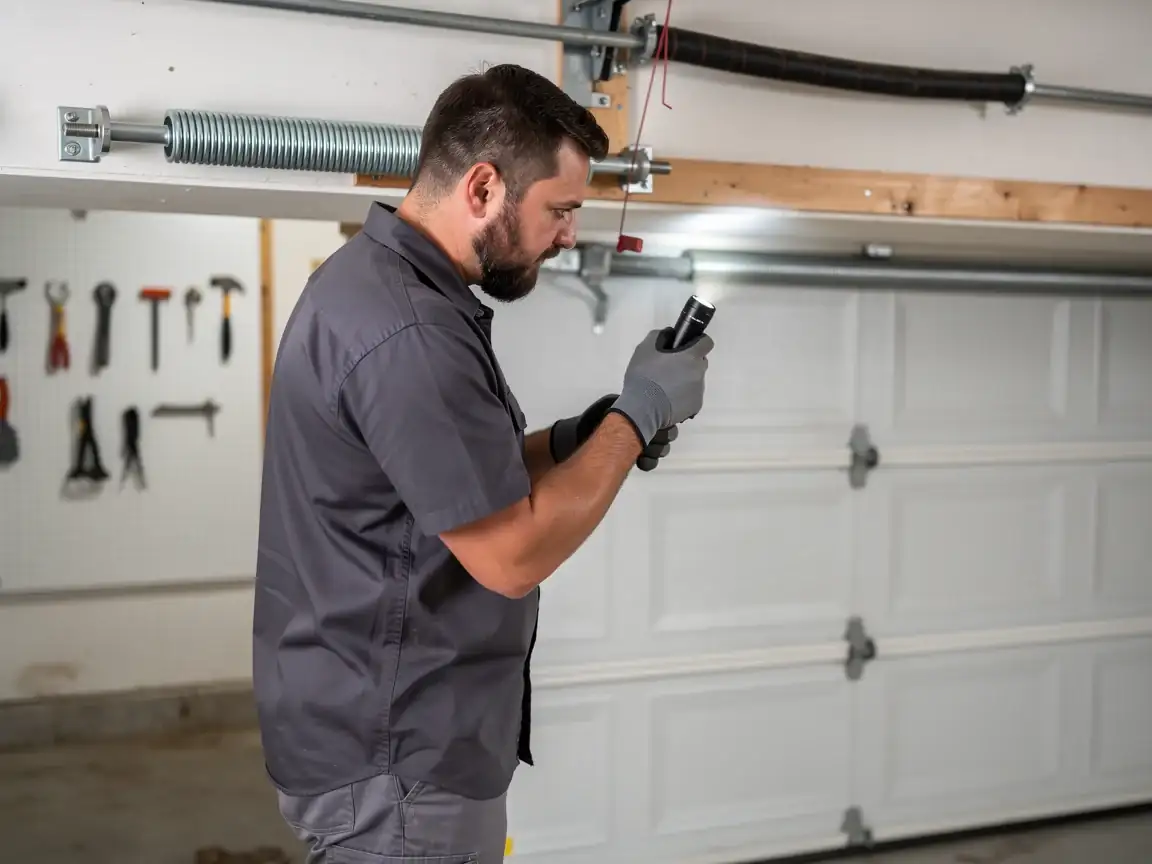
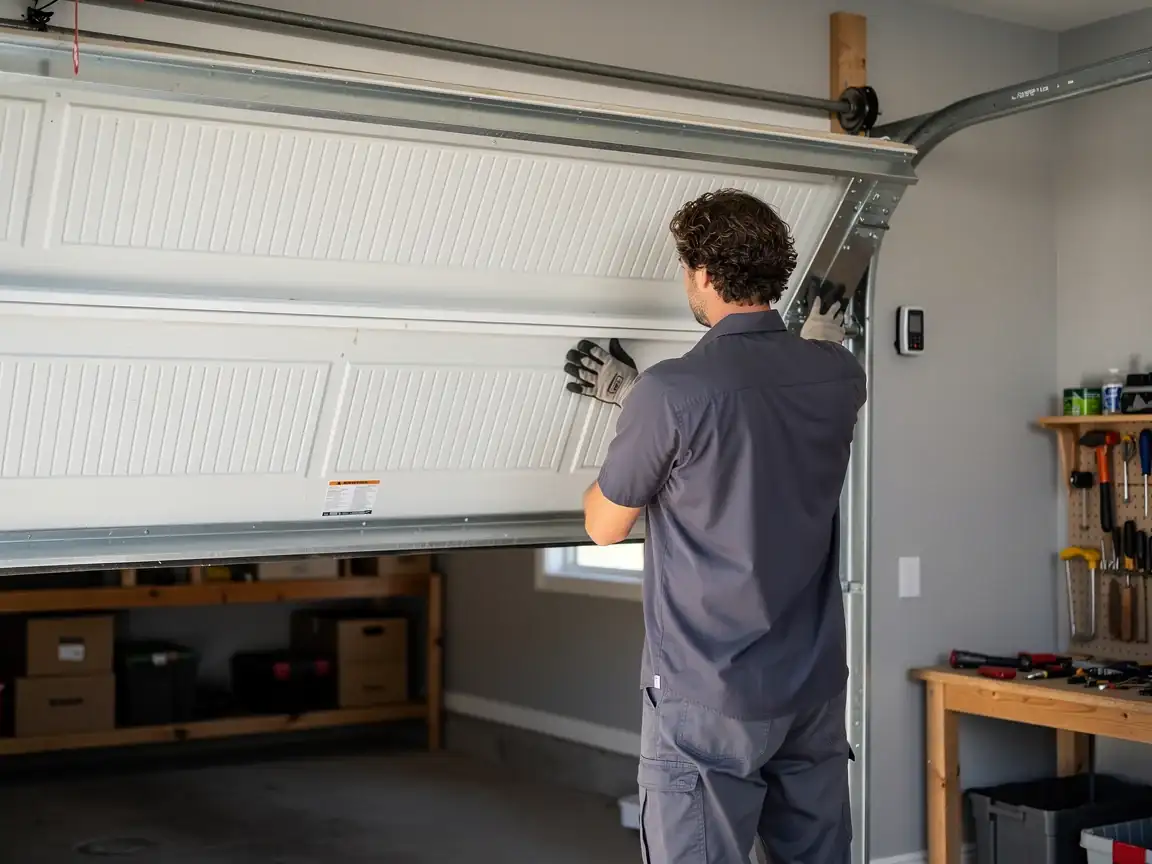
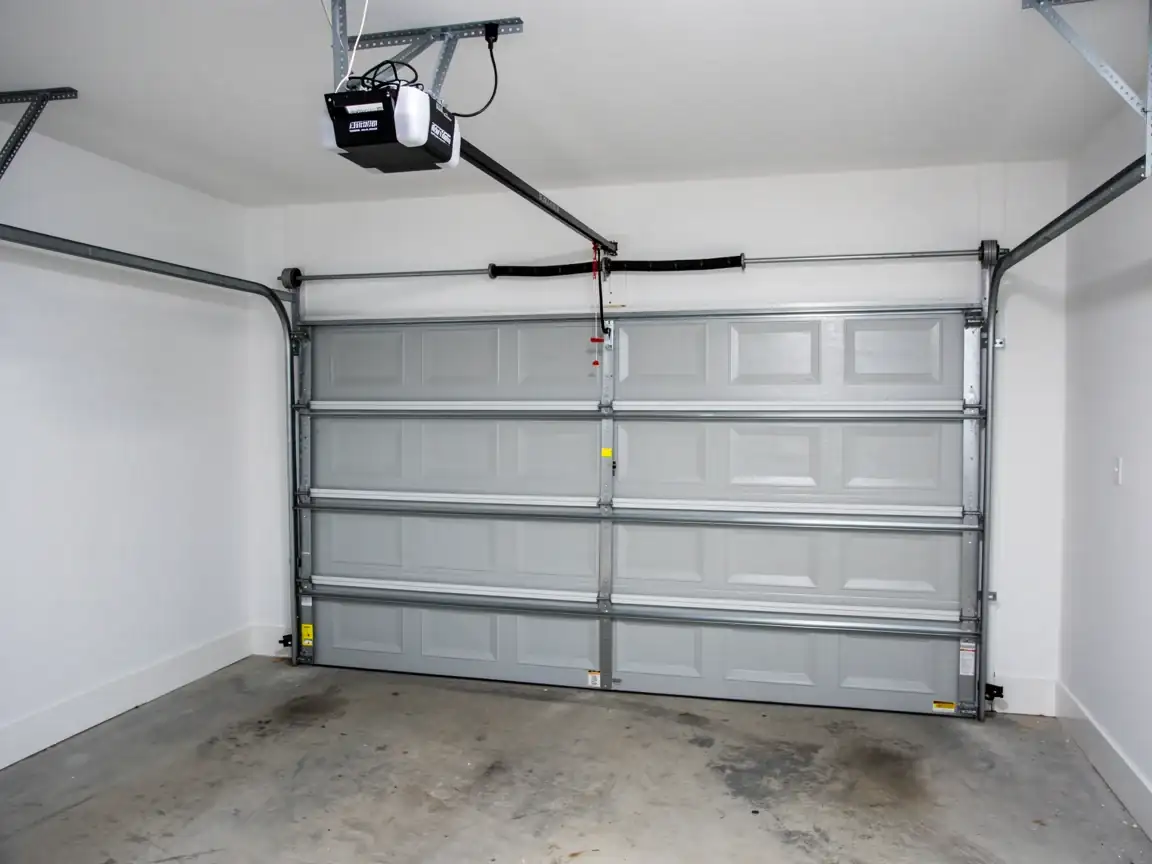
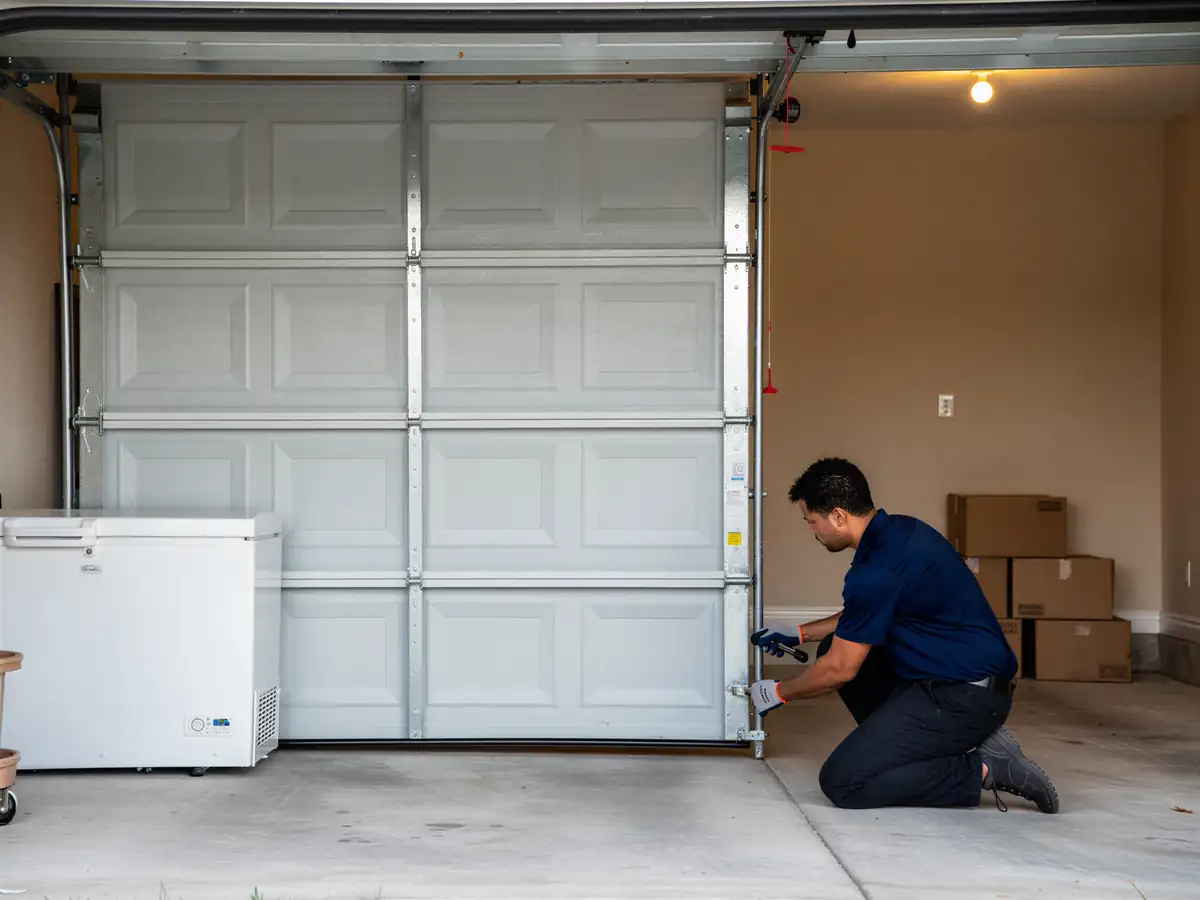
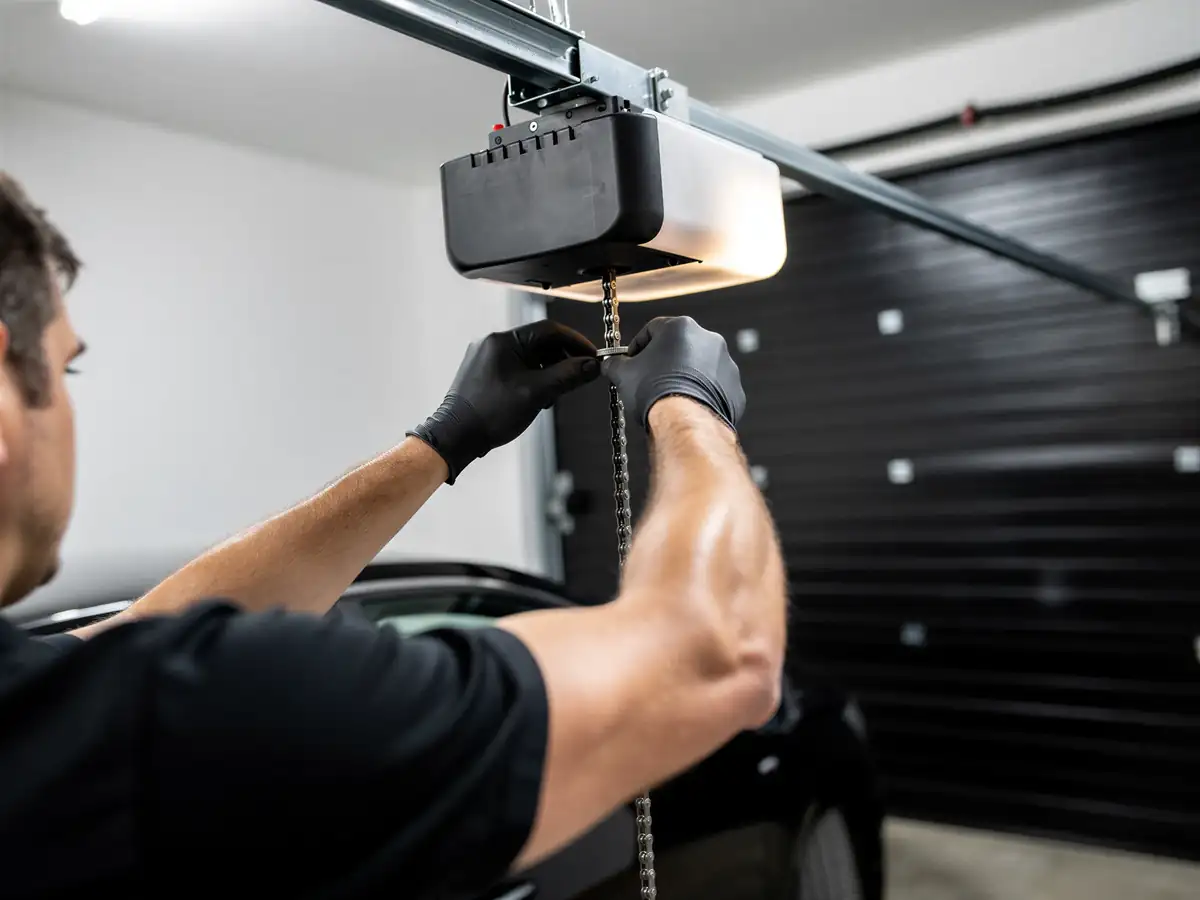
We carry standard torsion springs in the sizes that match 1980s and early-90s residential openers, plus the end bearing plates and cable drums that tend to go along with a spring failure on a door this age. For a lot of Germantown jobs that's a straightforward swap: measure the wire gauge and wind, replace both springs on a double door even if only one broke, and check the drums for wear while we're in there.
What we don't carry is custom millwork or discontinued hardware for doors that have been heavily modified or that use proprietary parts from a manufacturer that's since changed their spring design. On an older door with non-standard hardware, we may need to order a part rather than complete the job off the truck that day. That's the honest limitation - not every Germantown door is a same-visit fix, and we'd rather tell you that up front than guess at a part number on-site.
What Can Go Wrong
The spring itself is usually the easy part
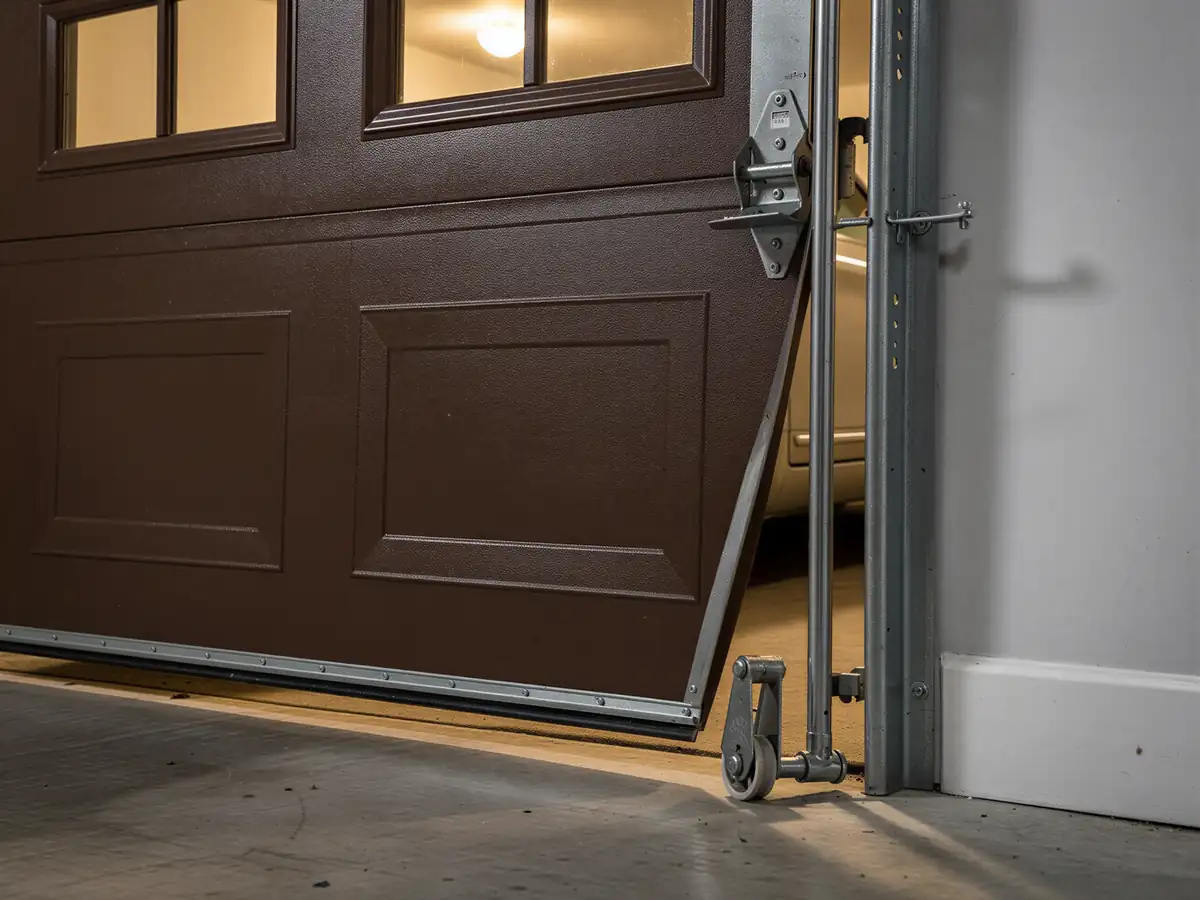
What turns a simple job into a longer one is what the spring was hiding. On a door built around the early 1980s, a snapped spring often means the cable has jumped the drum, or the door has been running on a stretched or rusted cable for a while without anyone noticing because the spring was still doing most of the work.
We also see bent torsion shafts on older doors
Especially where a previous repair used a spring that didn't match the door's weight - the extra strain shows up in the shaft and bearings over time, not just the spring. And on the heavier insulated doors common in higher-income areas like this one, an undersized replacement spring will make the opener work harder than it should, which shortens the opener's life even after the spring itself is fixed.
The straightforward cases are still the most common one
Single broken torsion spring, intact hardware, quick swap. We just don't assume that's what we'll find until we're looking at the door.
How Long It Takes
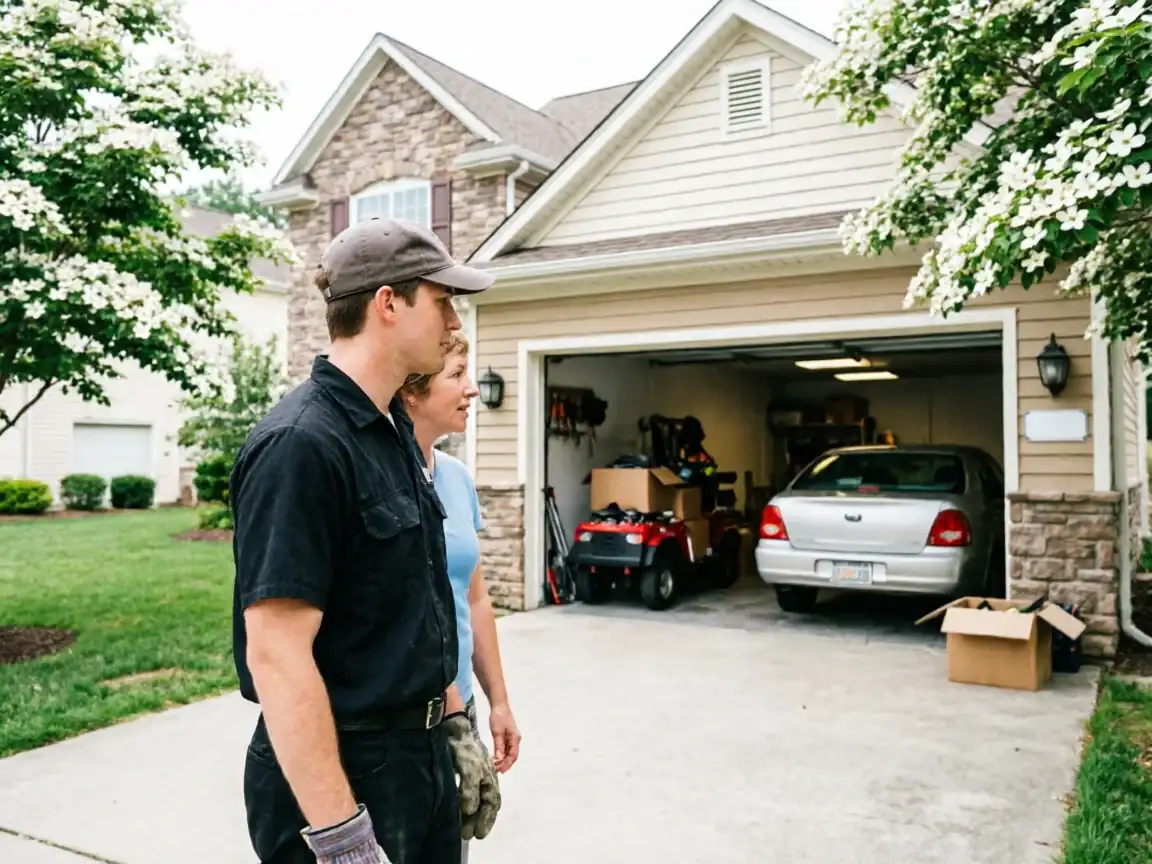
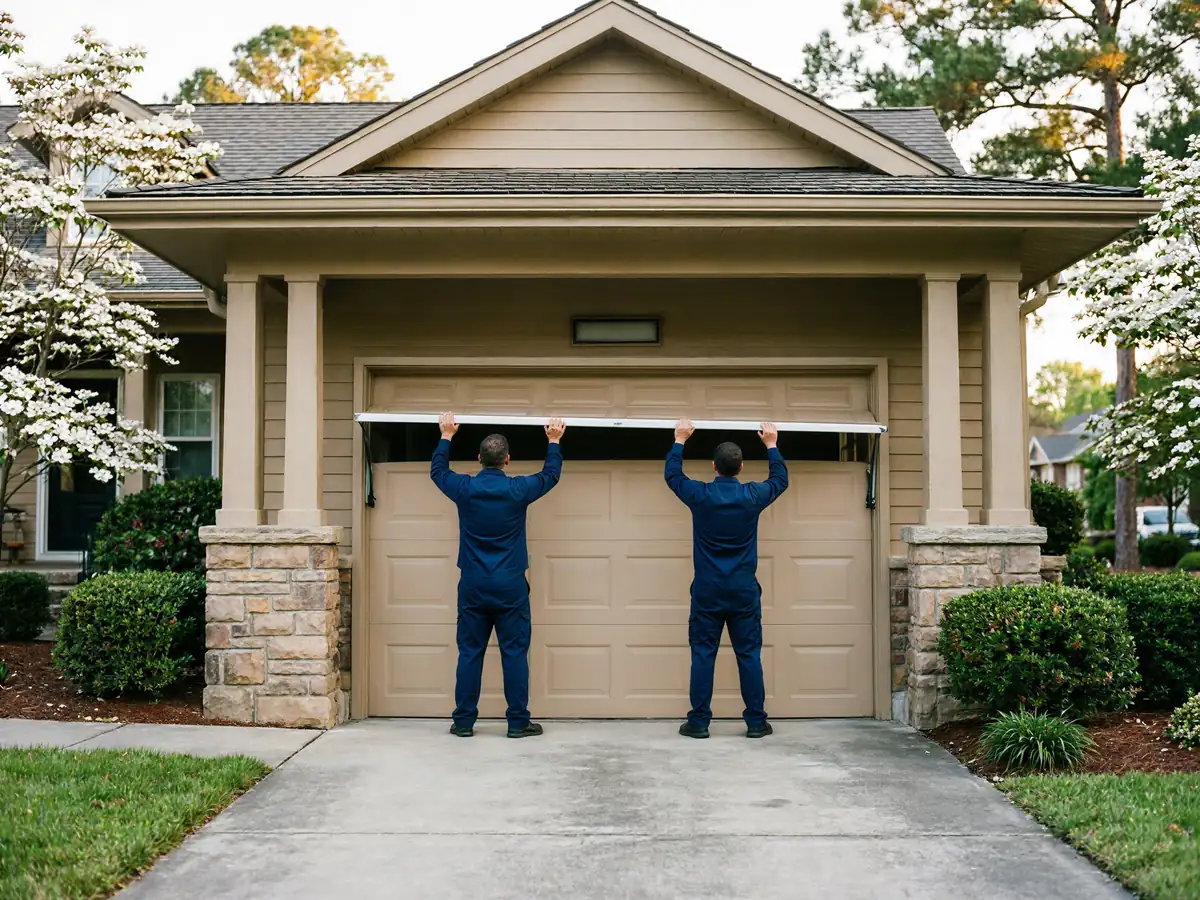
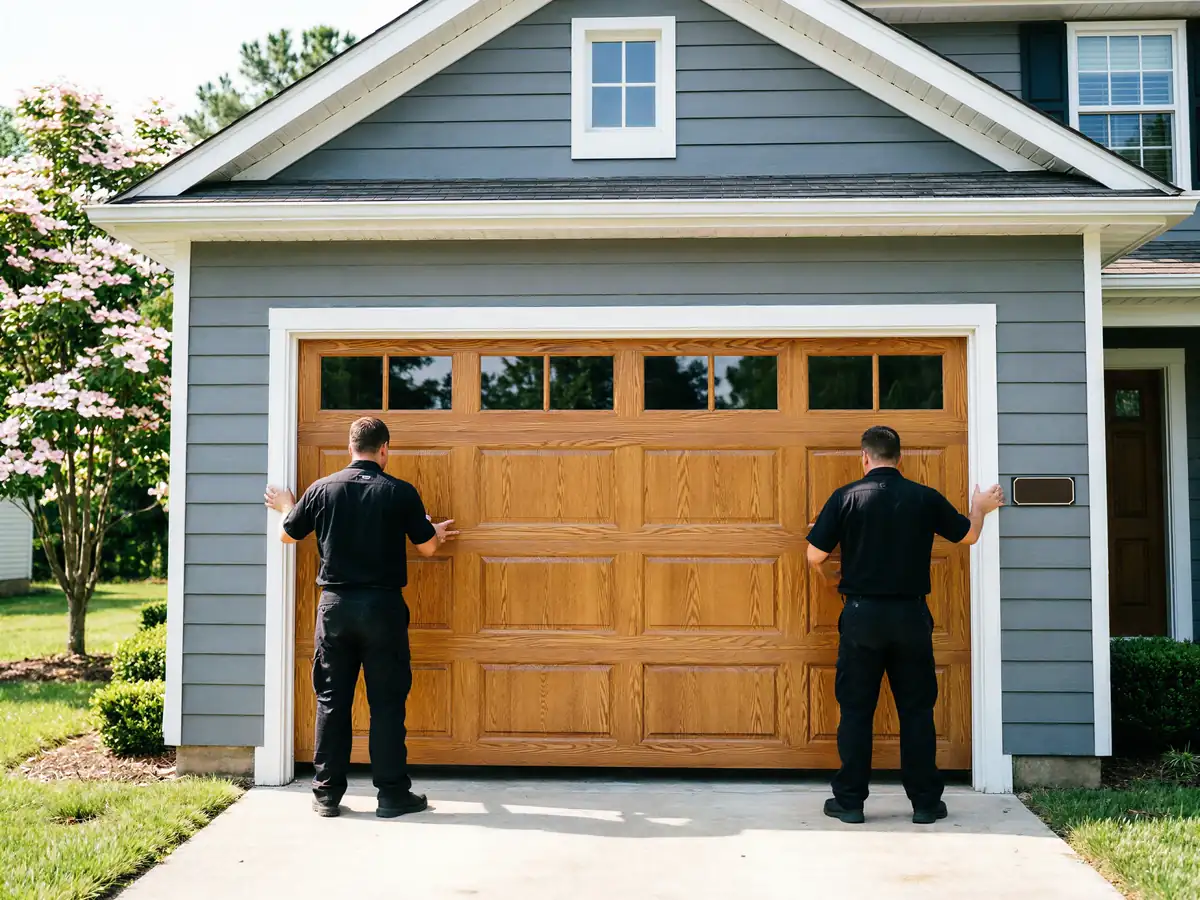
Because we travel from Memphis, about 11 miles to Germantown, we build the drive into how we schedule the day rather than promising a fixed arrival window. Once we're on-site, the job itself depends on what we find. A single-spring replacement on a standard door is quick work. A double-car door needing both springs, new cables, and a drum swap takes longer, and if the shaft or bearings are worn from running on a mismatched spring, that adds time too.
If a part isn't on the truck - which happens more on older or modified doors - we'll tell you that at the door rather than after we've started, so you know whether to expect a follow-up visit. We're not going to quote you a number of minutes before we've seen the door; on a house built in the early 1980s, what looks like a spring job sometimes turns out to be a cable or bearing job once the panel's open.