What It Costs
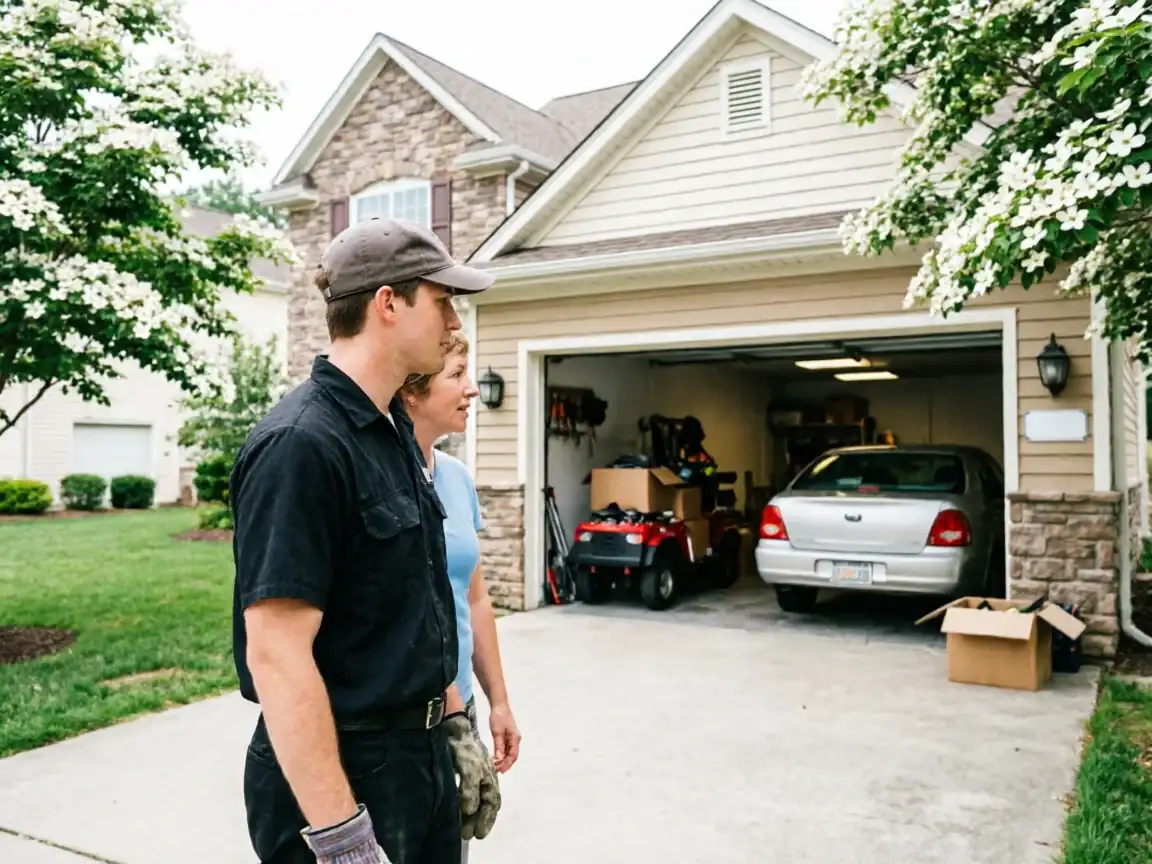
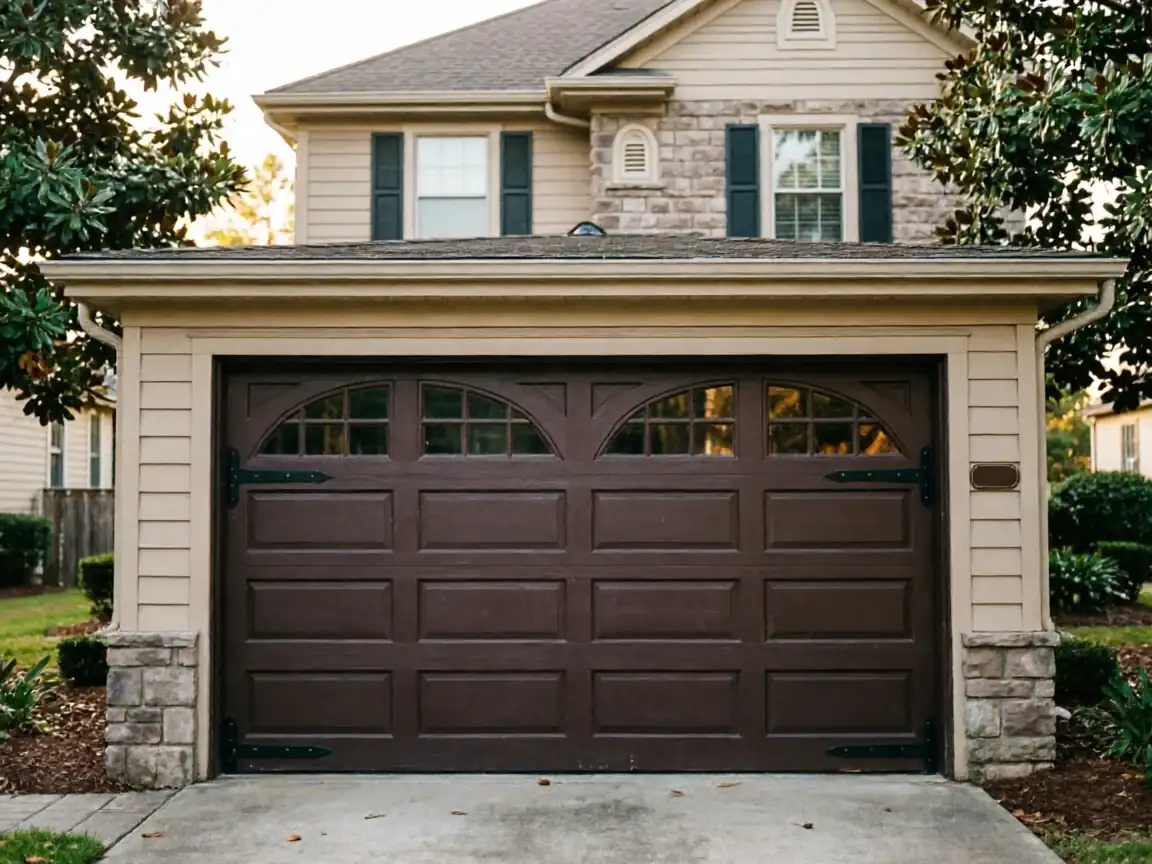
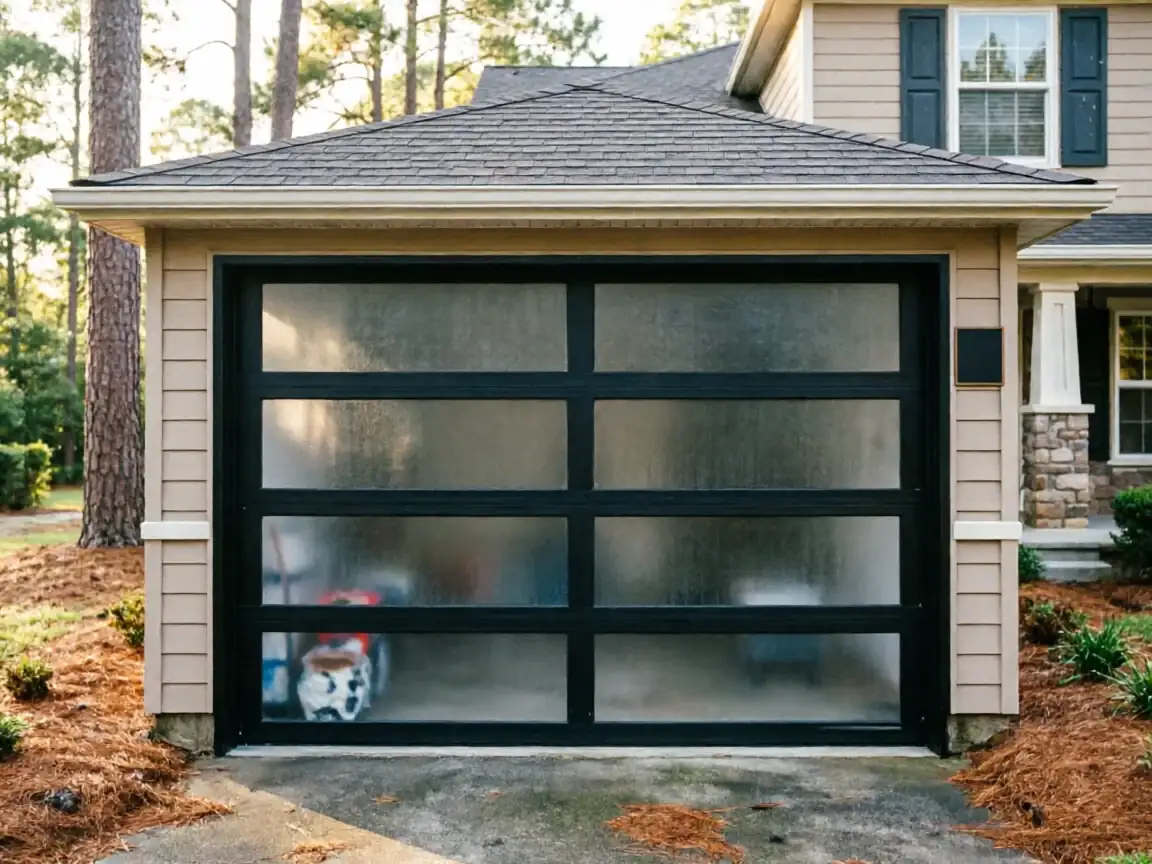
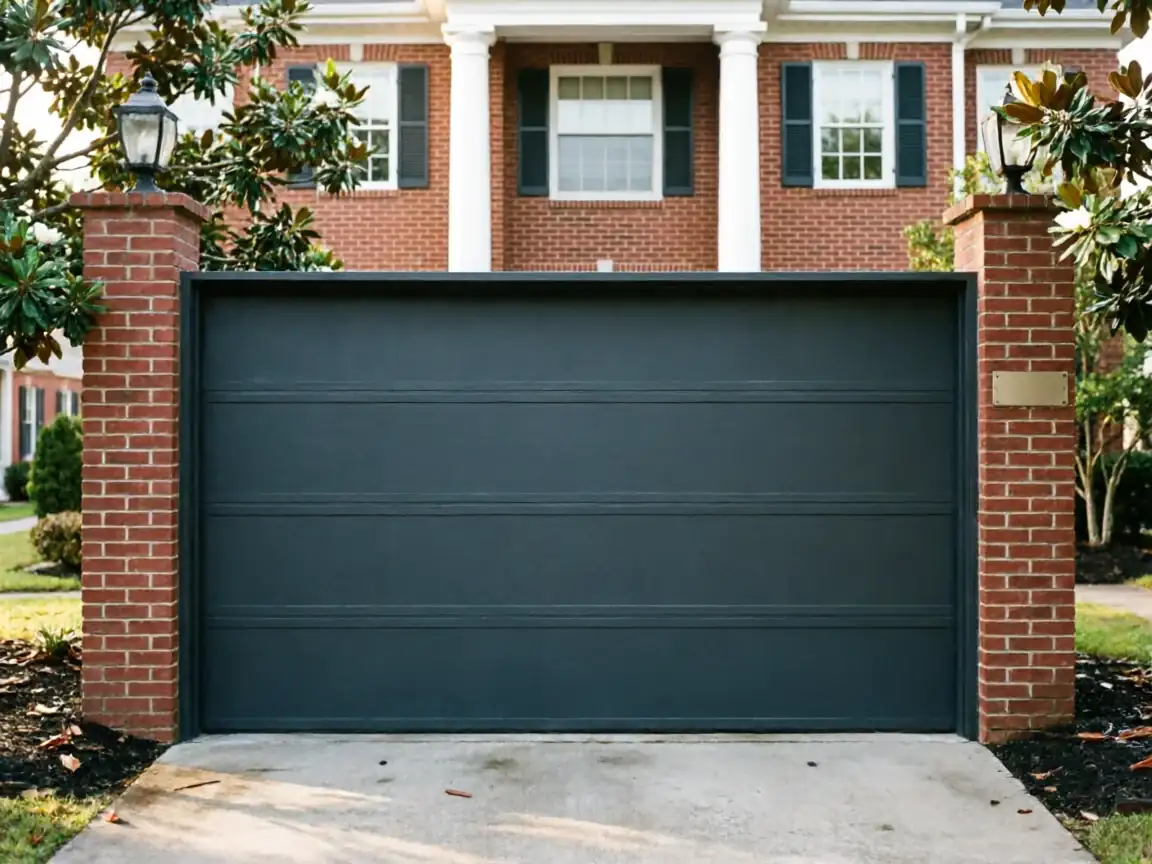
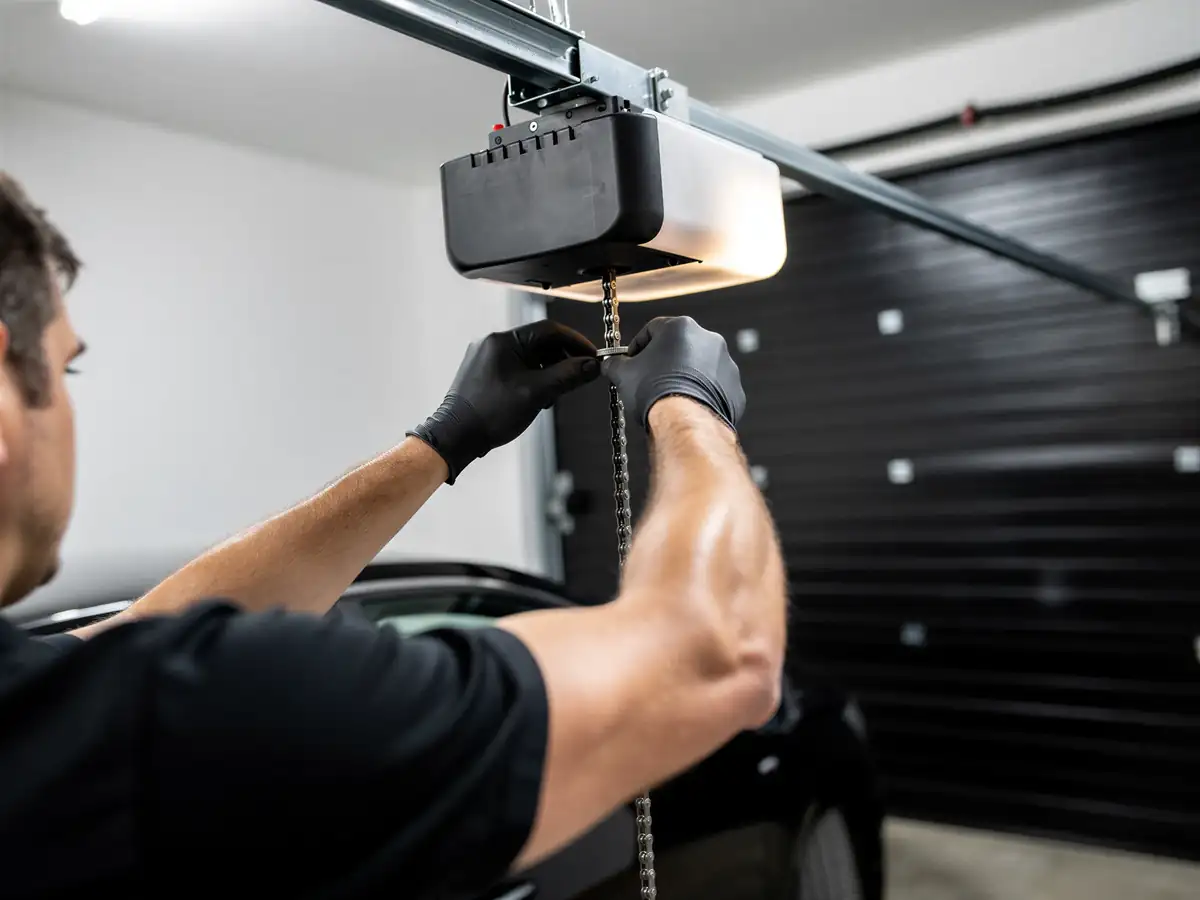
We're not going to list a number here, because the honest answer depends on what's already bolted to your house. A straight swap on a 1980s or 90s build, where the opening, track, and wiring are already standard for that era, costs less than a job where we're correcting an opening that was never square to begin with - something we see on houses from the earlier end of the 1972-2004 range. Double doors cost more than single doors, insulated sections cost more than non-insulated, and if your current opener is original to a house built in the Reagan years, we're usually replacing that too since the old chain-drive units weren't built to run a heavier insulated door. Get a number by having us look at the actual opening - across a service area with median household income near $119,876, we see everything from basic steel singles to higher-end insulated doubles, and pricing a stranger's door over the phone is how you end up re-measuring on install day.
What Causes It Around Here
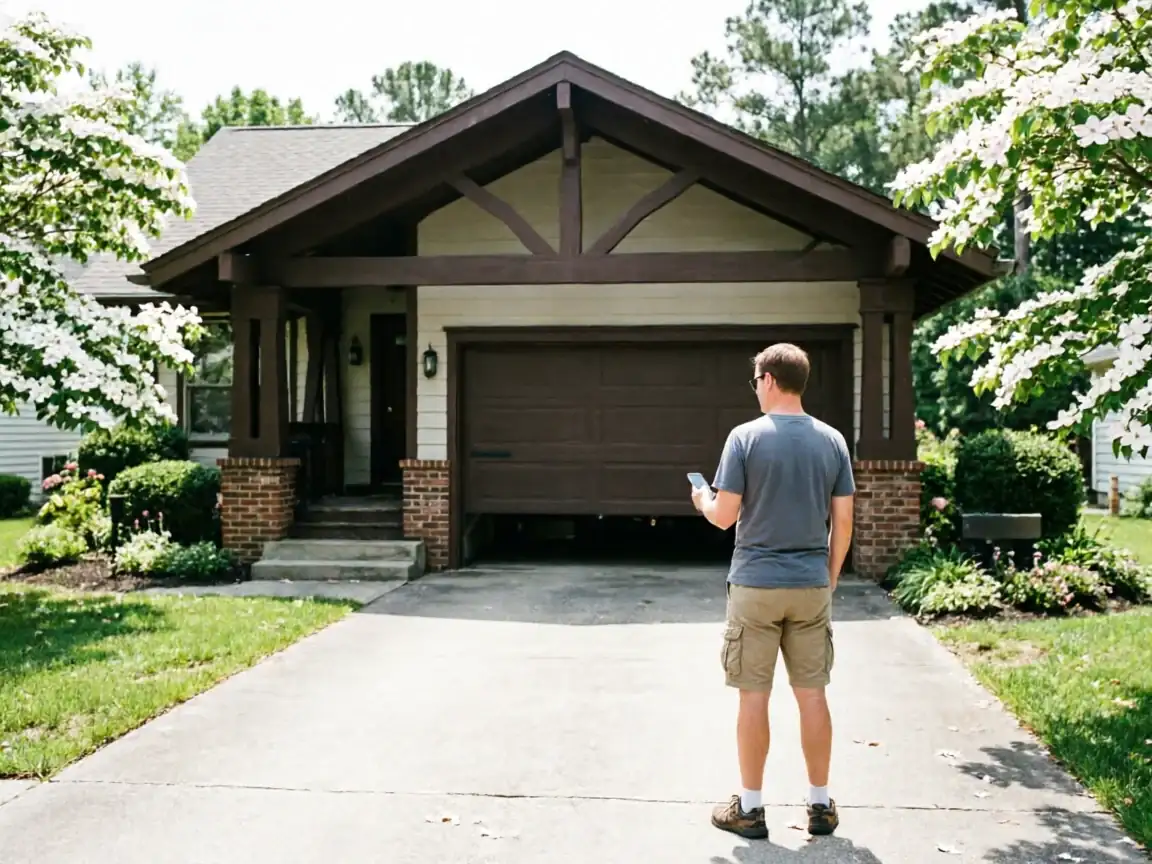
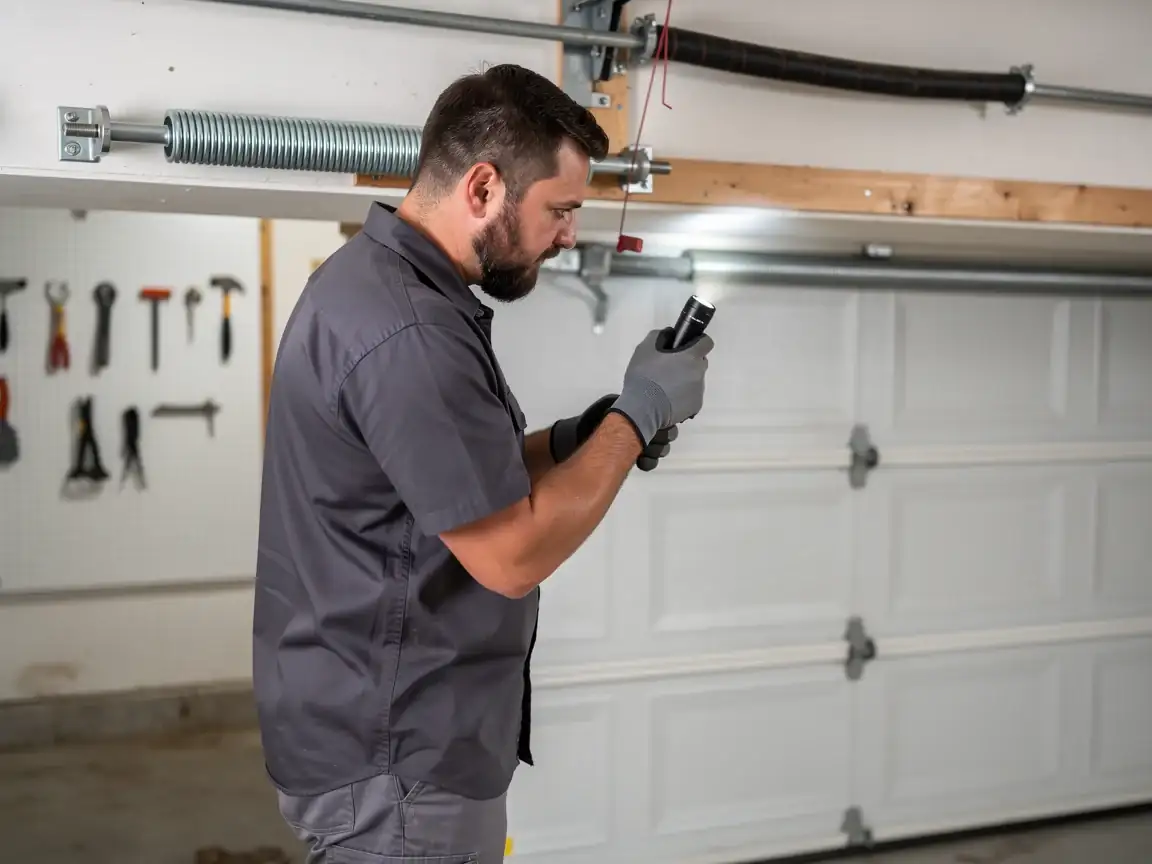
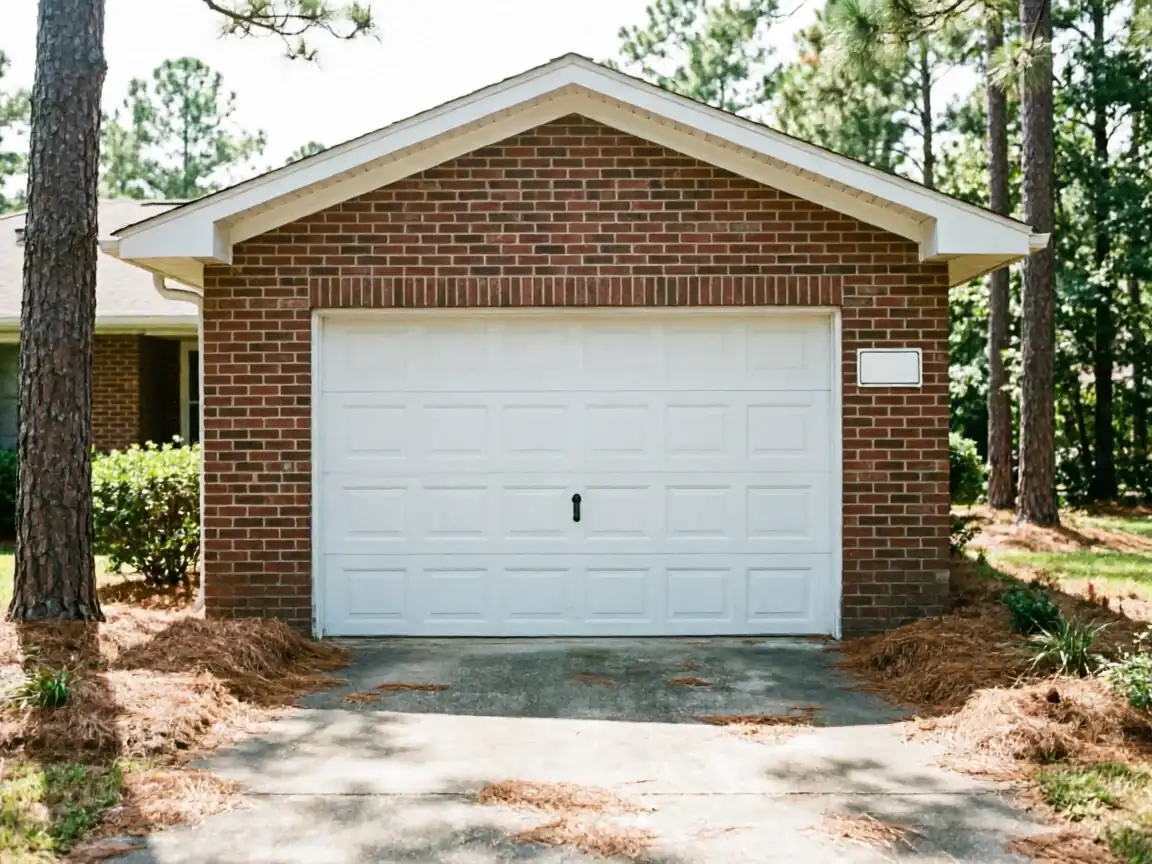
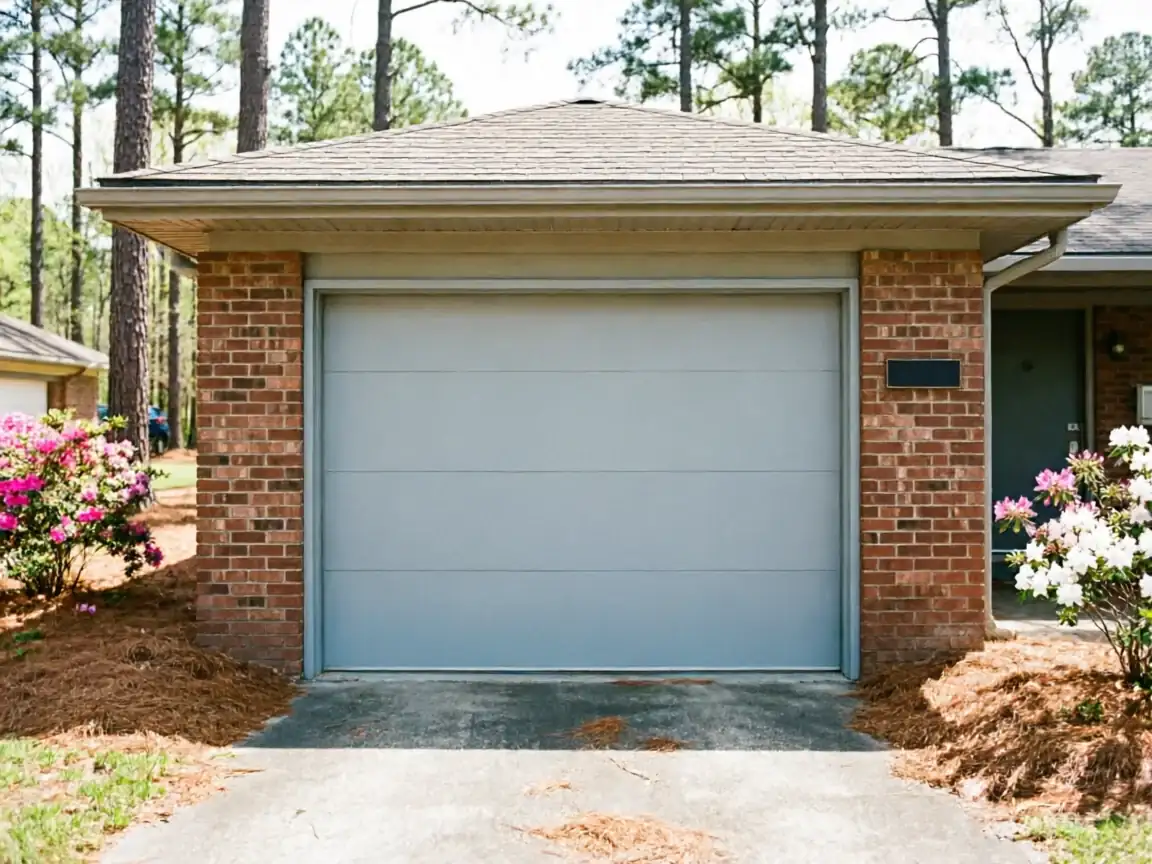
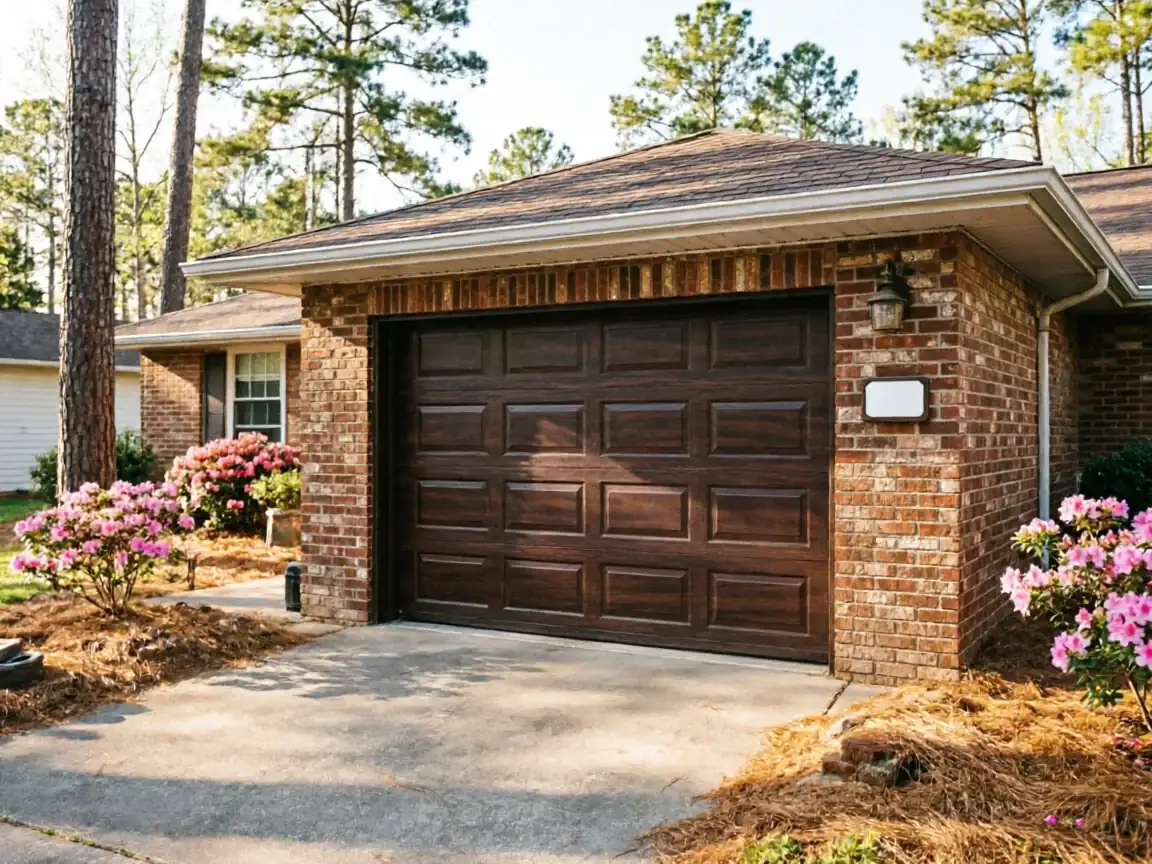
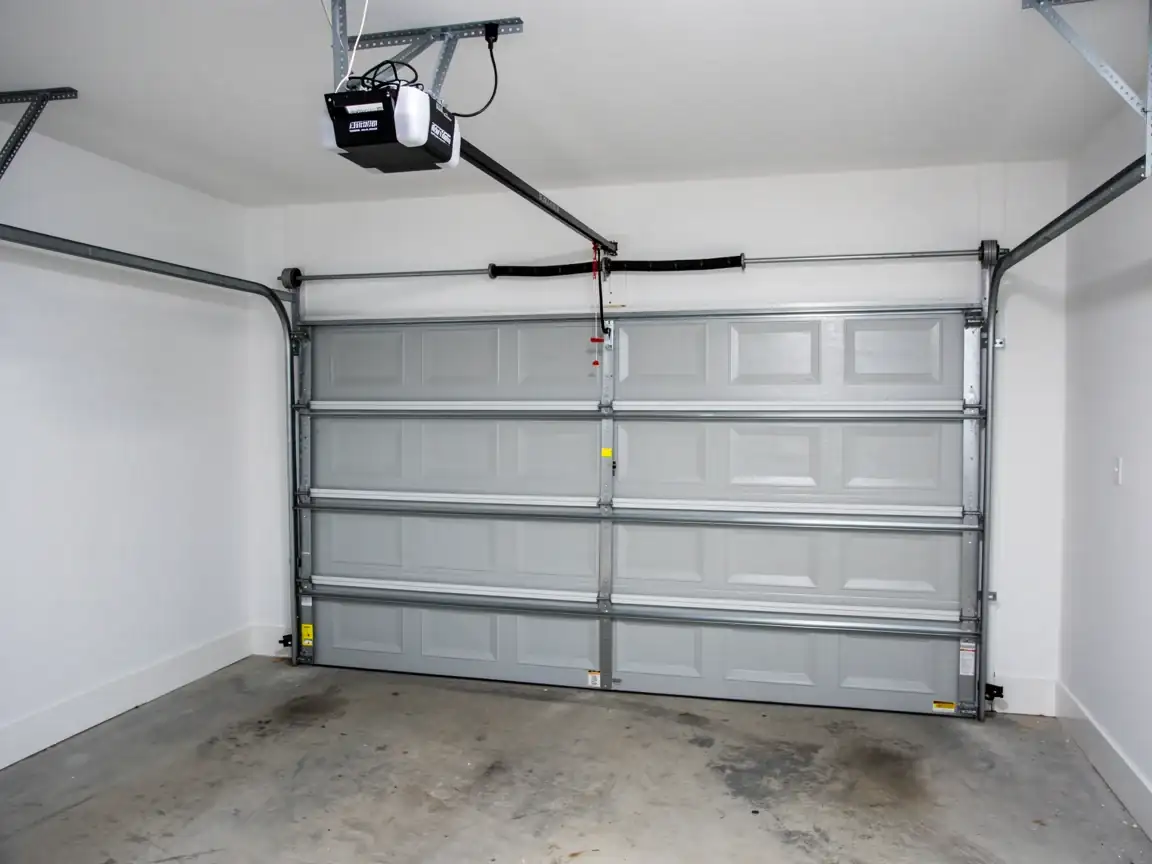
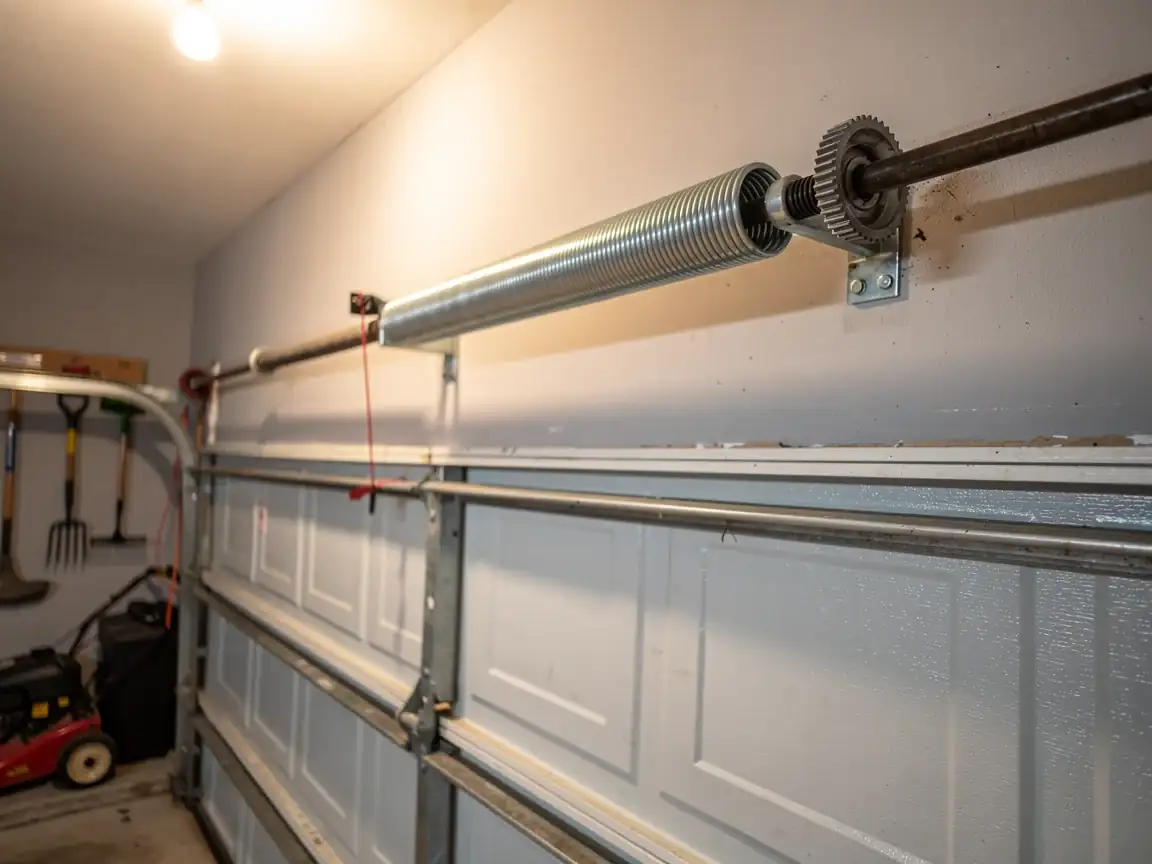
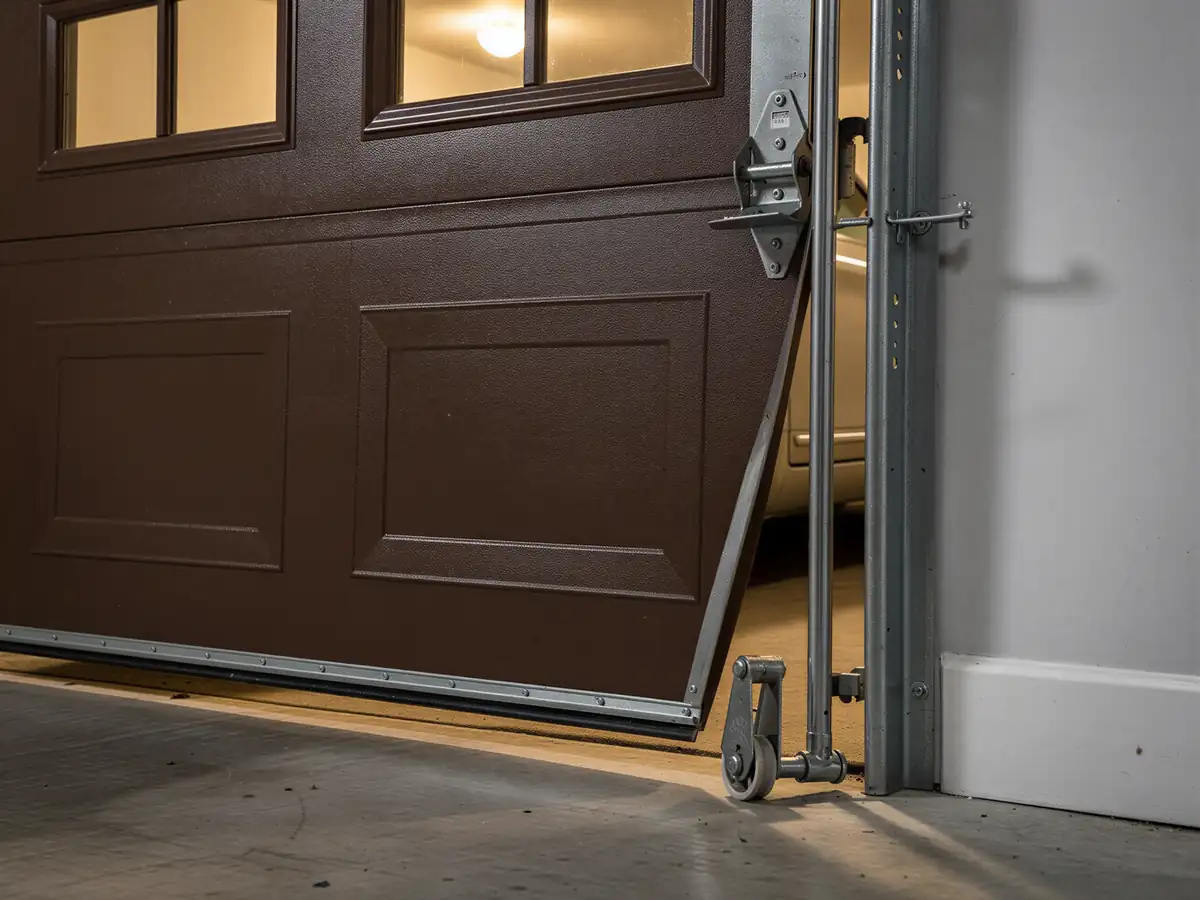
Most of the housing stock in this part of Memphis went up between 1972 and 2004, with a heavy concentration of 1980s and 90s builds across the area's established neighborhoods. That matters because doors from that build window are now 20 to 50 years old - past the service life of the springs, rollers, and in a lot of cases the door itself, even on houses that look fine from the street. The cold-moderate climate here isn't brutal like a true northern winter, but it still swings enough through the year to work steel panels and seals that have been flexing since the Clinton or even Nixon administration. On original non-insulated doors from that era, that swing shows up as rust at the bottom panel seam and a track that's walked slightly out of alignment from decades of thermal movement. Combine 30-to-50-year-old doors with openers that were never upgraded, and installation stops being an upgrade decision and becomes a safety one - a door that heavy shouldn't be running on original cables and a worn torsion spring.
Doing It Yourself
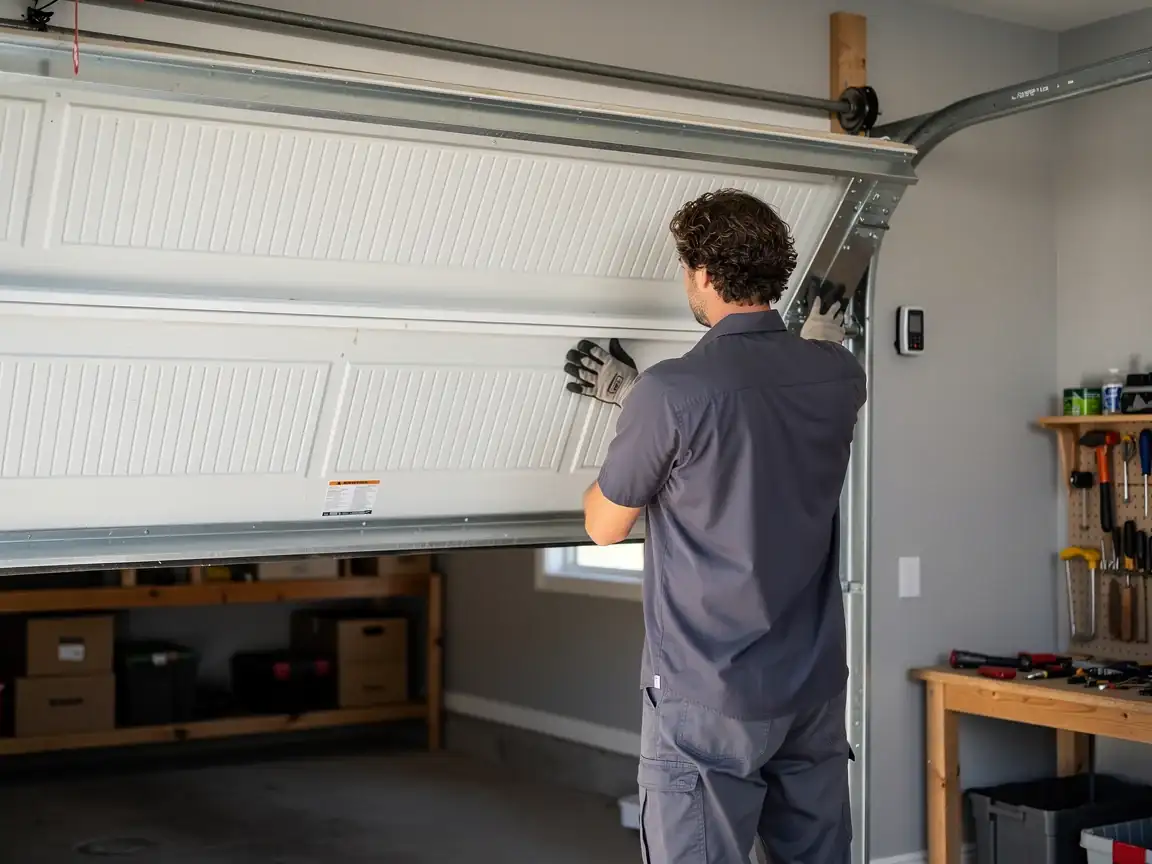
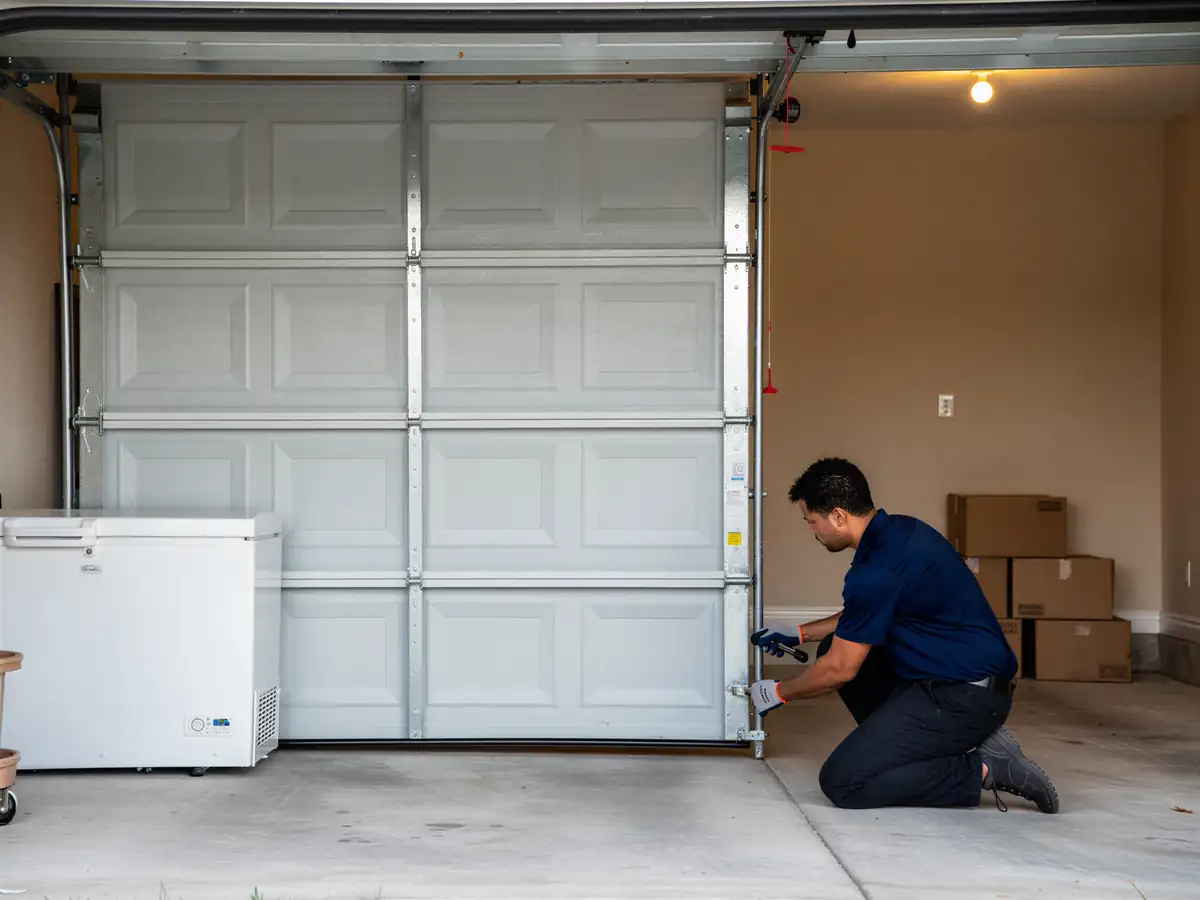
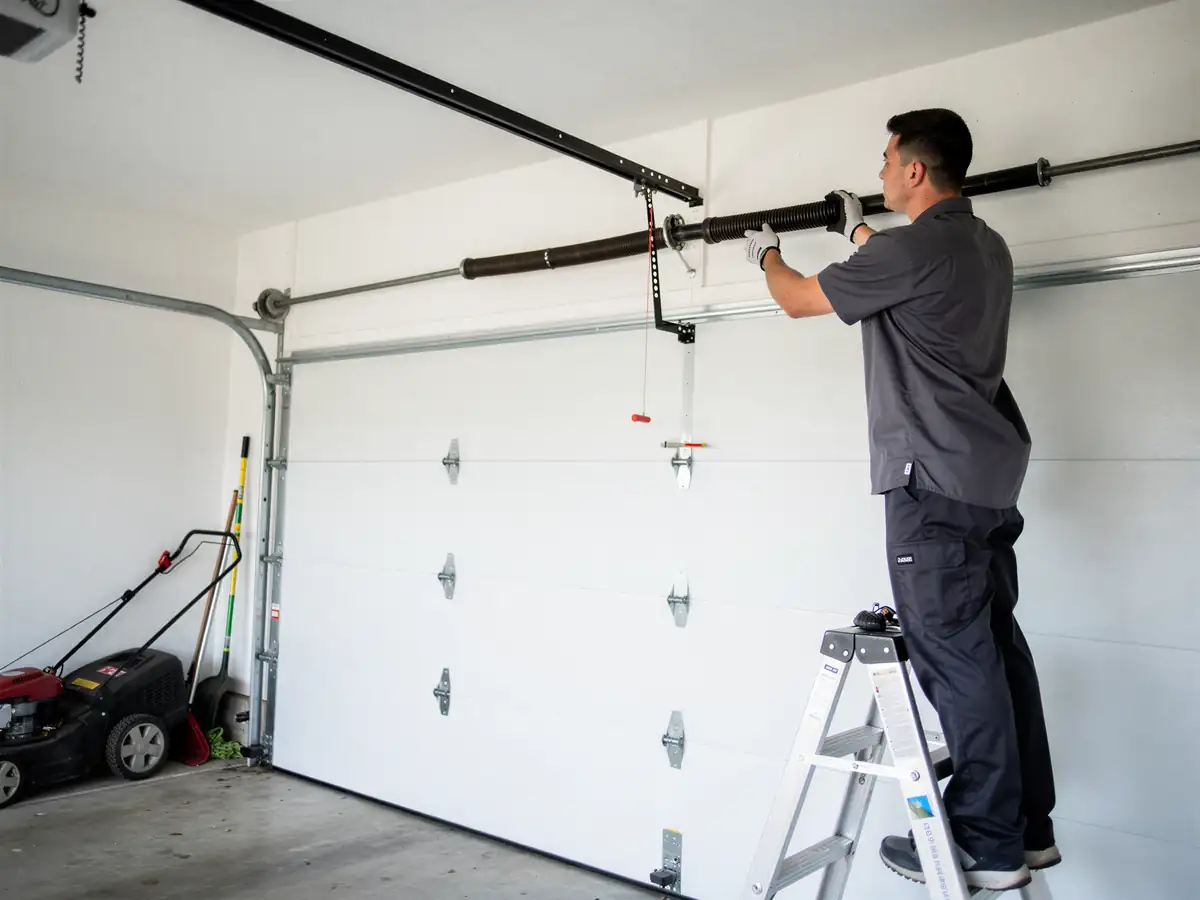
Some of this you can do yourself. Clearing old hardware, repainting trim around the opening, even swapping weatherstripping on a door that's otherwise sound - all reasonable DIY work. Full installation isn't. A garage door is a loaded spring system under real tension, and on the double-door openings common across this area's larger 1980s and 90s houses, that tension is higher than most people expect. We won't talk anyone through setting torsion springs over the phone, and we'll say plainly that if your opening has shifted out of square - which happens on some of the older end of the 1972 stock - getting the new door to seat right takes more than following a manual. If you want to do the demo and prep yourself and have us handle the door, hardware, and opener, say so when you call; we'll work around what you've already done.