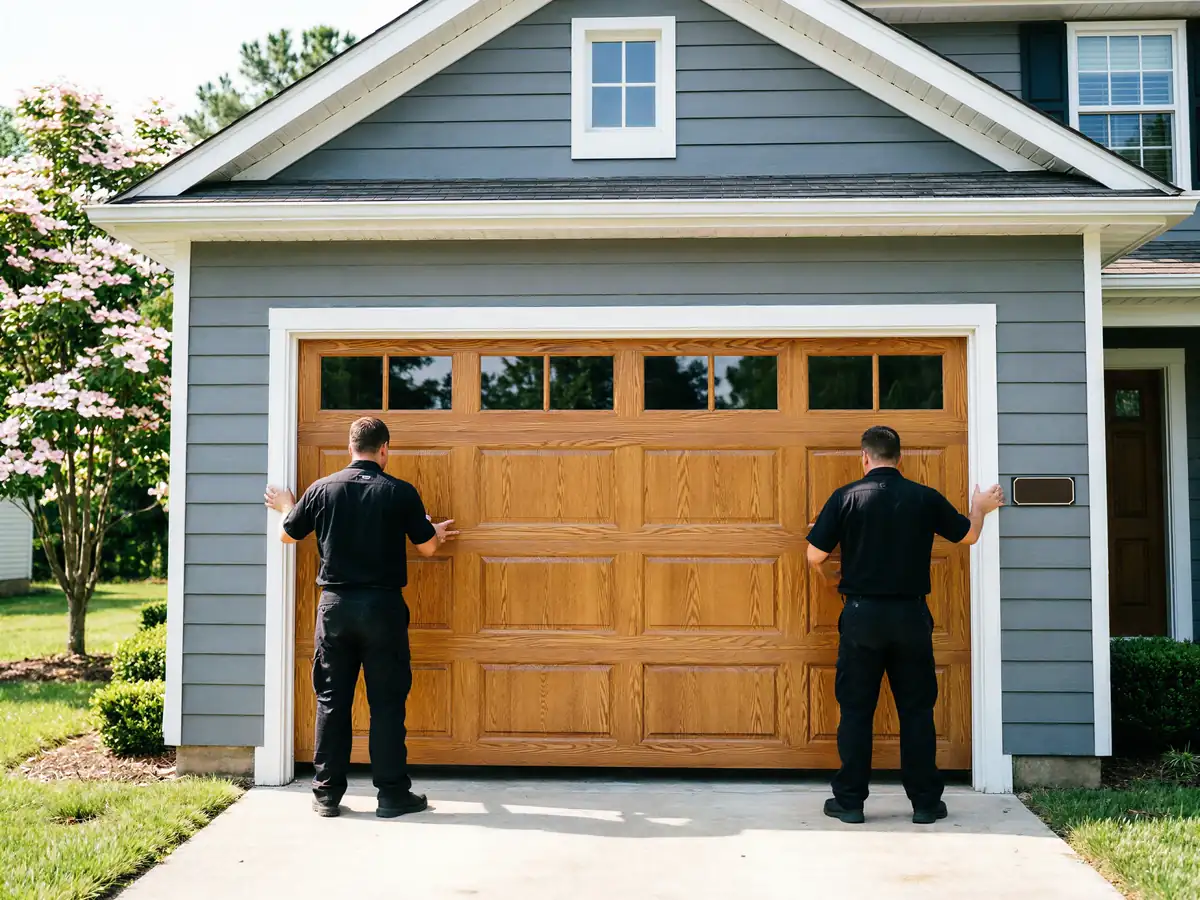
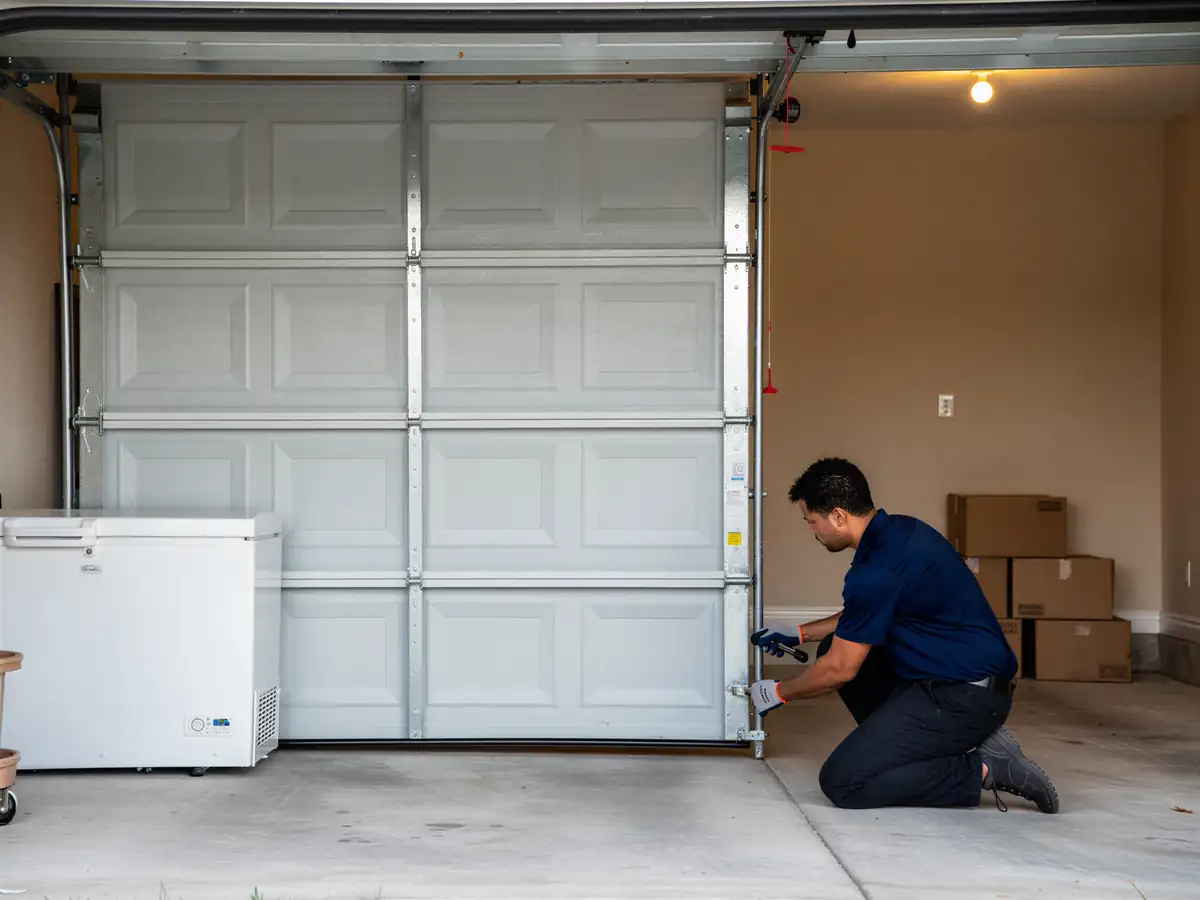
What It Costs
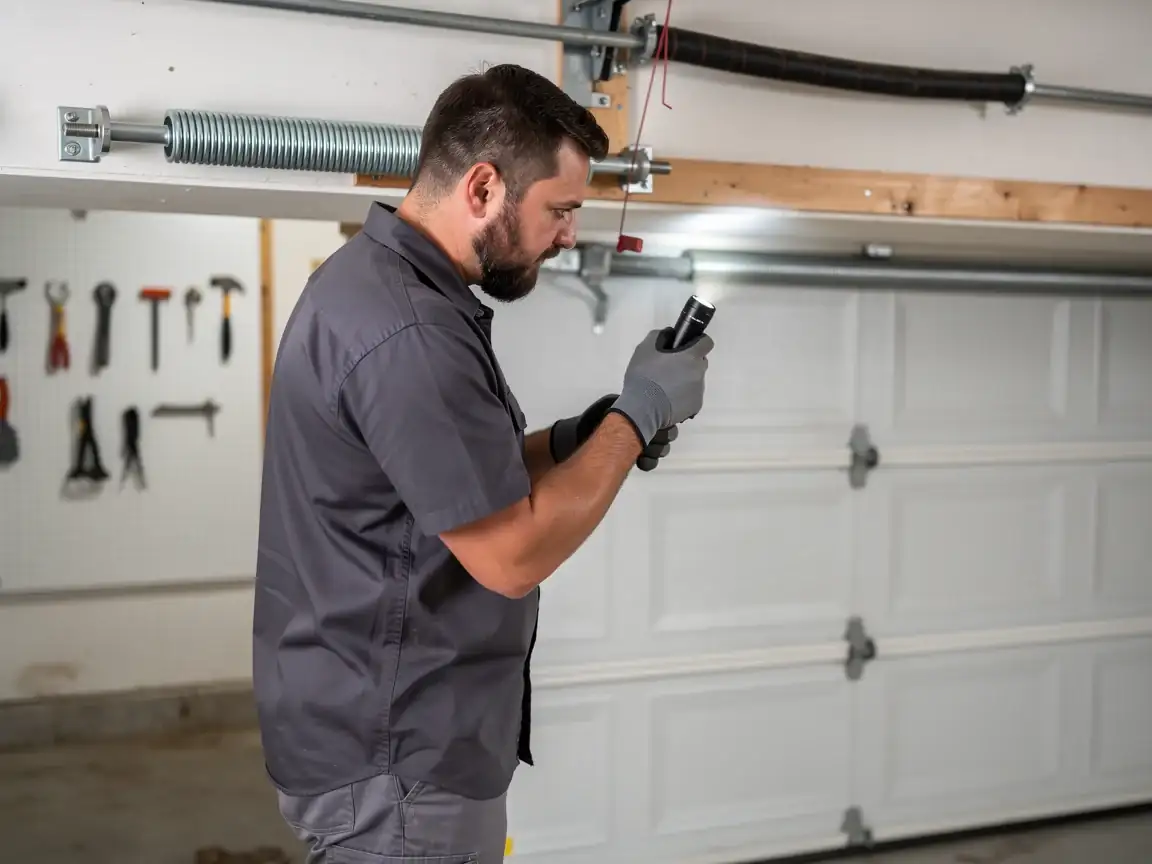
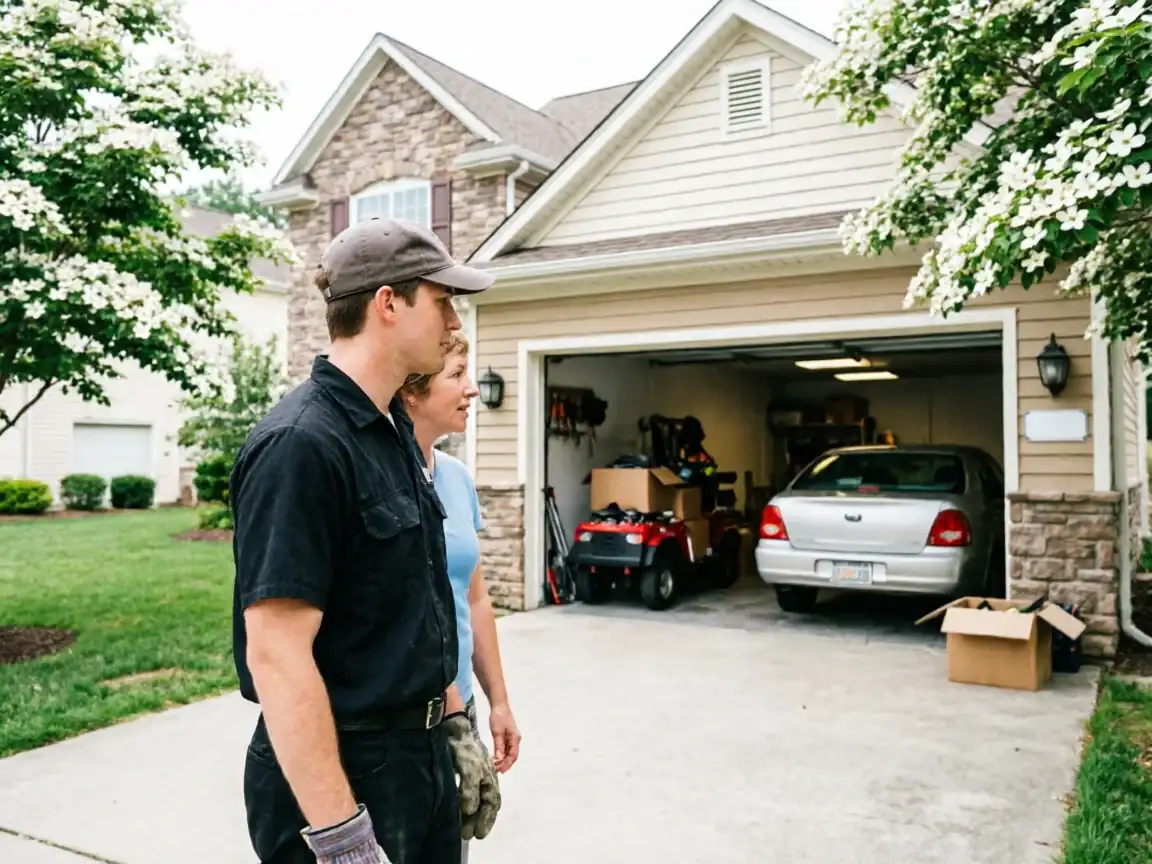
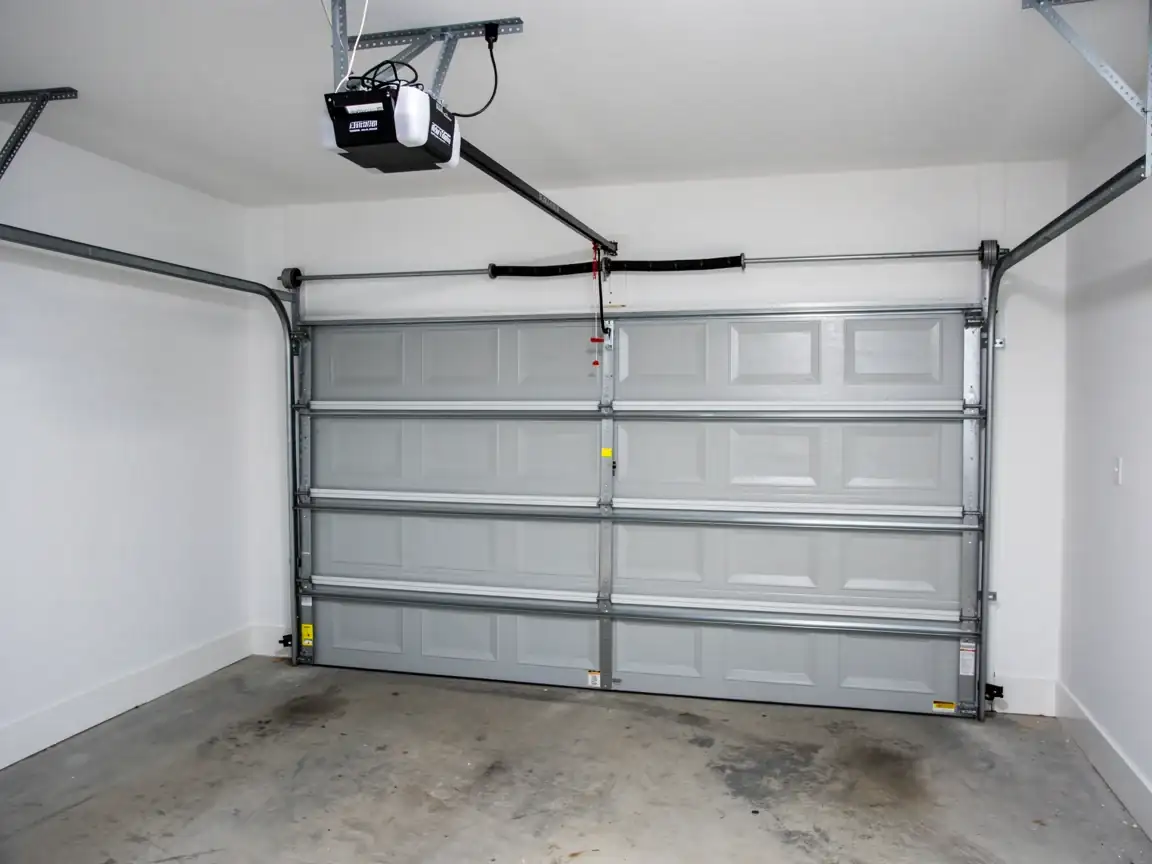
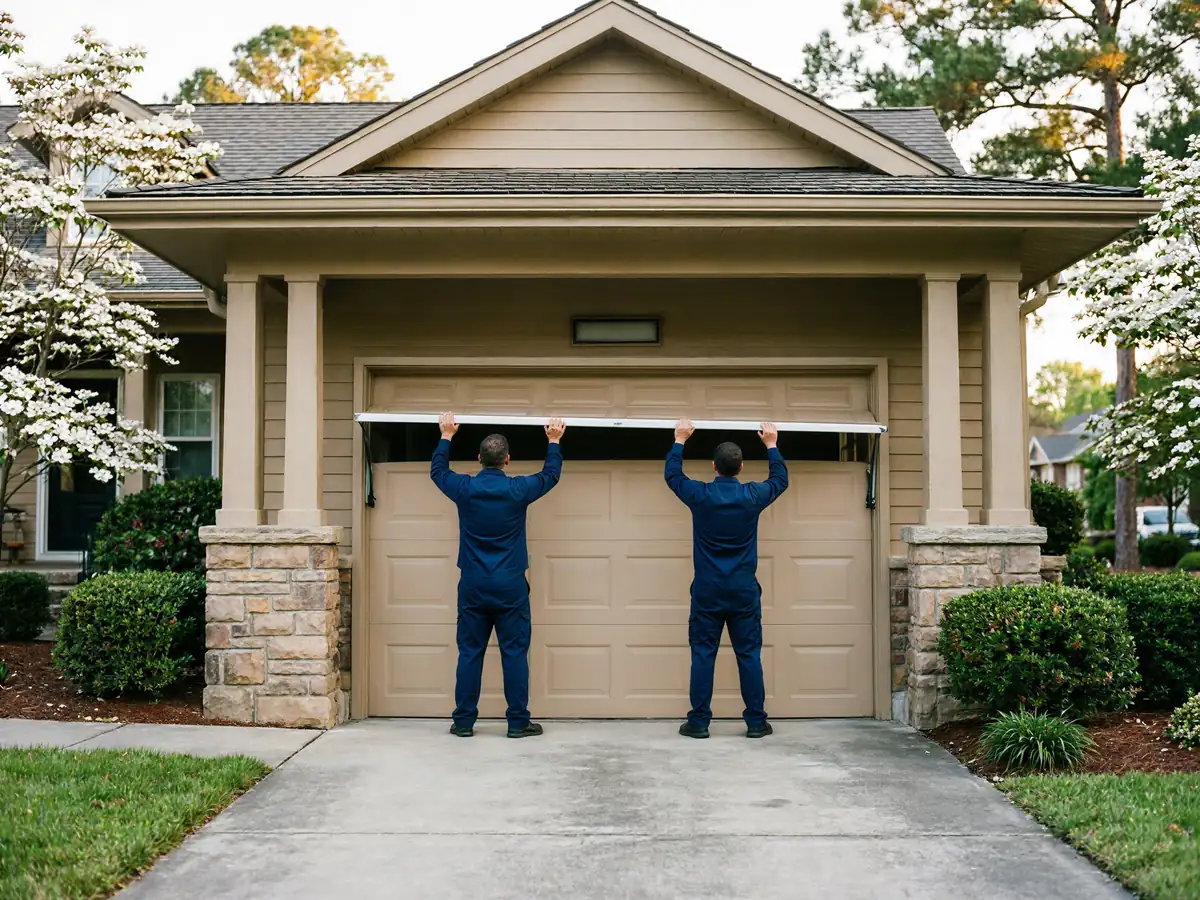
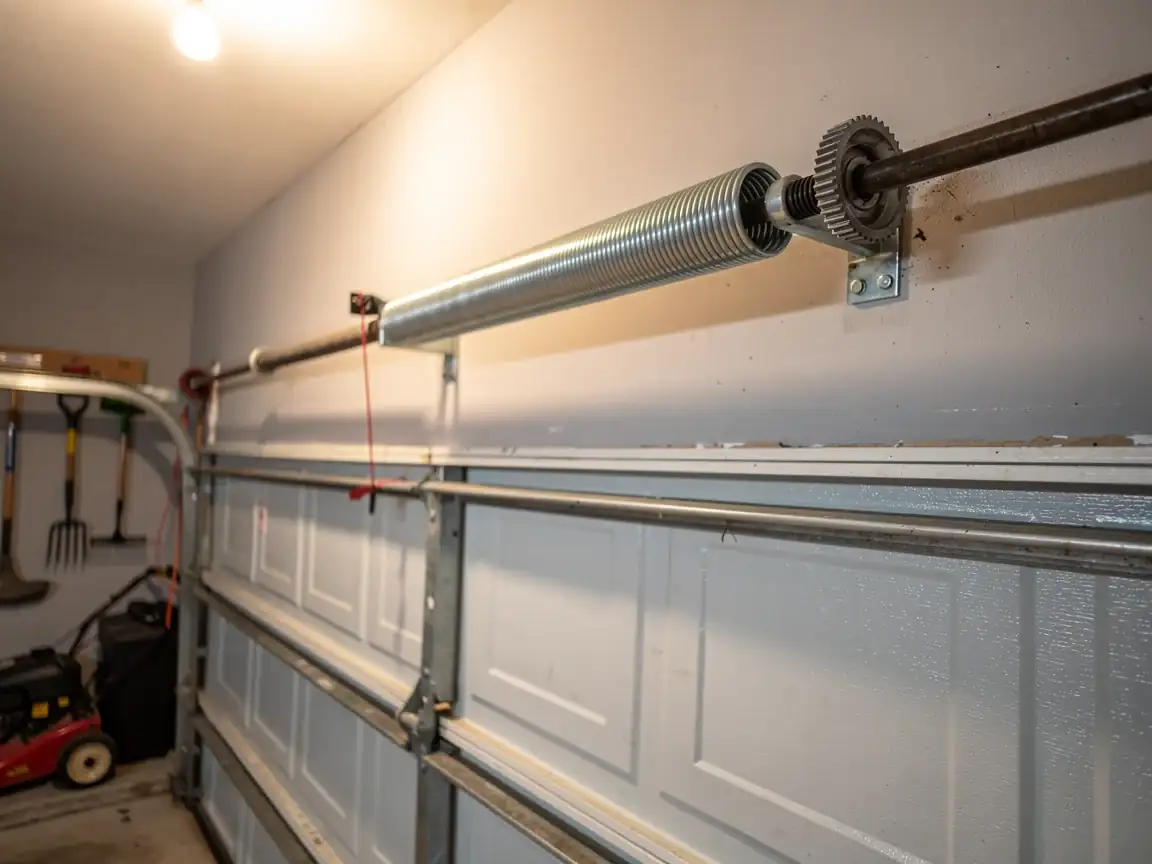
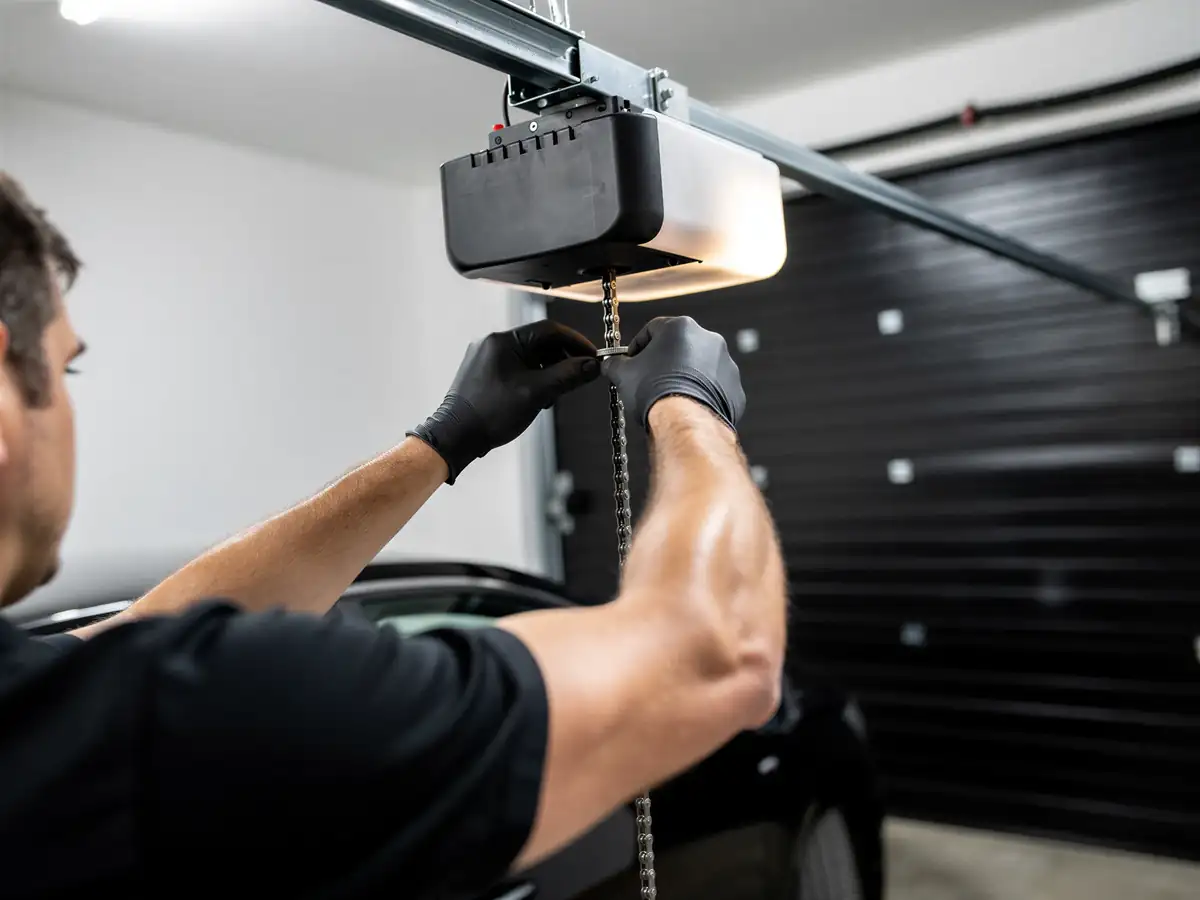
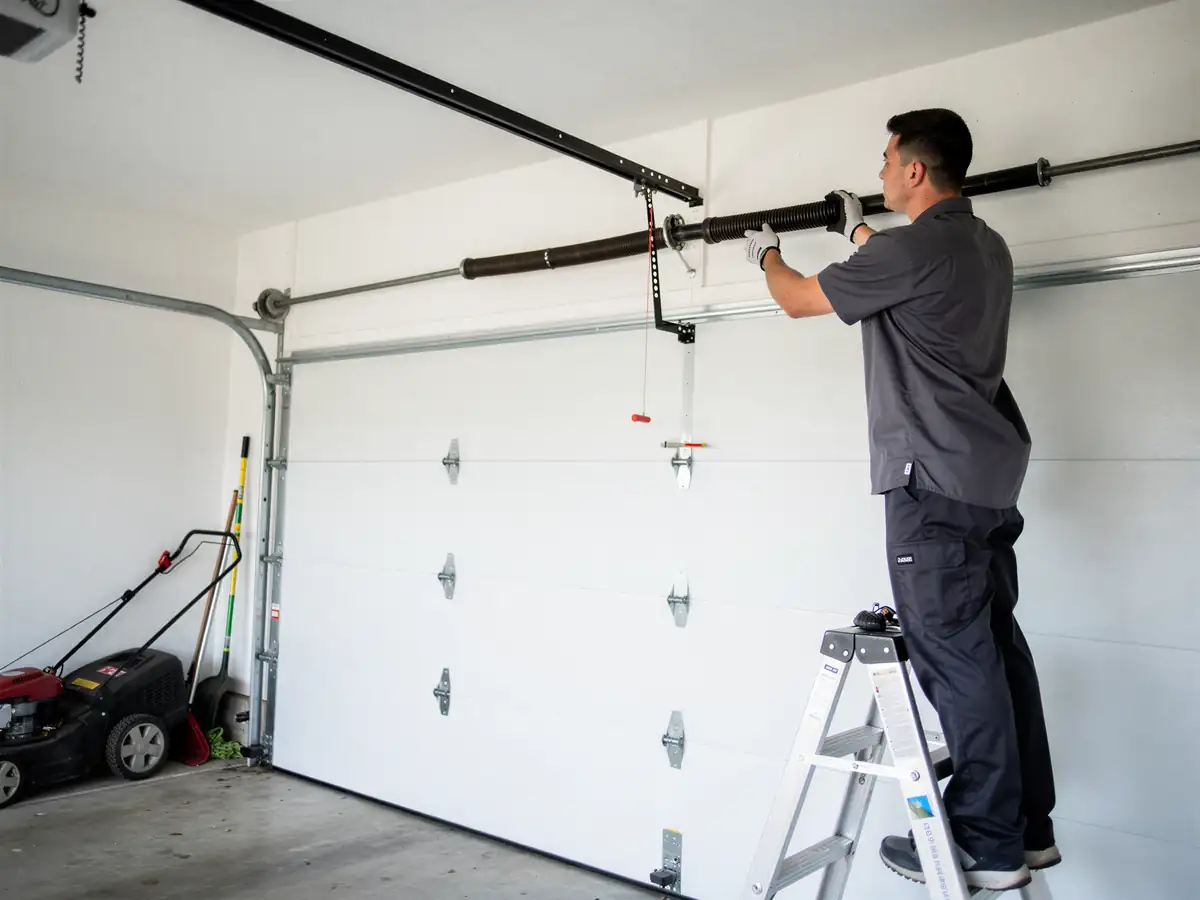
We don't post a flat number here because what you pay depends on what's actually broken and what's on the door now. A torsion spring job on a door from the 1980s-90s stock that's still got its original hardware is a different quote than swapping a cracked bottom panel on a door that's been through two openers already. What we can tell you is how we price it: we look at the door, tell you what's wrong, and give you the number before we touch a wrench - not after. If your opener or spring is old enough to be original to a house built in the 1972-2004 window that makes up most of this service area, parts availability is often the real cost driver, not labor. Some of those older torsion setups use hardware nobody stocks anymore, and sourcing it (or replacing the assembly outright) changes the math. We'll walk you through both options and let you pick. One honest limit: if your door is far enough gone that repair costs are closing in on replacement, we'll say so rather than patch it twice.
What Causes It Around Here
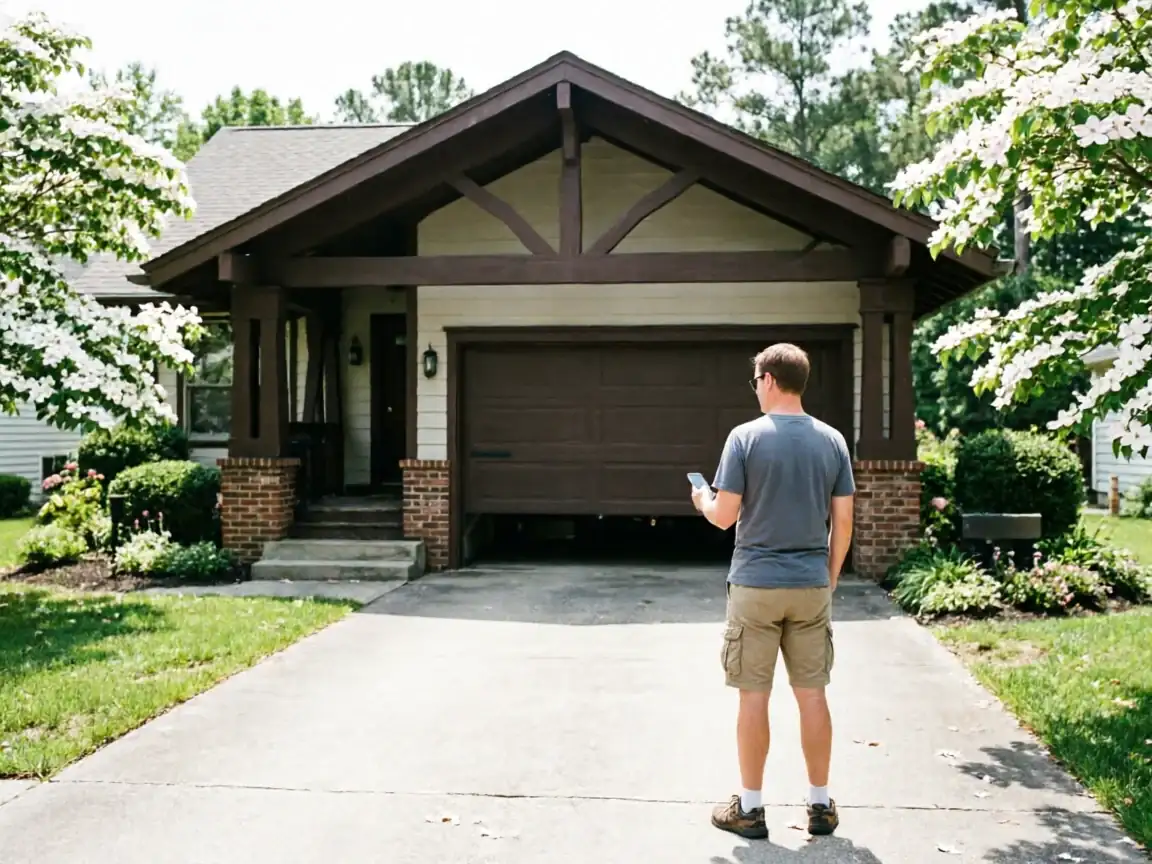
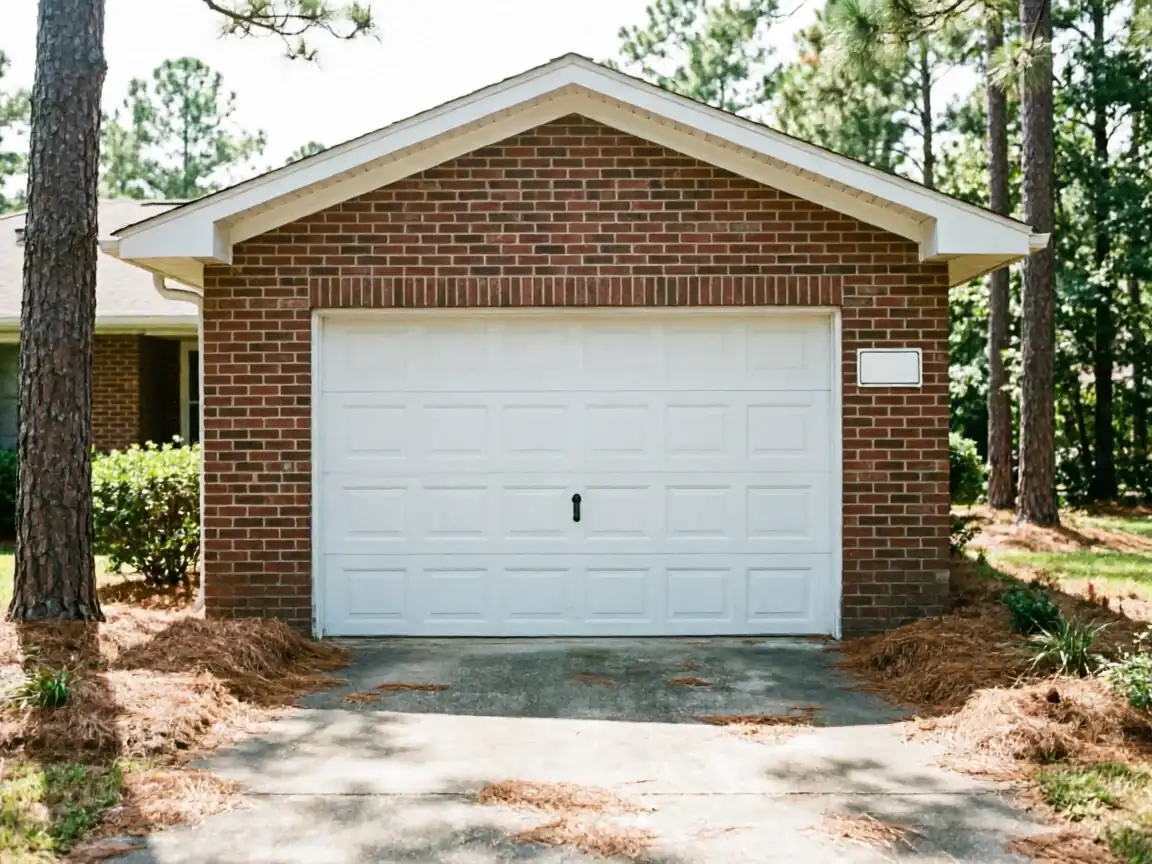
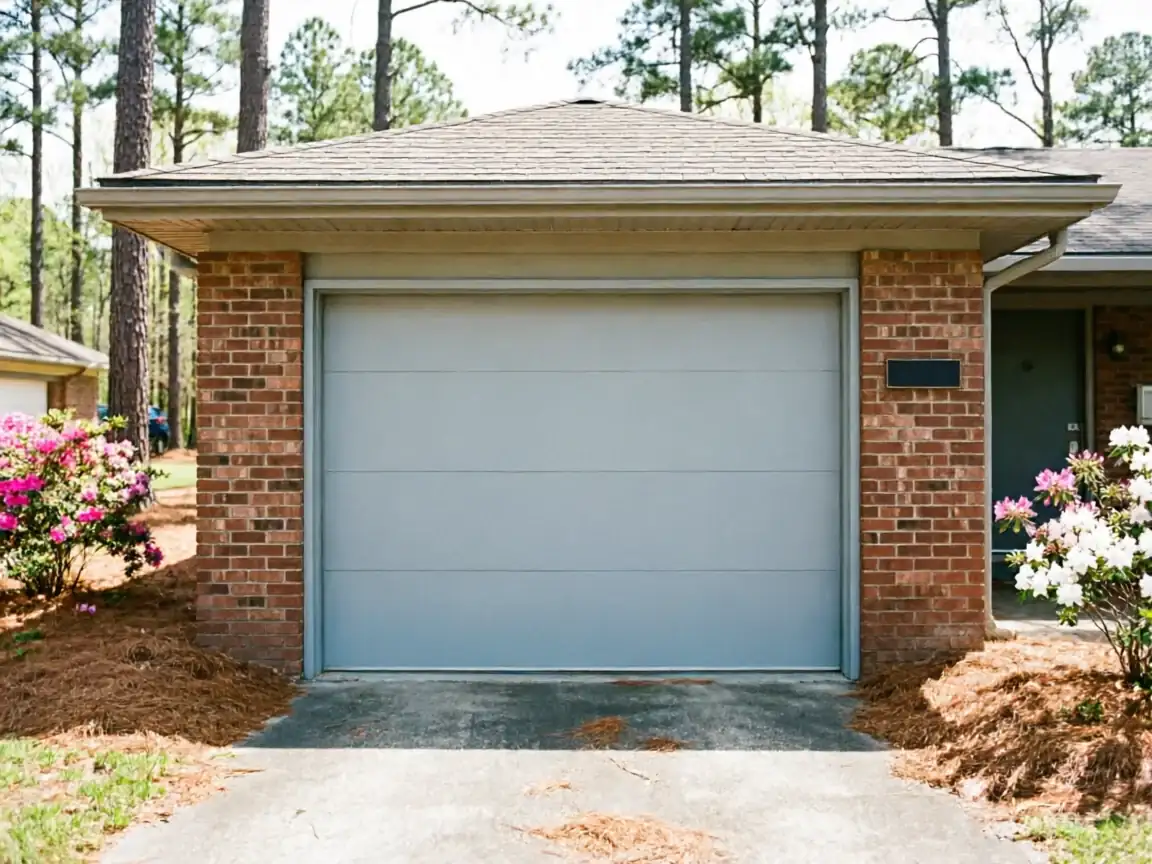
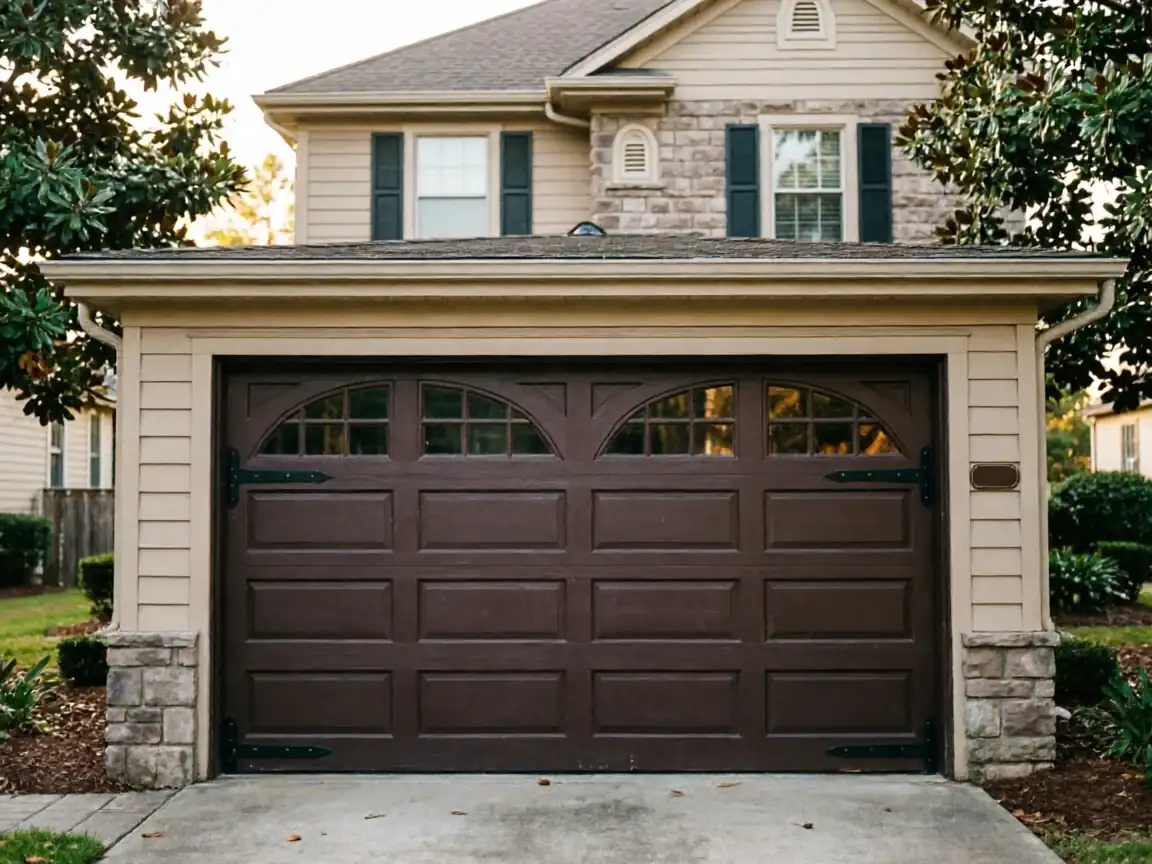
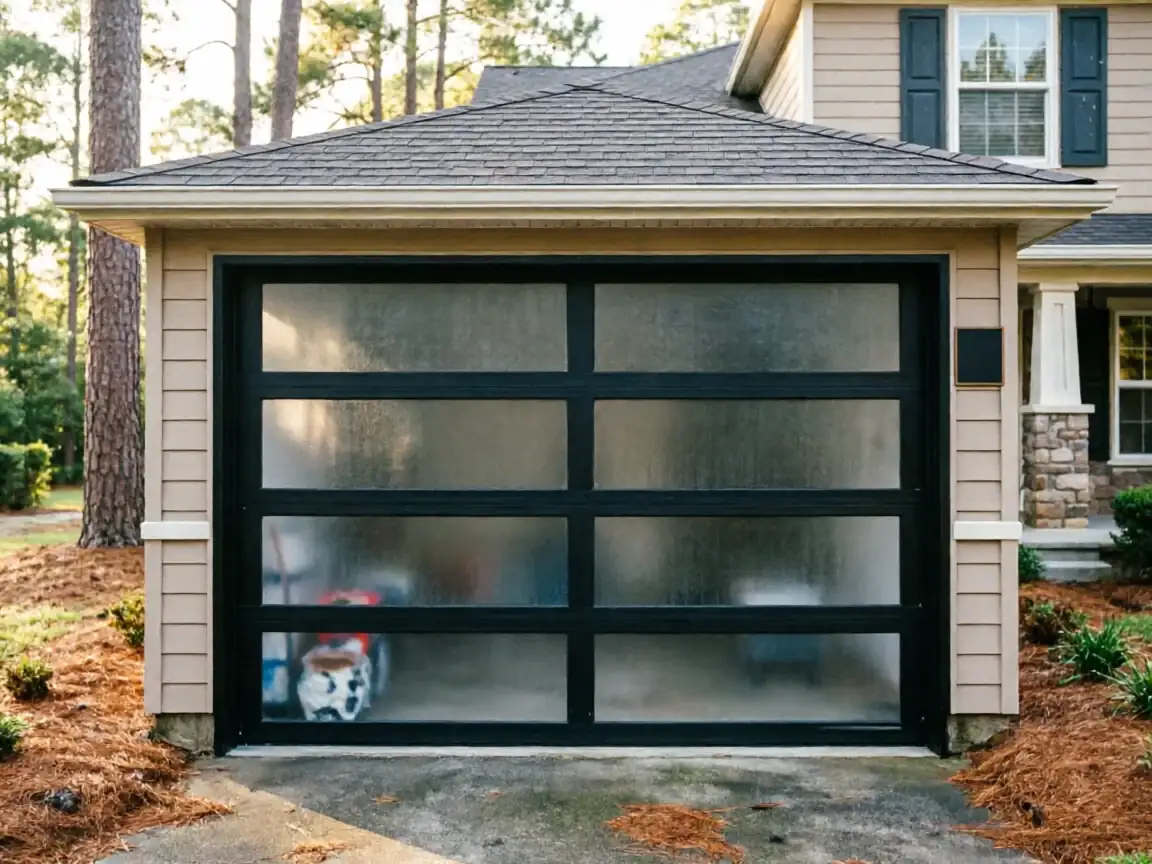
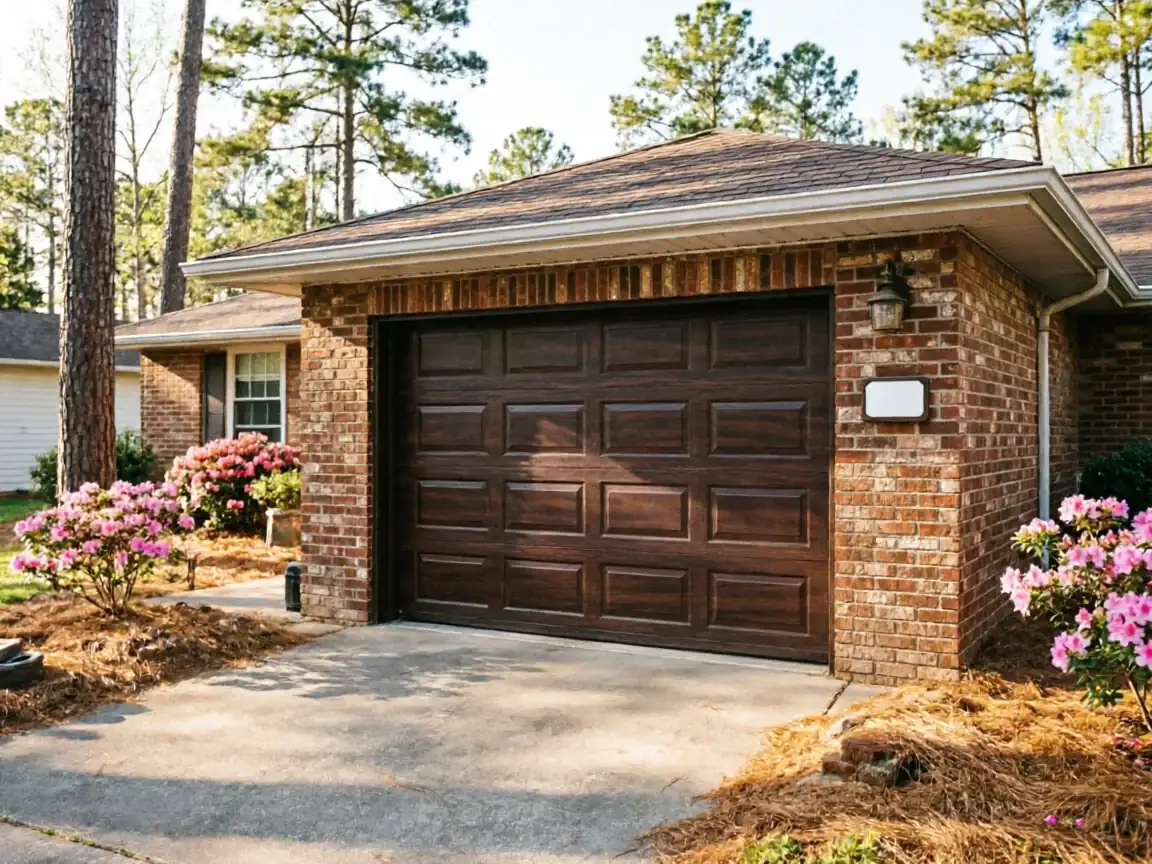
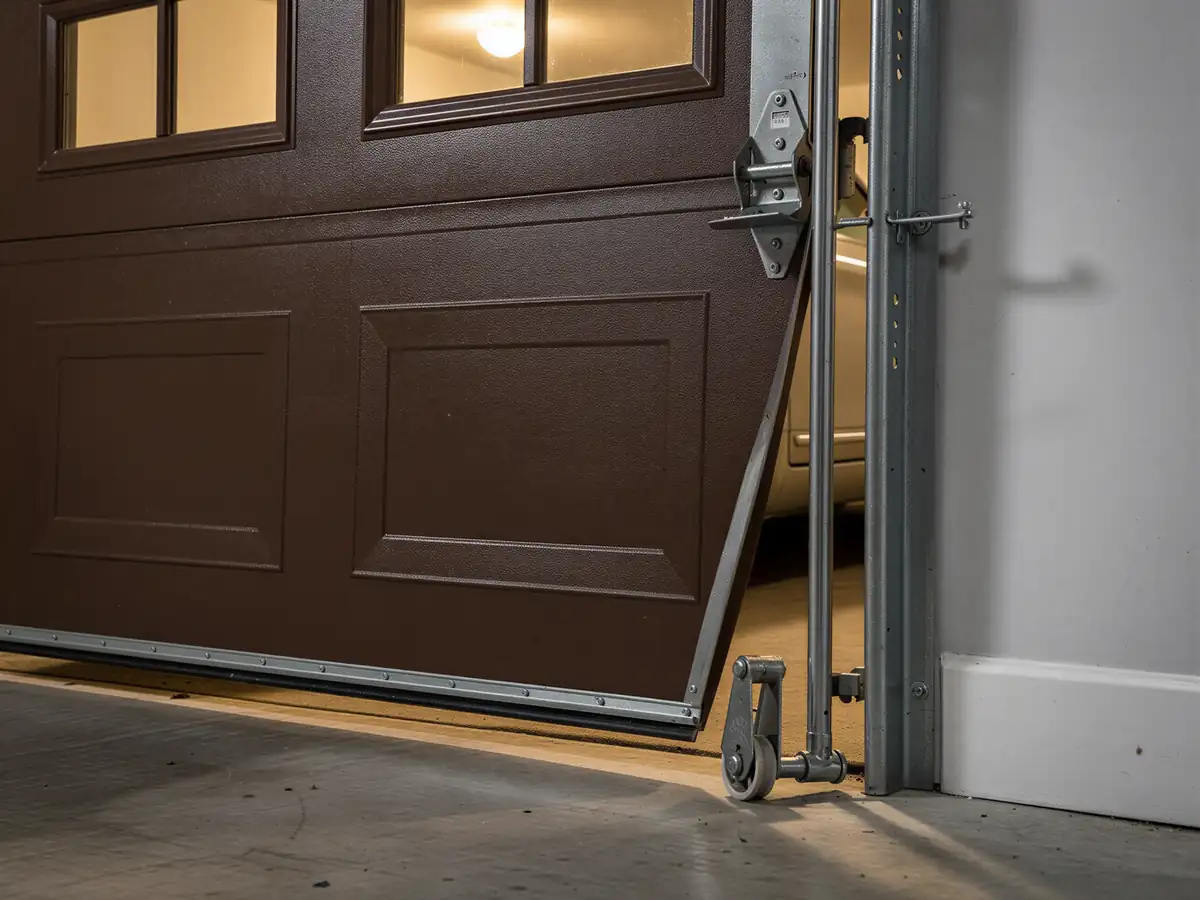
Most of the houses we work on went up between 1972 and 2004, with a lot of that stock clustered in the 1980s and 90s across the neighborhoods we cover. That era of garage door is usually steel sectional on a torsion spring, sized for a single-car or two-car opening, with hardware that was standard for its decade but isn't always standard now. Memphis sits in a cold-moderate climate band, which doesn't mean brutal winters, but it does mean enough seasonal swing - humid summers into cooler, damp winters - to work on steel and lubricant year after year. Springs lose tension gradually under that kind of cycling, rollers dry out, and track bolts that were torqued in 1990 work loose by now just from thermal movement, not from any one storm or cold snap. We see this pattern across the areas close in - toward Orange Mound, and the Heights - where the housing ages out at roughly the same rate because it was mostly built in the same stretch of years. It's less about any single bad day of weather and more about three decades of ordinary temperature swing doing its slow work on original parts.
Doing It Yourself
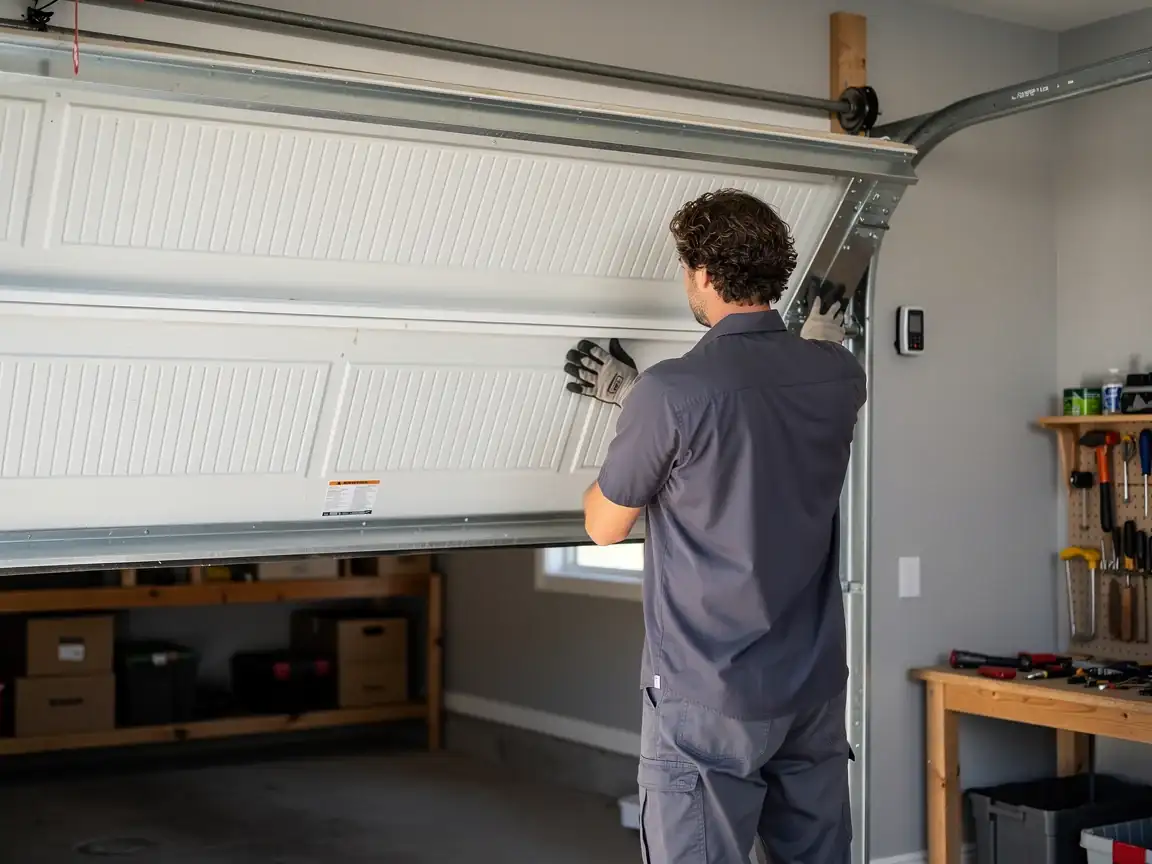
There's a line between what's reasonable to handle yourself and what isn't, and torsion springs sit firmly on the wrong side of that line. They're wound under enough tension to cause a serious injury if the winding bars slip, and that's true no matter how handy you are. What you can safely do yourself: check and tighten loose track bolts, clean and lubricate rollers and hinges, and test the auto-reverse safety sensors by waving something under the door as it closes. Those are maintenance jobs, not repairs, and they're worth doing twice a year given how much seasonal swing this area sees. What we'd tell you to leave alone: spring replacement, cable work, and anything involving the torsion bar itself. If your opener is original to a house built decades ago and it's starting to strain, that's also a call-a-pro situation - a motor working against a weak spring can burn out trying to compensate, and replacing a burned motor costs more than fixing the spring would have.