What Can Go Wrong
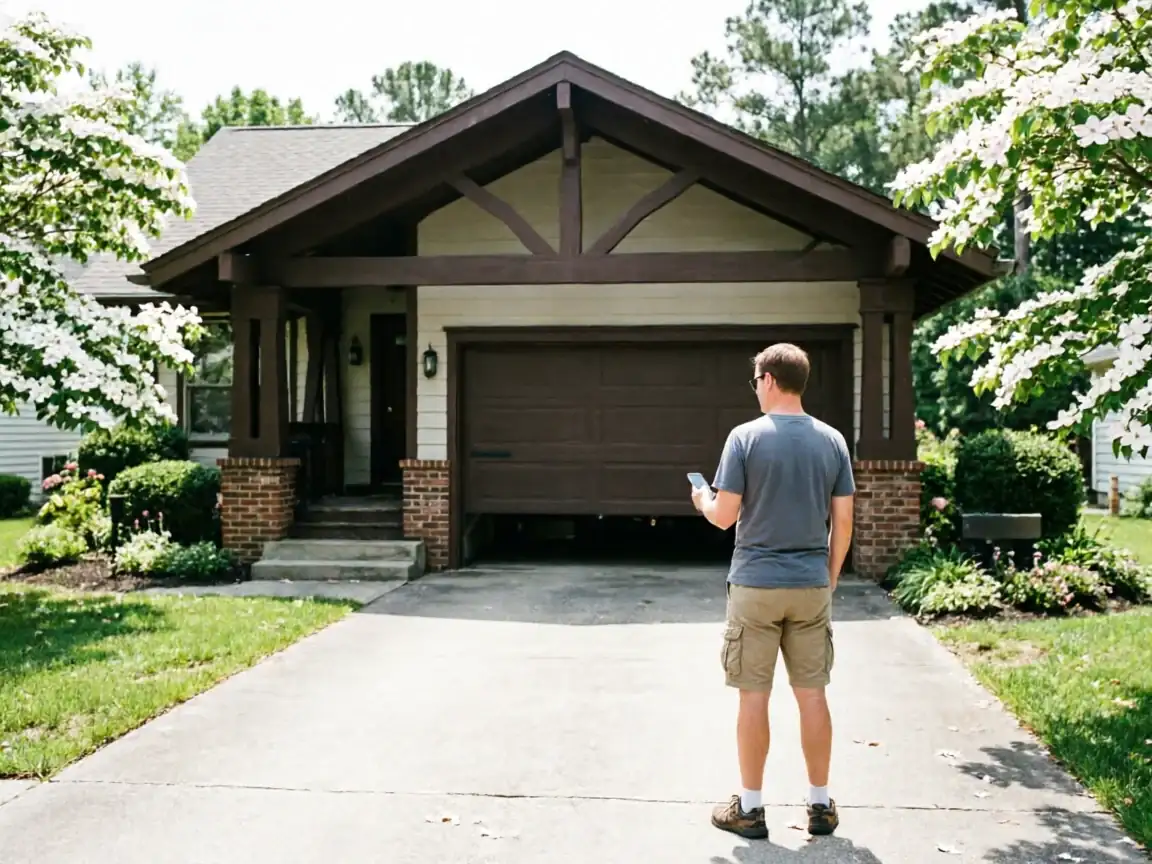
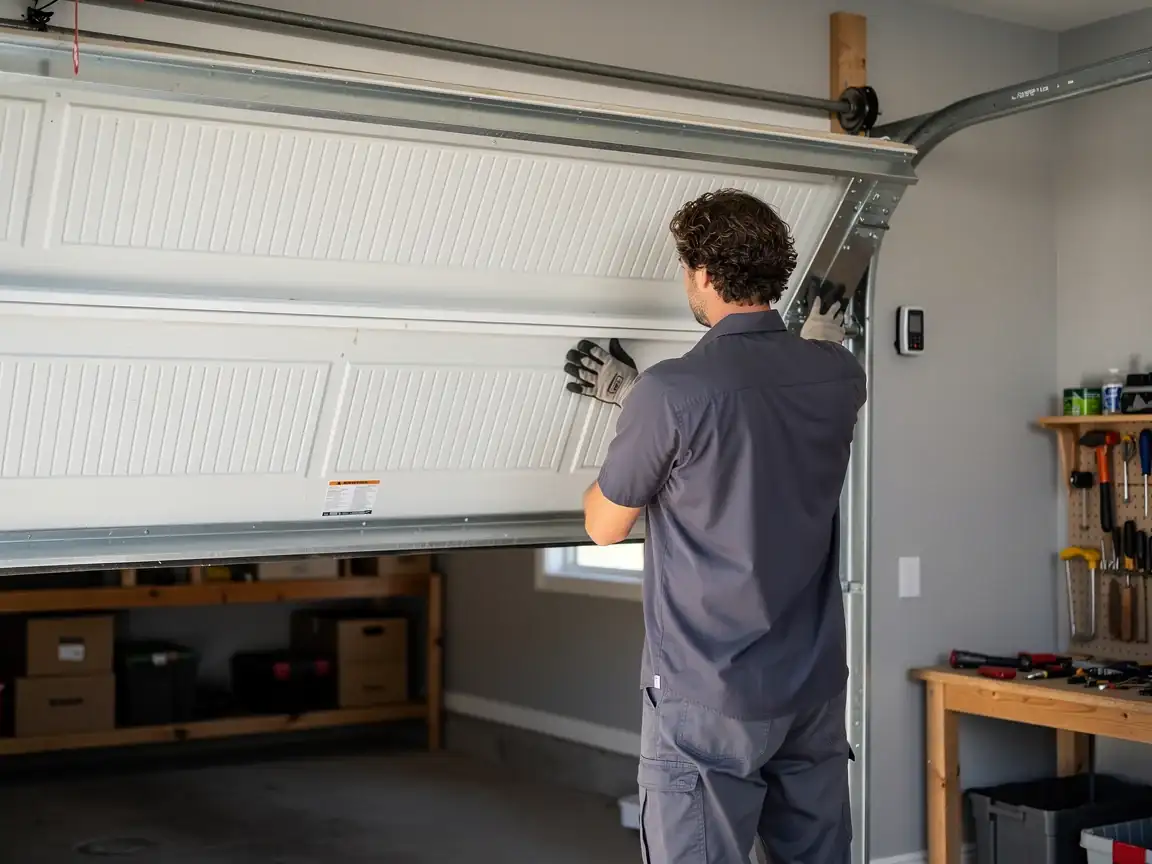
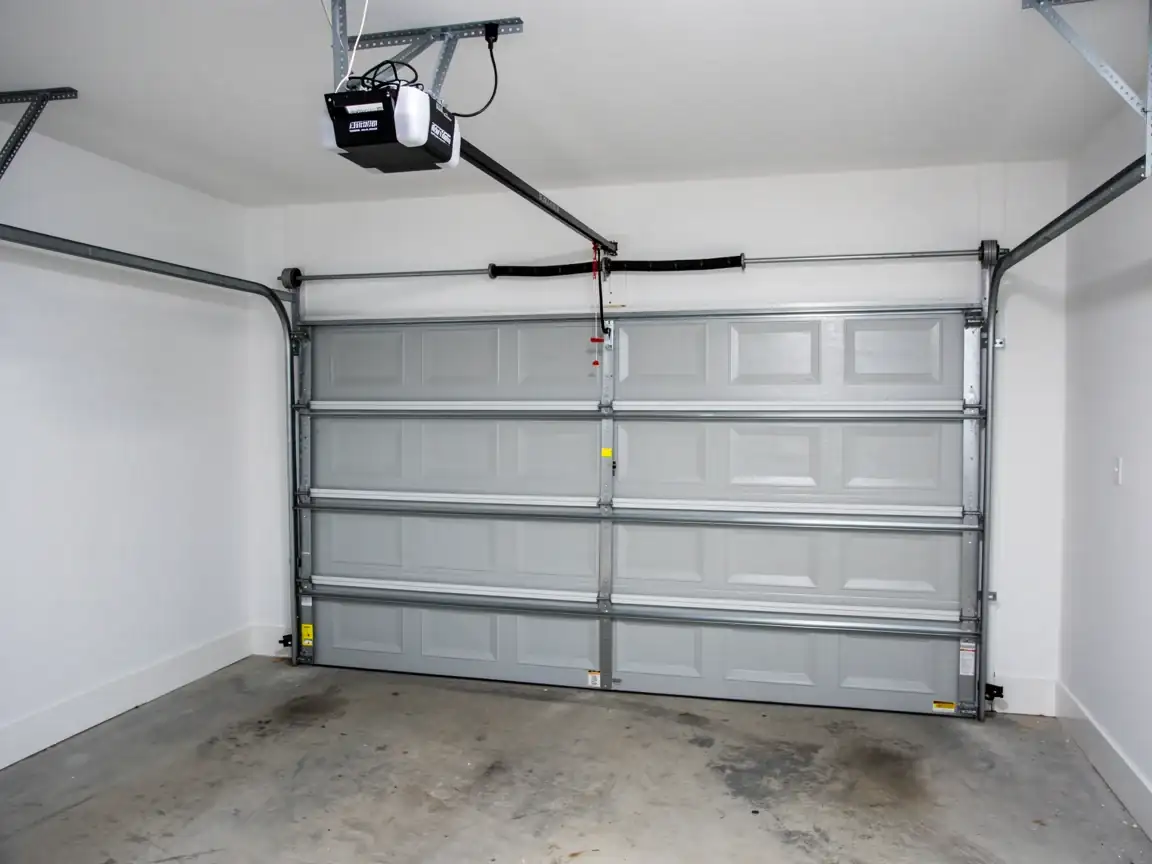
Most of the openers we get called out to in Arlington aren't failing the way an older opener fails. Arlington's median home was built around 2004, which means the openers behind these doors are mostly belt or chain drive units with circuit boards, keypad logic, and safety sensor pairs - not the simple screw-drive units you'd find on a house from the 1970s. When something goes wrong here, it's rarely a stripped gear. It's a logic board that's lost its memory, a safety sensor that's drifted out of alignment after a bump from a bike or a car bumper, or a wall control that's stopped talking to the head unit. The door looks fine. The opener just won't fire, or it reverses before it closes.
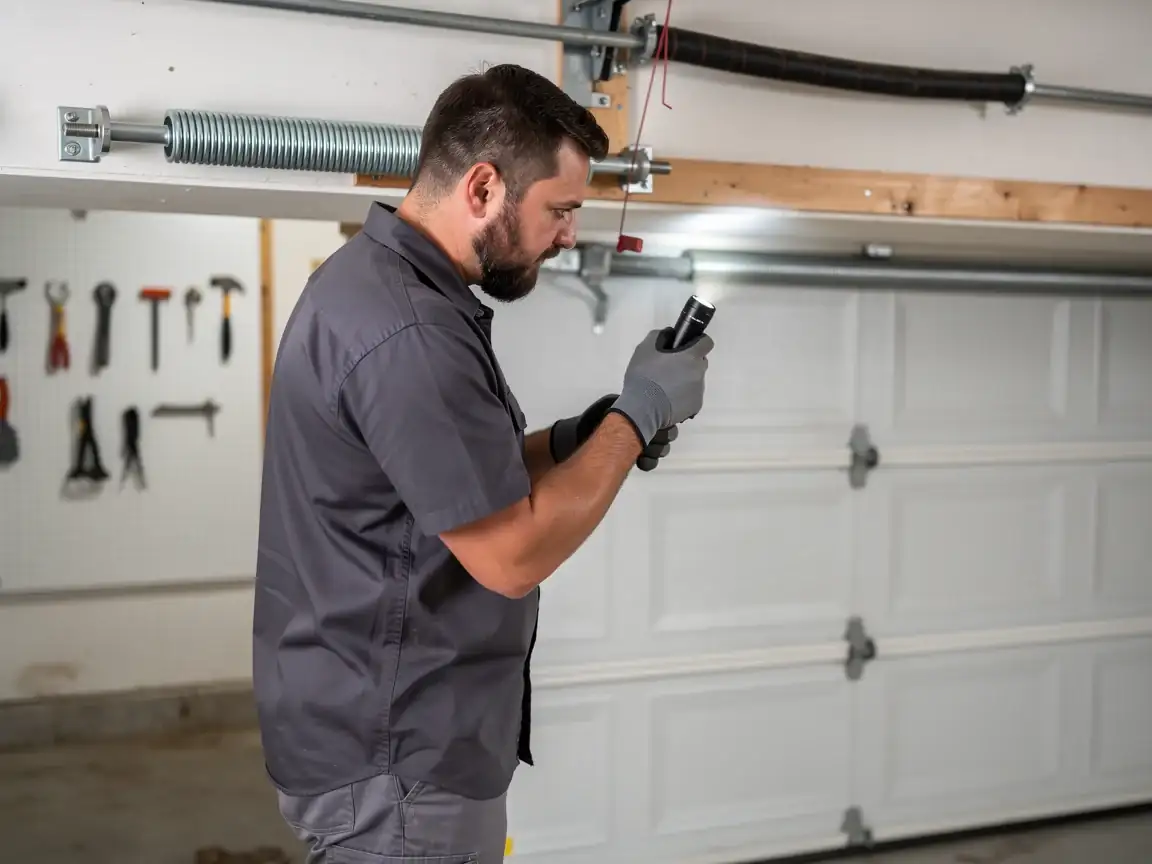
We also see wiring faults at the sensor brackets - a nicked low-voltage wire pinched during a garage reorganization, or a sensor LED that's gone dark and nobody noticed until the door wouldn't close at night. On homes built close to 2004, the garage itself is usually finished and insulated, which means openers get more exposure to temperature swings inside a sealed space than an older detached garage would. None of this is catastrophic. Most of it is a twenty-minute fix once we know which part quit.
What It Costs
We don't have a published price list for this page, and we're not going to invent one. Opener repair costs depend on what's actually failed - a sensor realignment is a different job than a board swap or a motor replacement - and we price that after we've looked at the unit, not before. What we can tell you is that Arlington's household income runs higher than much of the wider service area, and newer opener units here tend to be mid-range or higher-end models with more electronics in them, which sometimes means parts cost more than the cheaper screw-drive units common in older housing stock. That's a reason to get a second opinion before replacing a whole opener when the fault might be one sensor or one board.
Getting It Booked In
We run out of Memphis, about 20 miles from Arlington, so there's no branch office here - we travel out for the job. That means we ask a few questions up front: what the opener does when you press the button, whether the lights blink, whether it's a recent problem or something that's been getting worse for weeks. The more specific you can be, the better we can plan the visit and bring the right parts instead of guessing twice. We cover Arlington as part of the wider Memphis service area, and you can see the rest of what that covers on our Arlington coverage page.
What Causes It Around Here
Arlington's housing is newer than most of the service area - built mostly after the oldest stock in the wider Memphis area, with a median build year around 2004 versus the 1990 median across the broader 1972-2004 range we work in. That matters for openers specifically: newer construction means more homes with finished, insulated garages and openers wired into home automation or smart hubs, which adds failure points that didn't exist on older mechanical units. It also means fewer of the chain-drive, no-sensor openers from the 1970s and 80s that just wear out mechanically. Arlington's climate sits in the same cold-moderate band as the rest of the region, so temperature swings still stress belts and lubricant on these units, but the fault pattern here leans electronic rather than mechanical. If you're after the general rundown of opener work across the whole service area, that's on our Memphis opener repair page, not here.