What Can Go Wrong
Arlington sits about 20 miles out from Memphis, which puts it at the far edge of the territory this company drives. That distance doesn't change what breaks on a door, but it does change how a visit gets planned - a tech isn't swinging by on the way to another job, so the truck is routed here on purpose.
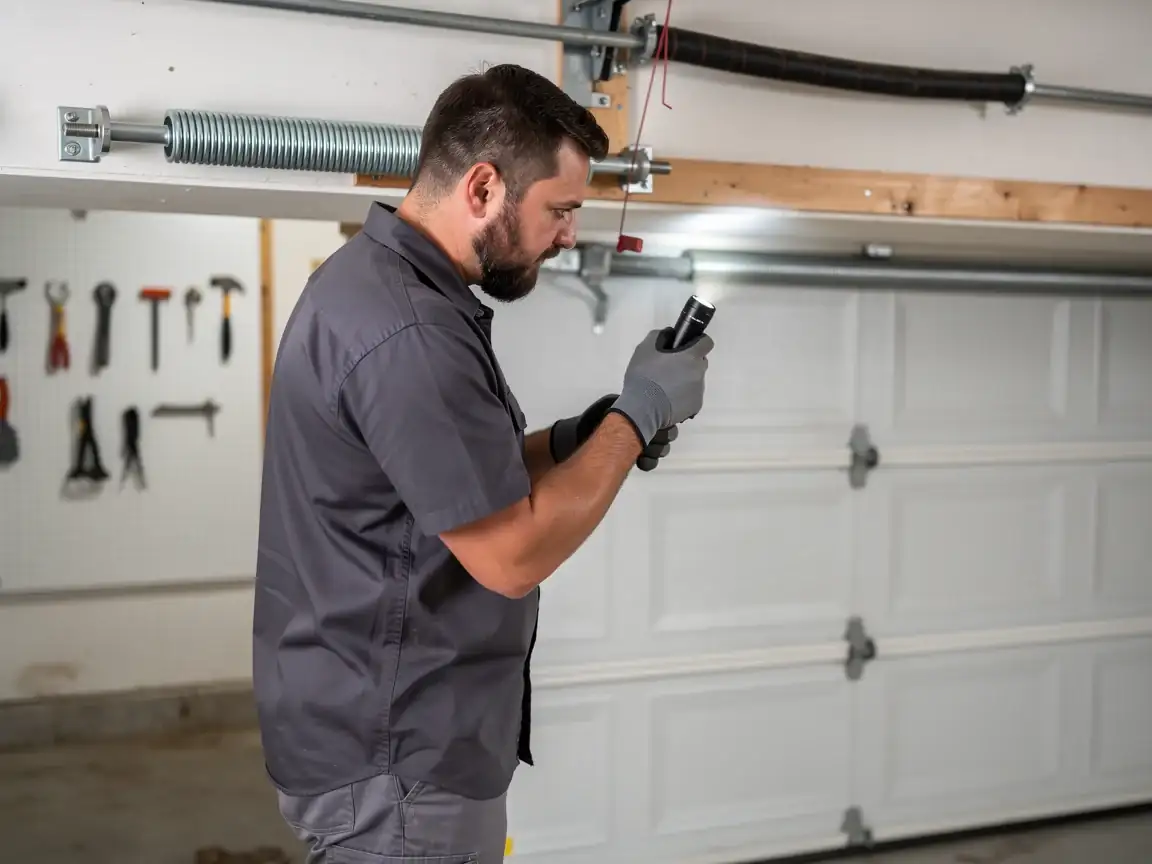
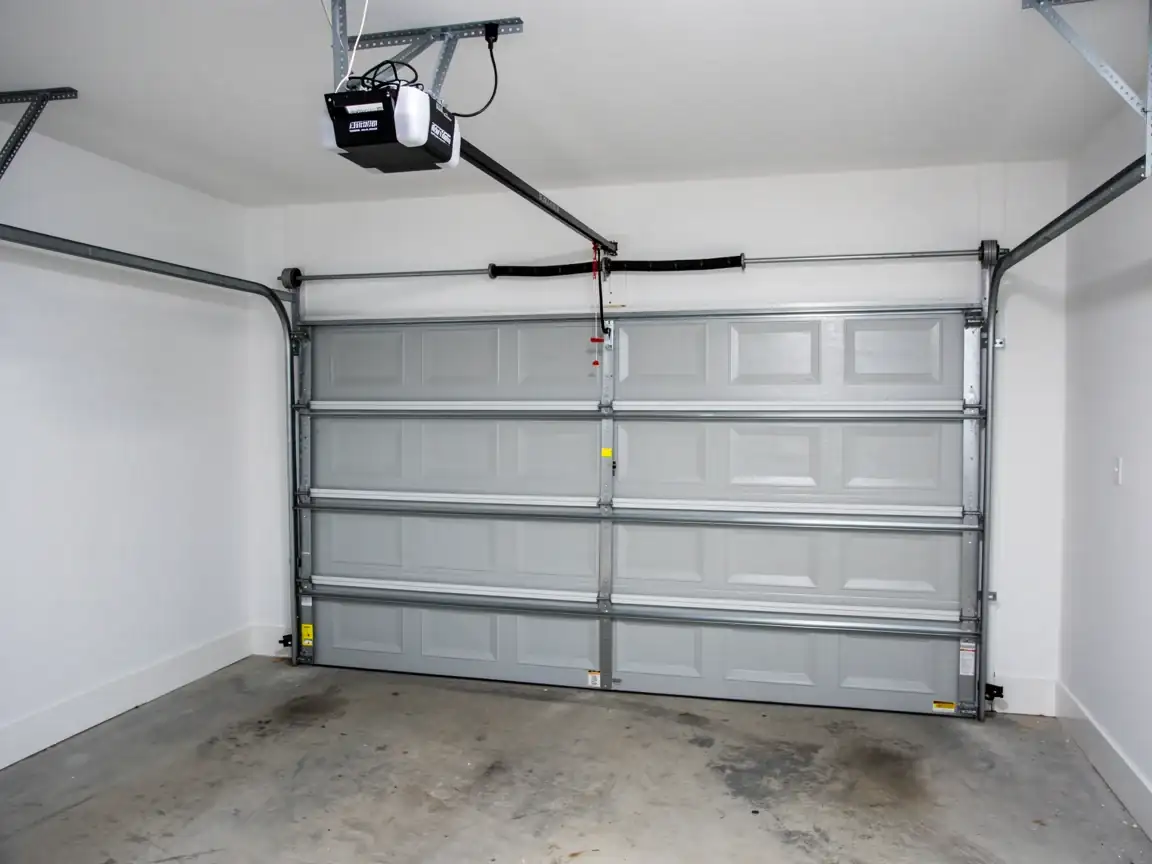
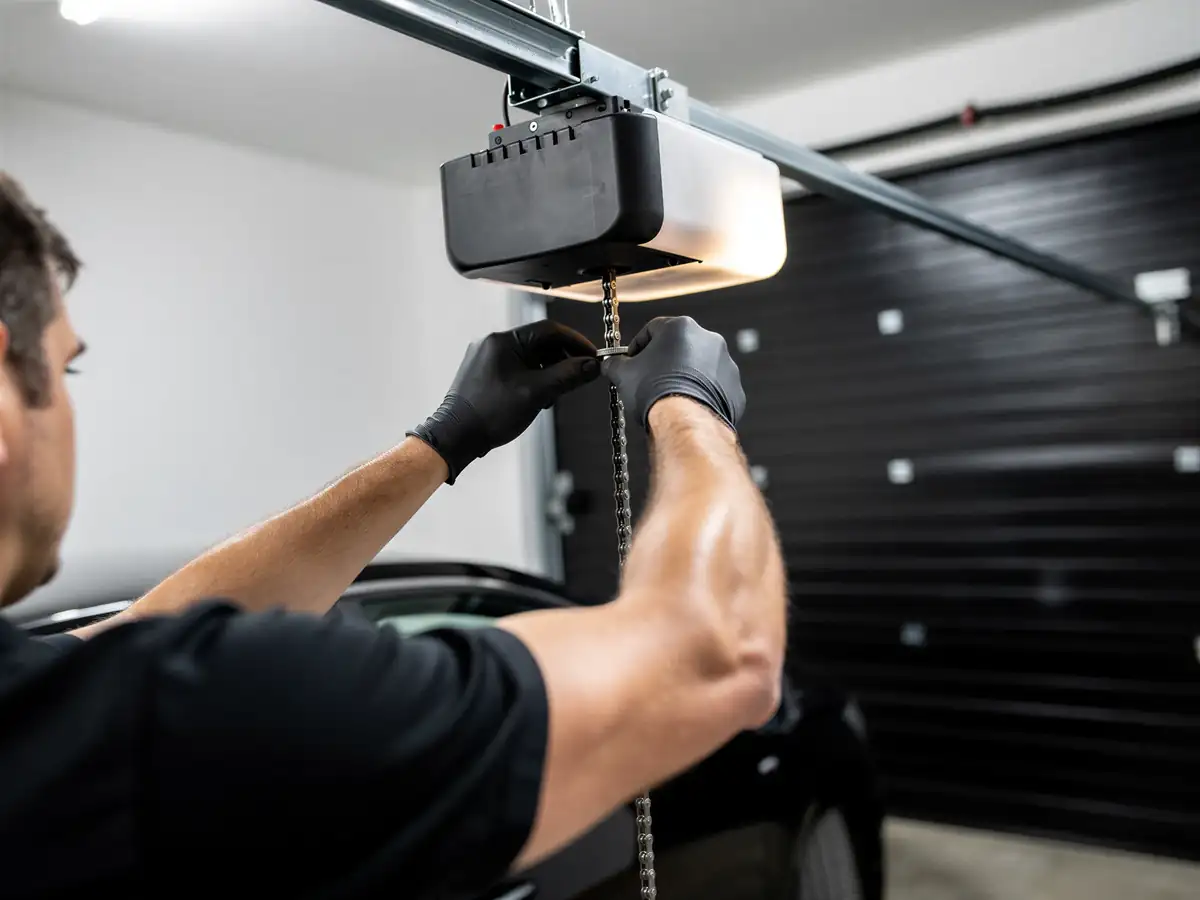
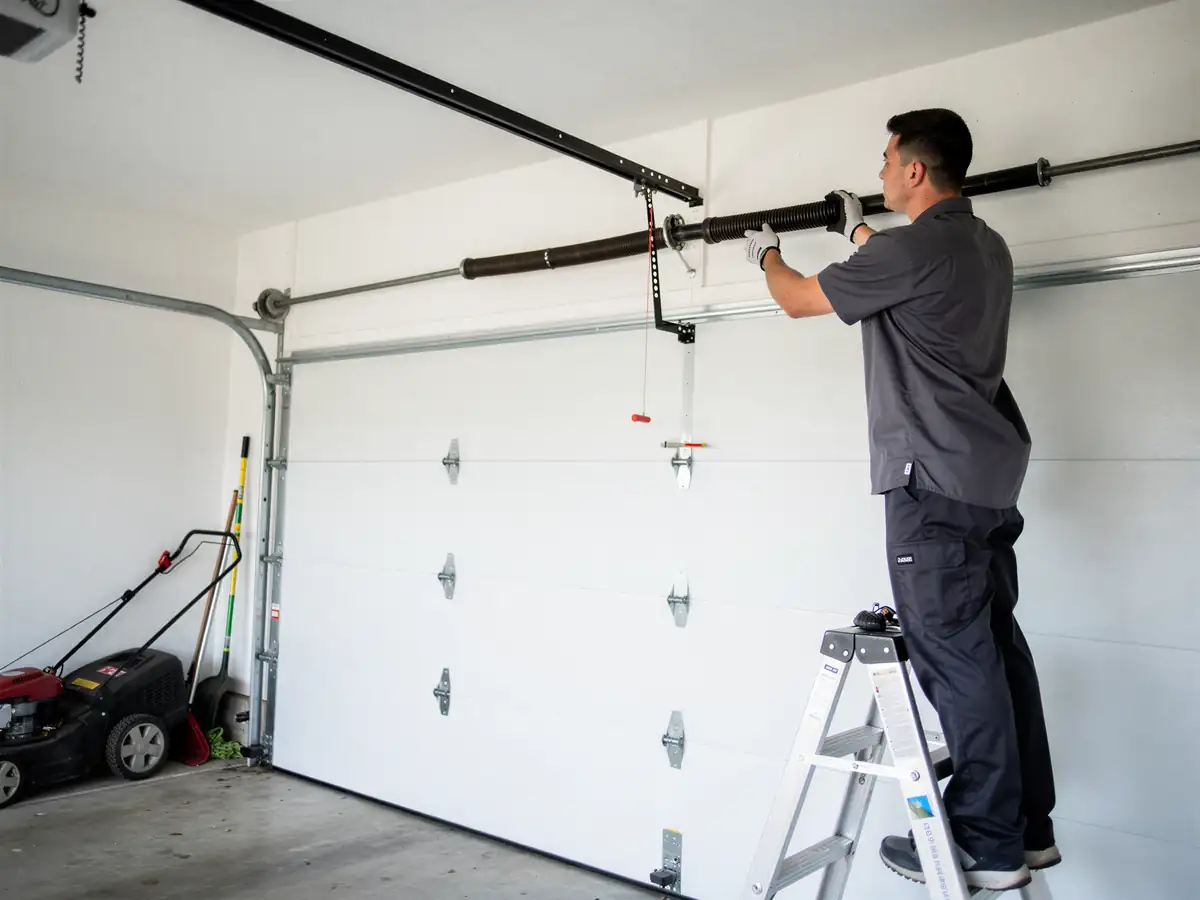
What actually fails depends heavily on when the house went up, and Arlington skews newer than most of the service area. Homes here cluster around 2004, well past the 1990 median for the territory as a whole. That means fewer of the old extension-spring setups with exposed cables that you still find on older blocks closer to Memphis, and more factory-installed steel sectional doors paired with belt or chain-drive openers from the 2000s. The common failures on that generation are opener logic boards going bad, worn drive gears, photo-eye sensors knocked out of alignment, and torsion springs that are now old enough - fifteen to twenty years in - to be due. Rollers and hinges wear the same way everywhere, but you're less likely to be dealing with a door that predates the opener it's bolted to.
What It Costs
I don't have a published price list for Arlington specifically, and I'm not going to invent one. What I can tell you is that cost here tracks with the age of the stock: newer doors mean the repair is more often an opener part or a control board than a full spring-and-cable job, and those parts aren't always something a truck carries for every model on the first visit. If your door is original to a 2000s build, a torsion spring replacement is still the most common big-ticket item once the door crosses the fifteen-year mark, same as it would be anywhere with that era of housing.
One honest limitation: because this is a drive-out job rather than a local branch, a part that isn't on the truck means a second trip, not a same-day fix. That's worth knowing before you book, especially if your opener is an older or less common model.
The Symptom
The opener runs but the door doesn't move
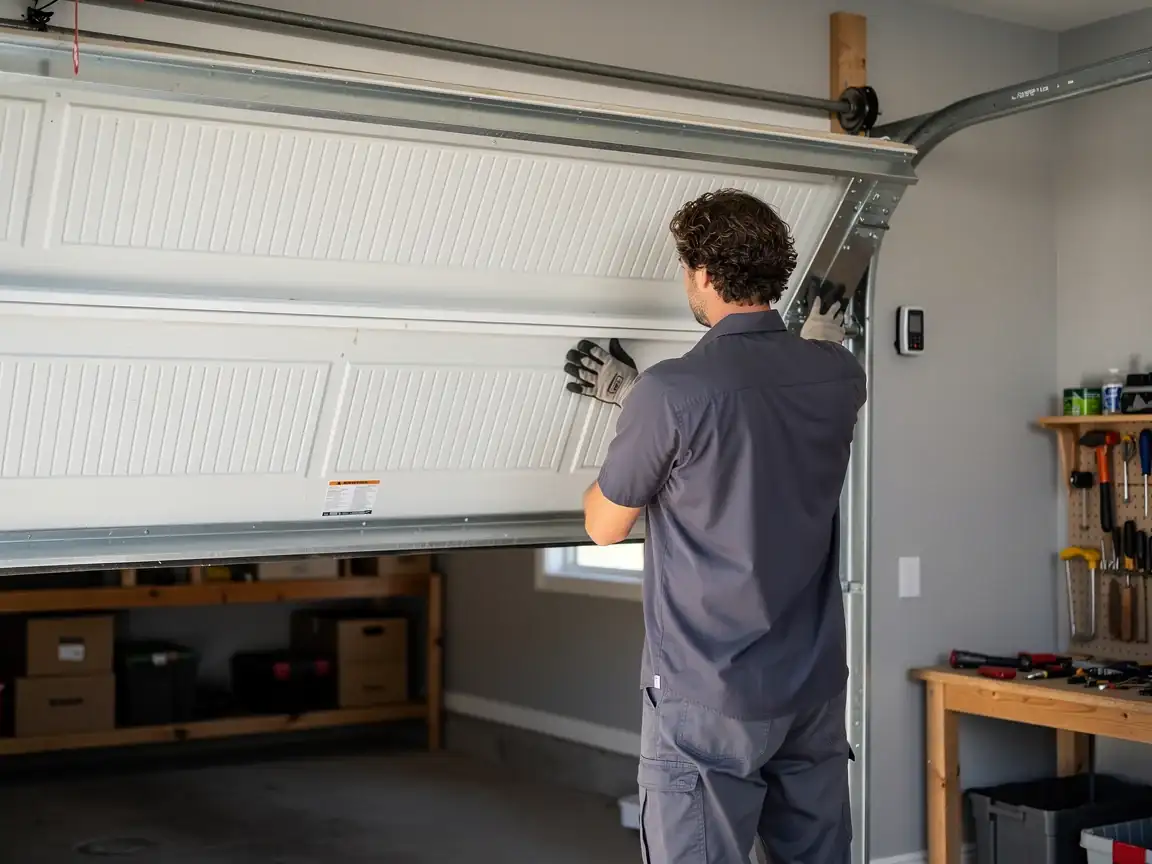
Or it moves and reverses halfway up - that's the complaint that shows up most in homes built in the 2004-and-later range, because the opener's safety sensors and logic board are doing more of the work than the spring is. A door that groans, drifts down on its own, or won't stay open usually points to the torsion spring losing tension, which on a house this age means the original spring is simply old, not that it was undersized to begin with.
If the door is dead quiet and won't respond to the wall switch or the remote, check the obvious first
Breaker, backup battery, sensor alignment - before assuming it's a bigger repair. Household income here runs higher than the service-area average, and in practice that shows up as more owners replacing an opener outright rather than nursing an old one, which is worth factoring in if yours is already flaky.
Getting It Booked In
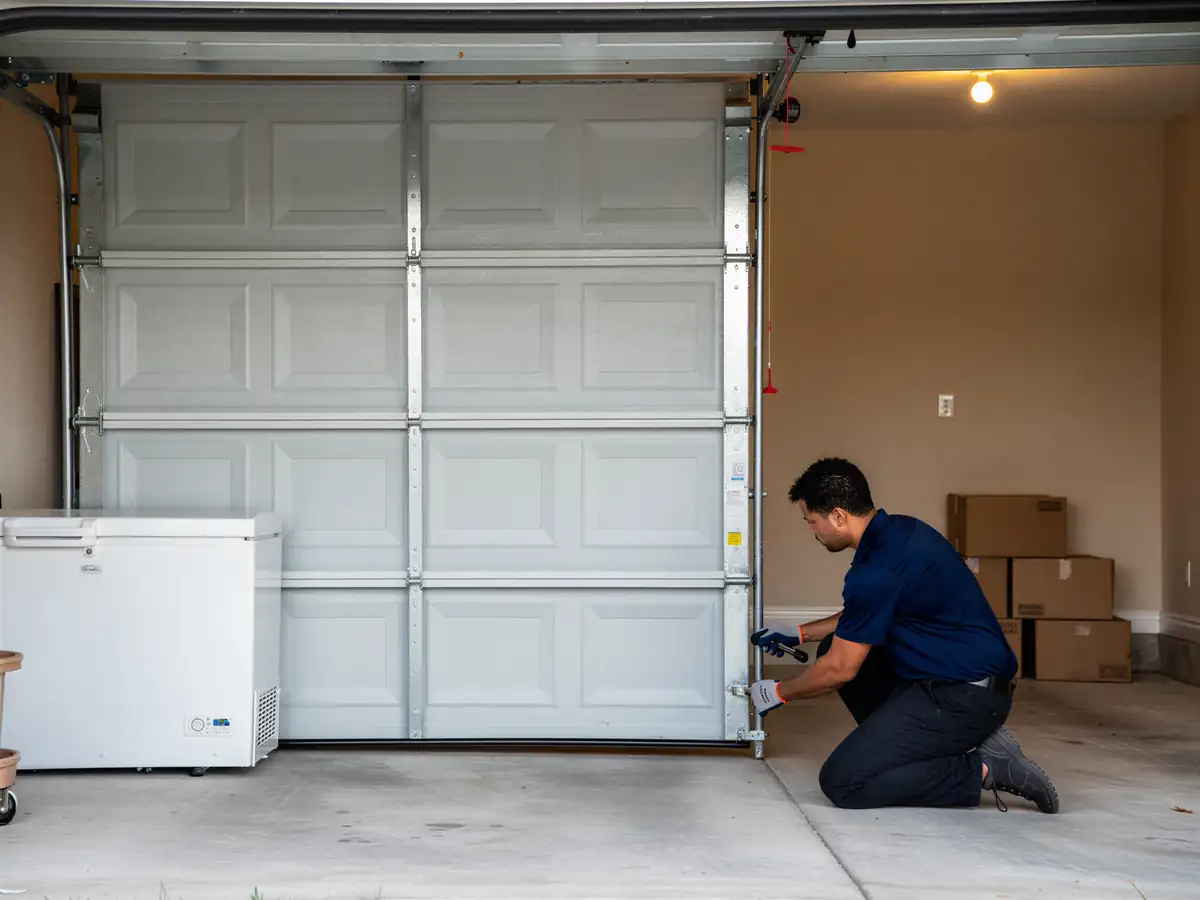
Because Arlington is the long end of the drive from Memphis, booking works best when you can describe what's happening before the truck leaves - door won't close, spring snapped, opener clicking but not lifting. That lets the tech bring the right spring size or opener part instead of guessing. It's not a same-day guarantee; it's just a better shot at a one-trip fix given the distance involved.
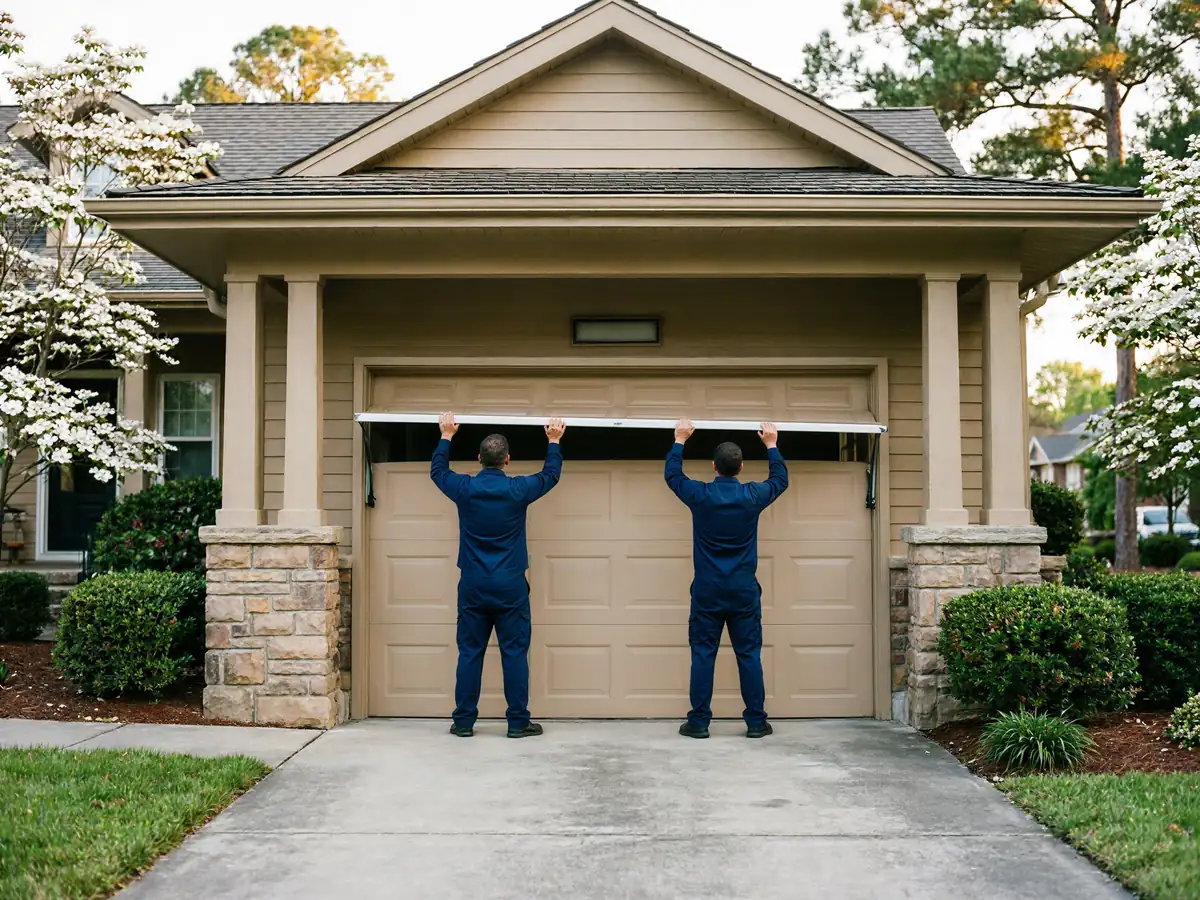
If you're not sure whether it's worth a call, a door that's merely slow or noisy can usually wait a few days for scheduling. A door that's stuck open, stuck shut, or has a visibly snapped cable or spring is the kind of thing to get on the books right away - those don't improve on their own, and a spring under tension that's failed partway is not something to keep fiddling with yourself.
What Causes It Around Here
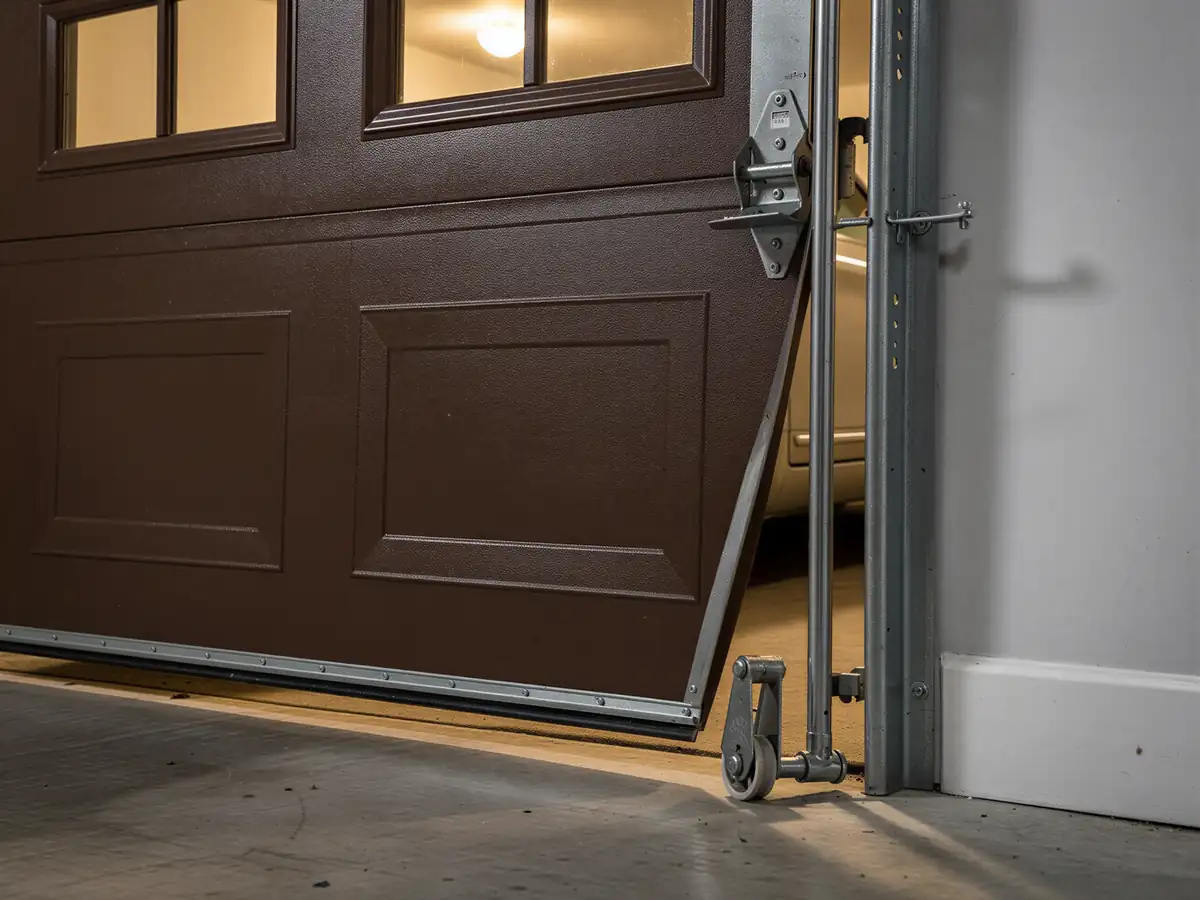
The cold winters this region gets put steady cyclical stress on springs and metal track regardless of neighborhood, but Arlington's housing age changes which part of the system takes that stress first. A door built in the early 2000s has had roughly two decades of seasonal tightening and loosening on its torsion spring, which is right in the window where springs start to fail - not because of bad weather events, just ordinary fatigue on schedule. Garages here are also more likely to be insulated and finished than the older stock closer to the center of the service area, which means less airflow and more condensation on the inside of the door skin in winter, a slower but real cause of panel rust at the bottom corners over time.
None of that is unique weather drama - it's ordinary cold-climate cycling acting on a specific generation of hardware. That combination, more than any one event, is what brings most Arlington calls in.